
Film
Flight of the Innocent
A 1992 Italian crime drama about a boy born into a Neapolitan kidnapping family who flees after his relatives are slaughtered. It's a coming-of-age story filtered through violence and moral reckoning, anchored by a quietly powerful performance from its young lead. For viewers drawn to European crime cinema that prizes character over spectacle.
If you liked this
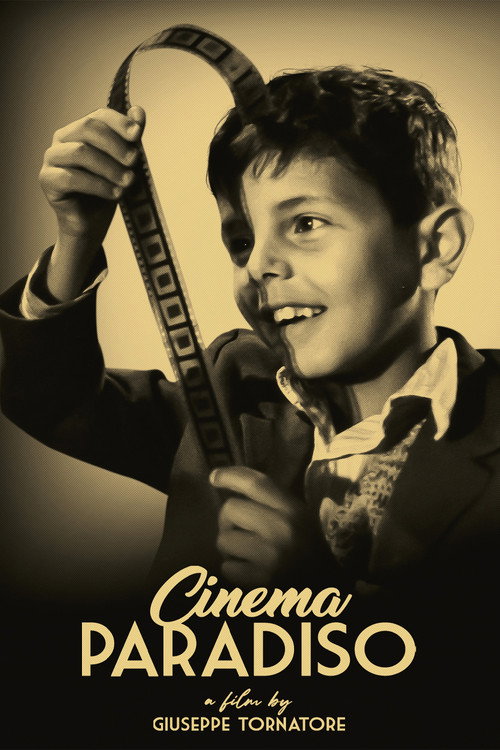
Cinema Paradiso1988
A nostalgic meditation on childhood, cinema, and the passage of time, with warmth and melancholy woven through. Giuseppe Tornatore's masterpiece about a boy's relationship with an old projectionist will wreck you.
But It's deliberately paced and sentimental in ways that feel dated to some modern viewers. The restored cut runs nearly three hours.
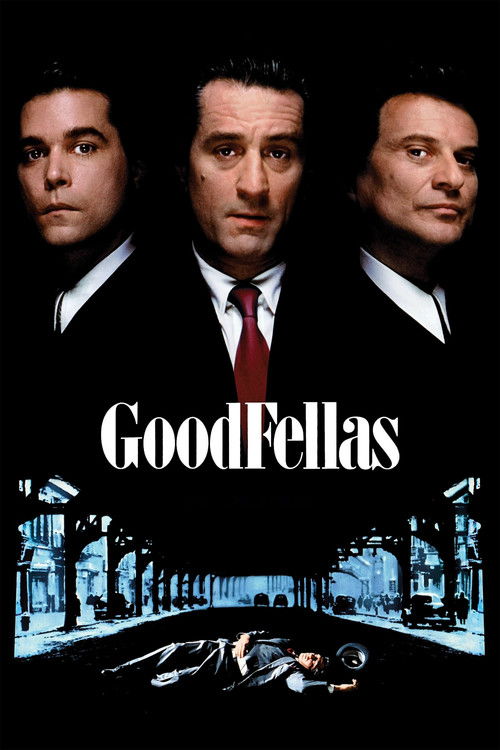
GoodFellas1990
Scorsese's definitive mafia saga that makes the criminal life seductive and then devastating. It's the DNA of nearly every crime drama made after, with energy that never flags across two and a half hours.
But Relentlessly violent and profane. It's also become so culturally dominant that the shock has worn off for some.
Bicycle Thieves1948
Post-war Italian neorealism at its purest: a father and son searching Rome for a stolen bicycle, which becomes a study of poverty, dignity, and desperation. Humanist filmmaking that still feels urgent.
But It's deliberately unglamorous and slow. The ending will sit with you in ways designed to hurt rather than satisfy.

Not sure tonight? Get a pick in a minute, starting from Flight of the Innocent
The wildcard
Something you would not have found on your own.
The Battle of Algiers1966
Both are Italian films about young men caught in systems of violence larger than themselves, with no easy exit. Both demand moral reckoning from their audiences instead of catharsis.
A Pontecorvo masterpiece about the Algerian resistance's urban warfare against French colonialism, made in 1966 with neorealist intensity and formal rigor. It's simultaneously a thriller and a political essay, unbearably tense and morally unsparing.
But It's a black-and-white film made in the 1960s, spare and austere. The violence is brutal and the political message never lets up.

More like this (8)
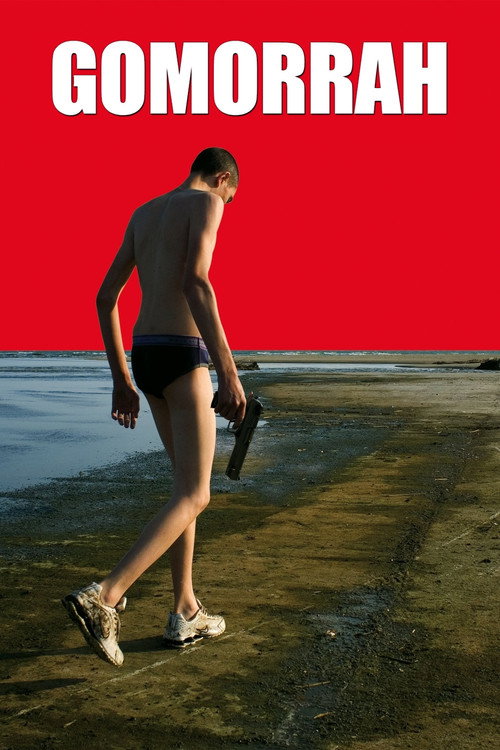
Gomorrah2008
A visceral Naples crime epic that maps the city's Camorra underworld through interconnected stories. Matteo Garrone's filmmaking is immaculate, the sense of place overwhelming and claustrophobic.
But It's brutally violent and often cryptic in its narrative structure. The bleakness is total and offers no relief.
A Prophet2009
A French-language masterpiece about a young man's emergence as a leader while imprisoned. It's precisely constructed, morally complex, and features one of the great transformative performances in crime cinema.
But Prison violence is graphic and the pacing is deliberate. At two and a half hours, it demands full attention.

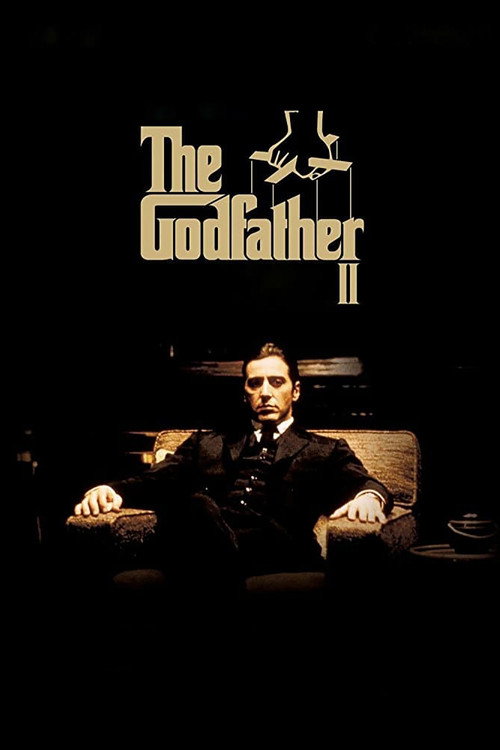
The Godfather Part II1974
Coppola's parallel narrative of Vito Corleone's rise and Michael's consolidation of power. Operatic, gorgeously made, and the rare sequel that rivals its predecessor in every way.
But It's nearly four hours long and assumes you've seen the first film. The scope can feel overwhelming.
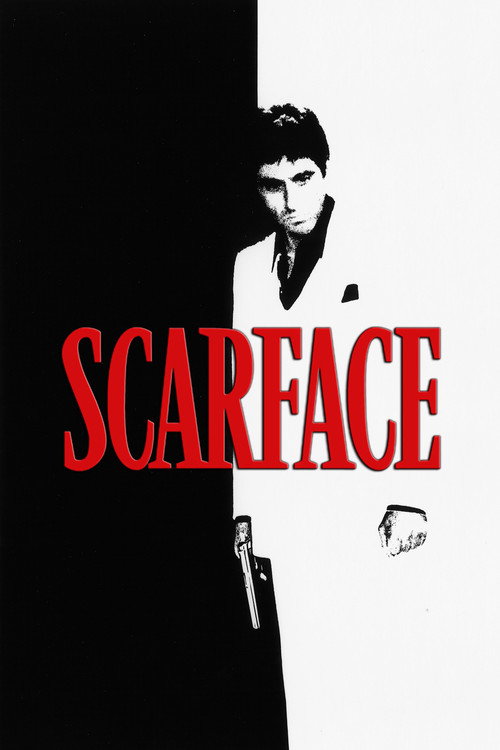
Scarface1983
De Palma and Pacino's lurid, operatic chronicle of a cocaine kingpin's rise and fall in Miami. It's excess as filmmaking: loud, vulgar, kinetic, and genuinely tragic beneath the bombast.
But The violence is graphic and the misogyny is baked into the characters and sometimes the film itself. It's an endurance test in the third act.
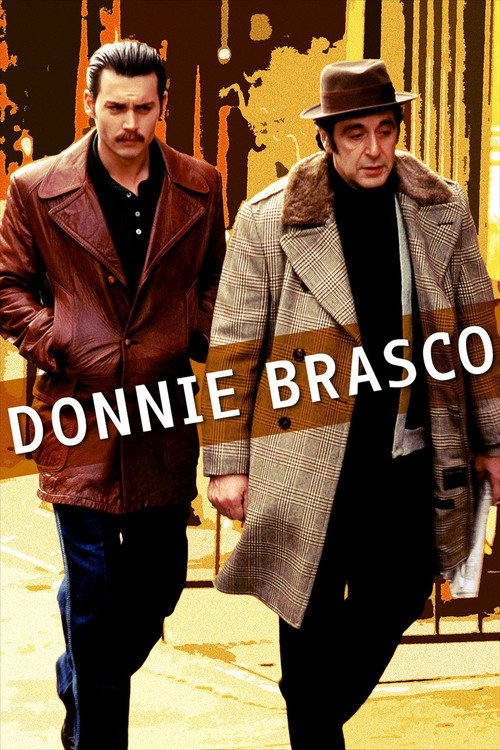
Donnie Brasco1997
A quieter, more melancholic crime drama about an FBI agent embedded with a Mafia crew, focusing on loyalty, betrayal, and the loneliness of deception. Pacino and Depp have real chemistry.
But It's deliberately understated compared to more bombastic mob films. Some find it slow and sentimental rather than tense.
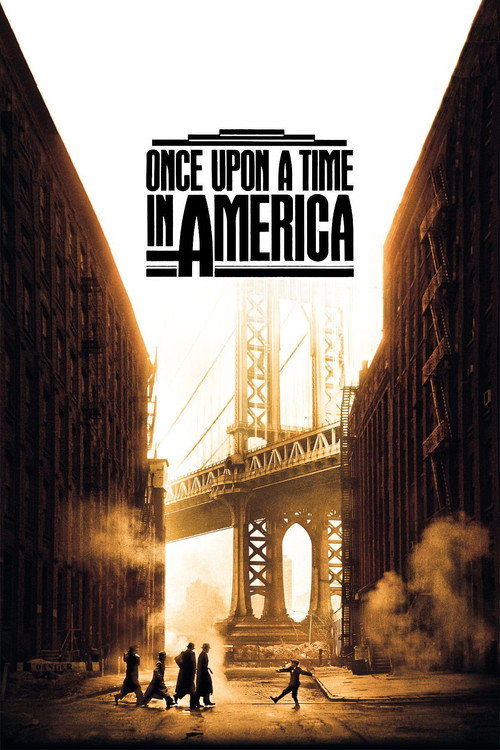
Once Upon a Time in America1984
Sergio Leone's sprawling, dreamlike final film about Jewish gangsters in New York across decades. Morricone's score is transcendent and the elegiac tone is unlike anything else in the crime genre.
But The theatrical cut is severely truncated and disorienting; the full restoration is nearly four hours. The pacing asks patience rather than offering momentum.
Come and See1985
Both films center a child protagonist watching the adults around him commit atrocities, and both refuse to let the audience look away or feel safe. Innocence destroyed by circumstance, not redeemed.
A Belarusian war film of almost unbearable intensity—the story of a boy conscripted into the Soviet army during WWII. Elem Klimov's camera work is devastating and the performance by the child actor is harrowing and true.
But It is genuinely traumatic to watch. The violence is not glamorized and the horror is relentless. Many viewers find it hard to finish.

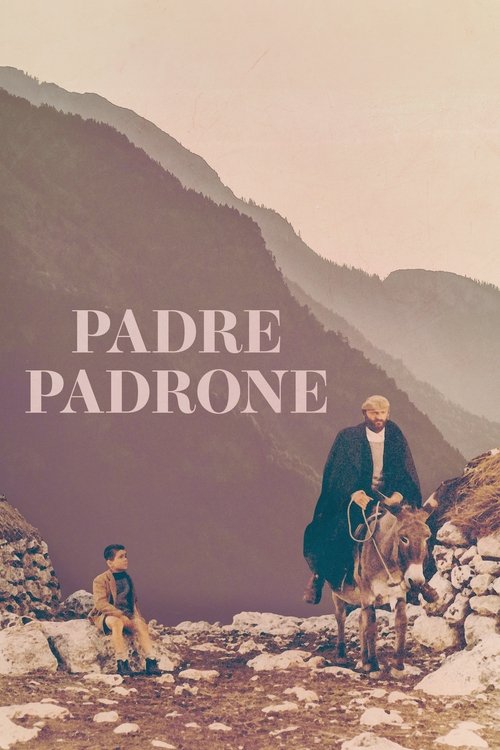
Padre Padrone1977
Another Italian film about a boy born into a constrictive family system and his struggle toward autonomy. Here the violence is psychological rather than criminal, but the need to escape and become yourself is identical.
The Taviani brothers' semi-autobiographical film about a Sardinian shepherd's son who breaks free from his father's tyranny through education. It's tender and enraged simultaneously, filmed with love for the landscape and people.
But The Sardinian dialect and rural setting can feel distant. It's less a plot-driven narrative than a portrait of transformation, which some find frustratingly slow.
People
Cast
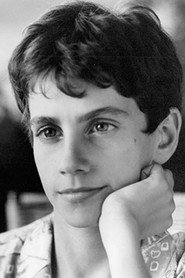 Manuel ColaoVito
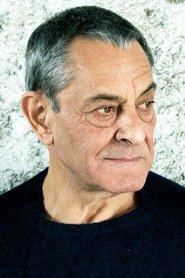 Federico PacificiScarface
 Francesca NeriMarta Rienzi
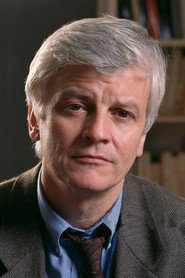 Jacques PerrinDavide Rienzi
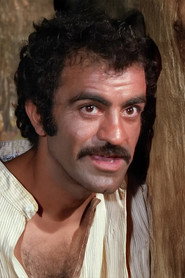 Sal BorgeseVito's Father
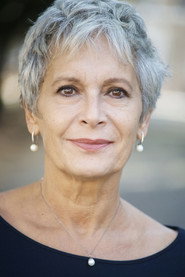 Anita ZagariaVito's Mother
 Giusi CataldoGiovanna
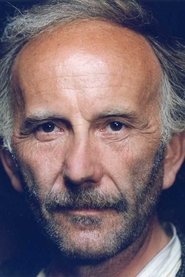 Nicola Di PintoQuestor
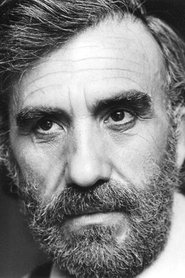 Beppe ChiericiDon Silvio
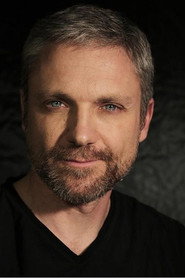
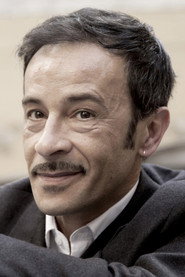 Lucio ZagariaOrlando
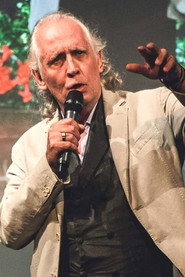 Massimo LodoloRocco
Directing
- Carlo CarleiDirector
Writing
- Carlo CarleiScreenplay
- Gualtiero RosellaScreenplay
- Carlo CarleiStory
Production
- Gabriella CarosioAssociate Producer
- Michelle de BrocaAssociate Producer
- Bruno RicciExecutive Producer
- Jon TurtleExecutive Producer
- Massimo CristaldiExecutive Producer
- Domenico ProcacciProducer
- Franco CristaldiProducer