
Film
Padre Padrone
- Biopic
- Very dark
Padre Padrone is a true story of a Sardinian shepherd's son who educates himself in secret, fighting against his father's violent attempts to keep him trapped in an illiterate pastoral life. It's a fierce, unsentimental portrait of rural Italian poverty and the sheer will required to escape it. Spare, sometimes difficult to watch, but urgently humane.
Should you watch it?
Watch it if you are drawn to slow, unsentimental portraits of a rural world where education itself becomes a kind of rebellion, and you don't mind a film that lets its harshness sit in the frame.
Skip it if you want brisk momentum or a warm, easy emotional ride; the film is measured and austere, and its cruelty is shown plainly rather than softened for comfort.
What it asks of you: Around two hours of patience, with long stretches of silence, landscape and repetition; it moves at the pace of its herders and rewards attention more than it rewards quick reactions.
Not sure? Find tonight's pick in a minute.
If you liked this
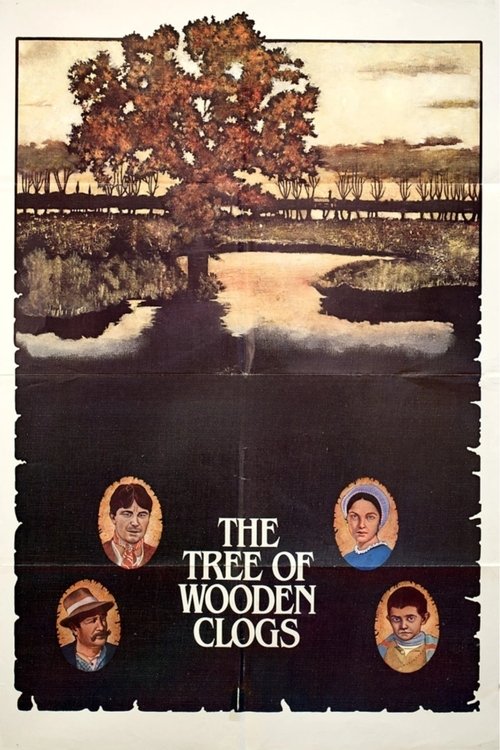
The Tree of Wooden Clogs1978
Ermanno Olmi's Palme d'Or winner about rural Italian peasants and their quiet, dignified struggle for survival. Shot in natural light on location, it has the same documentary authenticity and deep compassion for ordinary lives as Padre Padrone.
But Deliberately paced and plotless. If you need conventional narrative momentum, it will feel glacial. Requires patience to appreciate its rhythm.
Bicycle Thieves1948
De Sica's neo-realist masterpiece about a father and son searching for a stolen bicycle in post-war Rome. Like Padre Padrone, it finds profound humanity in poverty and shows how economic desperation shapes family bonds and individual dignity.
But Shot on real streets with non-professional actors, it lacks the polish of later cinema. Some find it slow; others find it shattering depending on what you bring to it.

Kes1970
Ken Loach's film about a working-class Yorkshire boy who trains a hawk, finding freedom and purpose outside a brutal home. It shares Padre Padrone's unflinching look at paternal violence and a child's desperate need to learn and grow.
But The father is so casually vicious it's hard to sit with. The ending offers no easy catharsis. Some viewers find it punishingly bleak rather than illuminating.

Not sure tonight? Get a pick in a minute, starting from Padre Padrone
The wildcard
Something you would not have found on your own.
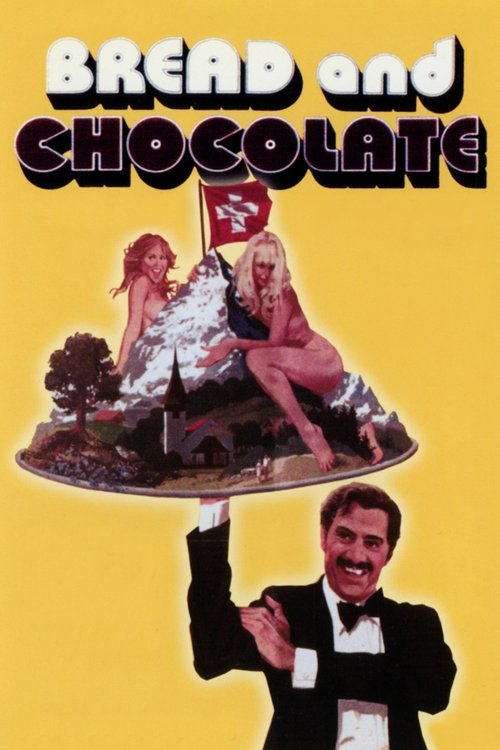
Bread and Chocolate1974
Both are Italian films about working-class men navigating systems designed to keep them subordinate, finding agency through wit and persistence rather than violence.
Franco Brusati's comedy-drama about an Italian immigrant worker in Switzerland navigates absurdity and dignity in the face of systemic humiliation. It's about resistance and self-education through accumulated small acts of defiance, told with warmth rather than brutality—the tonal opposite of Padre Padrone but wrestling with the same questions about belonging and self-determination.
But Its mix of comedy and social critique can feel uneven. Some moments of humor might undercut the seriousness of its subject if you're expecting consistent tone.
More like this (7)
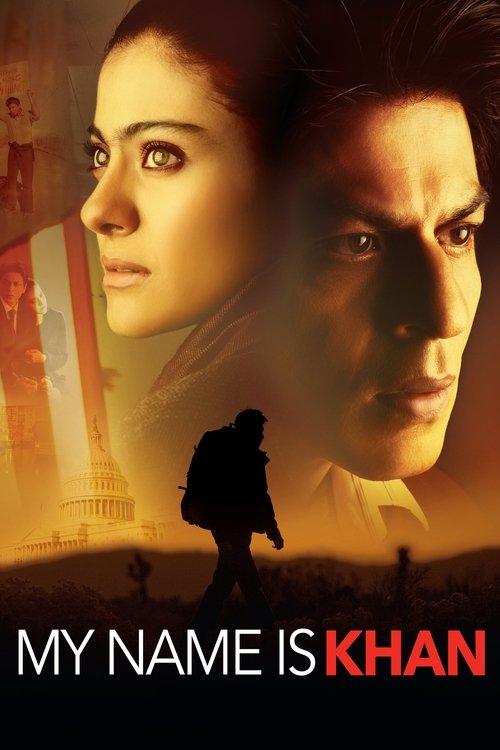
My Name Is Khan2010
A man's journey to overcome prejudice and reclaim his identity across America. Like Padre Padrone, it's about education as liberation and the stubborn refusal to let circumstance define your future.
But Bollywood sentiment sits uneasily with some viewers. The film's earnestness about redemption might feel heavy-handed if you prefer subtlety.
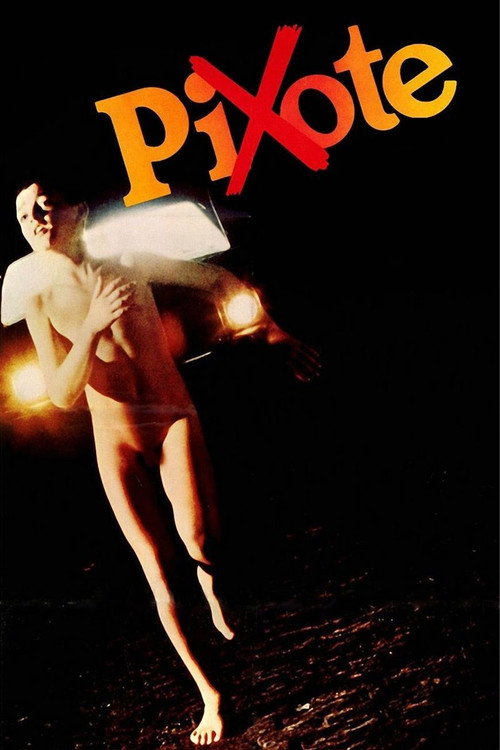
Pixote1980
Hector Babenco's Brazilian film follows a street child navigating violence, hunger, and prison. Raw and unforgettable, it matches Padre Padrone's refusal to look away from how children suffer under brutal systems.
But Genuinely harrowing. It depicts child sexual abuse, murder, and addiction without looking away. Not cathartic; designed to disturb and provoke.
Stalker1979
Tarkovsky's metaphysical journey about a man guiding others toward a room that grants wishes. Beneath its sci-fi premise lies the same quiet meditation on self-determination and the cost of seeking knowledge that animates Padre Padrone.
But Glacially slow, nearly three hours long, with long takes of industrial landscapes. If you want plot, you will leave frustrated. Requires active, almost meditative attention.

The Battle of Algiers1966
Gillo Pontecorvo's revolutionary film uses a semi-documentary style to show resistance against colonial oppression. Like Padre Padrone, it's interested in how ordinary people resist systems designed to crush them.
But Its politics are explicit and uncompromising. If you need neutral ground in cinema, its commitment to a perspective will feel propagandistic rather than dramatic.

Come and See1985
Elem Klimov's Belarusian film about a boy conscripted into war shows the destruction of innocence through traumatic experience. It shares Padre Padrone's unflinching approach to how brutal circumstances damage young people.
But Genuinely one of cinema's most devastating films. It depicts atrocity, child suffering, and psychological annihilation. Many find it unwatchable; few forget it.

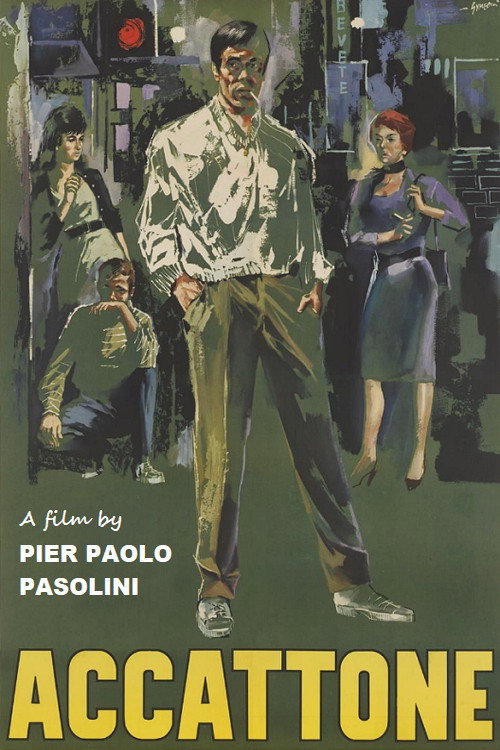
Accattone1961
Both use neorealist technique and non-professional casts to dignify lives on the margins, but Accattone is interested in spiritual transcendence where Padre Padrone is interested in education and escape.
Pasolini's debut follows a pimp and thief in Rome's underworld with documentary-like precision and strange tenderness. Like Padre Padrone, it's shot with non-professional actors in real locations and finds humanity in lives society has discarded—but it locates beauty and even grace in moral chaos.
But It's sympathetic to a morally reprehensible protagonist. If you need your protagonists likeable, this film's refusal to judge will feel permissive rather than humanizing.
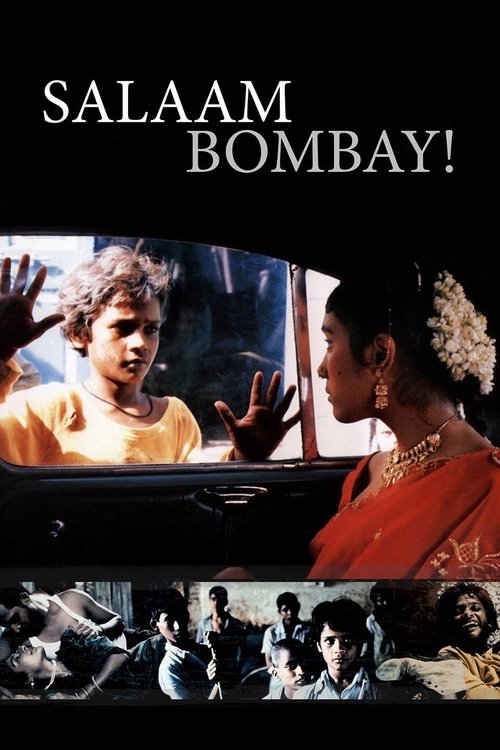
Salaam Bombay!1988
Both use documentary methods to follow a young person's resourcefulness and inner life under duress, but Salaam Bombay reaches for transcendence and connection where Padre Padrone reaches for escape and literacy.
Mira Nair's film about street children in Mumbai uses a child actor and real streets to show survival and small dignities amid destitution. Its visual poetry and refusal to sentimentalize childhood poverty connects to Padre Padrone's moral seriousness, but it's alive to moments of beauty, humor, and even joy.
But Shot guerrilla-style with a non-professional child lead, it has narrative roughness some find compelling and others find frustratingly incomplete. Its beauty might feel at odds with its subject matter.
People
Cast
 Omero AntonuttiPadre
 Saverio MarconiGavino

- Fabrizio ForteYoung Gavino
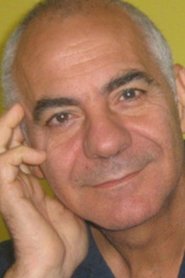 Marino CennaYoung shepherd
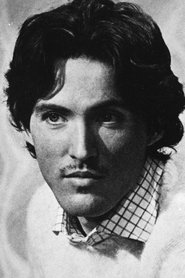 Stanko MolnarSebastiano
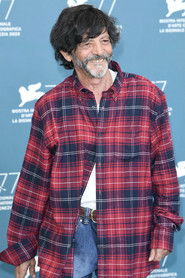 Gavino LeddaHimself
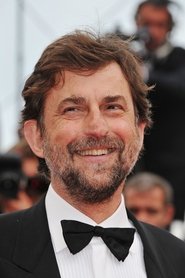 Nanni MorettiCesare
Directing
- Francesco LizzaniAssistant Director
- Giampiero CubedduAssistant Director
- Marco De PoliAssistant Director
- Paolo TavianiDirector
- Vittorio TavianiDirector
Writing
- Gavino LeddaBook
- Paolo TavianiWriter
- Vittorio TavianiWriter
Production
- Giuliani G. De NegriProducer
- Danilo MartelliProduction Accountant
Recommended by
Mediterranea, Days and Nights in the Forest, Last Exit to Brooklyn, Flight of the Innocent