
Film
Mediterranea
Mediterranea follows two migrants from Burkina Faso who survive a smuggling journey to Italy, only to find themselves trapped in a precarious existence. Director Jonas Carpignano observes their daily lives—the small indignities, the impossible choices, the quiet dignity—with unflinching clarity. It's a film about survival that refuses easy sentiment, about people trying to build a life while the world around them makes that almost impossible.
If you liked this
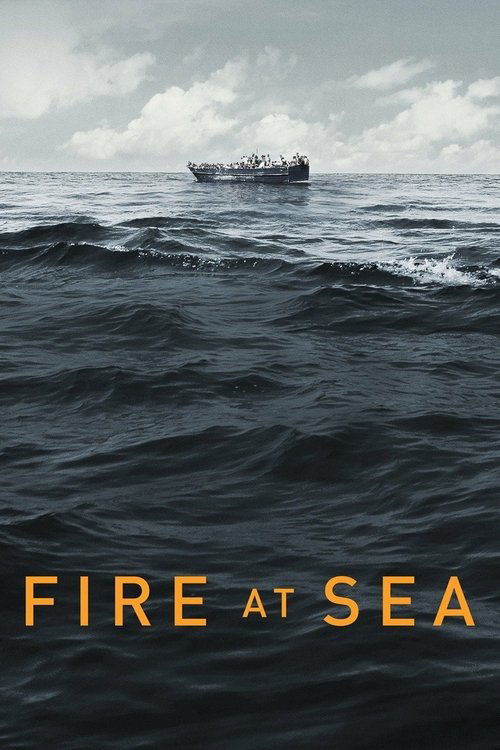
Fire at Sea2016
Gianfranco Rosi's documentary captures the humanitarian crisis at Lampedusa with the same moral seriousness as Mediterranea, showing both the journey and the island that receives migrants. Unforgettable images of ordinary people in extraordinary circumstances.
But It's a documentary without voiceover or explicit explanation—you have to sit with what you're seeing, and some moments are almost unbearably difficult to watch.
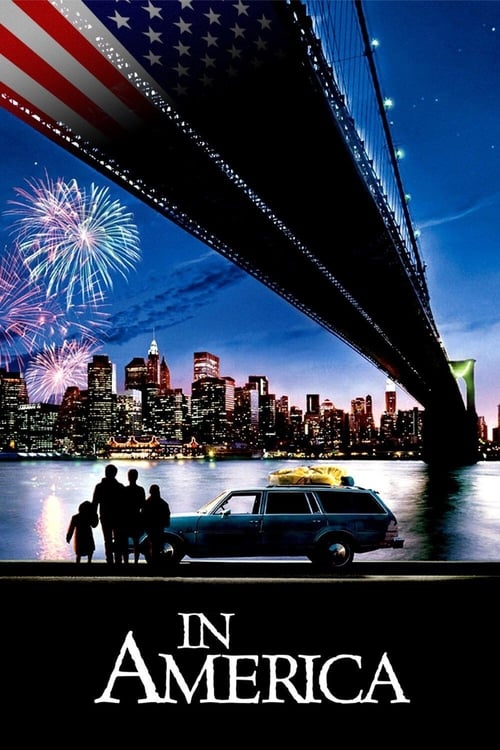
In America2003
Jim Sheridan's film follows an Irish family immigrating to New York with children, capturing both the hope and the grinding struggle of starting over in a new country. Less politically urgent than Mediterranea, but emotionally aligned in how it portrays displacement.
But It's more hopeful and sentimental than Carpignano's work, which some might find evasive given the stakes involved in the migration story.
Moonlight2016
Barry Jenkins films marginal lives—those pushed to society's edge—with tenderness and artistry. Like Mediterranea, it refuses pity; instead it insists on the full humanity of people the world wants to ignore.
But The three-chapter structure and poetic approach demand patience. It rewards close attention, but won't grab you immediately if you're expecting conventional drama.

Not sure tonight? Get a pick in a minute, starting from Mediterranea
The wildcard
Something you would not have found on your own.
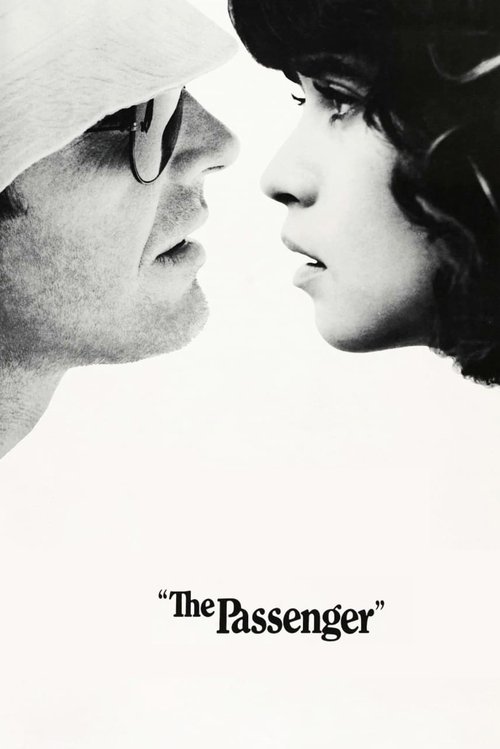
The Passenger1975
Both are about people trying to inhabit identities that don't fit, and the spiritual cost of that impossible adaptation. Both use landscape and location as characters.
Michelangelo Antonioni's film about a man who adopts a stranger's identity and drifts through Africa and Spain. Like Mediterranea, it's about displacement, the impossibility of belonging, and the quiet horror of being nowhere. Visually hypnotic in a completely different register.
But It's an art film from 1975 with minimal plot; patience with abstraction and glacial pacing is essential. Nothing like a conventional narrative.
More like this (8)
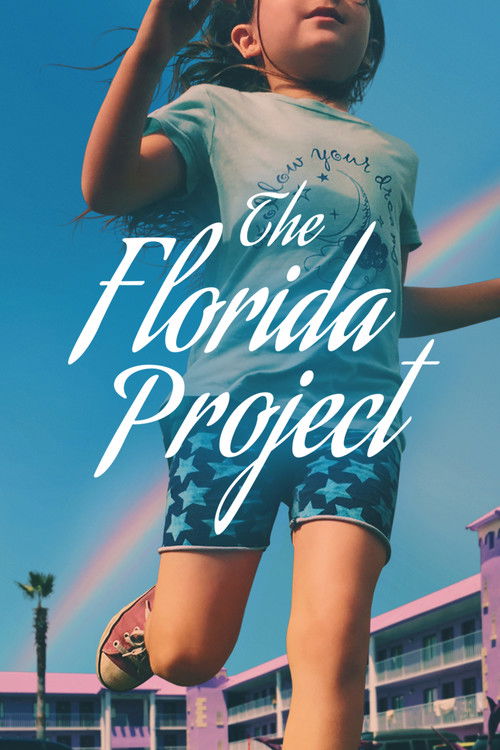
The Florida Project2017
Sean Baker follows a child and her mother living in budget motels, finding joy and invention in precarity. It shares Mediterranea's commitment to showing ordinary life without sentimentality, though it's lighter in tone.
But The handheld camera work and loose narrative can feel aimless if you're looking for traditional story structure.
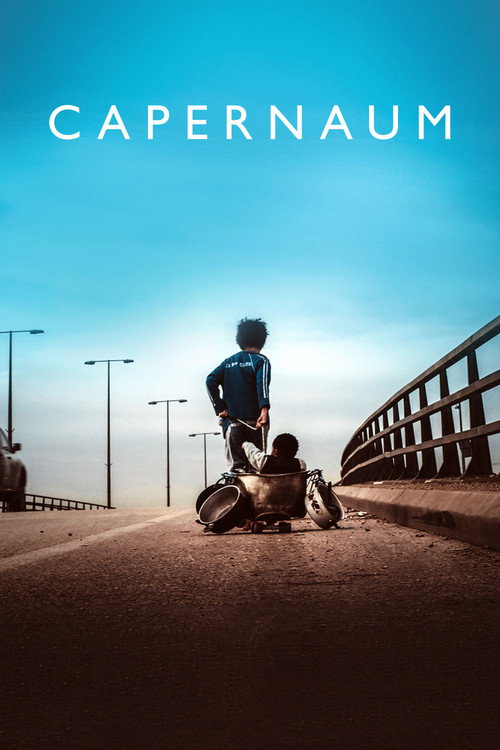
Capernaum2018
Nadine Labaki's Lebanese film about a boy born into impossible circumstances has the same unflinching eye on survival and the choices poverty forces on people. Visually stunning and deeply angry about structural injustice.
But Its melodrama and explicit emotionalism are quite different from Carpignano's restraint. Some find it manipulative where others find it necessary.
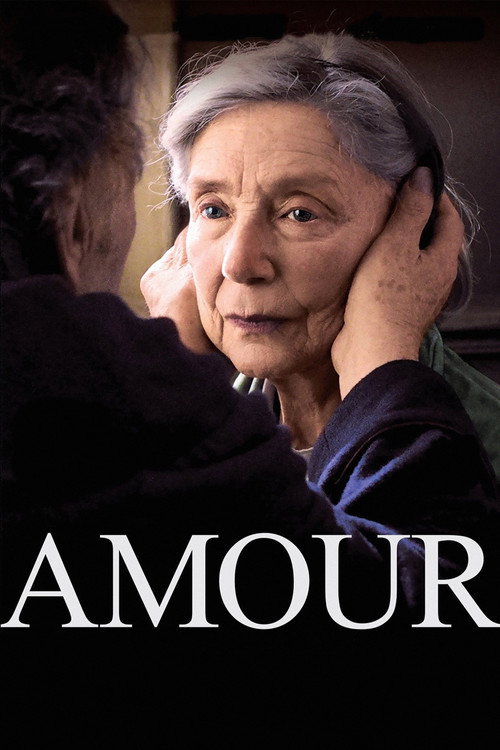
Amour2012
Michael Haneke observes two people in crisis—aging, illness, dependency—with the same unflinching camera Carpignano uses. Both films trust their audience to understand without explanation or music telling us what to feel.
But It's about dying and loss in ways that are genuinely difficult. Not a film you watch for comfort, though many find it ultimately merciful.
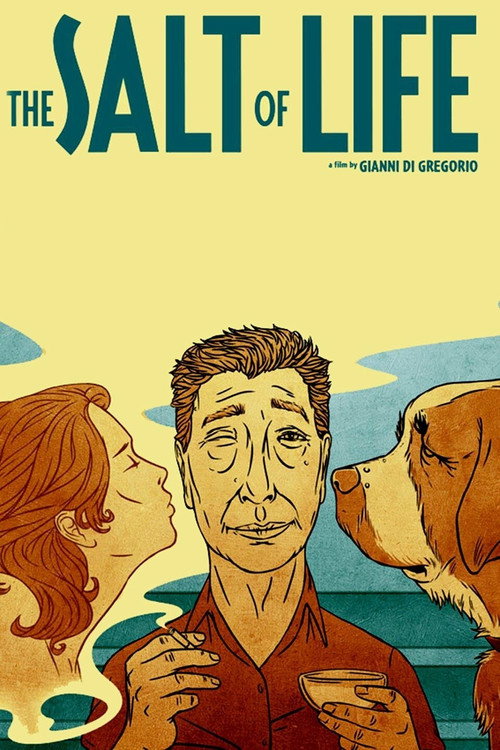
The Salt of Life2011
Marco Tullio Giordana's Sicilian setting and focus on ordinary lives—particularly how immigration changes a small community—shares Mediterranea's geography and social concern, though from a different angle.
But It's a quieter, more contemplative film that moves slowly, and some plot points feel underdeveloped.
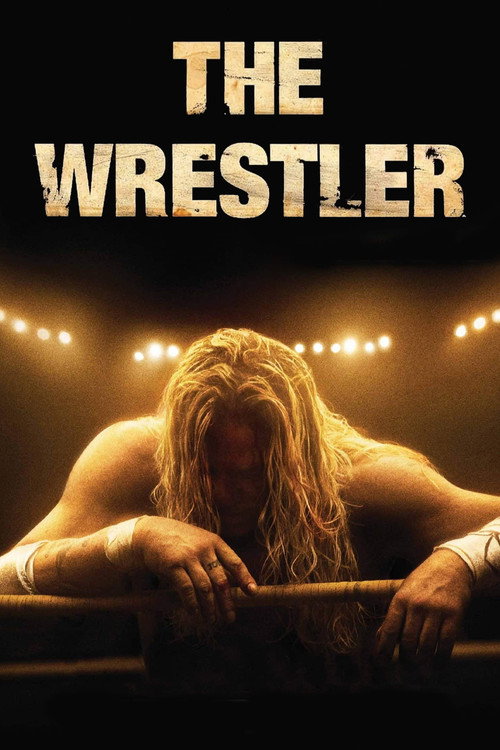
The Wrestler2008
Darren Aronofsky watches a man trying to maintain dignity in a system that won't allow it, with the same clear-eyed focus on the small daily humiliations that make survival complicated. Mickey Rourke's performance is raw and unsentimental.
But It's about American precarity rather than migration, and Aronofsky's style is more stylized than Carpignano's documentary realism.
A Prophet2009
Jacques Audiard's prison film follows a young man's adaptation to a closed system where survival means compromise and reinvention. Like Mediterranea, it's about learning the rules of a place that isn't yours and paying the price for trying.
But It's set in prison rather than the wider world, and some of the violence is graphic. It's also less interested in political context than in individual psychology.

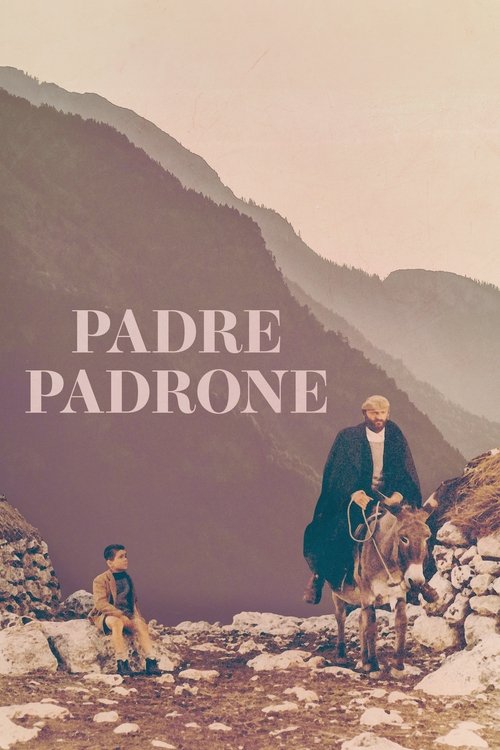
Padre Padrone1977
Both show a protagonist torn between worlds, unable to return and uncertain of staying. Both understand assimilation as loss as much as gain.
Paolo and Vittorio Taviani's film about a Sardinian shepherd boy forced into education and modern life captures the violence of assimilation—being remade by a system indifferent to who you were. In Italian, shot in stark beauty, it's about the same rupture Ayiva experiences.
But It's a 1970s film in Italian with a very different pacing and style. The father-son relationship is brutal in ways that overshadow the migration narrative.
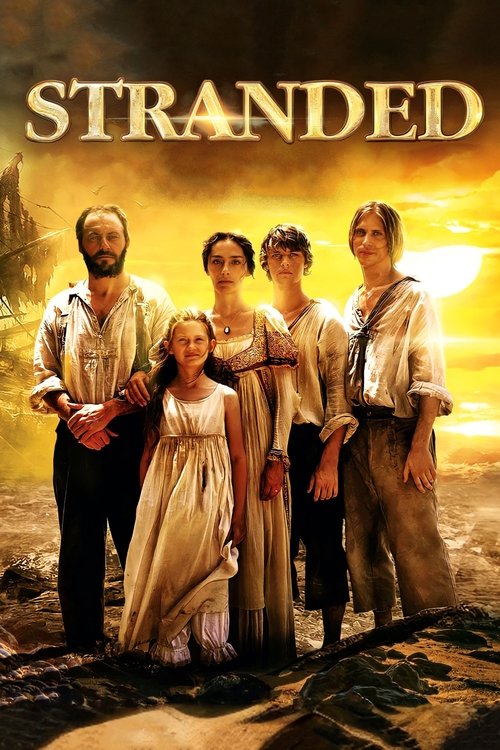
Stranded2002
Both are observational films about migrants in Europe navigating systems designed to exclude them, with the same refusal to explain or judge. Both trust the audience to understand dignity without it being announced.
Erick Zonca's film about immigrants in Brussels, living hand-to-mouth, dealing with a corrupt system and each other. It's rawer and more noir than Mediterranea, but equally invested in showing how people survive the unsurvivable without turning it into uplift or tragedy.
But It's darker and grittier, sometimes brutal. Not beautifully lit or poetic—it looks like a real immigrant's struggle rather than cinema, which some find grim rather than moving.
People
Cast
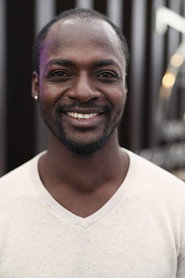 Koudous SeihonAyiva
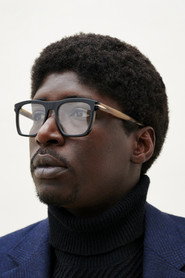 Alassane SyAbas
- Francesco PapasergioMommo
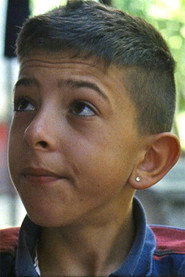 Pio AmatoPio
- Vincenzina SicilianoMarta
Directing
- Jonas CarpignanoDirector
- Gwyn SanniaFirst Assistant Director
- Margot SebanScript Supervisor
Writing
- Jonas CarpignanoWriter
Production
- Juliet BermanCo-Producer
- Brooke BernardExecutive Producer
- Alain PeyrollazProducer
- Andrew KortschakProducer
- Chris ColumbusProducer
- Christoph DanielProducer
- Eleanor ColumbusProducer
- Gwyn SanniaProducer
- Jason Michael BermanProducer
- John LesherProducer
- Jon CoplonProducer
- Justin NappiProducer
- Marc SchmidheinyProducer
- Ryan LoughProducer
- Ryan ZacariasProducer
- Victor ShapiroProducer