
Film
Capernaum
Capernaum is Nadine Labaki's unflinching, near-documentary portrait of childhood in Beirut's slums, anchored by a real street kid's unscripted fury. Framed by a courtroom where a boy sues his own parents for the life they gave him, it moves like a fever dream through poverty, statelessness, and neglect. The performance feels lived rather than acted — but brace for something that offers almost no comfort.
If you liked this
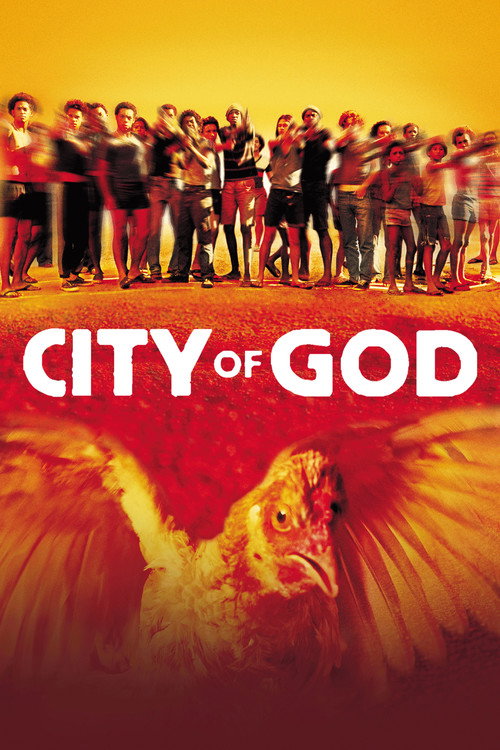
City of God2002
Same feral energy — kids raised by violence and neglect, shot with a camera that never blinks and a soundtrack that makes chaos feel like music. It's the film Capernaum's rawness most closely echoes.
But Its stylised editing and propulsive score make brutality look almost thrilling, which some viewers find at odds with the subject matter.
The Florida Project2017
Poverty seen through a child's eyes, shot with the same non-professional-actor honesty and unbearable tenderness — every colour candy-bright while the adults' lives quietly fall apart around the kids.
But It's slower and more meandering than Capernaum, trading plot momentum for mood and texture; patience required.

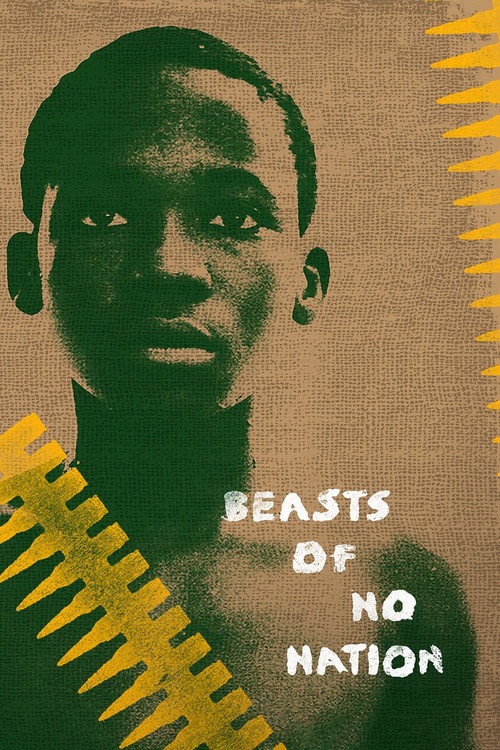
Beasts of No Nation2015
A child forced into an adult's war, carrying violence he never chose — Abraham Attah's performance has the same devastating naturalism that carries Capernaum.
But It's relentlessly grim with none of Capernaum's fleeting warmth or dark humour to break the tension.
The wildcard
Something you would not have found on your own.
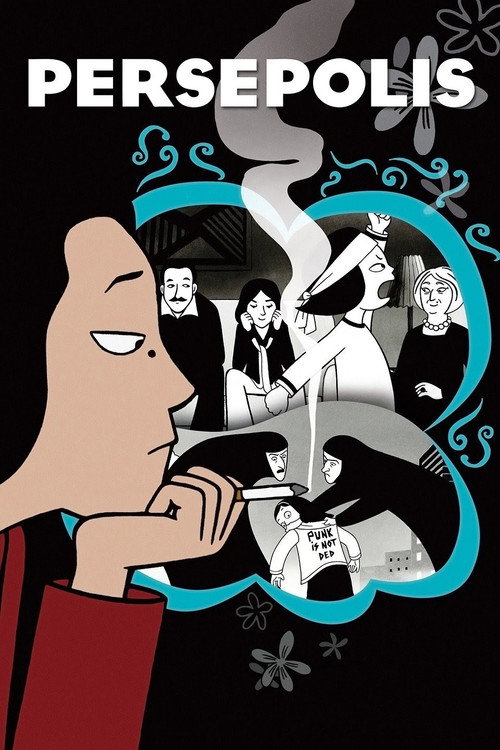
Persepolis2007
Both films hand the storytelling to a child forced to make sense of an adult world collapsing around them, using unconventional means to reach truths straight drama can't.
An animated memoir of growing up during Iran's revolution, seen entirely through a child's eyes — wonder and horror rendered in stark black-and-white line drawings.
But Animation might feel like a strange fit if you're expecting Capernaum's grit; it's gentler, funnier, and more personal in tone.
More like this (7)
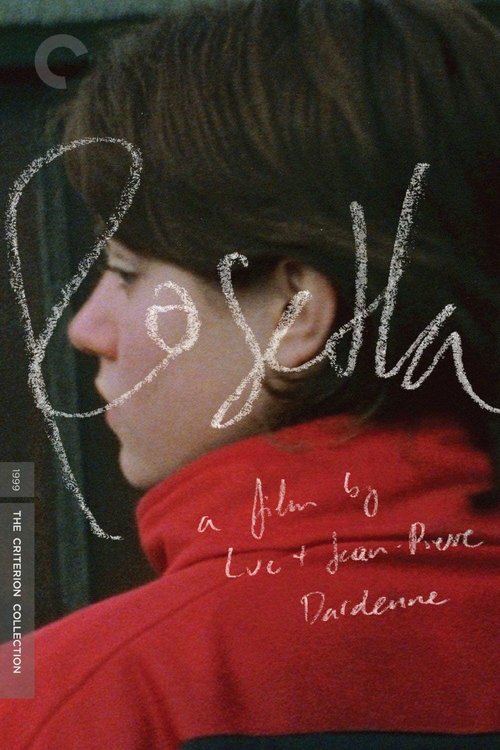
Rosetta1999
The Dardenne brothers' handheld camera follows a teenage girl fighting for survival with the same unglamorous, breathless urgency Labaki brings to Zain's Beirut.
But Almost nothing is explained or softened; it's a tough, austere watch with barely any relief.
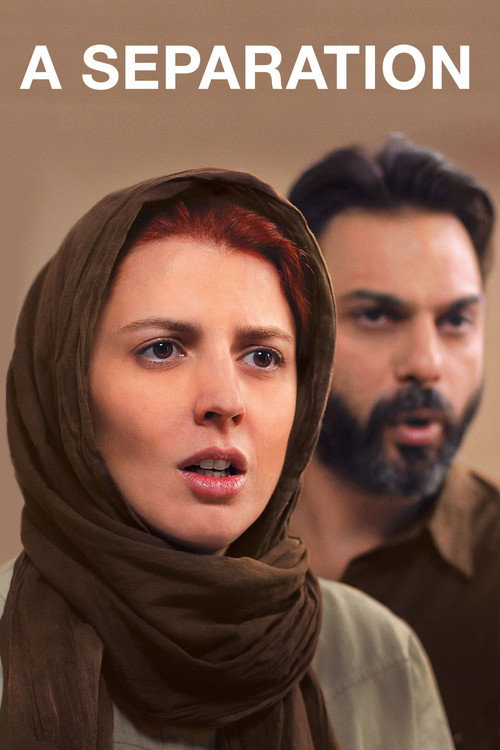
A Separation2011
A masterful moral drama where a legal dispute exposes an entire society's failures, much like Capernaum's courtroom frame turns one family's collapse into an indictment.
But It's quieter and more talky, built on domestic argument rather than street survival — different rhythm entirely.
Wadjda2012no page yet
A determined child pushing against an unjust system, filmed with the same clear-eyed compassion for a place the West rarely sees onscreen.
But Its tone is gentler and more hopeful, without Capernaum's harsher edges of violence and desperation.
Slumdog Millionaire2008
Street kids, slum poverty, a structure that flashes between past and present — it's the more crowd-pleasing cousin of Capernaum's unflinching realism.
But Its romantic, fairy-tale ending is the opposite of Capernaum's refusal to offer comfort.

Lion2016no page yet
A lost child navigating a world of adults who fail or exploit him, built on a true story with real emotional weight.
But It softens into a more conventional, feel-good redemption arc that Capernaum deliberately avoids.
Girlhood2014no page yet
A teenage girl on the margins of Paris finding fierce identity and camaraderie amid poverty and neglect — less devastating, but the same unsparing eye.
But It's more about self-invention than survival, and lacks Capernaum's institutional, systemic outrage.
The Tin Drum1979no page yet
Where Capernaum's boy sues his parents for the crime of his birth, this one simply refuses to grow at all — both turn a child's protest into an indictment of the entire adult order.
A boy in Nazi-era Germany decides, at three, to stop growing — turning childhood itself into rebellion, magical realism standing in for social realism.
But Its allegory is strange and its tone theatrical and grotesque rather than naturalistic; some will find it unsettling rather than moving.
People
Cast
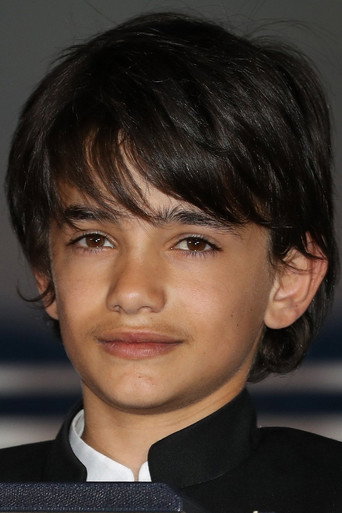 Zain Al RafeeaZain
 Yordanos ShiferaRahil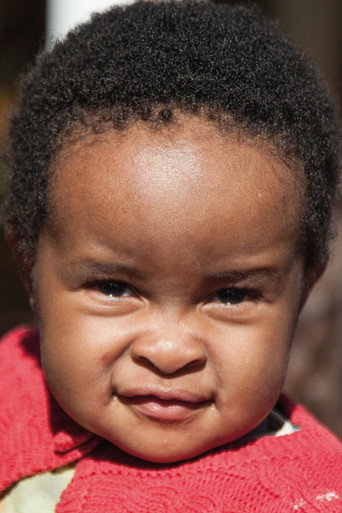
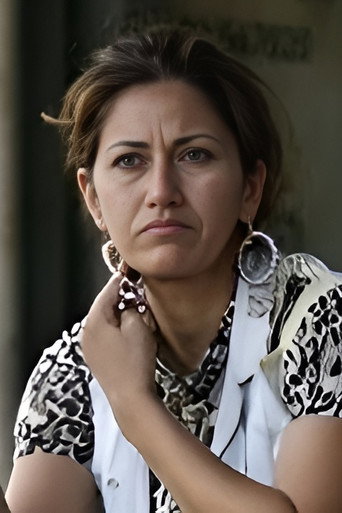 Kawsar Al HaddadSouad
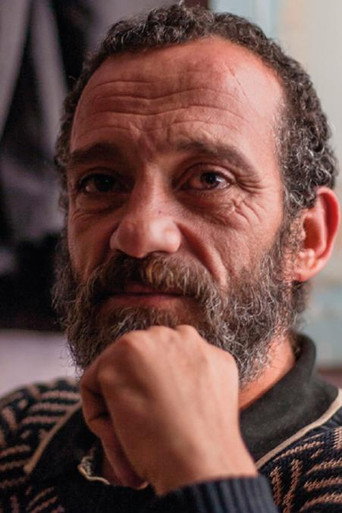 Fadi Kamel YousefSelim
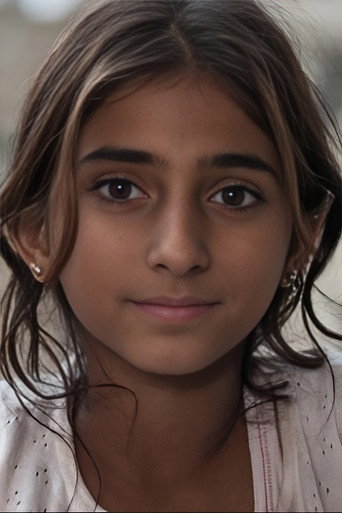 Cedra IzzamSahar
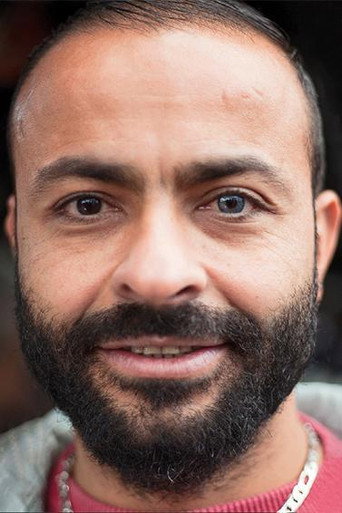 Alaa ChouchniehAspro
- Elias KhouryThe Judge
 Nadine LabakiNadine
- Nour el HusseiniAssaad
- Joseph JimbazianCockroach Man / Harout
- Samira ChalhoubDaad
Directing
- Nadine LabakiDirector
- Toufic KhreichFirst Assistant Director
Writing
- Georges KhabbazWriter
- Jihad HojeilyWriter
- Khaled MouzanarWriter
- Michelle KeserwanyWriter
- Nadine LabakiWriter
Production
- Christine YouakimCasting Associate
- Cynthia SawmaCasting Associate
- Ghina El HachemCasting Associate
- Jennifer HaddadCasting Director
- Pierre SarrafCo-Producer
- Akram SafaExecutive Producer
- Anne-Dominique ToussaintExecutive Producer
- Antoine KhalifeExecutive Producer
- Assaad DebsExecutive Producer
- Ayla RizkExecutive Producer
- Candice Abela-MikatiExecutive Producer
- Chady Eli MattarExecutive Producer
- Danny GloverExecutive Producer
- Fouad MikatiExecutive Producer
- Georges SarrafExecutive Producer
- Jason KliotExecutive Producer
- Joana VicenteExecutive Producer
- Joslyn BarnesExecutive Producer
- Ray BarakatExecutive Producer
- Samer RizkExecutive Producer
- Susan RockefellerExecutive Producer
- Sylvio Sharif TabetExecutive Producer
- Wissam SmayraExecutive Producer
- Elie ZiadéGeneral Manager
- Marianne KatraLine Producer
- Pierre SarrafLine Producer
- Khaled MouzanarProducer
- Michel MerktProducer
Recommended by
Human Flow, Nobody Knows, Dheepan, A Separation, Shoplifters, Salaam Bombay!, Flee