
Film
Io Capitano
Io Capitano follows two Senegalese teenagers crossing the Sahara and Mediterranean toward Italy in search of a better life. Director Matteo Garrone crafts a visceral, unflinching portrait of migration that never cheapens suffering into spectacle. It's a film about friendship, desperation, and the grinding cost of hope—essential viewing that demands something from you.
Should you watch it?
Watch it if you want a migration story told through the eyes of two teenagers, where the wonder and dread of the journey feel equally close and the camera stays with them through every humiliation.
Skip it if you need a brisk plot or a clear arc, since this moves episodically and its hardship rarely lets up for long.
What it asks of you: Just over two hours of patient attention, and a willingness to sit with hardship longer than is comfortable, as the story moves through one ordeal after another rather than toward a neat point.
Not sure? Find tonight's pick in a minute.
If you liked this
Moonlight2016
A portrait of identity and survival across three timelines, told with visual poetry and intimate restraint. Like Io Capitano, it finds profound humanity in lives society overlooks, building toward devastating emotional clarity.
But Its quietness can feel slow if you're expecting narrative momentum. Some find its fragmented structure challenging on first viewing.

The Florida Project2017
Sean Baker documents childhood poverty with such tenderness and specificity that it becomes a love letter to resilience. Both films refuse pity while showing exactly what desperation looks like from the inside.
But The handheld realism can feel deliberately unglamorous. Its ending is heartbreaking in ways that linger uncomfortably.

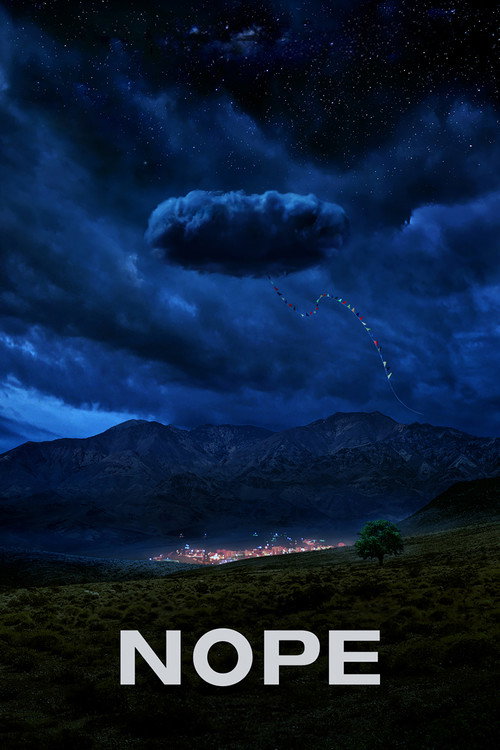
Nope2022
Jordan Peele uses genre language to explore labor, spectacle, and who gets seen. Like Io Capitano, it's formally inventive cinema about characters fighting to be recognized as fully human by a world that treats them as content.
But It's science fiction, not a direct thematic match. Some viewers find its ambiguity frustrating rather than enriching.
Not sure tonight? Get a pick in a minute, starting from Io Capitano
The wildcard
Something you would not have found on your own.
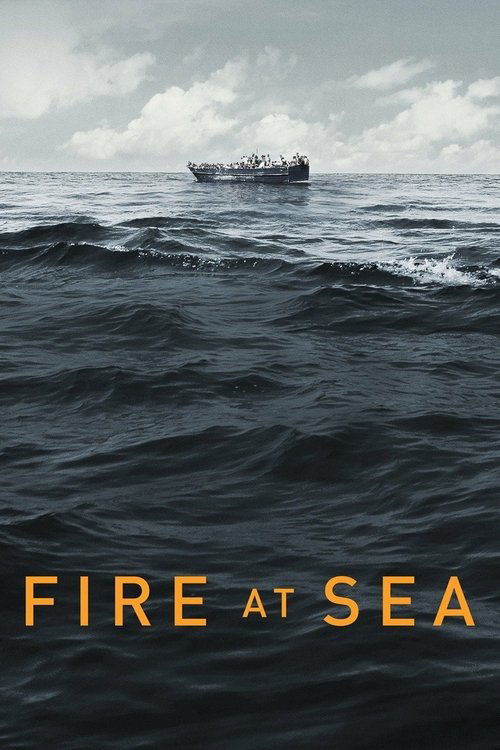
Fire at Sea2016
Both examine migration and Mediterranean crossing from fundamentally different formal approaches, yet arrive at the same moral reckoning about human value.
Gianfranco Rosi's documentary observes Mediterranean migration from a Sicilian island with patient, non-judgmental cinema. It's not about individual stories like Io Capitano—it's about systems and indifference—but the two films form a necessary conversation about what we choose to see and ignore.
But It's a documentary without interviews or score, structured observationally. If you want character-driven narrative, its glacial pacing and structural abstraction will feel distant and cold.
More like this (8)
Memoria2021
Apichatpong Weerasethakul's meditative film about displacement and memory moves at its own pace, trusting viewers to sit with mystery. Both films prioritize sensory experience over conventional plot mechanics.
But It's deliberately paced and abstract. If you need clear narrative resolutions, this will feel like watching paint dry.

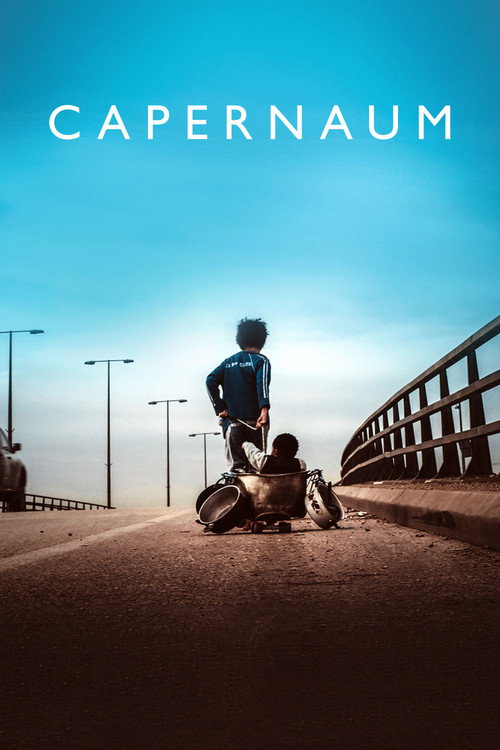
Capernaum2018
Nadine Labaki captures the resourcefulness and brutality of childhood in systemic poverty with unflinching compassion. It shares Io Capitano's refusal to sentimentalize survival or offer easy moral comfort.
But Its child protagonist's graphic suffering may be hard to watch. The film doesn't soften its depiction of exploitation for audience comfort.
The Worst Person in the World2021
Joachim Trier's film about searching for direction and meaning across borders has the same attentive observation of human connection. Both explore how geography shapes destiny and how we navigate impossible choices.
But It's a romantic comedy-drama about a privileged Norwegian woman, not a migration narrative. The tonal lightness may feel incongruent if you want Io Capitano's moral weight.

Aftersun2022
Charlotte Wells creates devastating intimacy through small gestures and unspoken pain. Both films understand that survival and love exist in the same moment, that hope and heartbreak aren't opposites.
But It's elliptical and emotionally oblique. Viewers wanting explicit clarity about what characters feel may find it frustratingly withholding.

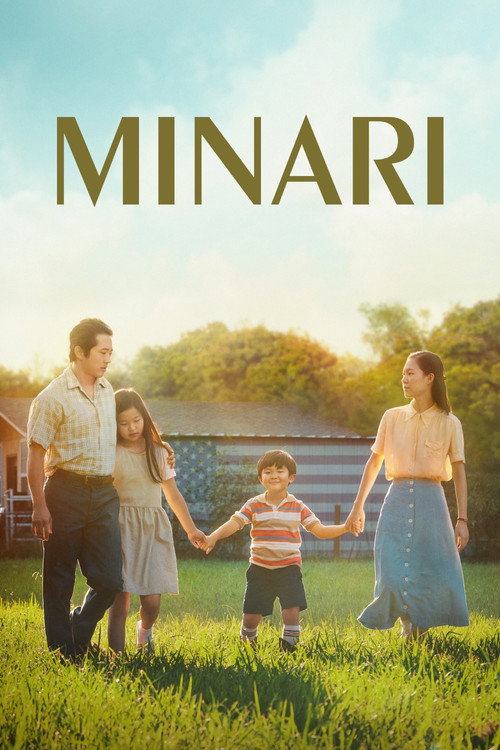
Minari2021
Lee Isaac Chung's portrait of Korean-American family ambition captures the specific architecture of diaspora dreams and sacrifices. Both films center on migration without reducing migrants to victimhood.
But It's a multigenerational family drama set in Arkansas, not a survival journey. Its register is quieter, more domestic than Io Capitano's intensity.
Come and See1985
Elem Klimov's film about a boy confronting war's apocalyptic reality is perhaps cinema's most complete portrait of innocence destroyed. Both films refuse to look away from what trauma actually costs.
But It's a Soviet war film from 1985 and possibly the most horrifying film ever made. Its nihilism is absolute; some viewers find it unwatchable rather than meaningful.

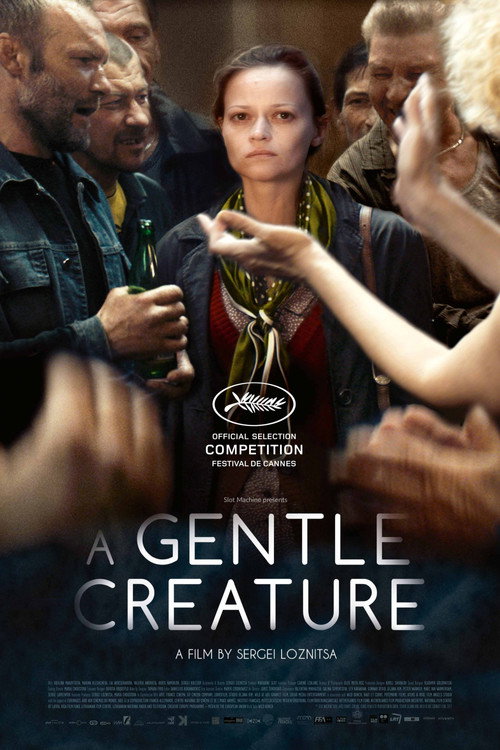
A Gentle Creature2017
Both use precise, unadorned formal language to show how institutional systems and geography conspire to crush individual human hope.
Sergei Loznitsa's film about a widow trying to retrieve her imprisoned husband's money is formally stark and geometrically composed. Its portrait of bureaucratic indifference and impossible choices across a fractured post-Soviet landscape mirrors Io Capitano's exploration of systems that grind ordinary people into desperation.
But It's a slow, austere Eastern European art film in Russian. Its visual coldness and refusal of emotional catharsis may feel punitive rather than illuminating.
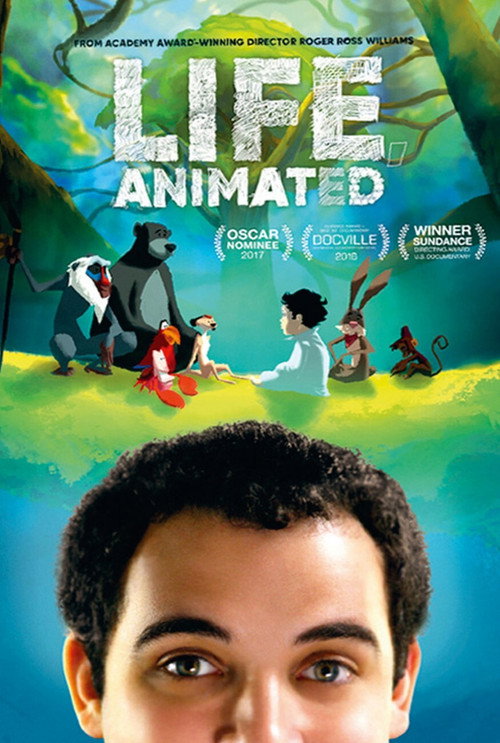
Life, Animated2016
Both understand that imagination, friendship, and finding your voice are survival mechanisms as essential as food or water.
Roger Ross Williams' documentary about a nonspeaking autistic man who communicates through animated Disney films is jubilant, inventive, and structurally playful. It shares Io Capitano's faith in human connection and imagination as survival tools, but approaches the subject with visual invention and joy rather than gravity.
But It's a documentary, not a narrative film. Its focus on animation and communication might feel tonally distant from Io Capitano's realist aesthetic and serious subject matter.
People
Cast
 Seydou SarrSeydou
 Moustapha FallMoussa
 Issaka SawadogoMartin
 Hichem YacoubiAhmed
- Doodou SagnaCharlatan
- Khady SySeydou's Mother
- Venus GueyeSeydou's Sister
- Cheick Oumar DiawSisko
- Joe LassanaPassport Man
- Mamadou SaniPolice Officer at Niger Border
 Bamar KaneBouba
- Beatrice GnonkoFlying Woman
Directing
- Matteo GarroneDirector
- Benedetta BarroeroFirst Assistant Director
- Hamza BoumalkiFirst Assistant Director
- Théo RichardSecond Assistant Director
Writing
- Andrea TagliaferriWriter
- Massimo CeccheriniWriter
- Massimo GaudiosoWriter
- Matteo GarroneWriter
Production
- Constance DemontoyCasting
- Didier NjikamCasting
- Francesco VedovatiCasting
- Lucie LlopisCasting Assistant
- Ardavan SafaeeCo-Producer
- Joseph RouschopCo-Producer
- Andrea PalliniData Management Technician
- Ivan FerrandesLocation Manager
- Matteo GarroneProducer
- Paolo Del BroccoProducer
- Stefano PuglisiProduction Manager