
Film
Hotel Mumbai
- Action thriller
- Crime
- Action
- Very dark
A visceral reconstruction of the 2008 Mumbai terror attacks, focused on the Taj Mahal Palace Hotel where staff and guests become unlikely allies in survival. Director Anthony Maras crafts a tense, human-scaled thriller that honors real heroism without glorifying violence. It's gripping but not exploitative, angry but clear-eyed about the cost of terrorism.
Should you watch it?
Watch it if you want a siege film that stays inside the hotel with its staff and guests, rendering the fear and improvised courage of ordinary people as tightly and unflinchingly as a well-built thriller.
Skip it if you need some breathing room between tense moments, since it rarely lets up, and its bleak, real-world subject may feel too raw to sit through in one sitting.
What it asks of you: Around two hours with no real rest, its shape is relentless and claustrophobic, so you should be ready to stay locked in the hallways and rooms with it.
Not sure? Find tonight's pick in a minute.
If you liked this
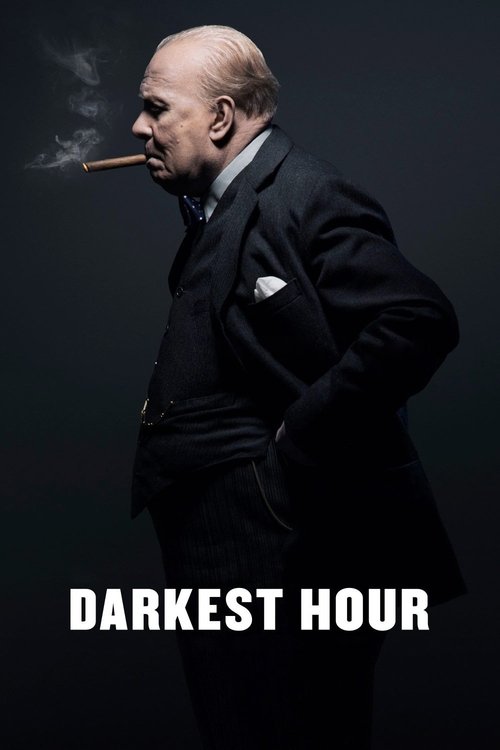
Darkest Hour2017
Gary Oldman as Churchill navigating impossible decisions under siege. Like Hotel Mumbai, it's about leadership emerging from ordinary people in extraordinary pressure, told with period specificity and moral weight.
But Slower-paced and more dialogue-heavy than the hotel attack sequences. If you want constant forward momentum, this will feel deliberate.
United 932006
Paul Greengrass's real-time account of passengers resisting their hijackers. Same unflinching approach to a terror event, same focus on ordinary people's courage rather than spectacle or sentimentality.
But Relentlessly claustrophobic and bleak. There's no catharsis or heroic music—just the weight of what actually happened.

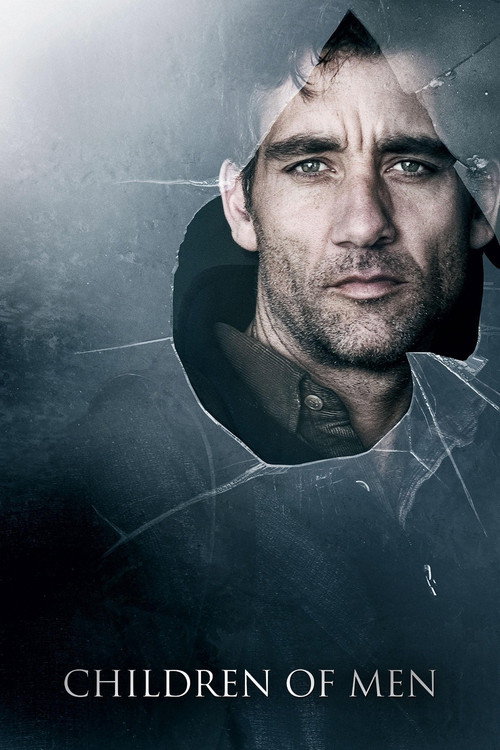
Children of Men2006
A world in collapse told through long, unbroken takes that make you feel the danger viscerally. Like Hotel Mumbai, it refuses to cut away from difficult moments, trusting you to sit with the dread.
But Science fiction, so the immediate specificity is different. Some find the bleakness punishing rather than clarifying.
Not sure tonight? Get a pick in a minute, starting from Hotel Mumbai
The wildcard
Something you would not have found on your own.
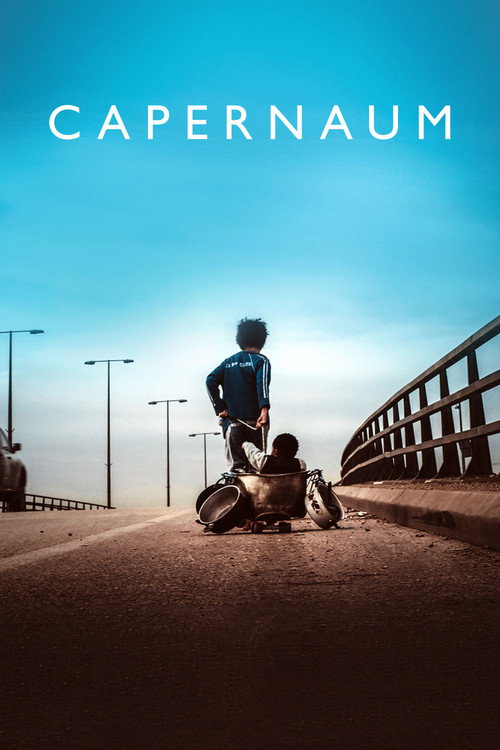
Capernaum2018
Both films examine how ordinary people survive systems designed to destroy them, and both refuse to offer comfortable distance from that survival.
Lebanese director Nadine Labaki's epic of poverty and survival in Beirut. Like Hotel Mumbai, it's set in a Middle Eastern city under siege—but siege by poverty, not bullets. Same moral urgency, opposite scale. A 12-year-old boy sues his parents for bringing him into existence.
But Misery is relentless and the realism is almost documentary. Nothing is softened for Western viewers; the language is blunt about how the world fails the powerless.
More like this (8)
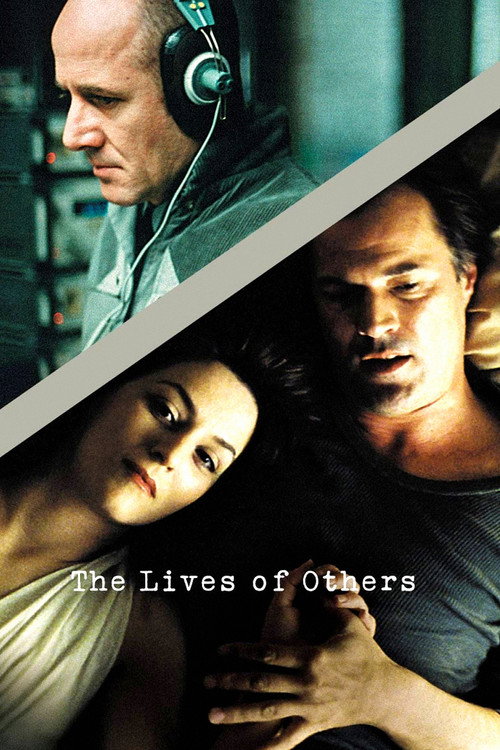
The Lives of Others2006
Surveillance and moral choice under totalitarian pressure. East German Stasi, not terrorism, but the same examination of ordinary people forced into extraordinary ethical positions, shot with the same quiet intensity.
But Slow build with a lot of waiting. The payoff is internal and philosophical, not action-driven.
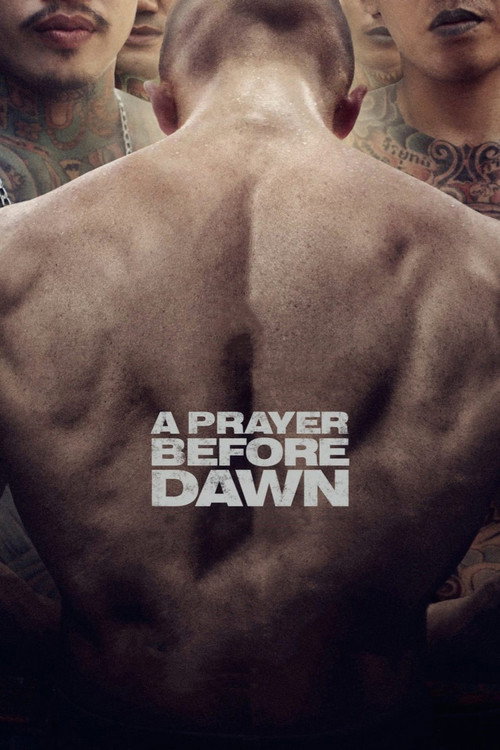
A Prayer Before Dawn2018
Joe Cole as a boxer surviving prison in Thailand. Real location, real stakes, focused on one man's endurance through violence and threat. Same gritty refusal to soften the reality.
But Extremely brutal fight sequences and sexual violence. The film doesn't flinch from depicting trauma, which can be harder to watch than Hotel Mumbai's terror scenes.
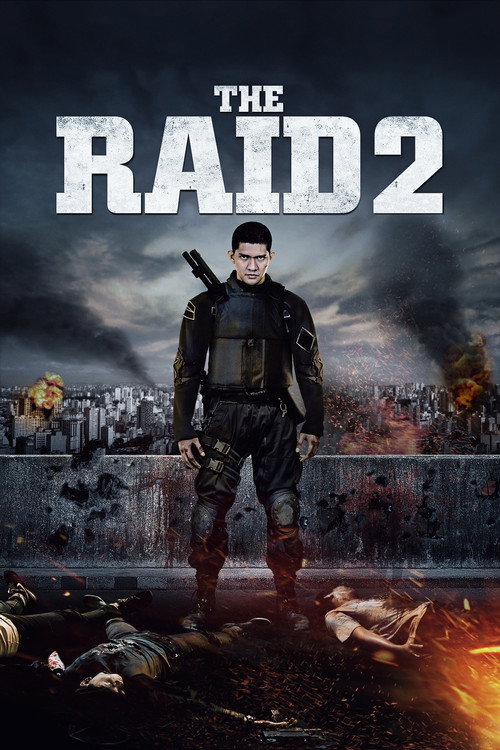
The Raid 22014
A prison siege with jaw-dropping action choreography. If you loved the tactical clarity of Hotel Mumbai's sequences, this escalates that into nearly balletic combat, shot with the same commitment to coherence.
But Plot takes a distant second to action. The story is thin scaffold for showcase set-pieces, and dialogue is minimal.
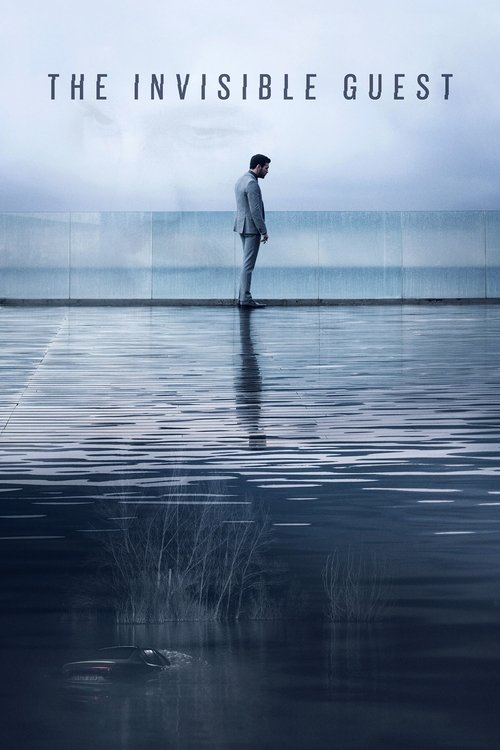
The Invisible Guest2017
Spanish thriller about an accused man in a locked room with accusers closing in. Taut, twisty, and structured like a pressure cooker—same sense of walls closing in, different arena.
But Heavily dependent on its big reveal. A second watch loses its power, and the twist will likely infuriate or delight you in ways that don't leave room for middle ground.
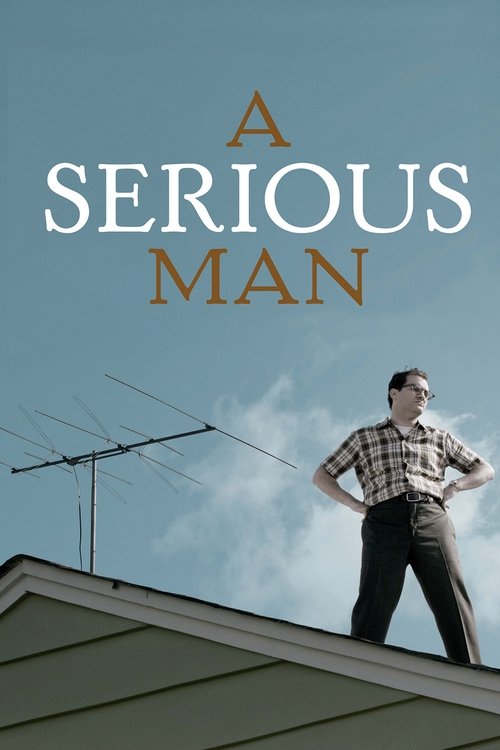
A Serious Man2009
Coen Brothers film about a man watching his world collapse through forces beyond his control. Philosophically serious about suffering and powerlessness, but set in suburban American mundanity instead of active danger.
But Deliberately frustrating and unresolved. If you need narrative satisfaction or answers, this will feel like a provocation rather than a story.
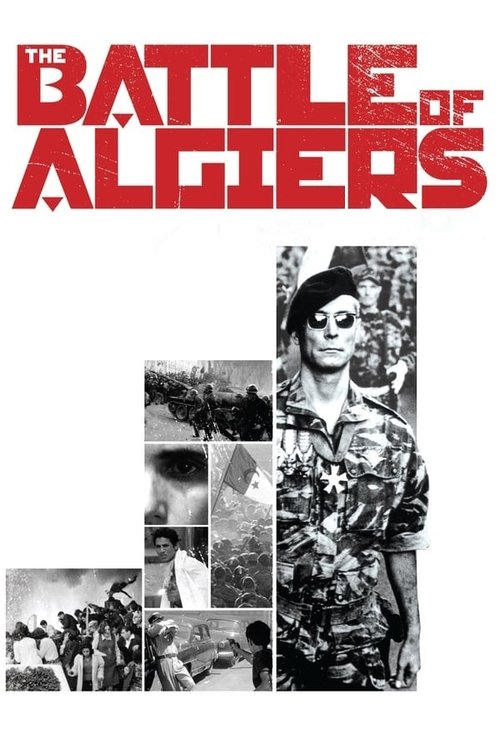
The Battle of Algiers1966
Seminal account of colonial insurgency shot like a documentary, teaching you to see urban warfare as a labyrinth. Historical ancestor of how modern thrillers depict tactics and ideology in conflict.
But Shot in black-and-white in 1966 and it shows. The pacing is 1960s measured, not 2020s kinetic. Some find it slow and didactic.
Possum2018
Both use confined spaces and the presence of strangers as psychological weapons. Where Hotel Mumbai is action under pressure, Possum is paranoia and past trauma made spatial and inescapable.
Matthew Needham as a man returning to his hometown with a disturbing puppet, pressured by figures from his past. A low-budget British psychological thriller about menace building in ordinary spaces. Less action than Hotel Mumbai but same dread, same sense of violation spreading.
But Deliberately obscure and bleak. The puppet is unsettling by design, and the film withholds clarity about what's real and what's projection until it's too late.

The Act of Killing2012
Both grapple with terrorism's cost and its human dimension—not victims versus monsters, but the way atrocity reshapes everyone it touches. One shows survival, the other shows perpetration; both refuse sentimentality.
Documentary in which Indonesian death-squad commanders recreate their own murders on camera, sometimes giddy, sometimes unraveling. A jaw-dropping interrogation of how perpetrators justify atrocity and how cinema itself can mirror ideology. Nothing like Hotel Mumbai in form, everything like it in moral seriousness.
But Watching men describe and enact killings they committed is ethically crushing. The film demands you sit with complicity and the limits of understanding, with no resolution. Not cathartic.

People
Cast
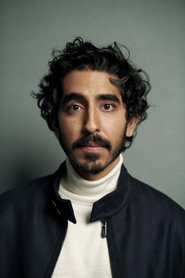 Dev PatelArjun
 Armie HammerDavid
 Nazanin BoniadiZahra
 Tilda Cobham-HerveySally
 Anupam KherChef Hemant Oberoi
 Jason IsaacsVasili Orchevsky
 Suhail NayyarAbdullah
 Amandeep SinghImran
- Manoj MehraHoussam
- Dinesh KumarRashid
- Kapil Kumar NetraKasab
- Amriptal SinghIsmail
Directing
- Anthony MarasDirector
Writing
- Anthony MarasScreenplay
- John ColleeScreenplay
Production
- Ann FayCasting
- Leigh PickfordCasting
- Trishaan SarkarCasting
- Barbara GibbsCo-Producer
- Brian HayesCo-Producer
- Anand TharmaratnamExecutive Producer
- Andrea QuesnelleExecutive Producer
- Anthony MarasExecutive Producer
- Bryce MenziesExecutive Producer
- Catherine ProsserExecutive Producer
- Dev PatelExecutive Producer
- Gary EllisExecutive Producer
- Joan PetersExecutive Producer
- John ColleeExecutive Producer
- Jonathan FuhrmanExecutive Producer
- Joseph Newton CohenExecutive Producer
- Kent KubenaExecutive Producer
- Manraj S. SekhonExecutive Producer
- Mark MontgomeryExecutive Producer
- Masaaki TanakaExecutive Producer
- Min-Li TanExecutive Producer
- Natalya PavchinskayaExecutive Producer
- Richard ToussaintExecutive Producer
- Ryan HamiltonExecutive Producer
- Ying YeExecutive Producer
- Andrew OgilvieProducer
- Basil IwanykProducer
- Gary HamiltonProducer
- Jomon ThomasProducer
- Julie RyanProducer
- Mike GabrawyProducer