
Film
The White Balloon
A five-year-old girl is sent to buy a goldfish for the new year, clutching coins from her mother. What should be simple becomes an odyssey through Tehran's streets as she encounters con artists, kind strangers, and the small humiliations of being small in a big city. Kiarostami's film finds profound grace in ordinary moments—a masterclass in watching rather than explaining.
Should you watch it?
Watch it if you like small, observant films where a child's stubborn logic carries the whole story, and where the street-level details of a city do more work than any set piece.
Skip it if you want momentum, since much of this is a patient walk through crowds and small errands, and a child's mounting frustration can wear thin.
What it asks of you: The pace is unhurried for about an hour and a half: the camera stays close to a small girl, waiting while adults argue around her.
Not sure? Find tonight's pick in a minute.
If you liked this
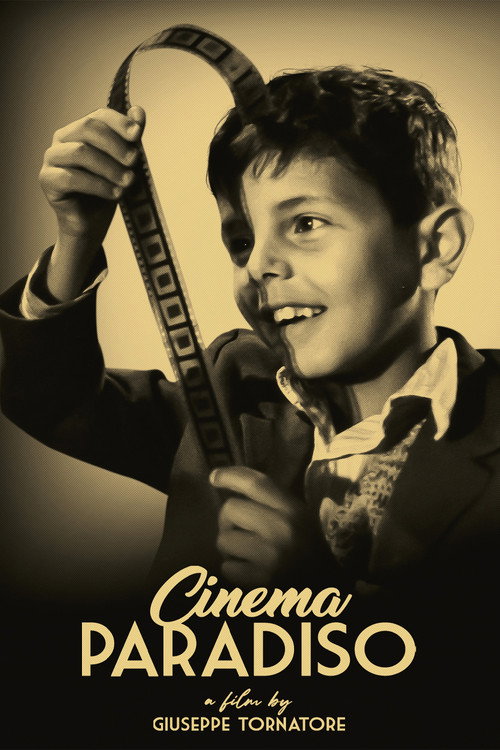
Cinema Paradiso1988
A love letter to cinema and childhood memory, following a boy's devotion to a projectionist across decades. Like The White Balloon, it understands how small moments accumulate into a life, and finds poetry in simple human connection.
But Sentimental in places, and the ending divides viewers sharply. Some find it moving; others find it manipulative.
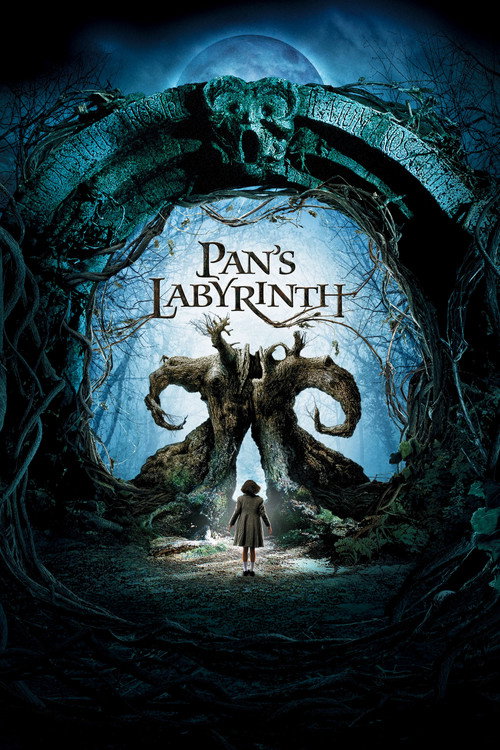
Pan's Labyrinth2006
A girl navigates a dangerous world—both literal and magical—during Spanish Civil War. It shares The White Balloon's gift for seeing the world through a child's eyes without condescension, mixing wonder with real peril.
But Gruesome violence and body horror. This is not a children's film despite its fairy-tale surface. Genuinely disturbing in places.
Bicycle Thieves1948
A father and son search Rome for a stolen bicycle. Italian neorealism at its finest—moral complexity wrapped in a simple plot, the extraordinary found in the everyday. The emotional architecture resembles Kiarostami's completely.
But No plot twists, no catharsis, no answers. The sadness accumulates quietly. Some viewers find this frustrating rather than moving.

Not sure tonight? Get a pick in a minute, starting from The White Balloon
The wildcard
Something you would not have found on your own.
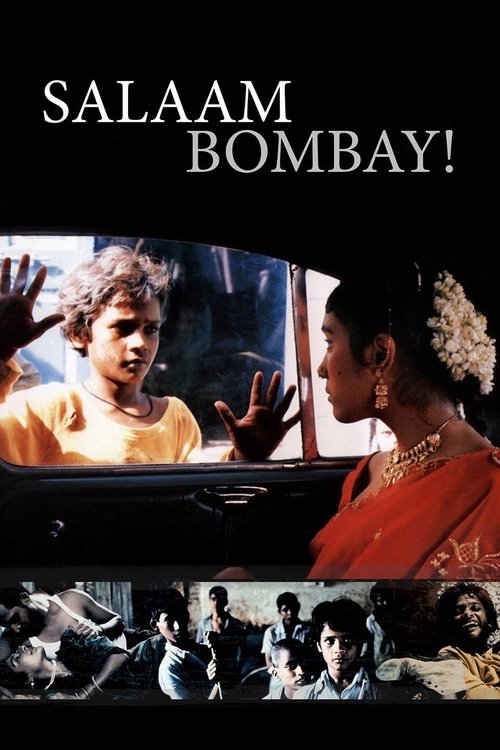
Salaam Bombay!1988
Both films trust the viewer to understand a child's inner life without narration or explanation. Both refuse easy pathos while remaining profoundly compassionate about systemic harm.
Street children in Mumbai navigate survival, addiction, exploitation, and rare friendship. Made by Mira Nair (not Iranian, not from the '90s realist school), it shares Kiarostami's refusal to sentimentalize childhood poverty and his faith in observation over explanation.
But Harrowing. Children using and selling drugs, abuse, trafficking. The style is neorealist but the subject matter is relentlessly dark. Some feel it exploits real suffering for aesthetic purposes.
More like this (8)
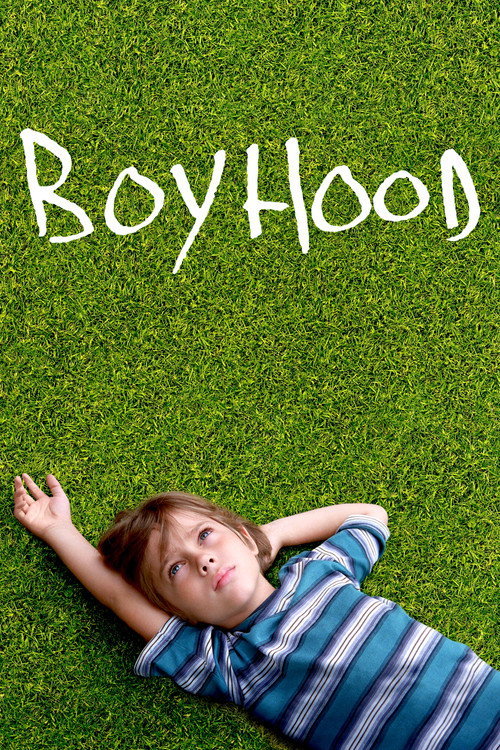
Boyhood2014
Shot over twelve years, we watch a boy grow from six to eighteen. It shares The White Balloon's patience with duration and dailiness—the belief that time itself is the subject, not just what happens in time.
But Three hours of deliberately uncinematic storytelling. People genuinely fall asleep. The novelty of the twelve-year shoot matters more to critics than the actual film.
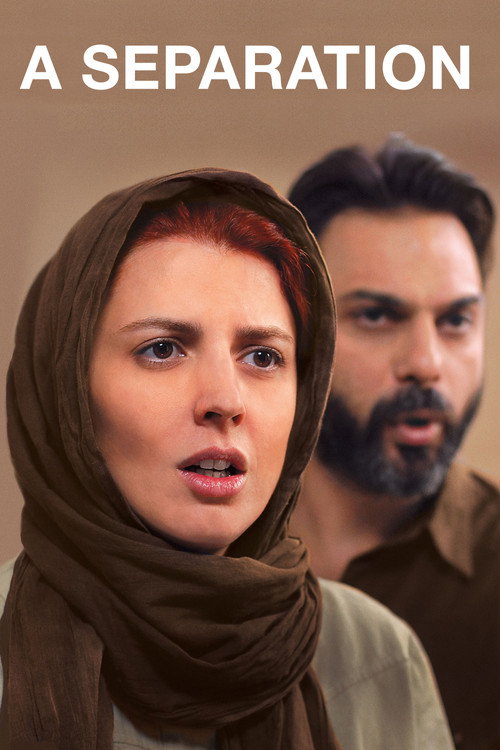
A Separation2011
An Iranian family fractures over conscience and compromise. Made by another Iranian master, it has The White Balloon's ability to complicate morality—no one is simply right or wrong, and the system itself is the antagonist.
But Bleak and exhausting. The legal and moral tangles never resolve; they just exhaust everyone involved, including the viewer.
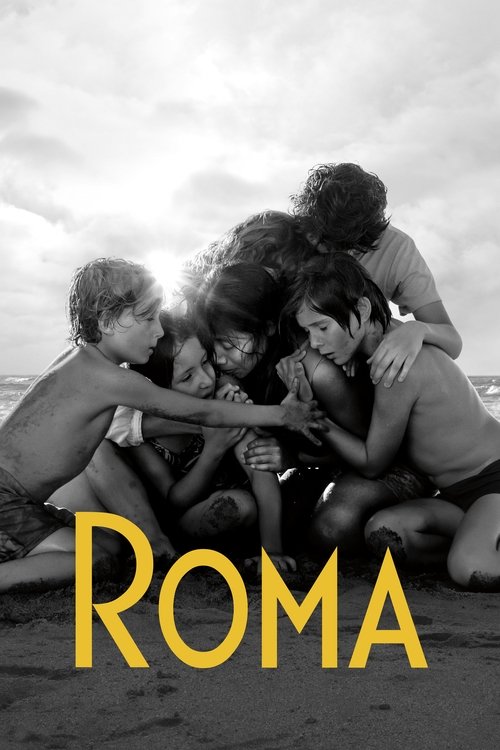
Roma2018
A year in a Mexico City household, 1970–71, told through the eyes of a housekeeper. Black-and-white, observational, built from texture and time rather than plot. The patient gaze on ordinary life echoes Kiarostami profoundly.
But Deliberately paced to the point of stasis for some. No conventional narrative momentum. Netflix-and-actual-cinema tone clash for some viewers.
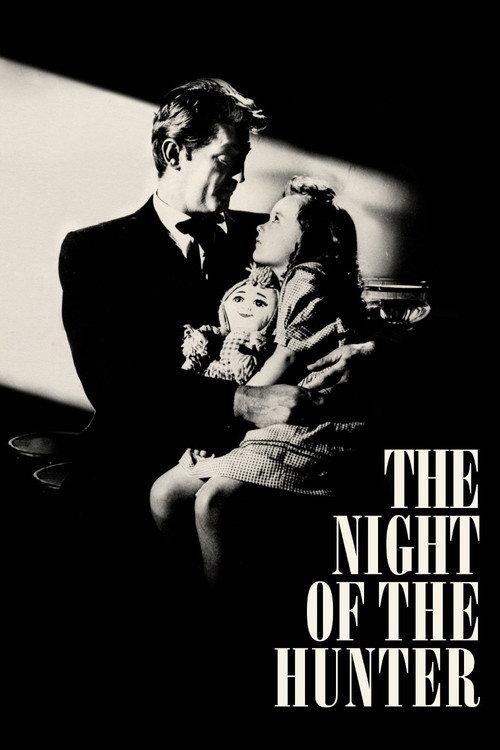
The Night of the Hunter1955
A con man pursues two children through Depression-era America. Like The White Balloon, it understands children's vulnerability and perception acutely, though it uses that understanding for noir rather than neorealism.
But A visual and tonal oddity for 1955—theatrical, expressionist. Can feel arch or dated depending on your tolerance for artifice.
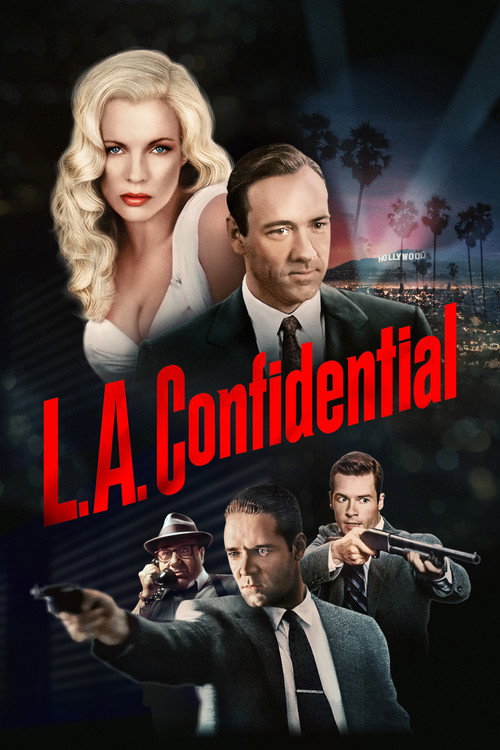
L.A. Confidential1997
Corrupt cops, false accusation, moral compromise in 1950s Los Angeles. A genre film, yes, but built on the same observation of how systems crush individuals that animates The White Balloon's critique.
But Very American, very much of the '90s. If you want Kiarostami's patience and space, this is taut and driven—the opposite register.
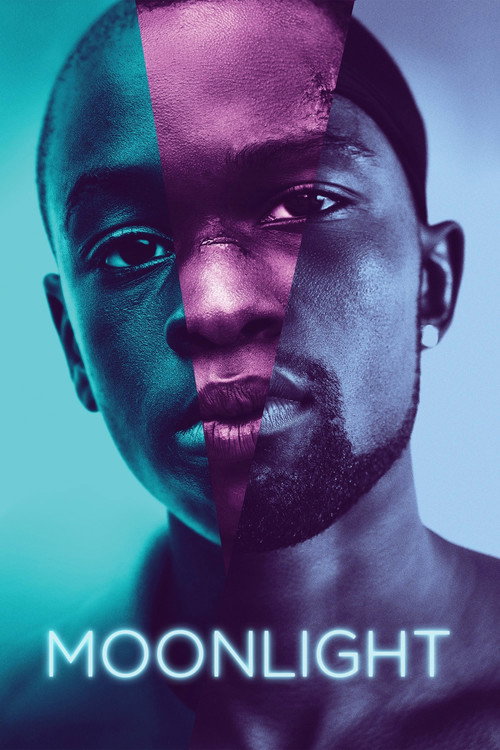
Moonlight2016
Three snapshots of a Black man's life in Miami, from boyhood to adulthood. Like The White Balloon, it finds beauty and dignity in observation, and understands how small gestures carry the weight of everything unspoken.
But Slow, sensory, without plot momentum in the traditional sense. If you want story beats, you'll be frustrated.
Stalker1979
Both understand that the journey is the content. Both trust duration and observation over narrative surprise. Both believe cinema can work by what it withholds.
A guide leads two men through a mysterious zone toward a room that supposedly grants wishes. A Soviet metaphysical essay that moves at The White Balloon's unhurried pace but aims for philosophy instead of streetlife. Tarkovsky's patient camera finds transcendence in waiting.
But 163 minutes of philosophical science fiction with minimal plot and no payoff. Hypnotic for some; torturous for others. Requires absolute surrender to a very specific vision of cinema.

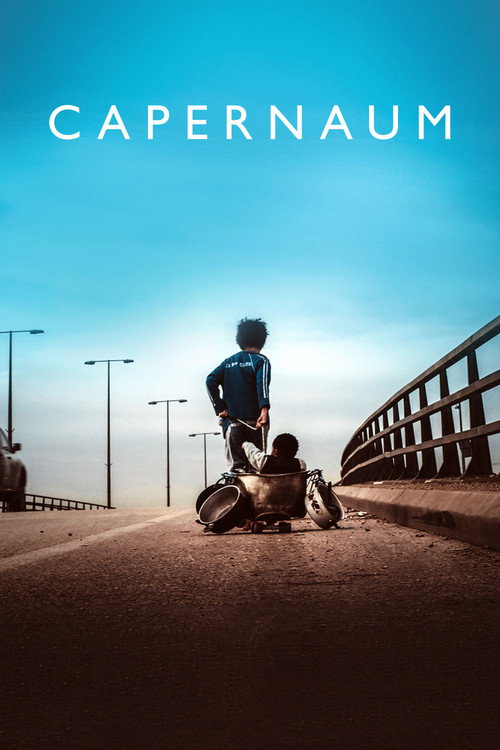
Capernaum2018
Both center an uncomprehending child navigating systems designed to exploit them. Both ask whether innocence survives contact with the world, and what we owe those it doesn't.
A streetwise Lebanese boy, tired of suffering, sues his parents. Raw, angry, sprawling—a very different tone from The White Balloon's gentleness, but built on the same conviction that a child's perspective on systemic injustice is not naive but clarifying.
But Formally chaotic, narratively messy, deliberately provocative about class and immigration. The style matches the chaos described. Some viewers find it self-righteous or manipulative.
People
Cast
- Aida MohammadkhaniRazieh
 Fereshteh Sadr OrafaeeMother
- Anna BorkowskaOld Lady
- Mohammad ShahaniSoldier
- Mohammad BakhtiarTailor
- Aliasghar SmadiBalloon Seller
- Hamidreza TaheryReza
- Asghar BarzegarPet Shop Manager
- Hasan NeamotolahiSnake Charmer
- Bosnali BaharySnake Charmer
- Mohammadreza BaryarClient in Tailor's Shop
Directing
- Behrouz Hamed SaberiAssistant Director
- Parviz ShahbaziAssistant Director
- Jafar PanahiDirector
Writing
- Jafar PanahiStory
- Parviz ShahbaziStory
- Abbas KiarostamiWriter
Production
- Foad NourCo-Executive Producer
- Kurosh MazkouriProducer
Recommended by
The Kid with a Bike, The Devil's Double, Turtles Can Fly, Osama, The Song of Sparrows, Tharlo, Ash Is Purest White, Blackboards