
Film
Lamb
Other titles called Lamb: the 2021 film.
A quietly devastating Ethiopian drama about a boy, his sheep, and the unbridgeable distance between love and survival. Shot in luminous natural light with a cast of non-professionals, it observes rural life without sentimentality while building toward an ending that breaks you because it feels inevitable. For anyone moved by intimate, morally complex stories about childhood and belonging.
Should you watch it?
Watch it if you are drawn to quiet, observant films where a child's bond with an animal carries the emotional weight, and you don't mind sitting with unhurried scenes of everyday life.
Skip it if the pace is slow and the story unfolds through mood and observation rather than plot, so if you want momentum or a tidy dramatic arc, this will frustrate you.
What it asks of you: Under ninety-five minutes, with long still takes and sparse dialogue, it asks for patience and close watching far more than it spells out its feelings.
Not sure? Find tonight's pick in a minute.
If you liked this
A Prophet2009
A young man enters a closed world—prison instead of rural Ethiopia—and discovers how quickly adaptation means becoming someone else. Like Lamb, it's a precise portrait of powerlessness dressed as coming-of-age, with an ending that haunts.
But French-language, subtitled, and deliberately paced. Prison brutality scenes are unflinching and genuinely difficult to watch.

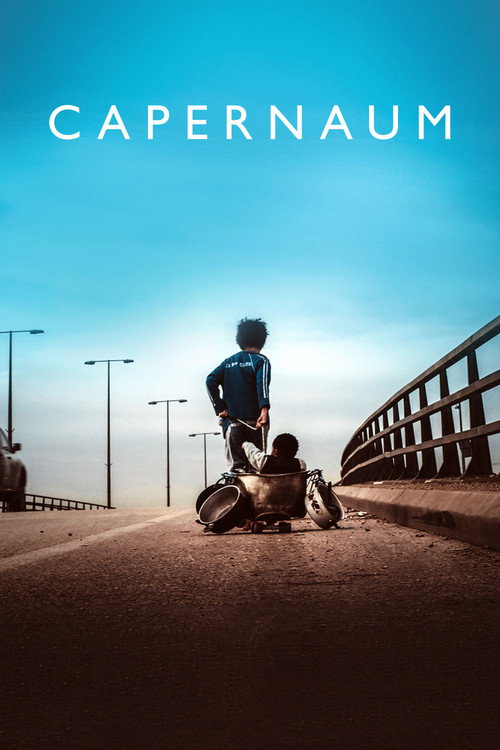
Capernaum2018
Lebanese film about street children navigating impossible choices with the same unsentimental eye and moral weight. Builds its devastating power from observed detail rather than melodrama, asking hard questions about who bears responsibility.
But The child lead is frequently uncomfortable and the film doesn't offer easy comfort. Some viewers find it heavy-handed in places.
The Florida Project2017
Childhood observed in a space of precarity, with the same visual beauty and refusal to pity its subjects. It understands how kids adapt to conditions adults find unlivable, and what gets lost in that adaptation.
But The poverty never resolves and the tone stays deliberately flat. Some find the lack of narrative shape frustrating.

Not sure tonight? Get a pick in a minute, starting from Lamb
The wildcard
Something you would not have found on your own.
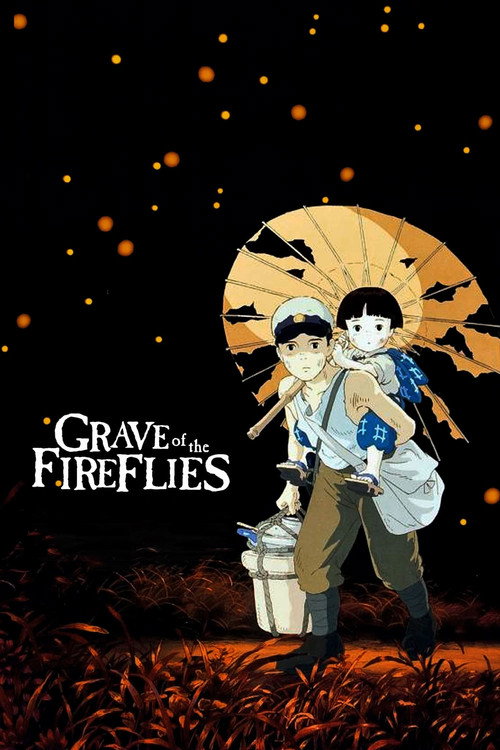
Grave of the Fireflies1988
Both use their formal beauty—color, light, composition—as counterweight to unbearable content. Both watch children navigate adult catastrophes with limited agency. Both refuse the lie that love saves you.
Isao Takahata's animated film about two children surviving Japanese wartime deprivation. The medium—animation—gives it a particular kind of heartbreak; the emotional precision rivals any live-action film made. It understands childhood and loss in the way Lamb does.
But An animated film about starvation and death. The combination is devastating and unrelenting; many find it the most emotionally exhausting experience cinema offers.
More like this (8)
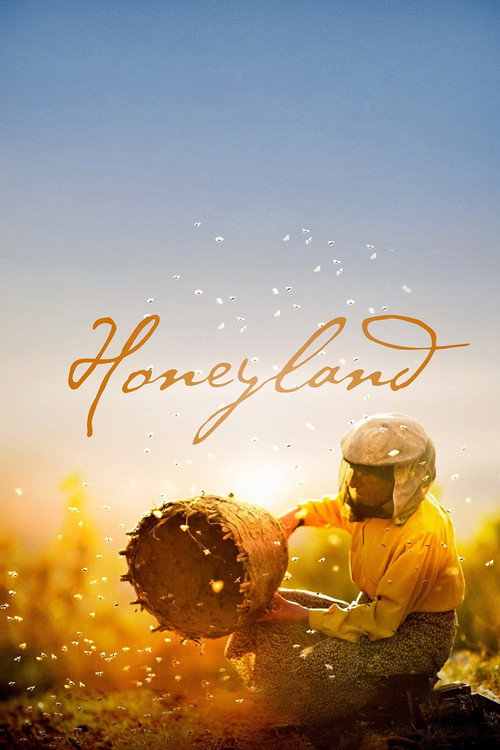
Honeyland2019
A Macedonian documentary-drama hybrid about a beekeeper living outside society. Meditative, visually stunning, and deeply concerned with how we live with what we have and what we owe to it.
But Slow, almost plotless. The 'drama' emerges gradually; some viewers find it tests their patience.
Winter Light1963
Bergman's spare meditation on faith and human connection in a small community. Like Lamb, it finds the profound in the ordinary and refuses easy answers about suffering and meaning.
But Austere and bleak. Bergman at his most rigorously unforgiving; audiences wanting warmth should look elsewhere.

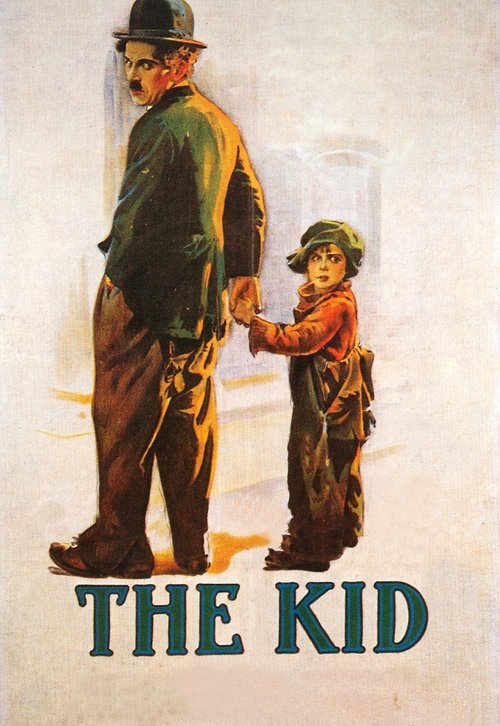
The Kid1921
Chaplin's film about a man raising an orphaned child—the tenderness between them, the economic desperation, the impossible choice at the end. A century old and still the template for stories like Lamb.
But Silent film with intertitles. The style, even beautiful, creates distance for modern viewers unused to the form.
Come and See1985
Soviet masterpiece about a boy conscripted into war. Watches childhood get destroyed in real time with the same refusal to look away that Lamb has. Apocalyptic and unsparing.
But One of cinema's most brutal films. Genuinely traumatizing; this isn't entertainment, it's an ordeal designed to change how you think.

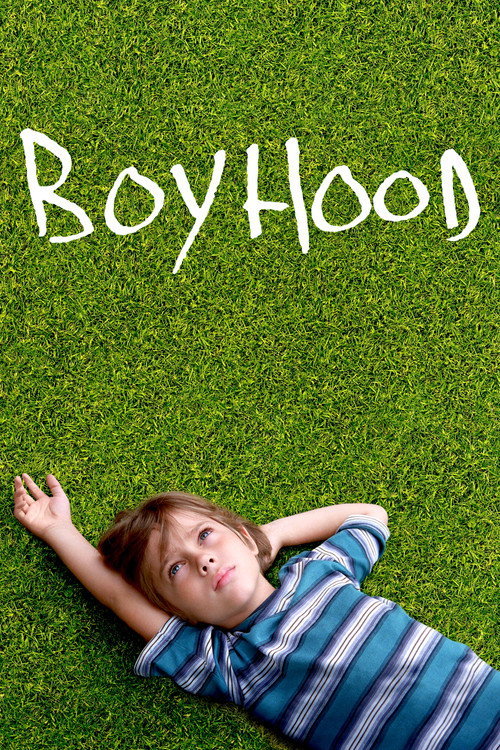
Boyhood2014
Linklater follows a boy from age six to eighteen across twelve years of actual filming. Not plot-driven—it observes the texture of growing up, the small choices that accumulate into a life, much like Lamb does in miniature.
But Three hours and almost nothing 'happens.' The slowness is the point, which means some viewers find it self-indulgent rather than revelatory.
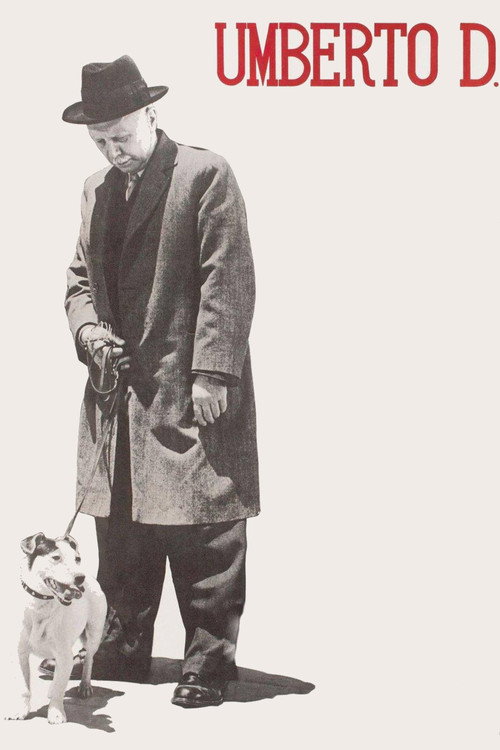
Umberto D.1952
De Sica's neorealist film about an elderly pensioner and his dog—the devotion between them, the indifference of the world. An ancestor of Lamb in its refusal to sentimentalize love within poverty.
But Black-and-white Italian neorealism from 1952. Post-war Rome looks bleak; the pacing is patient to the point of austerity for modern viewers.
The Act of Killing2012
Both make you watch someone else's moral choice unfold without intervention or judgment. Both understand that intention and outcome are not the same thing. Both are formally patient in ways that magnify what they're looking at.
Indonesian documentary where the director asks death-squad perpetrators to reenact their murders. Completely different in subject, but structurally asks the same question Lamb does: what happens when you place someone in a situation and watch what they do?
But Documentary about genocide and mass murder. Morally complex rather than comfortable. Some viewers feel manipulated by Oppenheimer's approach; others find it essential.

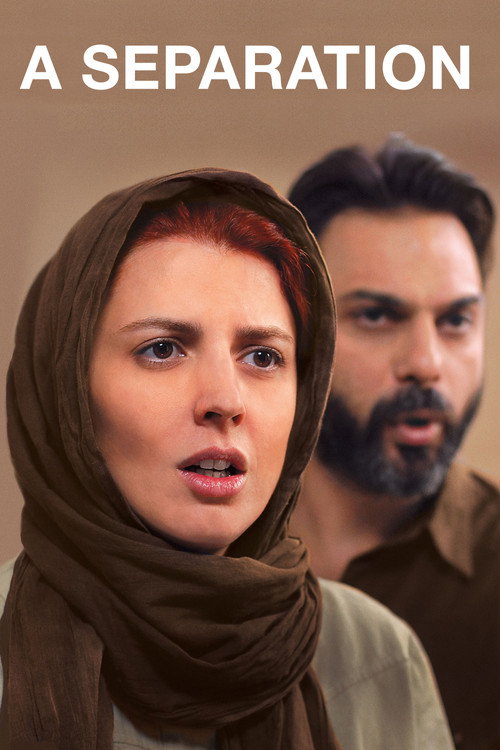
A Separation2011
Both understand that in certain situations there is no right choice, only the choice you make. Both find tragedy in the gap between what people need and what systems allow them to have. Both are set in communities where love operates within real constraint.
Iranian drama by Asghar Farhadi about a marriage dissolving and the class conflicts it exposes. No supernatural elements, no grand betrayals—just people making reasonable decisions that collide with other people's reasonable decisions, with consequences no one intended.
But Emotionally taxing and deliberately unresolved. No one is villainous, which some viewers find frustrating; they want someone to blame.
People
Cast



Directing
- Yared ZelekeDirector
Writing
- Yared ZelekeWriter
Recommended by
Untouchable, Imaikkaa Nodigal, Float Like a Butterfly, The Inspector Wears Skirts