
Film
Playground
A Belgian film about a girl who witnesses her brother being bullied but is sworn to silence by him. In 72 taut minutes, it captures the claustrophobic moral world of childhood—where loyalty to friends can trap you, where adults seem impossibly far away, and where doing the right thing means breaking a promise. Devastating and precise.
Should you watch it?
Watch it if you want cinema that puts you at a child's eye level and lets dread build from small silences, the way a school day actually feels from inside the fence.
Skip it if you need stories that explain themselves or give adults a clear role; this offers little context and sits with discomfort for its whole running time, which can feel relentless.
What it asks of you: Seventy-two minutes, mostly lived in noise and small frustrations, with close framing that rarely pulls back to give you a wider view.
Not sure? Find tonight's pick in a minute.
If you liked this
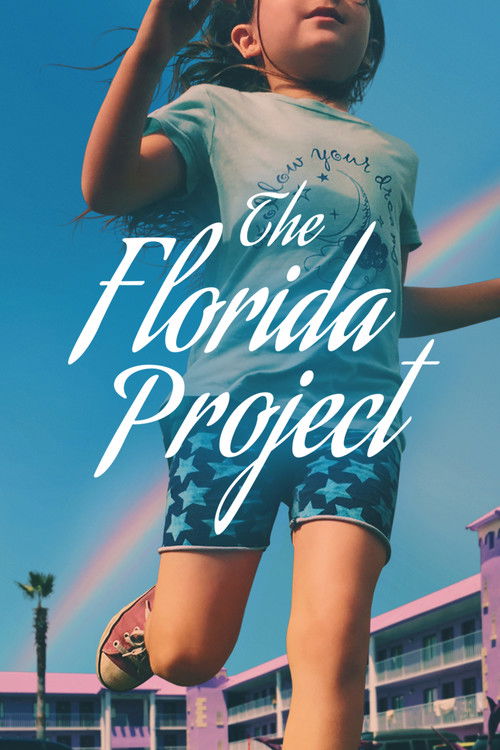
The Florida Project2017
Sean Baker finds profound dignity in the overlooked lives of children living on the margins. Like Playground, it refuses to sentimentalise—it watches, closely and fairly, as kids navigate a world not built for them.
But The poverty is relentless and the ending is bleak. Some find the documentary-style realism exhausting rather than moving.
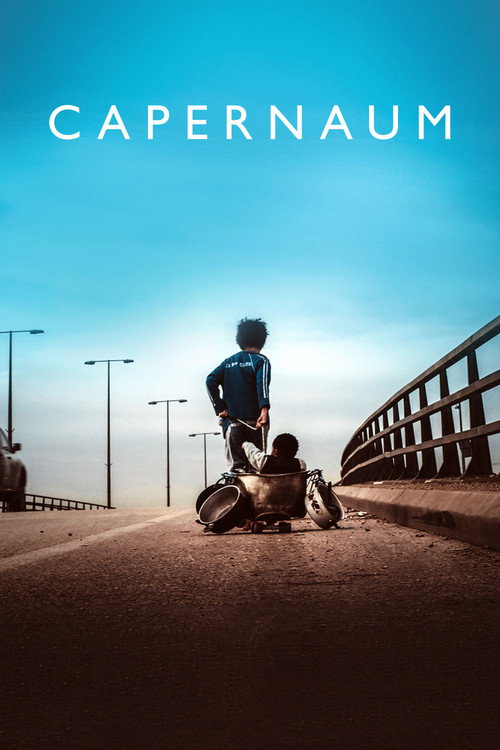
Capernaum2018
A Lebanese child actor navigates impossible choices in a system that barely sees him. Raw, angry, and structurally ingenious—it has the same moral weight as Playground but in a completely different key.
But The subject matter—exploitation, abandonment, state indifference—is genuinely harrowing. Not cathartic; sometimes just heavy.
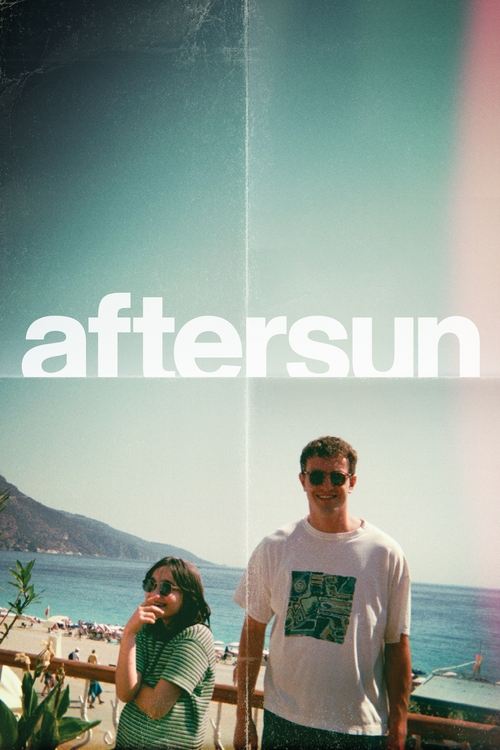
Aftersun2022
Charlotte Wells observes a father and daughter on holiday with such tenderness and such refusal to explain that you're constantly uncertain what you're witnessing. That tension—between a child's understanding and an adult's—is everything here.
But It's deliberately opaque. The narrative refuses to deliver clarity or resolution. Some find that poetic; others find it frustrating.
Not sure tonight? Get a pick in a minute, starting from Playground
The wildcard
Something you would not have found on your own.
Come and See1985
Both films understand childhood not as innocent but as a state of absolute vulnerability. Both use a child's perspective to show how adults' decisions become a child's prison.
Elem Klimov's Soviet film follows a boy conscripted into war and documents the annihilation of childhood in unbearable detail. Like Playground, it watches what happens when a child is trapped in a situation beyond their control—but it amplifies that helplessness into apocalypse. Brutal masterpiece.
But It is one of the most traumatising films ever made. Repeated extreme violence, mutilation, starvation. Some people cannot watch this, and that is legitimate. It's not poetic distance; it's immediate horror.

More like this (8)
Moonlight2016
Three chapters in the life of a boy navigating identity, violence, and loyalty. It moves through childhood to adulthood with such visual grace that you feel the weight of silence—the things characters cannot say—as acutely as spoken words.
But It's meditative and fractured rather than plot-driven. Long passages have almost no dialogue. If you need narrative momentum, this will feel too slow.

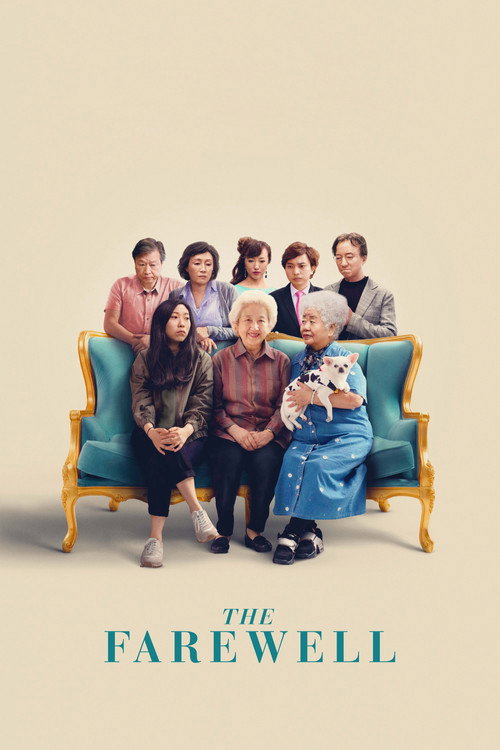
The Farewell2019
Lulu Wang watches a family navigate a lie they've agreed to tell—a secret that binds them and compromises them. It's warm where Playground is austere, but the architecture of loyalty and silence is identical.
But It's quite funny in places, which some find tonally discordant with the serious material. The generational comedy can undercut the gravity.
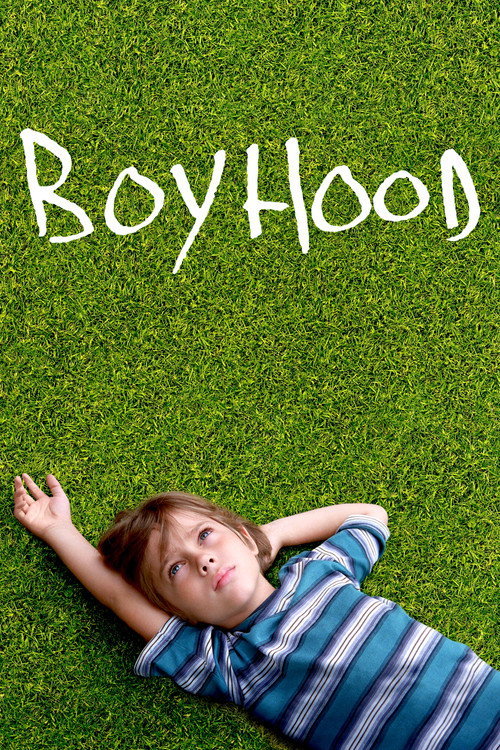
Boyhood2014
Shot over twelve years, Linklater observes a boy growing up without forcing meaning onto his life. Like Playground, it trusts observation over explanation and finds profound things in ordinary choices.
But It's 166 minutes and deliberately paced. The lack of plot engine bores people who want shape and momentum in their narratives.
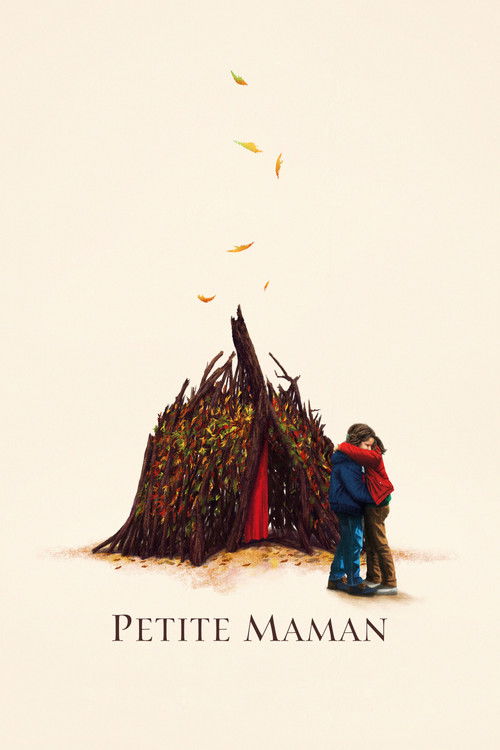
Petite Maman2021
Céline Sciamma's film about a girl who meets her mother as a child is tender and ingenious, exploring how we understand the people closest to us. It has Playground's clarity of vision and emotional precision.
But It's a fairy-tale logic rather than realist, which some find precious. If you want grit, this opts for magic instead.
A Prophet2009
Jacques Audiard follows a boy who enters prison and must navigate brutal hierarchies and impossible loyalties. The moral complexity—how survival compromises you—echoes Playground's understanding of entrapment.
But It's two and a half hours set mostly in a prison with frequent violence. The brutality is unrelenting and the film doesn't soften it for comfort.

The Killing of a Sacred Deer2017
Yorgos Lanthimos builds a pressure cooker where a family must navigate impossible moral choices. The deliberate, eerie tone and the trapping of characters by their own decisions has real kinship with Playground.
But It's cold, strange, and ritually paced. The unreality makes the stakes feel abstract rather than visceral for some viewers.

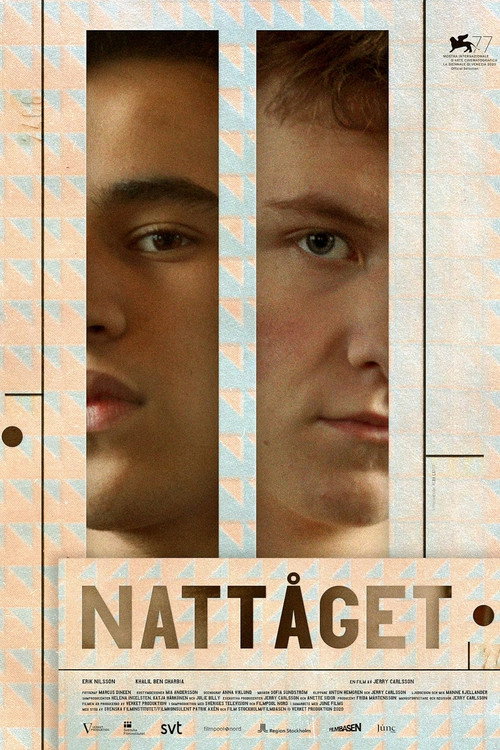
The Night Train2020
Both are under 90 minutes and both use constraint—a school, a train—to examine how allegiance traps children. Both refuse to moralise; both just watch.
A Polish Yiddish-language film set on a train in 1945, where children hide and navigate a landscape of danger and betrayal. It has the same narrow focus and moral precision as Playground—watching how loyalty and survival collide in a world that offers no safety.
But It's in a language most won't speak; it's set in Holocaust context; it requires active subtitular attention. Some find historical weight exhausting rather than engaging.
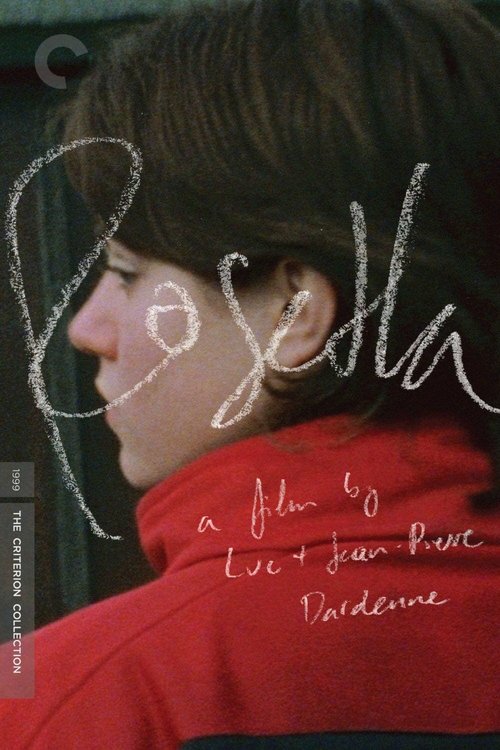
Rosetta1999
Both are Belgian films under 80 minutes with the Dardenne sensibility: maximum pressure applied to a child or teenager, observation without rescue, the camera held steady while something breaks inside.
The Dardenne brothers follow an unemployed Belgian girl with a handheld camera, capturing her desperation as she does whatever it takes to get a job. Not about bullying or siblings, but about the exact same claustrophobia—a young person at the mercy of systems that don't care, with no good options.
But It's shot documentary-style and can feel repetitive—she fails, she tries again, she fails. Formally austere and emotionally punishing. No character growth, no redemption.
People
Cast
 Maya VanderbequeNora
 Günter DuretAbel
- Elsa LaforgeVictoire
 Lena Girard VossClémence
 Simon CaudryAntione
- Thao MaertenDavid
- James SeguyMalik
- Naël AmmamaIsmaël
- Emile SalamoneMatteo
 Laura VerlindenAgnes
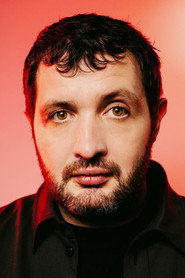 Karim LeklouFather
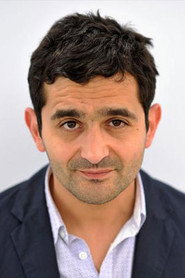 Laurent CapellutoAntoine's Father
Directing
- Laura WandelDirector
- Jean-François RavagnanFirst Assistant Director
- Elise Van DurmeScript Supervisor
Writing
- Laura WandelWriter
Production
- Philippe LogieAssociate Producer
- Annemie DegryseCo-Producer
- Jan De ClercqCo-Producer
- Céline GrudniewskiPost Production Coordinator
- Stéphane LhoestProducer
- Navarra ClaudiaUnit Production Manager