
Film
Virumaandi
Kamal Haasan stars in this 175-minute Tamil drama about competing narratives of violence and justice. A civil advocate documents death row inmates' conflicting accounts of a brutal village massacre. It's a formal, intellectually demanding film that uses structure as argument—less interested in who's guilty than in how truth fractures depending on who tells it. For viewers who want cinema that thinks hard about moral complexity.
Should you watch it?
Watch it if you like a story told through rival recollections, where the same violent night keeps shifting shape depending on who is remembering it and who is doing the telling.
Skip it if you want a lean, straight-ahead thriller, since this is a long, talky film where the prison debates and documentary framing slow the action for stretches.
What it asks of you: Nearly three hours, and patient ones: it lets testimony pile up slowly, then pulls hard toward the violent past in its own time.
Not sure? Find tonight's pick in a minute.
If you liked this
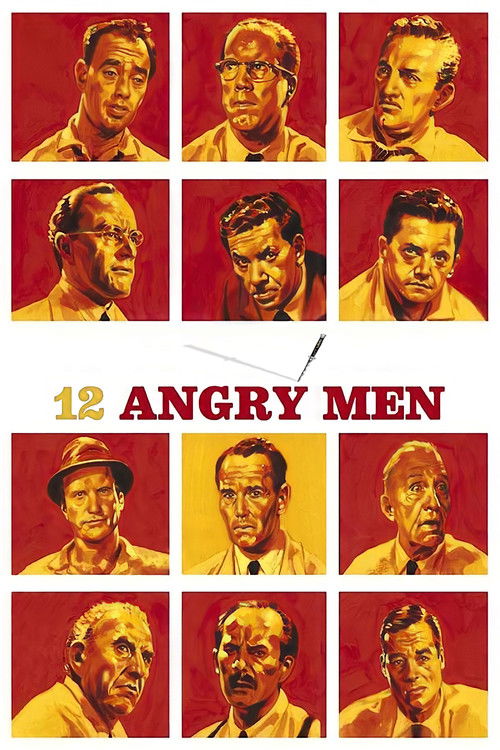
12 Angry Men1957
A jury deliberates a murder case, with reasonable doubt and narrative unreliability at the centre. Like Virumaandi, it's fascinated by how the same events splinter into different truths depending on perspective and bias.
But It's primarily a conversation in a room—visually static, deliberately paced. Some find the rhetorical nature feels dated or didactic.
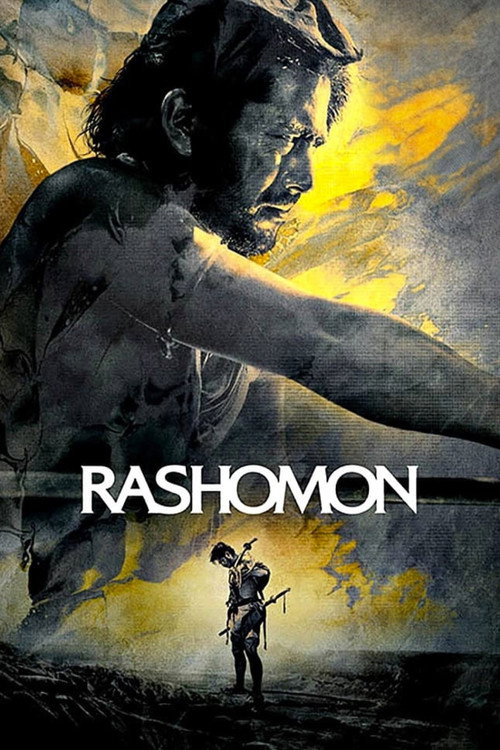
Rashomon1950
The foundational film about perspective and truth: four witnesses recount the same crime completely differently. Virumaandi owes an explicit debt to this structure, using conflicting testimony to interrogate justice itself.
But The elliptical narrative can feel frustrating if you want plot clarity. It's about ambiguity by design, which some viewers find unsatisfying.
Memories of Murder2003
A Korean masterpiece about investigating a serial killer in a corrupted system. It shares Virumaandi's moral seriousness and refusal to offer easy answers about guilt, innocence, and institutional failure.
But It's bleak and occasionally graphic. The investigation doesn't resolve neatly, which can feel frustrating rather than profound depending on your mood.

Not sure tonight? Get a pick in a minute, starting from Virumaandi
The wildcard
Something you would not have found on your own.
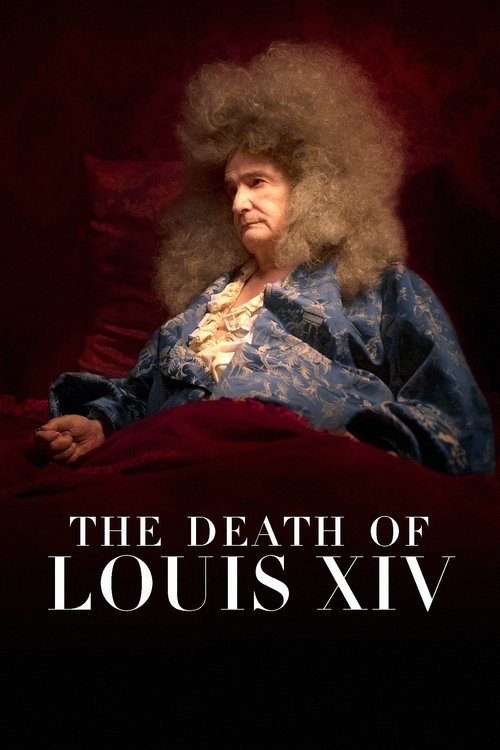
The Death of Louis XIV2016
Both films use duration and formal rigor as moral instruments. They don't entertain you through the experience—they ask you to sit with difficulty and find meaning in constraint.
Albert Serra's austere film watches a king die across 90 minutes—minimal plot, maximum formal discipline. Like Virumaandi, it uses constraint and length to force moral and philosophical attention. Cinema as argument about time and suffering.
But Almost nothing happens. If you need narrative momentum or conventional character development, this will feel torturous rather than meditative.
More like this (8)
A Prophet2009
A prison drama that builds slowly, examining power, survival, and transformation within institutional walls. It has Virumaandi's interest in how confined spaces reveal moral complexity.
But It's methodical and long, with minimal plot momentum. Character development matters more than incident, which demands patience.

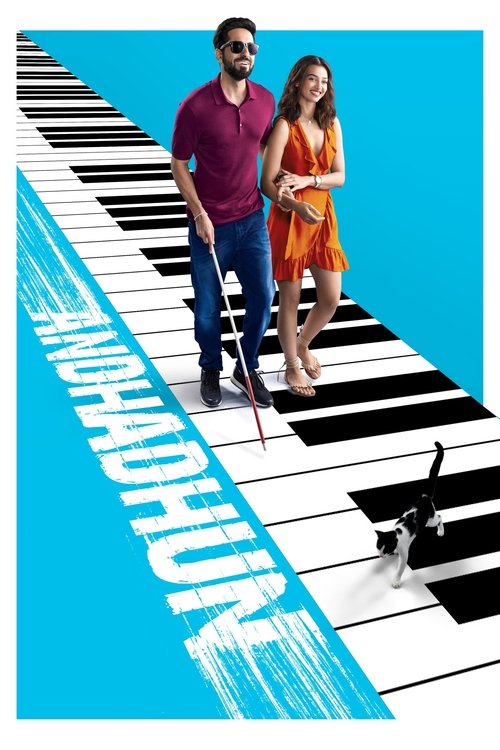
Andhadhun2018
Another Tamil-language film about unreliable narration and the gap between appearance and reality. It shares Virumaandi's pleasure in playing with how audiences receive information and form judgments.
But It's a thriller, so genre conventions matter more. If you want ambiguity without genre satisfactions, this trades some of that for plot twists.
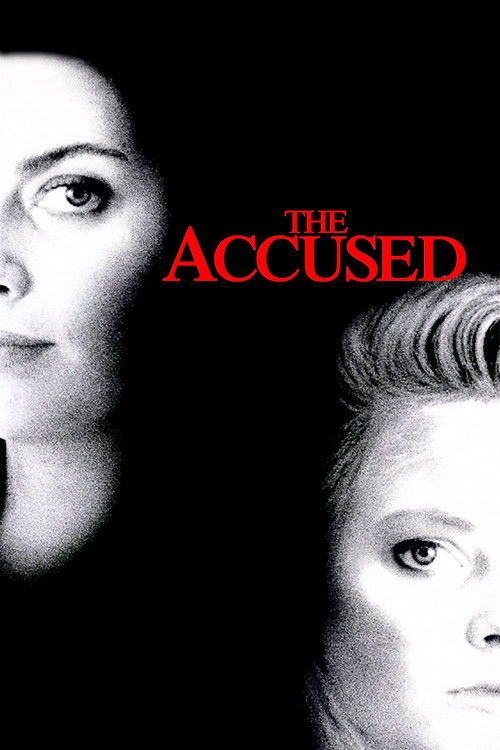
The Accused1988
Jodie Foster in a powerful film about testimony, trauma, and how the legal system processes violence. It's earnest about institutional justice in ways that speak to Virumaandi's concerns.
But It's advocacy cinema with a clear moral position. If you prefer films that remain neutral, this argues rather than observes.
Spotlight2015
Journalists investigate institutional cover-ups of abuse. It's procedural and formally disciplined, showing how narratives get buried and recovered—thematically close to Virumaandi's interest in contested truth.
But It's more conventional narratively than Virumaandi. Some find it too tidy for a film about systems designed to obscure.

In the Mood for Love2000
Wong Kar-wai's film about two neighbours who discover their spouses are having an affair. It's about inference and what we imagine versus what we know—a different register, but same philosophical preoccupation.
But It's lyrical and deliberately slow, almost a tone poem. If you want narrative momentum, this will feel oblique and frustrating.

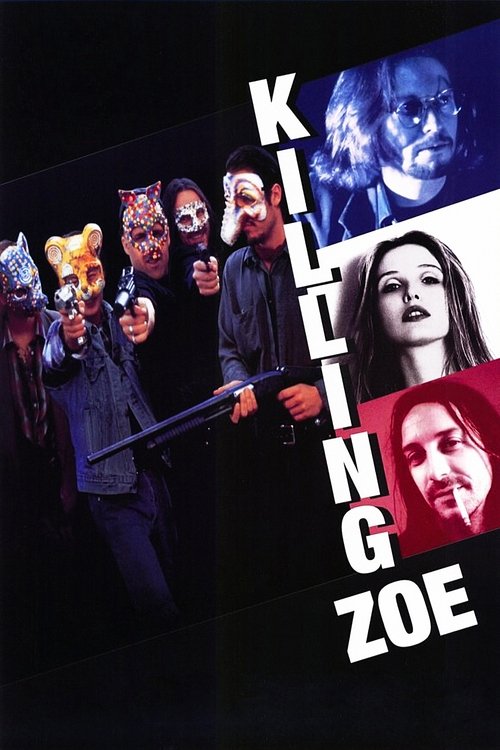
Killing Zoe1993
A heist film told from multiple perspectives that doesn't cohere into a single truth. It plays with unreliable narration through genre, which is structurally adventurous if narratively messy.
But It's dated and stylistically mannered. The multiple perspectives feel gimmicky rather than thematically necessary.
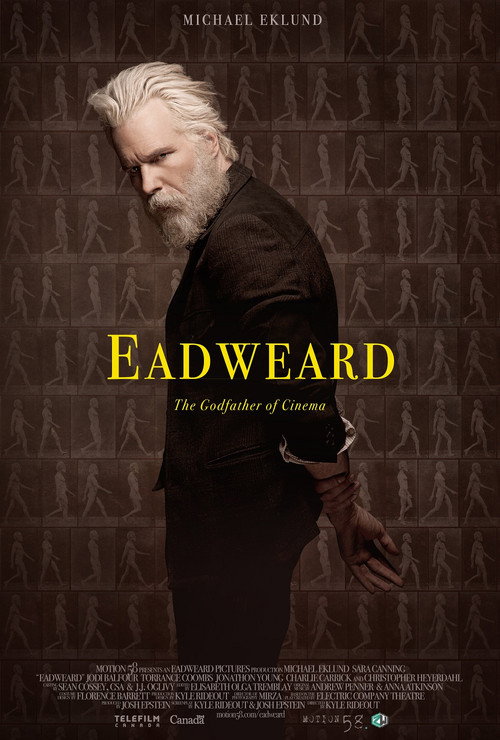
Eadweard2015
Both examine how narratives get assembled from pieces—testimony, evidence, perspective. Both ask what truth survives when you layer competing versions of the same event.
A documentary-fiction hybrid about the photographer Eadweard Muybridge's obsession with capturing motion. It interrogates how we construct narrative from fragments—image, testimony, interpretation. Formally radical and mesmerising.
But It's experimental and refuses genre clarity. You're uncertain throughout whether you're watching documentary or fiction, which some find pretentious rather than revelatory.
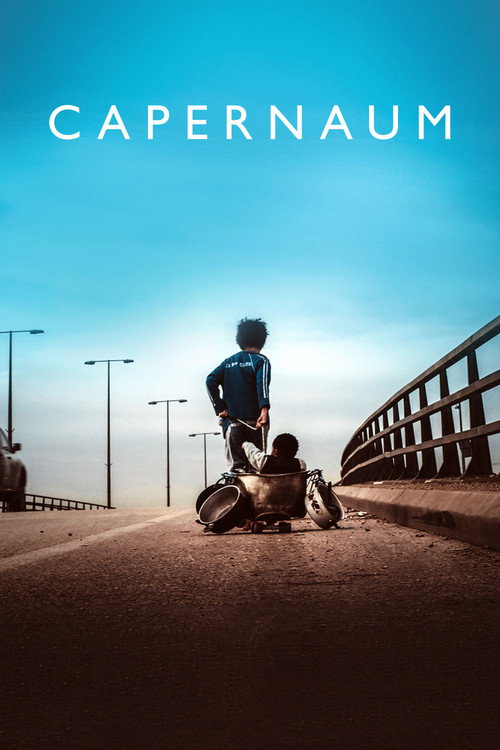
Capernaum2018
Both films use formal complexity to refuse sentimental answers to questions of guilt, poverty, and institutional failure. Neither lets the audience off easy with moral clarity.
A Lebanese film following a street child through Beirut's margins. It's morally urgent and structurally unconventional, using fragmentation and digression to force you to feel the weight of systemic injustice.
But It's punishing. The child protagonist goes through sustained trauma; some viewers find the emotional weight overwhelming rather than clarifying.
People
Cast
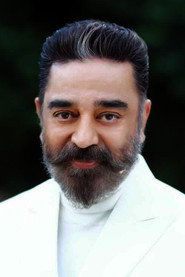 Kamal HaasanVirumaandi Thevar
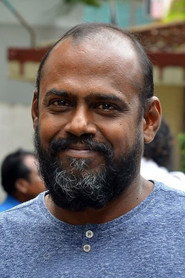 PasupathyKothaala Thevar
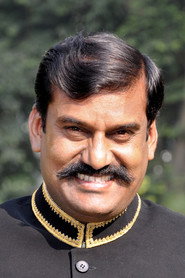 NapoleonNallama Nayakkar
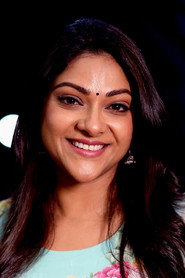 AbhiramiAnnalakshmi
 RohiniDr. Angela Kaathamuthu
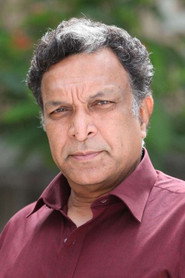 NassarChief Jailer Jayanth
 ShanmugarajanDeputy Jailer Paykkaman Thevar
 S. N. LakshmiSupputhai
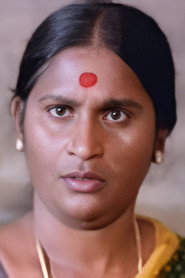
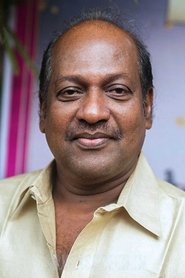 Bala SinghRasu Kalai Thevar
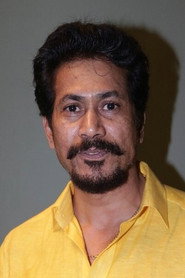 O. A. K. SundarKottaisamy Thevar
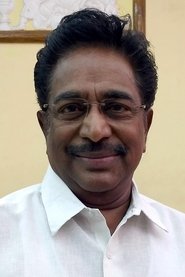 RajeshChennai Police Commissioner
Directing
- Kamal HaasanDirector
Writing
- IlaiyaraajaLyricist
- Kamal HaasanLyricist
- MuthulingamLyricist
- Kamal HaasanWriter
Production
- ChandrahasanProducer
- Kamal HaasanProducer