
Film
Miracle in Cell No. 7
Other titles called Miracle in Cell No. 7: the 2013 film.
A Turkish father with intellectual disability fights to prove his innocence for a crime he didn't commit, separated from his young daughter while imprisoned. It's a lean, propulsive courtroom drama that builds emotional momentum through character rather than manipulation, powered by genuinely affecting performances. For anyone who wants their tears earned.
If you liked this
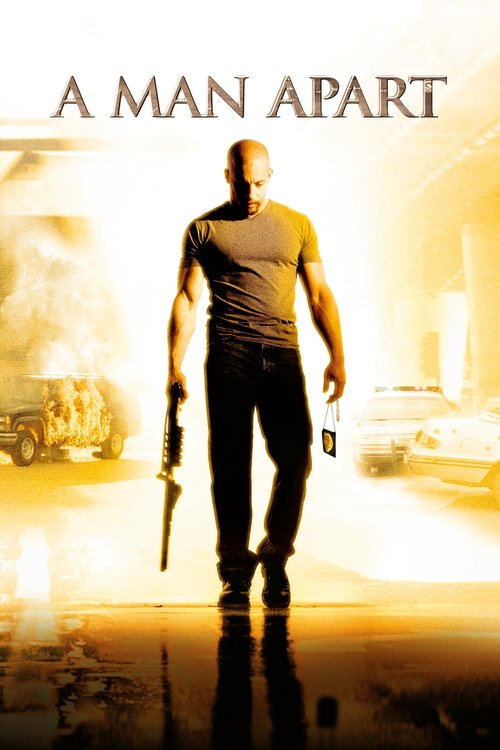
A Man Apart2003
A wrongly imprisoned man fights the system with quiet dignity while maintaining his humanity. Like Miracle, it finds emotional depth in injustice and the bonds that sustain us through darkness.
But It's a prison drama with a slower pace than you might expect; some will find it too restrained for what sounds like an action premise.
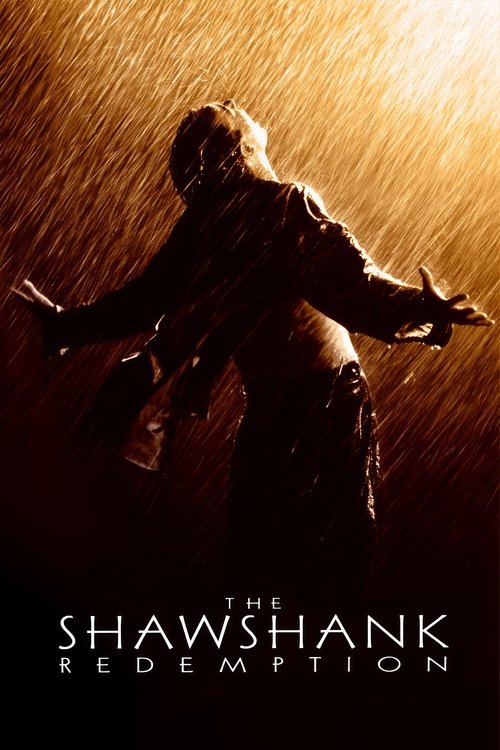
The Shawshank Redemption1994
The definitive film about wrongful imprisonment, institutional cruelty, and hope refusing to die. Both films understand that the real drama is internal, not procedural.
But It's been recommended to death and discussed exhaustively. You might feel you already know it, even if you haven't seen it.
Boyhood2014
Captures the quiet accumulation of small moments that define a life. Shares Miracle's ability to wring profound emotion from simple scenes between people who love each other.
But Its 165-minute runtime feels every second. The deliberate pacing will test anyone impatient with slowness in cinema.

Not sure tonight? Get a pick in a minute, starting from Miracle in Cell No. 7
The wildcard
Something you would not have found on your own.
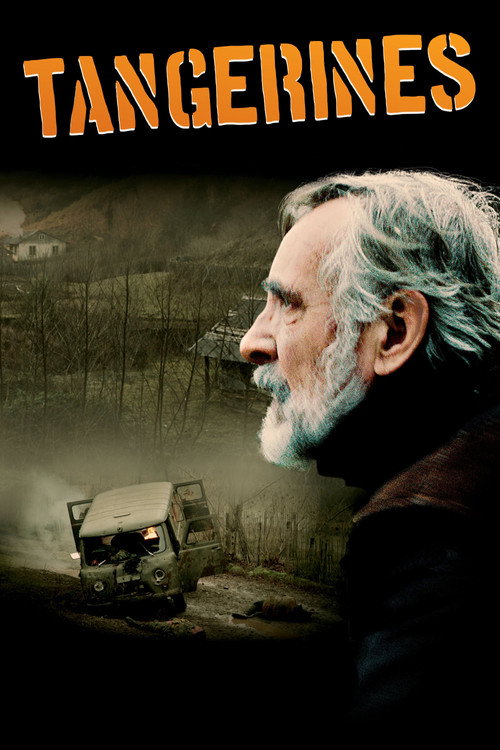
Tangerines2013
Both are about men outside systems of power—one disabled, one elderly—who choose dignity and protection over self-preservation, proving their humanity through actions the state denies them.
A Georgian pensioner shelters enemies from both sides of a civil war conflict, forcing forgiveness and humanity in the face of atrocity. It shares Miracle's belief that individual grace can exist within systemic brutality, but earns it through specificity and refusal to look away from suffering.
But Set during the Georgian-Abkhazian war, it requires some historical context to fully land. The violence is not graphic but the moral weight is crushing.
More like this (8)
Incendies2010
A mother's sacrifice and a family's fractured bonds form the spine of this devastating mystery. Denis Villeneuve builds emotional architecture that rivals Miracle's exploration of devotion and loss.
But It ends on a revelation so brutal and specific that some will feel manipulated by it rather than moved.

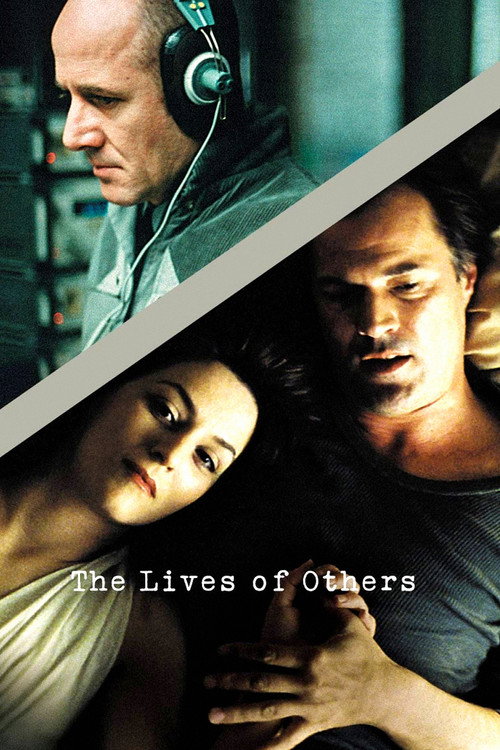
The Lives of Others2006
A surveillance officer begins to care about the people he's monitoring, discovering his own humanity. Both films ask what institutional power does to moral conscience.
But Its Cold War German setting feels distant from lived experience for many viewers, which can create emotional distance.
Spotlight2015
Journalists expose systemic injustice through patient investigation and moral clarity. Shares Miracle's faith that truth matters and that institutions must answer for their failures.
But It's procedural and deliberately restrained; those wanting passion and heat will find it too measured.

The Kid with a Bike2011
A small boy abandoned by his father forms an unlikely bond with a hairdresser. Subtly heartbreaking in exactly the way Miracle is—through presence and small gestures.
But Belgian minimalism; if you need plot momentum or clear emotional signposting, this will feel like nothing happens.

In the Mood for Love2000
Wong Kar-wai captures longing and separation through color and composition. Like Miracle, it finds the ache in absence and the power of connection despite distance.
But It's more concerned with mood than narrative; if you watch film for plot, you'll find this frustratingly oblique.

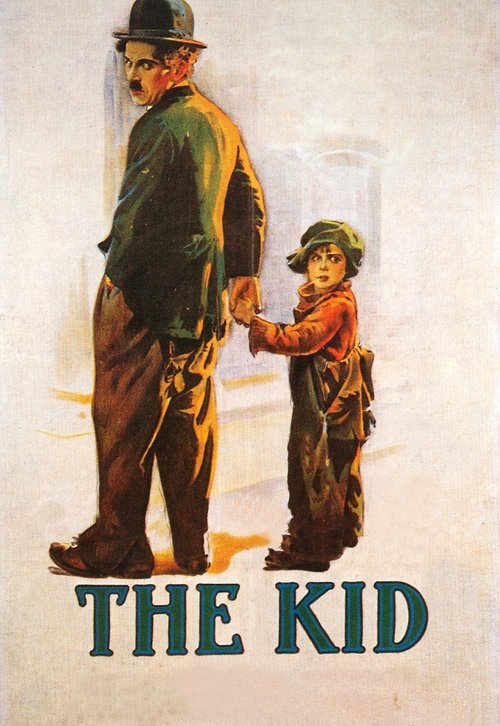
The Kid1921
Chaplin's silent meditation on fatherhood and protection. A century old and still the template for films about fathers doing everything to keep their children safe.
But It's silent cinema from 1921; the emotional register and pacing will feel alien to contemporary viewers expecting naturalism.
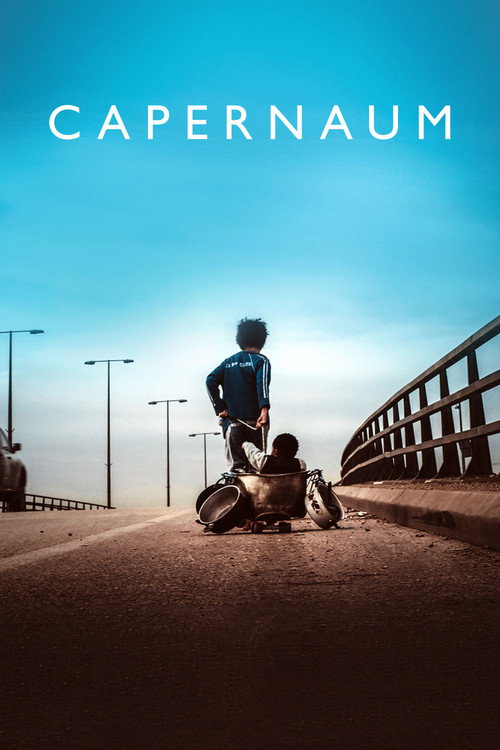
Capernaum2018
Both films trust courts to illuminate moral failure rather than deliver justice. Both ask what law owes to the voiceless.
A Lebanese street child sues his own parents for the crime of his existence. Like Miracle, it finds devastating emotional truth in a legal system that cannot process human complexity, but it does so through a child's perspective rather than an adult's.
But It's brutal toward its young protagonist in ways that will make some viewers uncomfortable. The realism extends to genuine hardship and degradation.
The Salesman2016
Both examine how the justice system fails ordinary people, but Asghar Farhadi inverts Miracle's redemption—showing how the search for justice can corrode the person pursuing it.
An Iranian actor's life splinters after a violent intrusion; he pursues confrontation with the attacker in a morally murky spiral. A masterwork about how seeking vindication can poison the seeker. Where Miracle is about proving innocence, this is about what happens when we demand retribution.
But It's slow-burn Iranian cinema with an abstract relationship to plot. If you need clear forward momentum and resolution, it will feel like circling.

People
Cast


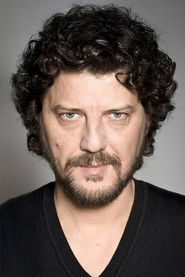 İlker AksumAskorozlu
 Mesut AkustaYusuf
 Yıldıray ŞahinlerHafız
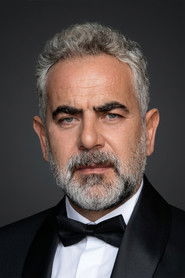 Yurdaer OkurYarbay Aydın
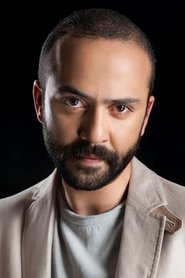 Sarp AkkayaMüdür Nail
 Deniz BaysalÖğretmen Mine
 Deniz CeliloğluYüzbaşı Faruk
 Ferit KayaAli
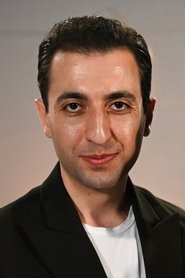 Doğukan PolatTevfik
 Emre YetimAyna
Directing
- Mehmet Ada ÖztekinDirector
- Ilker ÇangaFirst Assistant Director
- Özge EfendioğluScript Supervisor
Writing
- Kim Hwang-sungOriginal Film Writer
- Kim Yeong-seokOriginal Film Writer
- Lee Hwan-kyungOriginal Film Writer
- Yu Young-ahOriginal Film Writer
- Kubilay TatScreenplay
- Özge EfendioğluWriter
Production
- Kim Min-giCo-Producer
- Kim Woo-taekCo-Producer
- Cengiz ÇağatayExecutive Producer
- Mine YılmazLine Producer
- Hakan KaramahmutoğluProducer
- Saner AyarProducer
- Sinan TuranProducer