
Film
Tangerines
A stubborn Estonian farmer stays put during the Abkhazia conflict to harvest his tangerines, then finds a wounded soldier on his doorstep. What follows is a taut, intimate chamber piece about mercy and complicity, where every conversation crackles with unspoken weight. For anyone who believes the best war films happen in small rooms with two people and nowhere to run.
Should you watch it?
Watch it if you want a small, unhurried war story where moral decency gets tested inside a single farmhouse, and you are happy to let quiet performances carry the weight.
Skip it if you need constant action or sharp plotting, since this is deliberate, spare and sometimes leans on its own quiet dignity a little too hard.
What it asks of you: At 87 minutes it is brisk in length but unhurried in rhythm, letting long silences sit and keeping its bleakness low-key, so it rewards undivided attention.
Not sure? Find tonight's pick in a minute.
If you liked this
Come and See1985
Elem Klimov's Soviet masterpiece about a boy drawn into war. Like Tangerines, it refuses spectacle in favour of moral devastation—watching someone's humanity get stripped away in real time.
But Brutally graphic and relentless. Not a film that lets you off easy or leaves you feeling better about anything.

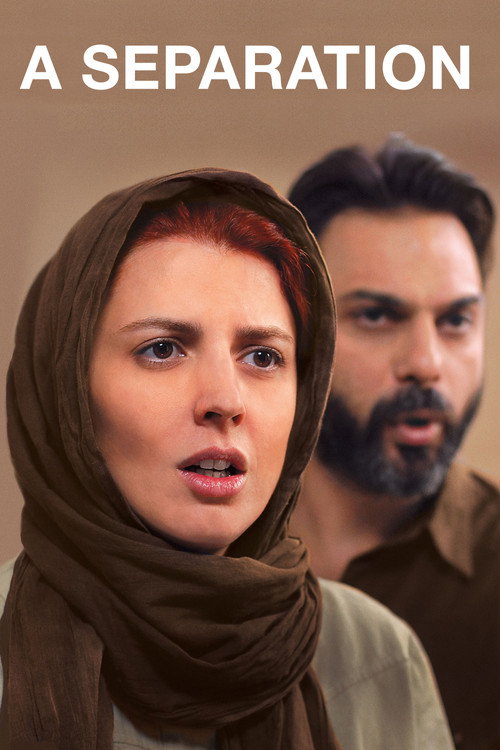
A Separation2011
Asghar Farhadi's Iranian drama about ordinary people trapped in impossible situations. The same claustrophobic intensity, the same belief that small domestic spaces can contain epic moral questions.
But Dialogue-heavy and deliberately paced. If you need plot momentum to stay engaged, this will feel slow.
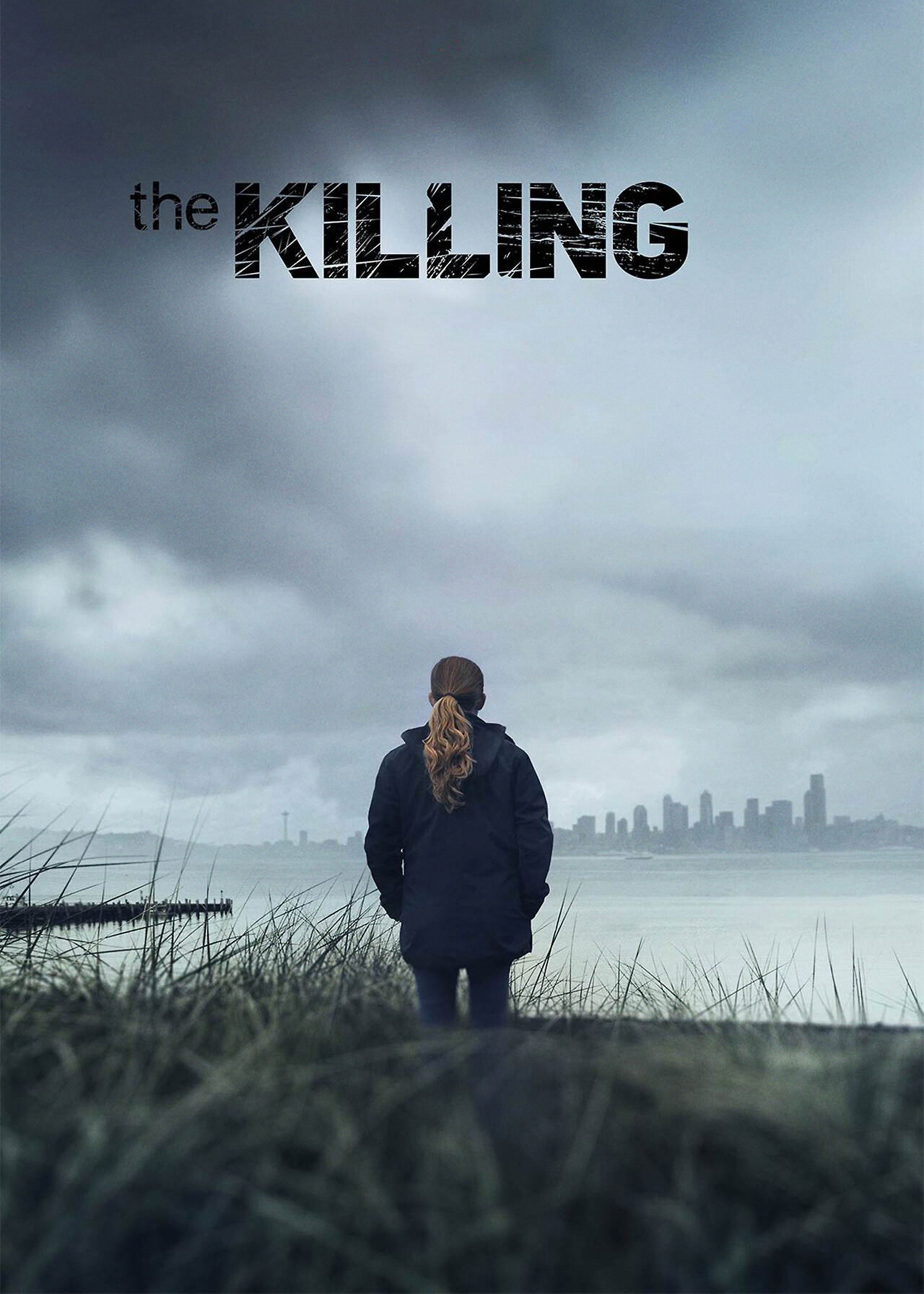
The Killing2011
A Danish thriller, but what matters is how it treats violence as consequence rather than entertainment. It understands that real damage is psychological, and watches the slow erosion of people's certainties.
But Twenty episodes of measured, grey Scandinavian television. The first season's ending is famously frustrating if you wanted resolution.
Not sure tonight? Get a pick in a minute, starting from Tangerines
The wildcard
Something you would not have found on your own.
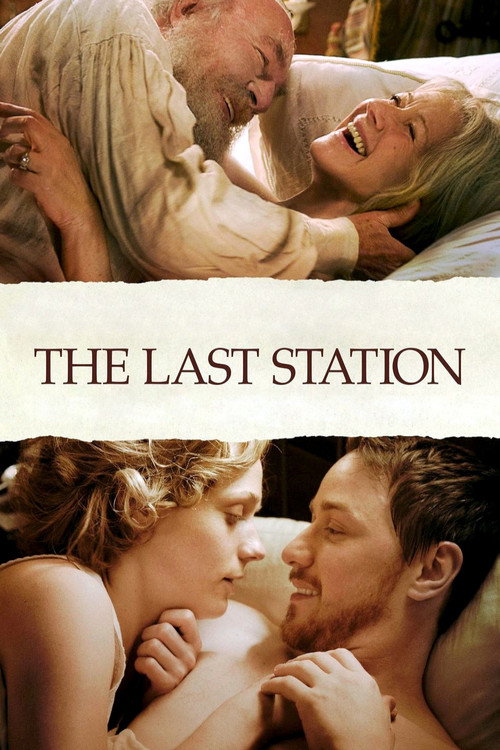
The Last Station2009
Both are chamber pieces about aging men trying to hold onto principle while wounded 'enemies' test their actual commitment to those principles.
Christopher Plummer as Tolstoy, surrounded by believers and seekers in his final days. A film about whether ideas survive their maker, and whether mercy is possible between people who loved the same things differently. The thematic mirror: both are about ideological enemies forced into proximity.
But Biopic of a Russian novelist can sound airless and literary. It treads close to stodgy, and some scenes feel like dutiful scene-painting rather than drama.
More like this (8)
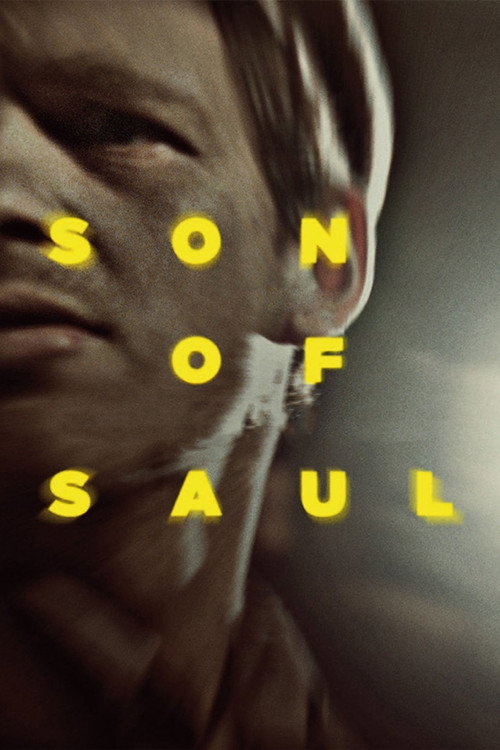
Son of Saul2015
A Holocaust film told through sound and tight framing rather than spectacle. Shares Tangerines' commitment to staying close, claustrophobic, refusing you the distance of historical perspective.
But The subject matter is almost unbearably heavy. The tight framing can feel oppressive rather than intimate.
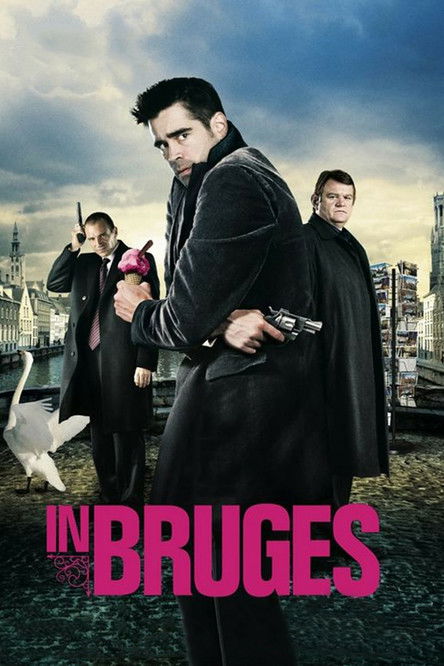
In Bruges2008
Two hitmen hiding in a medieval city, waiting for orders. It's a dark comedy, yes, but underneath is the same meditation on violence, guilt, and what hospitality means when everything is poisoned.
But Tonal whiplash between wit and violence. If you want consistent mood, the shifts will feel jarring rather than clever.
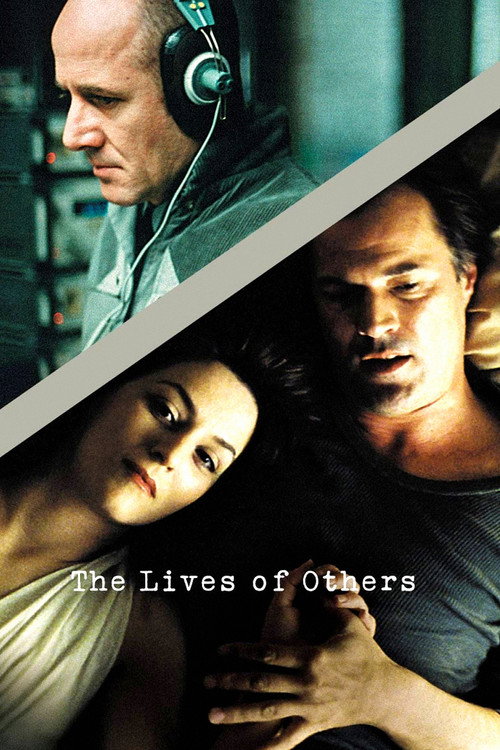
The Lives of Others2006
A Stasi agent surveilling a playwright in East Berlin. Builds the same quiet tension through surveillance and forced proximity, asking what happens to your conscience when you see someone's full humanity.
But Cold War espionage procedural. If you're not patient with slow reveals and bureaucratic detail, it drags.
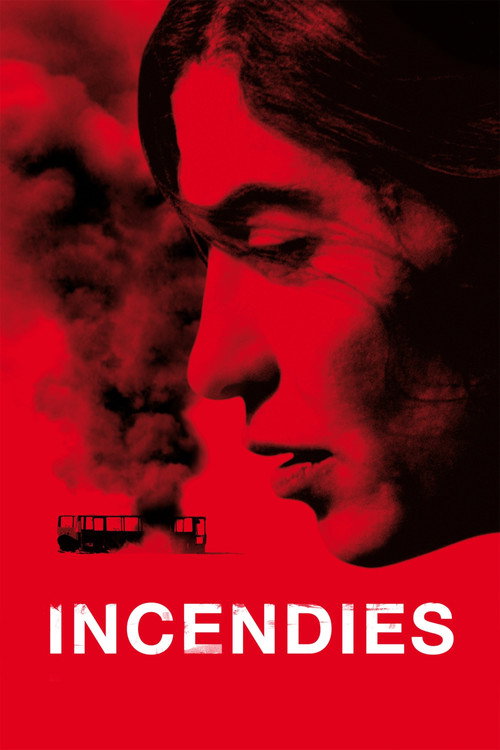
Incendies2010
Denis Villeneuve's shattering Lebanese civil war film. Two siblings uncover their mother's wartime past. It has Tangerines' understanding that cycles of violence are personal, not historical abstractions.
But The final revelation is devastating. The film uses that devastation as its whole point, which some find exploitative rather than moving.
Winter Light1963
Bergman on faith and moral paralysis in a small Swedish parish. Like Tangerines, it's interested in how ordinary people sit with impossible ethical weight when they can't escape it.
But Austere, talky, and fundamentally bleak. Bergman offers no consolation, and neither does the film's view of human connection.

Cléo from 5 to 71962
Agnès Varda following a woman through Paris while she waits for test results. Shares Tangerines' real-time intensity and its faith that conversation and presence matter more than action.
But Almost nothing happens. If you need external plot to care about character, this is 90 minutes of a woman walking and talking.

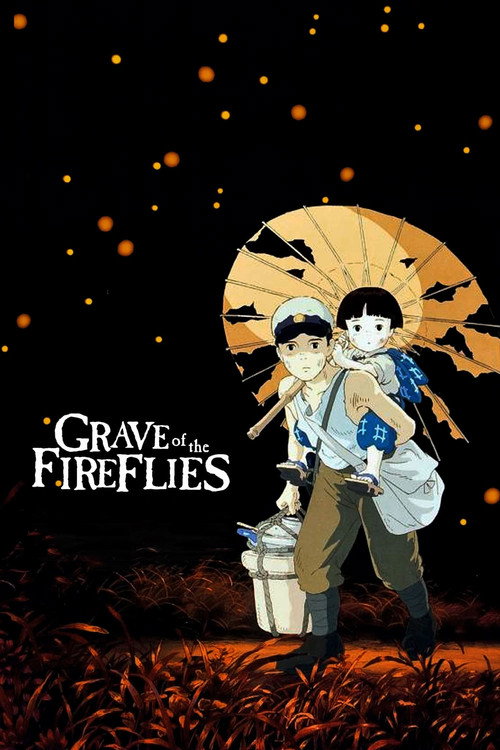
Grave of the Fireflies1988
Both ask: when war makes strangers of everyone, what does it mean to feed someone, shelter them, treat them as human? Both answer: everything. Both punish that answer.
Studio Ghibli's animated film about two children surviving Japan's firebombing. It sounds like fantasy but it's the opposite—utterly realistic, utterly cruel, about what mercy looks like when systems have abandoned you. Animated but devastating.
But Animation makes it easier to watch than it should be. Some find that distance lets them avoid the film's actual emotional point. Also, the ending is historically determined and unbearably sad.
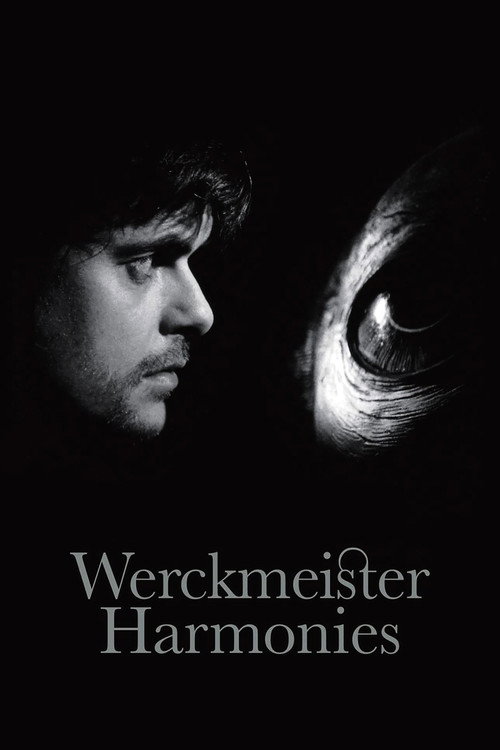
Werckmeister Harmonies2001
Both use intimate spaces and small communities to show how violence and ideology don't come from outside—they're already in us, waiting. Both trust silence more than dialogue.
Béla Tarr's Hungarian epic about a whale carcass arriving in a town and the social infection that follows. Black-and-white, slow, hypnotic. It's about what happens when outside forces corrupt a closed community—not war, but the same psychological devastation and complicity.
But Deliberately obscure, 145 minutes of grayscale 1960s Hungary, almost no plot. If Tangerines felt slow, this will feel like waiting for a bus that may never come.
People
Cast
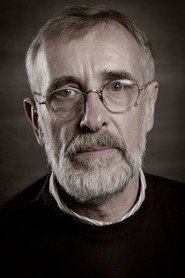
 Giorgi NakashidzeAhmed
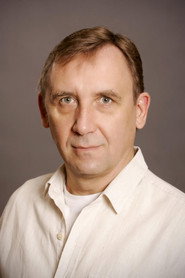 Elmo NüganenMargus
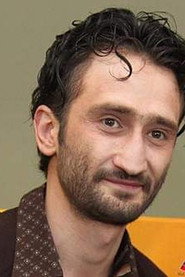 Misha MeskhiNika
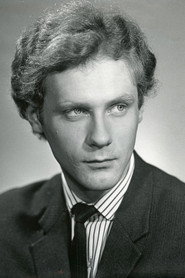 Raivo TrassJuhan
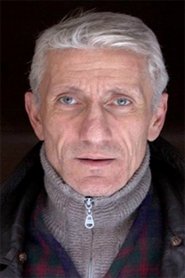 Zura BegalishviliAslan
- Dato KhakhidzeAslan's Soldier
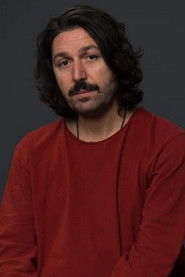 Jano IzoriaAslan's Soldier
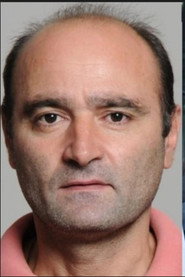 Gia GogishviliAslan's Soldier
- Vamekh JangidzeAslan's Soldier
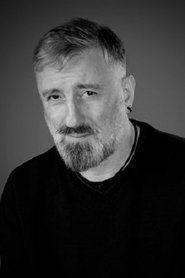 Aleko BegalishviliAslan's Soldier
- Temo KhutsishviliAslan's Soldier
Directing
- Zaza UrushadzeDirector
- Eliso ChanturiaFirst Assistant Director
- Salome JugeliScript Supervisor
- Lia GogeliaSecond Assistant Director
Writing
- Artur VeeberIdea
- Tatjana MülbeierIdea
- Zaza UrushadzeIdea
- Zaza UrushadzeScreenplay
Production
- Marge SammalAccountant
- Artur VeeberCo-Producer
- Tatjana MülbeierCo-Producer
- Artur VeeberDevelopment Producer
- Tatjana MülbeierDevelopment Producer
- Zviadi AlkhanaidzeLocation Manager
- Ivo FeltProducer
- Zaza UrushadzeProducer
- Maria KallasteProduction Assistant
- Levan GakhokidzProduction Manager