
Film
A Sun
- Family drama
- Very dark
A Taiwanese family splinters after a crime involving one son destroys their carefully maintained facade. Director Chung Mong-hong builds a portrait of shame, silence, and the ways love curdles into judgment. Methodical and emotionally precise, it's cinema for people who understand that families break in slow motion.
Should you watch it?
Watch it if you love slow, observant family dramas where small humiliations and quiet resentments carry more weight than plot, and you don't mind watching people misread each other for a very long time.
Skip it if you need momentum or a tidy arc, since this one lingers in its rooms and its silences for over two and a half hours and rarely hurries to explain itself.
What it asks of you: A slow, unhurried shape across more than two and a half hours, with long static scenes that build quiet pressure, and a tone that stays sober rather than warm.
Not sure? Find tonight's pick in a minute.
If you liked this
A Prophet2009
Prison transforms a teenager into a strategist in this French crime masterpiece. Like A Sun, it traces how institutional systems corrupt alongside personal ambition, with meticulous control and moral complexity.
But The pacing is glacial and accumulative rather than dramatic. Some will find the first half grinding before the payoff arrives.

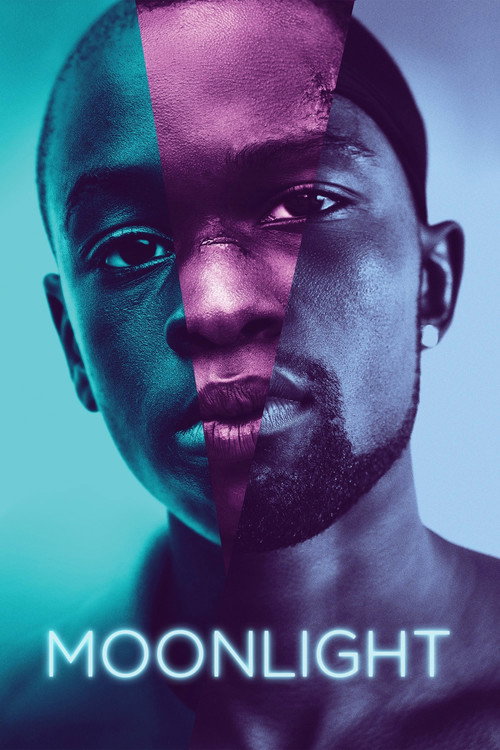
Moonlight2016
Three linked moments in a young man's life, each capturing a different register of identity and belonging. Shares A Sun's refusal to judge, its intimacy with shame, and its belief that broken families still deserve tenderness.
But Deliberately sparse and meditative; there's no plot engine carrying you. Viewers wanting conventional narrative momentum will feel adrift.
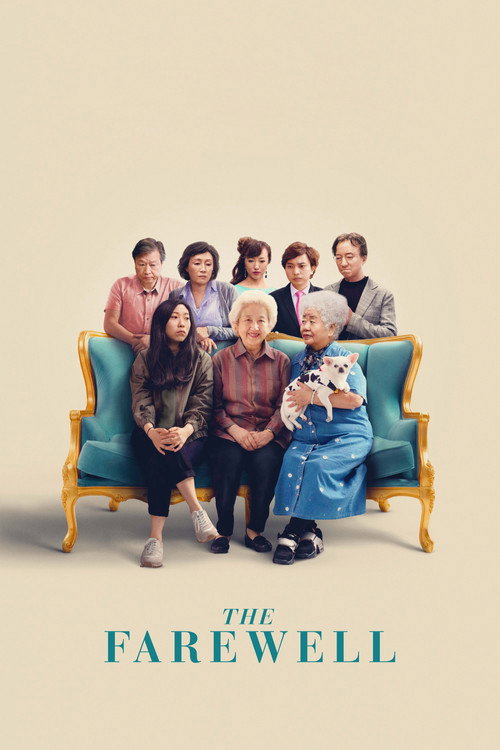
The Farewell2019
A family holds together through crisis by doing what they believe is right, even as it fractures their relationships. Both films understand Asian family dynamics—duty, secrecy, the weight of reputation—with nuance and affection.
But The tone shifts between comedy and heartbreak; some find the tonal whiplash unsettling rather than earned.
Not sure tonight? Get a pick in a minute, starting from A Sun
The wildcard
Something you would not have found on your own.
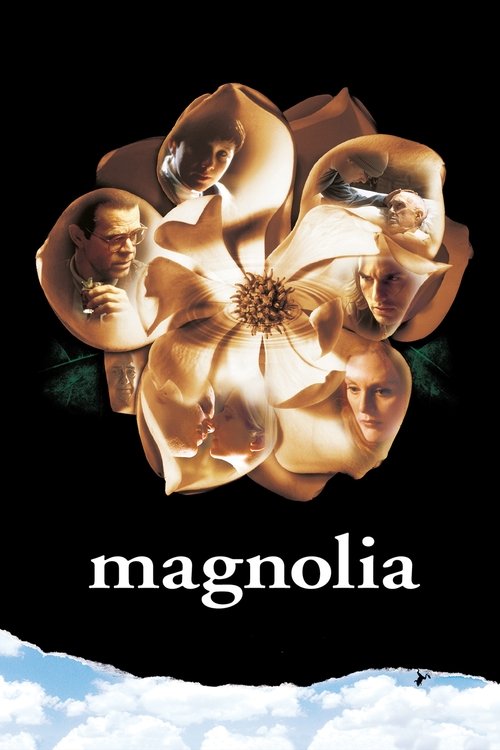
Magnolia1999
Both movies insist that scattered people's private despairs are connected by something structural, not coincidental. Both trust the audience to hold multiple simultaneous heartbreaks without resolution or synthesis.
Paul Thomas Anderson's three-hour ensemble sprawl connects eight strangers through shame, regret, and the ways parents damage their children. Shares A Sun's architecture: multiple viewpoints, no single protagonist, fractured family systems as the engine.
But Maximalist and baroque where A Sun is restrained; features a literal plague of frogs. The scale and tone are radically different, which is the point.
More like this (8)
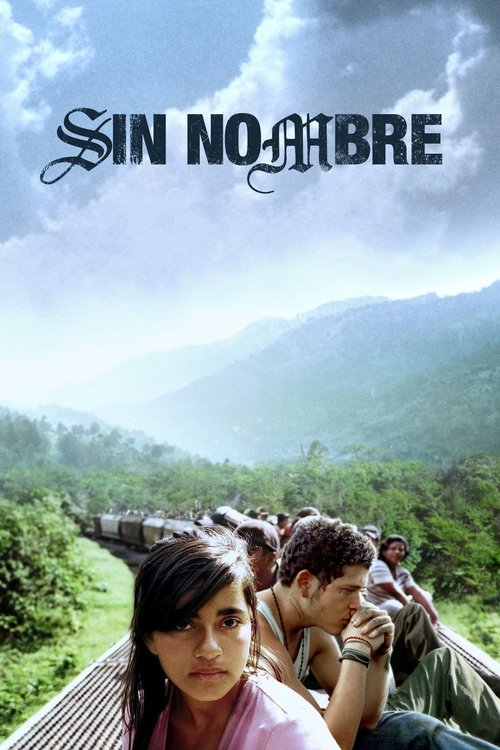
Sin Nombre2009
Two young people intersect in a world of gang violence and migration. Like A Sun, it tracks how circumstance and choice collapse into each other, and refuses easy moral categories or redemption.
But Genuinely bleak with moments of brutal violence. Not a film that offers comfort or resolution in the way audiences often need.
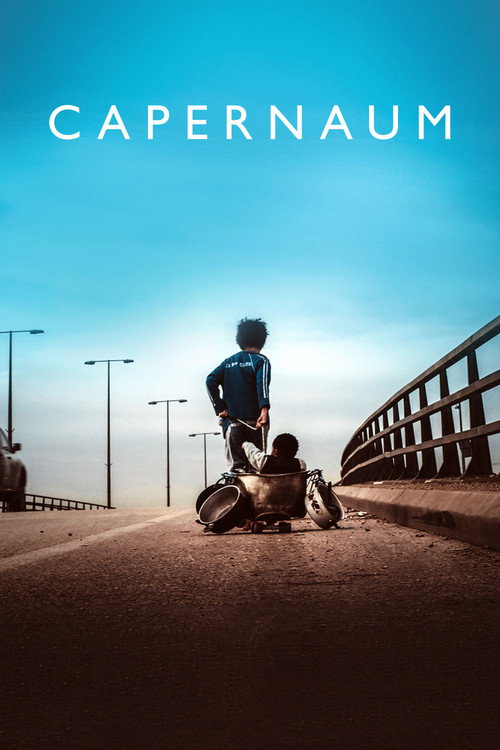
Capernaum2018
A street child in Beirut sues his parents for the crime of giving him life in poverty. Formally daring, compassionately enraged, it shares A Sun's interrogation of family as both refuge and trap.
But The film is angry in ways that can feel didactic. Some experience its rhetoric as heavy-handed rather than honest.
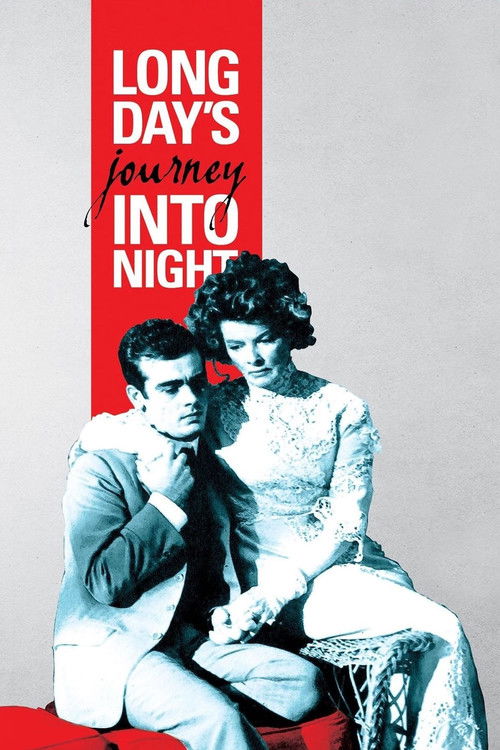
Long Day's Journey Into Night1962
A man returns to a coastal town and remembers a past that won't stay buried. Taiwanese cinema with similar structural precision; grief and regret accumulate rather than climax.
But Almost three hours, mostly in a single house. Demands patience with mood and memory over incident; many will simply want more to happen.
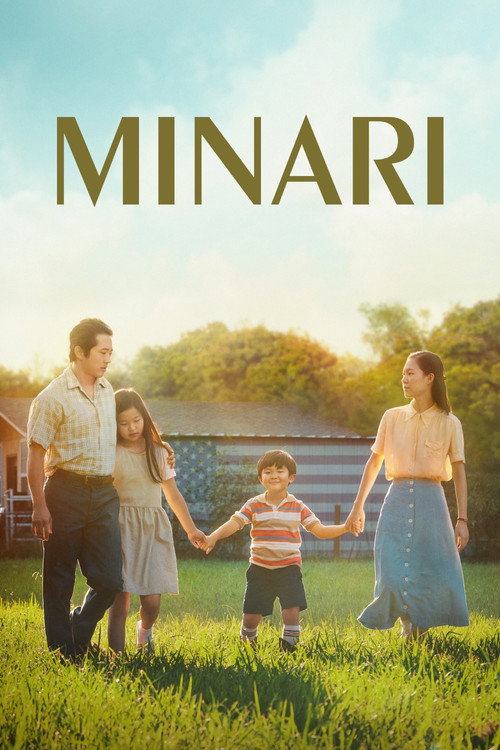
Minari2021
An immigrant family's American dream fractures under financial pressure and class resentment. Understands the specific architecture of parental disappointment and sibling rupture.
But The second half pulls toward sentiment and reconciliation. Those wanting a harder edge will find it lets itself off too easily.
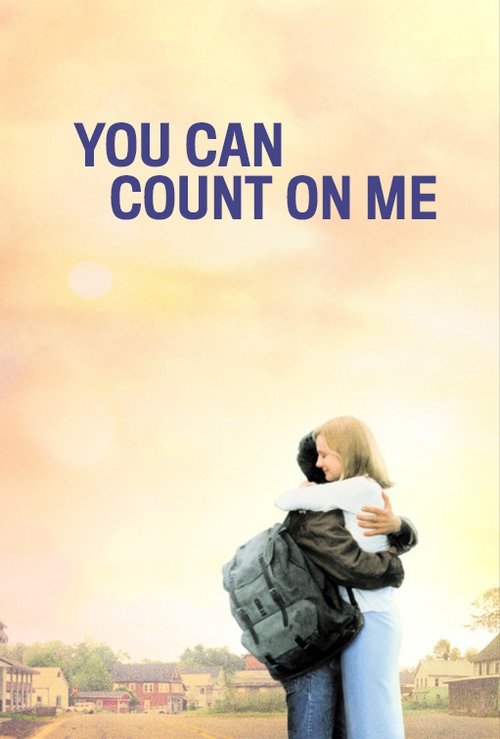
You Can Count on Me2000
Siblings navigating adult life while still beholden to childhood wounds. Intimate and economical, it captures how family obligation and love become indistinguishable.
But More muted and American than A Sun; some find it too quiet to hold attention, especially its middle passages.
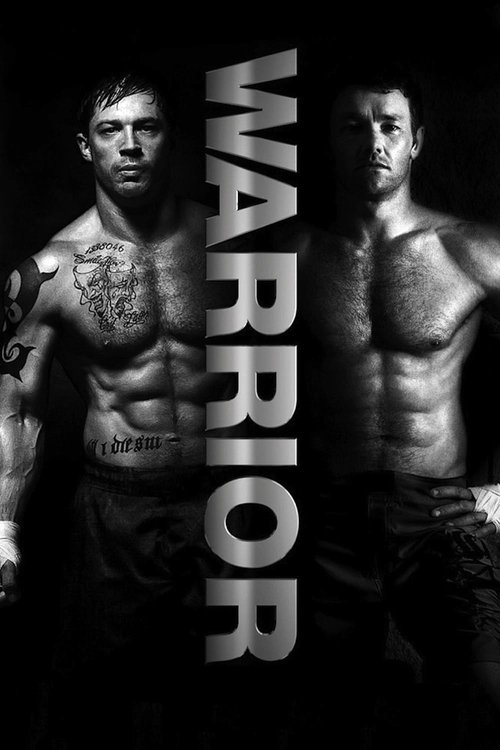
Warrior2011
Two brothers and an absent father collide at a fighting tournament. Same DNA of masculine pride, family silence, and the violence that fills the space between them.
But More conventionally cathartic than A Sun, which some appreciate but others find simplistic in comparison.
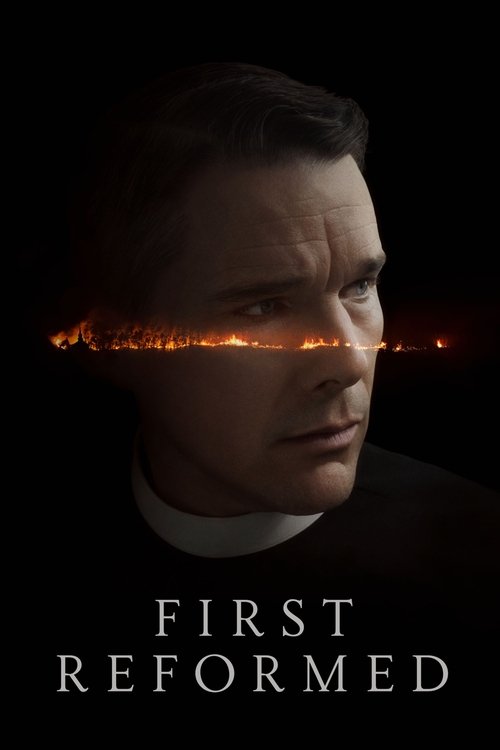
First Reformed2018
Both films treat shame—familial, spiritual, moral—as a physical substance that inhabits the body. Both use formal restraint to make that shame visible rather than melodramatic.
An American minister spirals through environmental grief and spiritual crisis while carrying his own family trauma. Documentary-flat aesthetic and theological precision make it feel like watching someone's conscience unfold in real time.
But Aggressively austere and suffused with dread. Beautiful but punishing; not for viewers seeking lightness or hope.
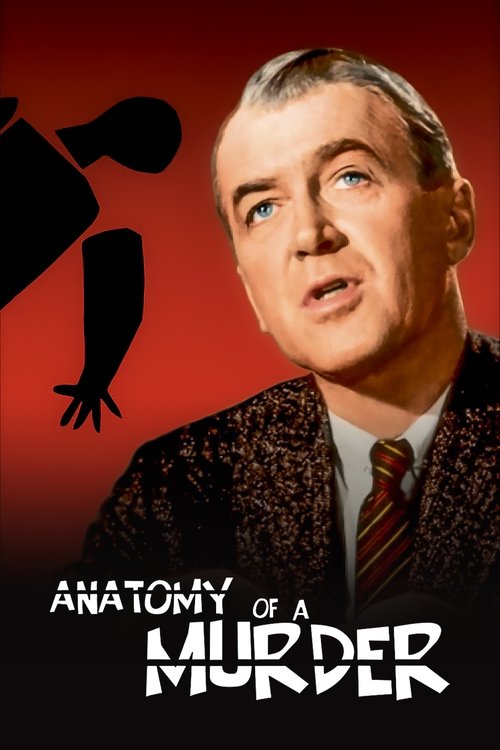
Anatomy of a Murder1959
Both interrogate whether law and justice are even the same thing, and whether families are fundamentally knowable. Both end not with verdict but with quiet, private comprehension.
A small-town lawyer defends a man accused of killing his wife's rapist. Predates A Sun by sixty years but constructs a similar moral maze: no innocent parties, only people choosing what they can live with.
But Courtroom-procedural pacing unfamiliar to modern viewers. Dated in ways that can feel alienating, though the inquiry itself never dates.
People
Cast
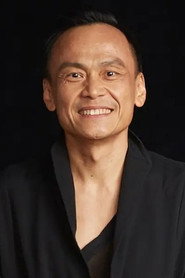 Chen Yi-wenA-Wen
 Ko Shu-ChinMiss Qin
- Wu Chien-hoA-Ho
 Apple WuXiao-Yu
 Greg HsuA-Hao
 Liu Kuan-tingRadish
 Ivy YinMiss Yin
 Wen Chen-lingXiao-Zhen
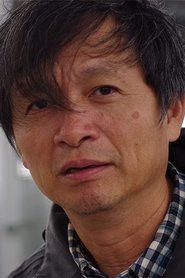 Lin Chih-juOden Senior
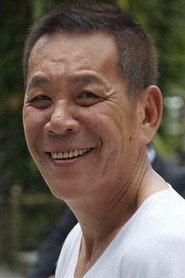 Lung Siu WaOld Gao
- Hu Hung-taSwarthy Instructor
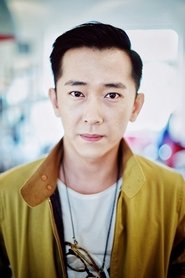 Shih Ming-shuaiBrother Chao
Directing
- Chung Mong-hongDirector
Writing
- Chang Yao-shengScreenplay
- Chung Mong-hongScreenplay
Production
- Tseng Shao-chienProducer
- Yeh Ju-fengProducer