
Film
You Can Count on Me
Kenneth Lonergan's quietly devastating debut watches a small-town single mother and her drifting younger brother try, and often fail, to be good to each other. Nothing explodes; nobody gets neatly redeemed. It's a patient, funny, exactingly written film about how the people we love stay exactly themselves — for better and worse. Best for viewers who prize character over plot.
If you liked this
Manchester by the Sea2016
Lonergan's later masterpiece trades this film's warmth for something colder and more devastating — grief, small-town New England, family obligation nobody wants. If you loved how honestly he writes silence and awkwardness, this is his deepest version of it.
But It's heavier and sadder than this film, with less room to breathe — a genuinely difficult watch some evenings.

Ordinary People1980
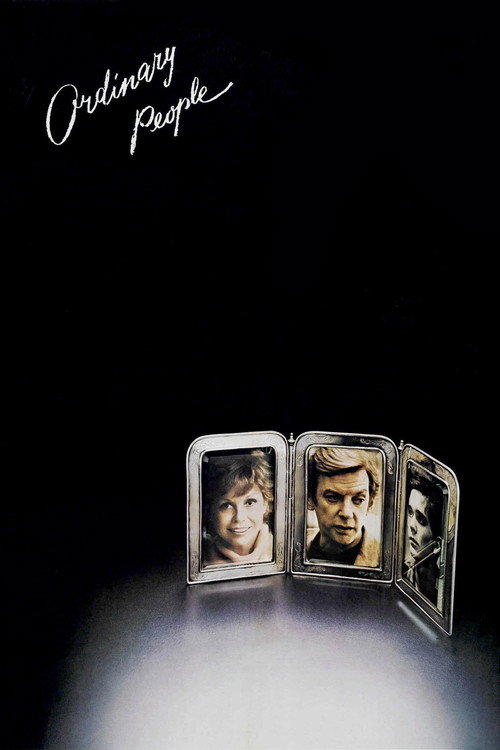
Robert Redford's Oscar-winning drama shares the same unglamorous approach to grief and dysfunction inside a 'normal' family, refusing melodrama exactly where a lesser film would reach for it.
But Its restraint can feel chilly, and its early-80s therapy-era mood hasn't aged perfectly for everyone.
The Savages2007
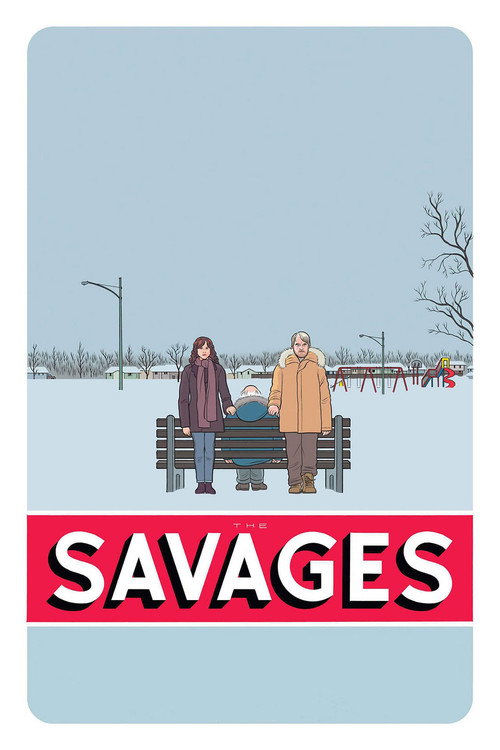
Laura Linney again, paired here with Philip Seymour Hoffman as estranged siblings forced together by a parent's decline — the same unsentimental honesty about how families actually talk to each other.
But The subject matter, aging and caregiving and resentment, is bleaker territory with less warmth than this film's ending.
The wildcard
Something you would not have found on your own.
Stevie2003
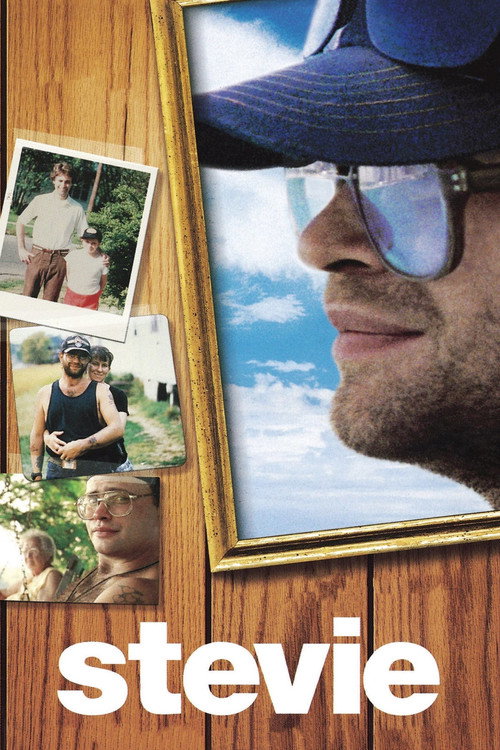
Same core question as this film — how much do you owe someone you love who keeps letting you down — except nobody wrote the ending, because nobody could.
Documentarian Steve James returns to check on Stevie, a troubled young man he once mentored — and the film becomes an agonising real-life echo of Terry: the sibling-figure everyone loves but can't fully trust or save.
But It is real, and its subject's history includes genuinely disturbing material — nothing here is softened for drama.
More like this (8)
Junebug2005no page yet
An outsider arrives in small-town America and watches a family reveal its cracks slowly, with the same attention to small, specific, true behaviour rather than big dramatic beats.
But Slower still, and some may find its quietness tips into inertia rather than tension.
Rachel Getting Married2008
A prodigal sibling returns and disrupts a family event, shot with the same handheld, lived-in intimacy — messy, loving, occasionally unbearable in exactly the way real families are.
But It's noisier and more chaotic than this film, with a bigger, more theatrical emotional register.

Nebraska2013
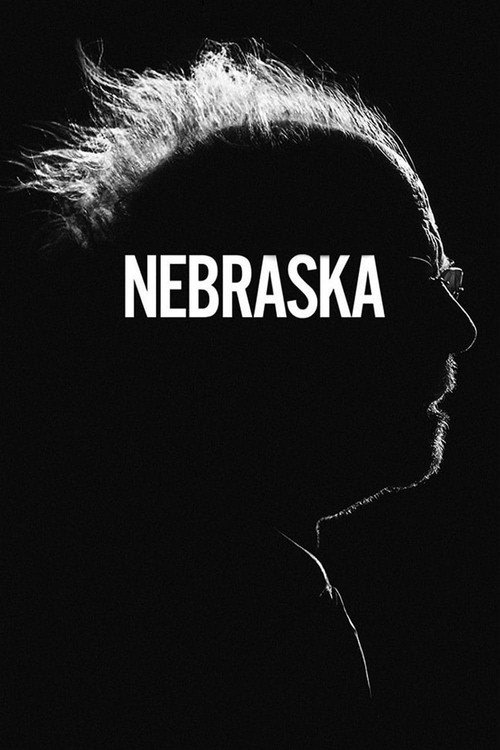
Small-town Midwest, deadpan humour, and a family quietly measuring what they owe each other — Alexander Payne's black-and-white road movie has the same dry tenderness underneath its comedy.
But The humour is broader and more overtly comic than this film ever allows itself to be.
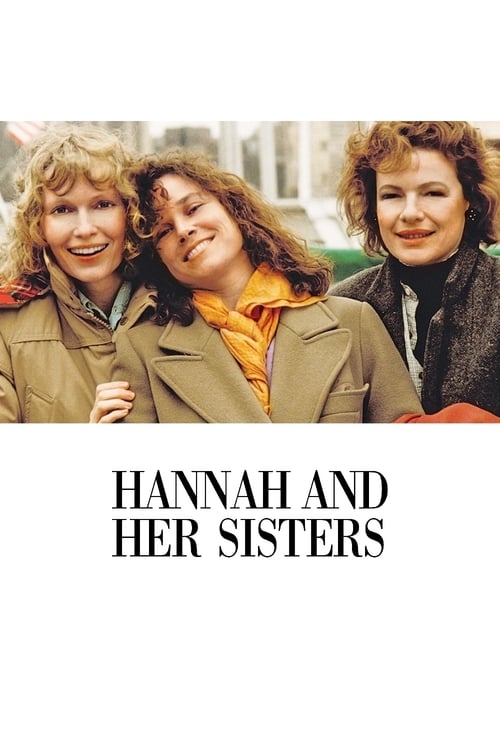
Hannah and Her Sisters1986
Woody Allen's warmest film watches three sisters navigate love, disappointment and each other with the same eye for how siblings wound one another casually, almost without meaning to.
But Allen's persona and ensemble structure feel very different in tone — talkier, more urban, more overtly witty.
This Is Where I Leave You2014no page yet
A more mainstream, star-studded take on adult siblings forced back together, mining the same territory of old resentments and reluctant affection, just with broader comic beats.
But It's glossier and more crowd-pleasing, trading this film's rawness for sitcom-adjacent comfort and tidy resolutions.
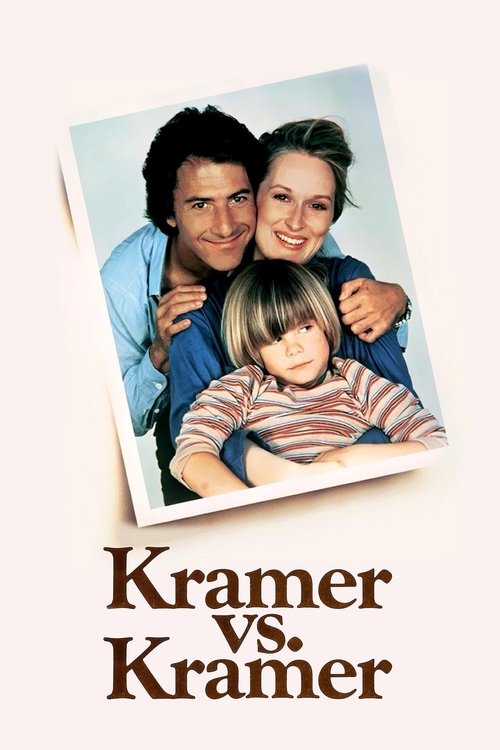
Kramer vs. Kramer1979
An earlier landmark of unflashy adult American drama — parenthood and separation handled with the same refusal to villainize anyone, letting ordinary people be difficult and sympathetic at once.
But Some of its gender politics feel dated now, a product of exactly the moment it was made.
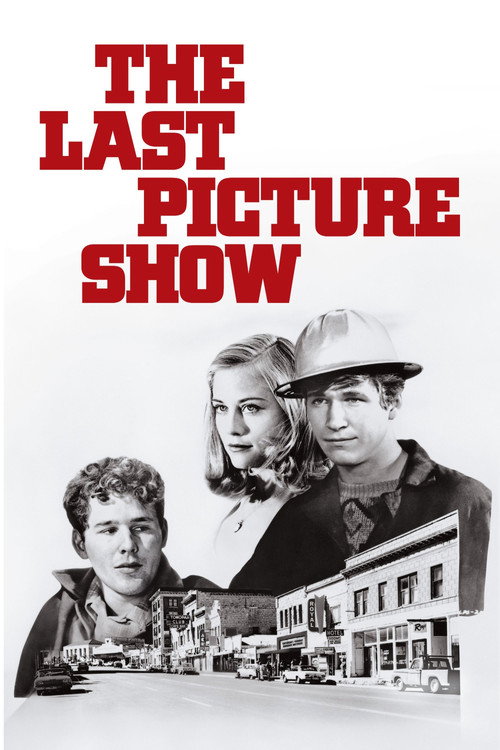
The Last Picture Show1971
Rudy's quiet coming-of-age, watching the adults around him disappoint each other, is essentially this film's teenage cast thirty years earlier and one town over.
Peter Bogdanovich's black-and-white elegy for a dying Texas town watches teenagers and adults fail each other with the same unhurried, unsentimental clarity — a film that trusts silence and small talk as much as this one does.
But It's from 1971, shot in black and white, and moves at a pace some modern viewers will find glacial.
Uncle Buck1989no page yet
Terry and Buck are structurally the same character: the chaotic sibling everyone's afraid to rely on who turns out to matter more than expected. One film plays it straight; the other plays it for laughs.
The same premise — an unreliable, overgrown relative crashes back into a stable household and upends everything — played completely straight for big, warm John Candy comedy instead of quiet devastation.
But It's broad, sentimental studio comedy from the 80s; anyone hoping for nuance or ambiguity will be disappointed.
People
Cast
 Laura LinneySammy
 Mark RuffaloTerry
 Matthew BroderickBrian
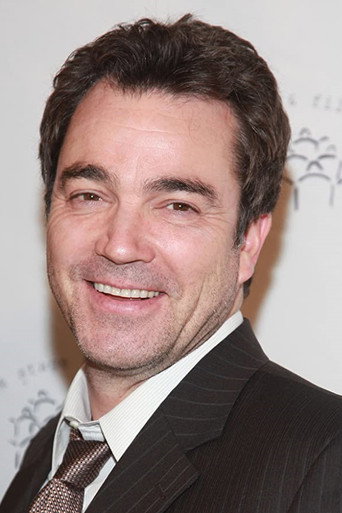 Jon TenneyBob
 Rory CulkinRudy
 J. Smith-CameronMabel
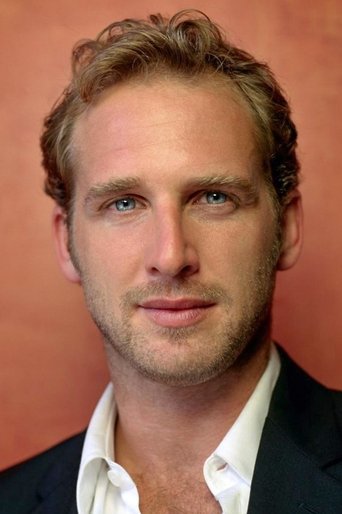 Josh LucasRudy Sr.
 Gaby HoffmannSheila
 Adam LeFevreSheriff Darryl
 Amy RyanMrs. Prescott
 Michael CountrymanMr. Prescott
Directing
- Kenneth LonerganDirector
- Michael LermanFirst Assistant Director
- Peter ThorellSecond Assistant Director
Writing
- Kenneth LonerganWriter
Production
- Rachel PetersAssociate Producer
- Robert KravisAssociate Producer
- Lina ToddCasting
- Julian IragorriCo-Producer
- Keith AbellCo-Producer
- Donald C. CarterExecutive Producer
- Martin ScorseseExecutive Producer
- Morton SwinskyExecutive Producer
- Steve CarlisExecutive Producer
- Jill FootlickLine Producer
- Barbara De FinaProducer
- Jeffrey SharpProducer
- John N. HartProducer
- Larry MeistrichProducer
- Jamie H. ZelermyerProduction Supervisor
- Susan SenkPublicist
- Jill FootlickUnit Production Manager
Recommended by
Hannah and Her Sisters, Manchester by the Sea, The Royal Tenenbaums, The Squid and the Whale, The Savages, The Family Stone, Margot at the Wedding, Young Adult