
Film
Melinda and Melinda
Woody Allen's formal experiment: two versions of the same woman's story unfold in parallel, one played as comedy, one as tragedy. Melinda arrives in New York fractured by divorce, and the same events become either farcical or devastating depending on the frame. It's audacious and deliberately artificial—less about feeling than about how tone shapes meaning. For Allen devotees and anyone curious about storytelling mechanics.
If you liked this
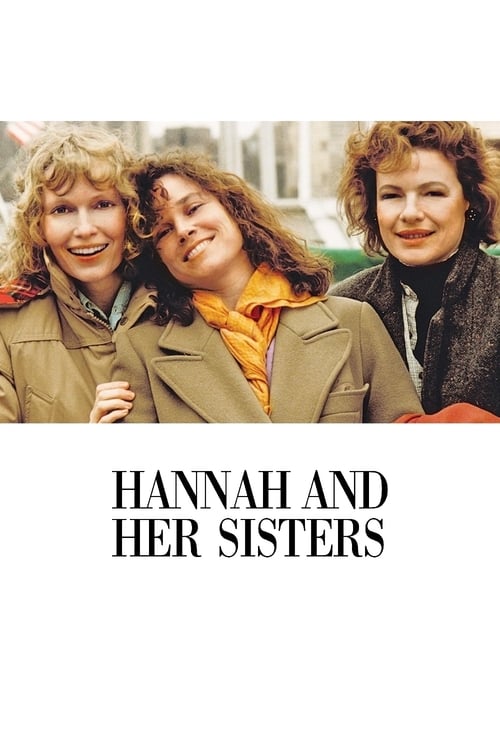
Hannah and Her Sisters1986
Allen's most generous ensemble work, where multiple storylines and love triangles weave together with intelligence and actual warmth. Real stakes coexist with real laughs, proving the formula can work.
But Requires patience with Allen's recurring neuroses and New York-centric worldview. Some find his self-insertion exhausting.
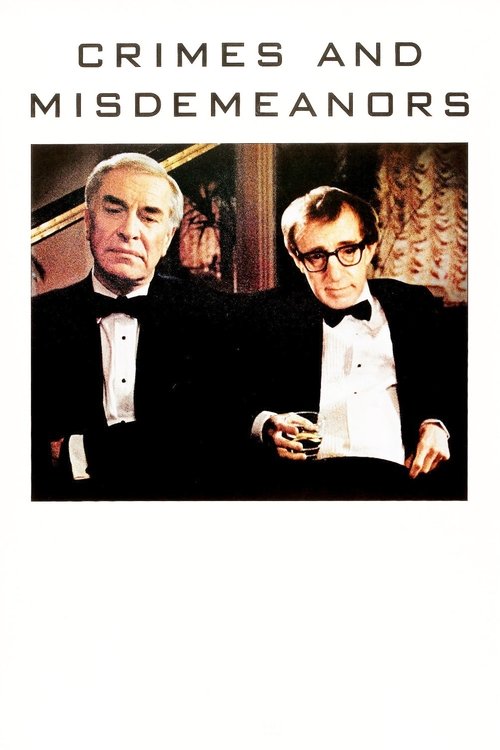
Crimes and Misdemeanors1989
Allen's most serious reckoning with morality and consequence. Two parallel narratives—one tragic, one romantic-comic—explore whether evil goes unpunished. Similar structure, infinitely deeper.
But The tone shifts are jarring by design. Darker than you expect from an Allen film, and the comedic storyline can feel like tonal whiplash.
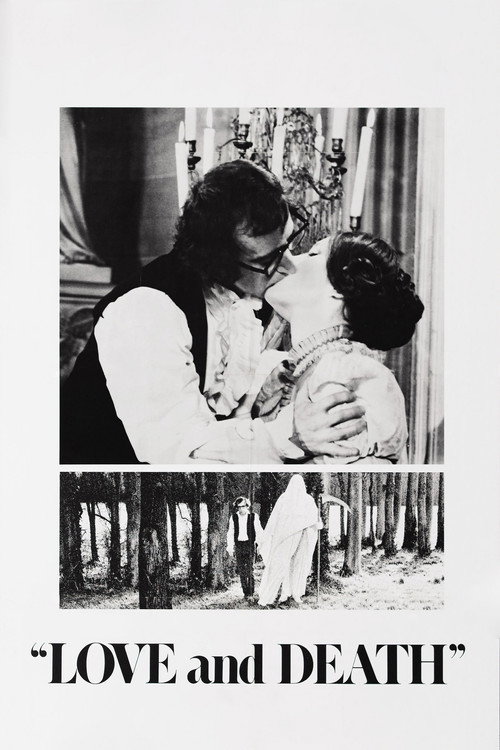
Love and Death1975
Allen's earliest experiment with tone collision: a romantic comedy wrapped around Russian literature and philosophy. Playful, absurd, genuinely moving. Less mannered than later work.
But The parody impulse overwhelms character development. Feels dated in its references and Allen's neurotic persona hasn't yet found its full voice.
Not sure tonight? Get a pick in a minute, starting from Melinda and Melinda
The wildcard
Something you would not have found on your own.
Tokyo Story1953
Both use formal constraint to reveal how perspective transforms the same events. Ozu shows this through temporal layers; Allen through simultaneous genres. Same philosophical question, opposite methods.
Ozu's seemingly simple portrait of an elderly couple visiting their children and grandchildren. But beneath stillness and repetition, tones shift subtly—comedy becomes loneliness becomes grace. Allen's parallel-narrative conceit applied to real life.
But Nothing visibly happens. Static camera, minimal music, Japanese domestic rhythms. Patience demanded, and if you're expecting plot, you'll be baffled and bored.

More like this (8)
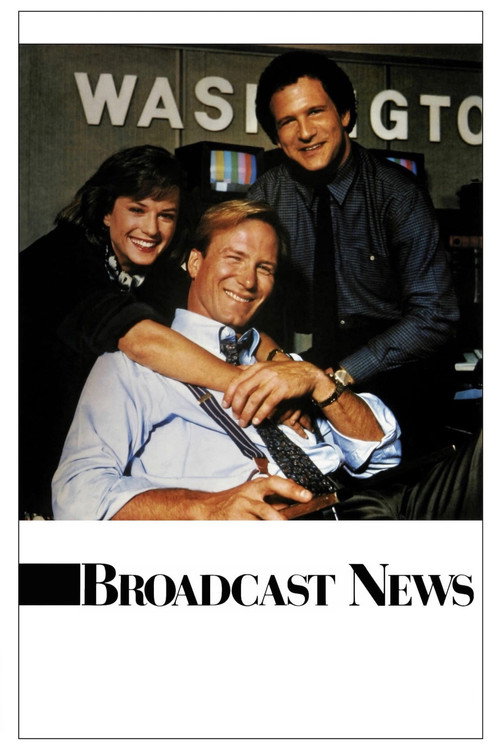
Broadcast News1987
James L. Brooks' ensemble comedy-drama about TV news, where tone genuinely serves story. Smart characters caught between ambition and ethics. Funny and piercing in equal measure.
But 1980s workplace dynamics feel period-specific now. Romance subplot competes with sharper satirical material and sometimes wins.
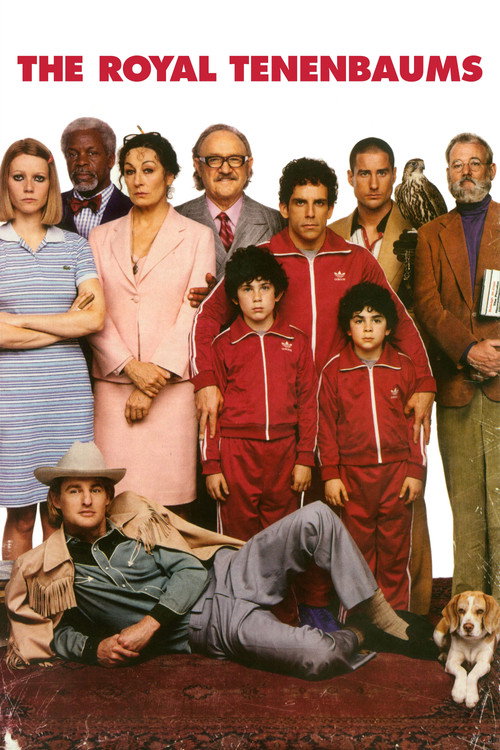
The Royal Tenenbaums2001
Wes Anderson's deadpan tragicomedy about a dysfunctional family. Like Melinda, it uses formal precision and shifting registers to make grief and absurdity coexist. Visually sumptuous.
But Symmetry and style can feel cold. Some find the quirk exhausting, and emotional beats may not land if you're resistant to Anderson's deliberate artifice.
Synecdoche, New York2008
Charlie Kaufman's baroque meditation on art, mortality, and the stories we tell. Ambitious, darkly funny, structurally wild. About the impossibility of separating life from performance.
But Dense, digressive, sometimes impenetrable. Requires active interpretation and rewards patience unevenly. Can feel like watching someone have a private breakdown.

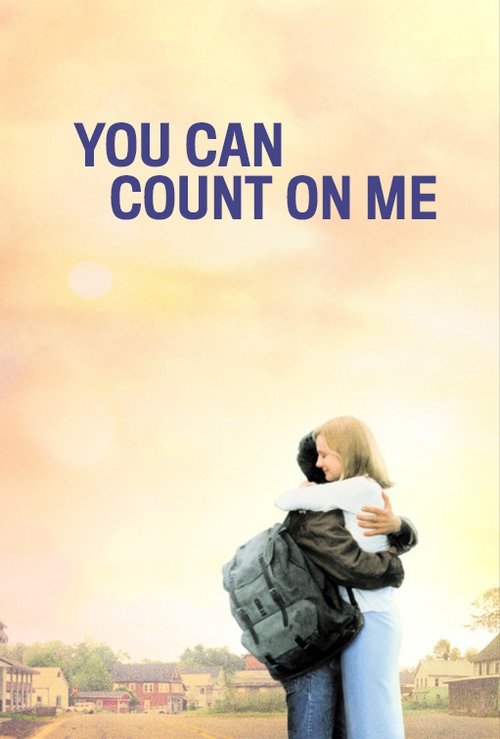
You Can Count on Me2000
Kenneth Lonergan's intimate study of sibling love and obligation. Tonal precision: moments of genuine comedy emerge from real pain. Character-driven, perfectly cast, utterly alive.
But Small scale and internal. If you need plot momentum or external stakes, this will feel like sitting in a waiting room.
Boyhood2014
Richard Linklater's twelve-year real-time portrait of growing up. Not a gimmick—the method allows tone to shift naturally across a life's arc. Comedy and heartbreak emerge from the same moments.
But Three hours of deliberate pacing. Scenes linger when you want them to move. If you're seeking plot propulsion, you'll be frustrated.

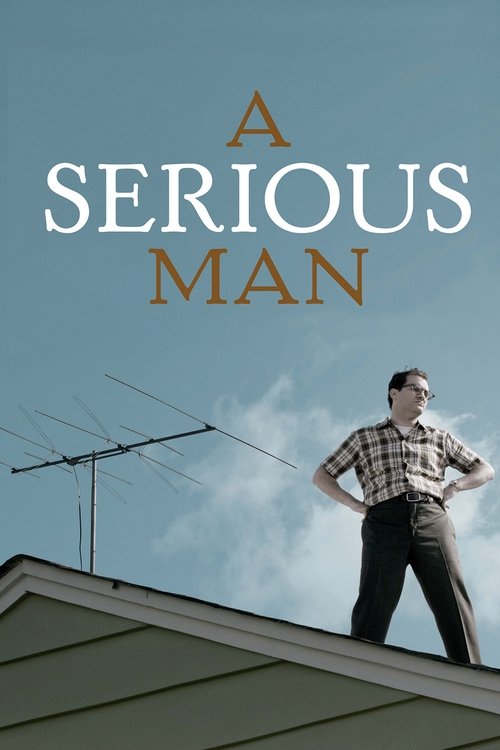
A Serious Man2009
The Coen Brothers' Job retelling as suburban Midwestern comedy. A man's life collapses in increasingly absurd ways. Tonal control is masterful; you're never sure whether to laugh or wince.
But Bleak underneath the humor. Refuses conventional resolution. Some find the cruelty to the protagonist difficult, and the meaning remains deliberately elusive.
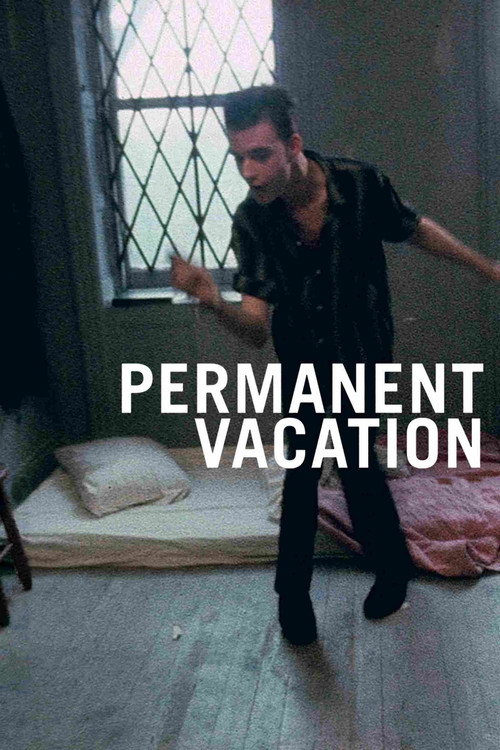
Permanent Vacation1981
Both resist conventional tone-binding. Where Allen uses genre to frame identical events, Jarmusch refuses to stabilize mood at all—the viewer must hold multiple feelings at once.
Jim Jarmusch's debut: a young drifter moves through New York in elliptical sketches. Not quite comedy, not quite drama—tone floats indeterminately. Melancholic, quietly funny, structurally fragmented.
But No narrative momentum whatsoever. Feels like watching someone's aimless day. If you need character development or forward motion, this will feel like a prank.
A Prophet2009
Character-driven moral inquiry where similar events read differently depending on whose perspective dominates. Like Melinda, it asks: how does framing—whose story this is—determine meaning? But rooted in real consequence rather than formal play.
Jacques Audiard's prison drama, in French, about a young man's ascension and corruption. Visually stunning, morally complex, tonal shifts serve the character's arc. Tragedy that refuses sentimentality or easy judgment.
But Subtitles required. Prison violence is graphic and consequential, not aesthetic. Runtime is long and plot can feel deliberately paced. French cinema's pace is not American cinema's.

People
Cast
 Chiwetel EjioforEllis Moonsong
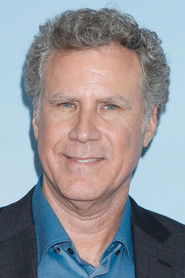 Will FerrellHobie
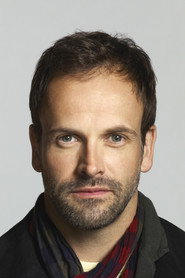
 Radha MitchellMelinda Robicheaux
 Amanda PeetSusan
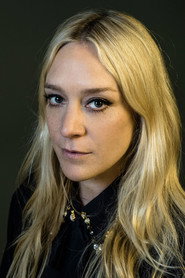 Chloë SevignyLaurel
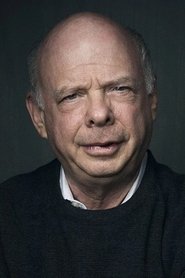
 David Aaron BakerSteve
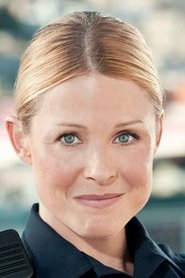 Arija BareikisSally Oliver
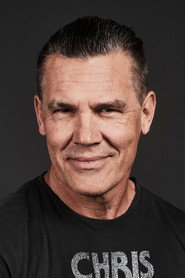 Josh BrolinGreg
 Steve CarellWalt
 Stephanie Roth HaberleLouise
Directing
- Woody AllenDirector
- Richard PatrickFirst Assistant Director
- Sheila WaldronScript Supervisor
- Dean GarvinSecond Assistant Director
Writing
- Woody AllenWriter
Production
- Abby BaileyAssistant Accountant
- Eric WrolstadAssistant Location Manager
- Amy R. TrachtmanAssistant Production Coordinator
- Juliet TaylorCasting
- Julie SchubertCasting Assistant
- Patricia Kerrigan DiCertoCasting Associate
- Charles H. JoffeCo-Executive Producer
- Jack RollinsCo-Executive Producer
- Helen RobinCo-Producer
- Stephen TenenbaumExecutive Producer
- Karen E. EtcoffExtras Casting
- Brian LamiaLocation Assistant
- Derek J. ManganelliLocation Assistant
- Eduardo GarabalLocation Assistant
- Christie MullenLocation Manager
- Steve GuilbaudPayroll Accountant
- Letty AronsonProducer
- Pietro Lorino, Jr.Production Accountant
- Scott KordishProduction Coordinator
- Helen RobinUnit Production Manager