
Film
Thirteen Conversations About One Thing
- Social drama
- Slow-burning
A New York ensemble that follows five lives colliding and ricocheting off each other, wrestling with happiness and chance. It moves between apartments, offices, and streets with the texture of real conversation—frustration, tenderness, small betrayals, and the humbling fact that nobody really knows what they're doing. Meditative rather than dramatic. For people who find depth in ordinary people's ordinary struggles.
Should you watch it?
Watch it if you enjoy films that circle one big question through several overlapping lives, rewarding patience and sharp, talky dialogue more than plot momentum, in the vein of Robert Altman's ensemble weaves.
Skip it if you want a clear throughline or steady forward motion, since it drifts between characters and vignettes and can feel like a series of talks rather than a single story pulling you along.
What it asks of you: It runs about an hour and forty-five minutes and stays mostly in conversation, so it needs you to sit still, track a shifting cast, and let meaning build slowly across the scenes.
Not sure? Find tonight's pick in a minute.
If you liked this
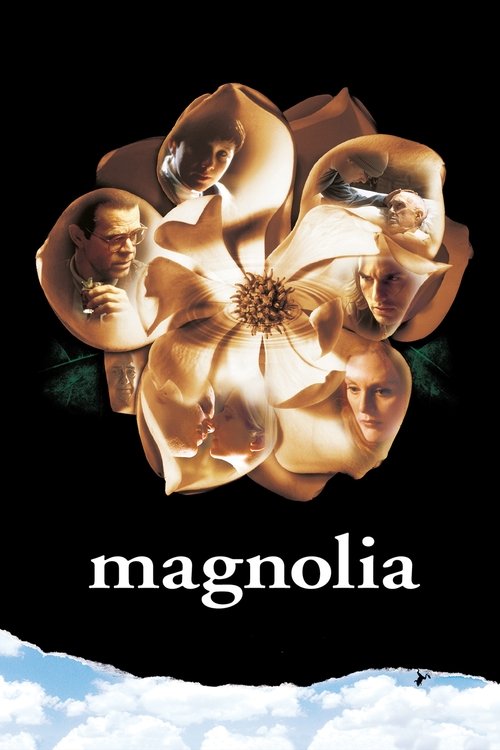
Magnolia1999
Another grand-scale ensemble about grief, coincidence, and hidden desperation that connects strangers across Los Angeles. It has the same architectural ambition but lets conversations breathe. Watch for how it builds emotional weight without melodrama.
But Nearly three and a half hours, and unapologetically earnest in ways that can feel heavy-handed if you're not in the mood for it.
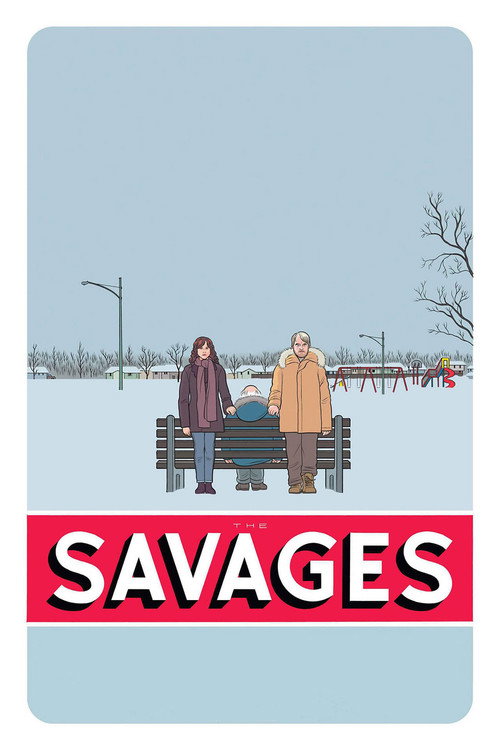
The Savages2007
A brother and sister navigate their aging parents' decline while confronting their own arrested lives. It's intimate, funny, and achingly human about how we fail people we love. Feels like watching real people rather than characters.
But The subject matter—aging, dementia, mortality—means it doesn't offer comfort or uplift. It offers understanding instead, which isn't always what you want.
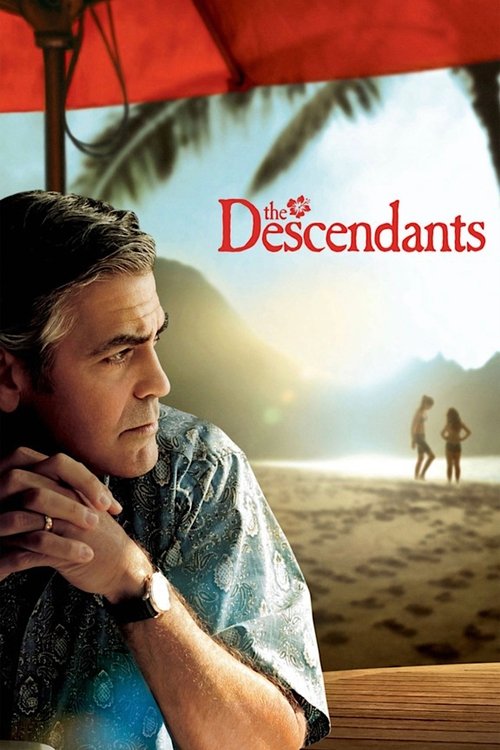
The Descendants2011
George Clooney's restrained performance anchors a film about a man learning who his wife actually was after her death. Quiet, complex observations about marriage, infidelity, and how little we know even the people closest to us.
But Moves slowly and dwells in emotional numbness. If you want catharsis, this offers recognition instead—sometimes harder to sit with.
Not sure tonight? Get a pick in a minute, starting from Thirteen Conversations About One Thing
The wildcard
Something you would not have found on your own.
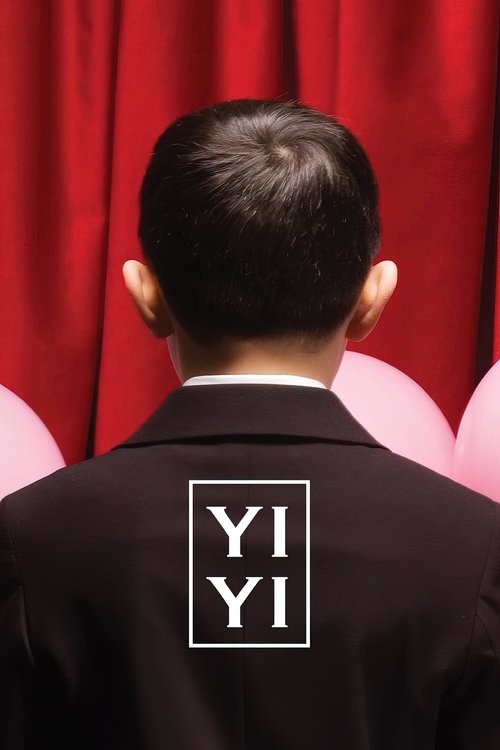
Yi Yi2000
Both are portrait-of-a-city films that trust ensemble structure and conversation over plot, building meaning through proximity and accident rather than dramatic collision.
Edward Yang's three-hour family epic follows a Taipei family through weddings, funerals, and the slow cracking of their relationships. Shot the same year with similar concerns to Thirteen Conversations, but Chinese cinema gives it a different grain. Achingly observant without self-pity.
But Three hours, mostly in Mandarin without subtitles in some releases, and structured as linked episodes rather than a narrative. It's a commitment that demands your full attention.
More like this (8)
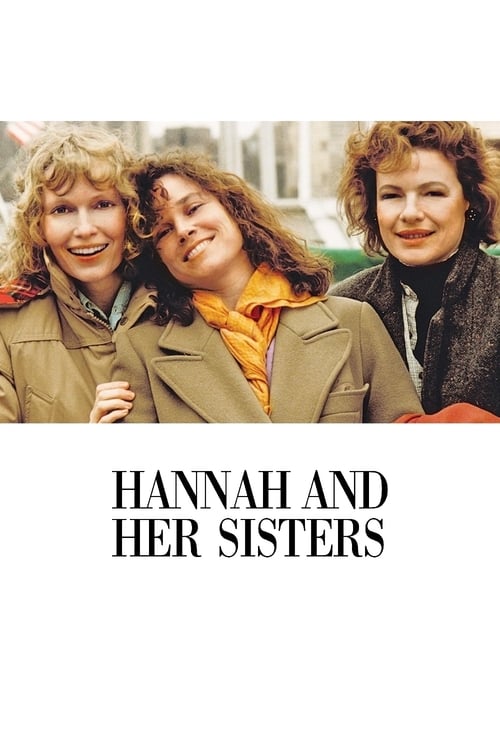
Hannah and Her Sisters1986
Woody Allen at his most generous, tracking three sisters and their partners through a year of ordinary crises. Witty but never cruel, interested in how people actually talk and stumble toward each other.
But Allen's stylistic flourishes and celebrity cameos can feel intrusive. Some passages haven't aged gracefully depending on what you know about him.
In the Mood for Love2000
Wong Kar-wai's masterpiece about two neighbors discovering their spouses are having an affair. Formally gorgeous and oblique, it's more about unspoken feeling and restraint than plot. A meditation on longing in confined spaces.
But Deliberately slow and elliptical. It's not interested in explaining itself or rushing anywhere. Visual beauty doesn't substitute for narrative momentum if you need things to happen.

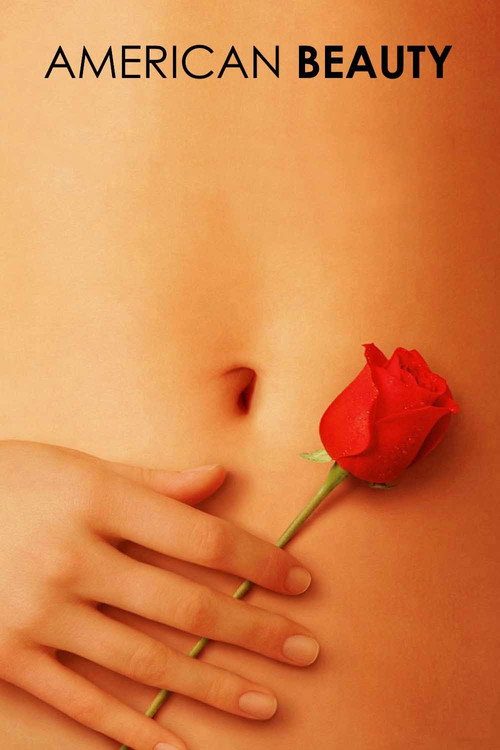
American Beauty1999
An ensemble about suburban desperation where middle-class lives crack open to reveal hunger, fantasy, and quiet anguish. Sharp about desire and the lies families tell themselves to survive.
But Occasionally tips into melodrama, and its attitudes toward female sexuality haven't worn entirely well. Some moments feel more designed to shock than genuinely earned.
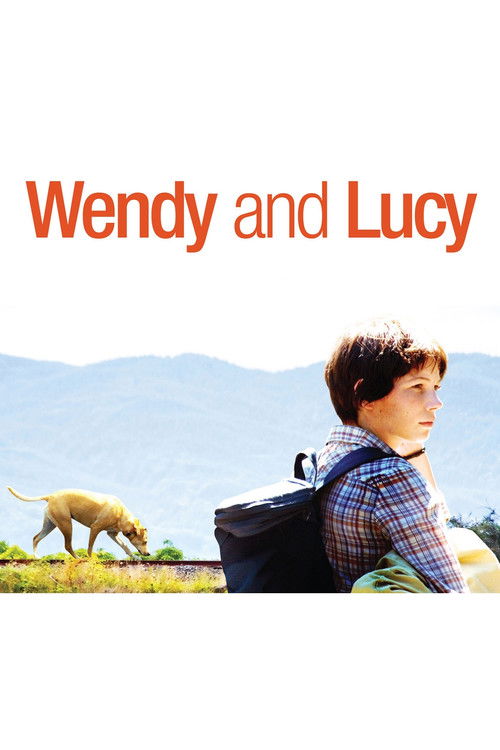
Wendy and Lucy2008
Kelly Reichardt's spare, devastating film about a woman and her dog, stranded in Portland. Minimal dialogue, maximum emotional precision. About dignity, survival, and what you lose when systems fail you.
But Extremely quiet and bleak. Very little happens in conventional terms. Michelle Williams carries the film almost entirely through her face, and if that doesn't move you, there's not much else there.
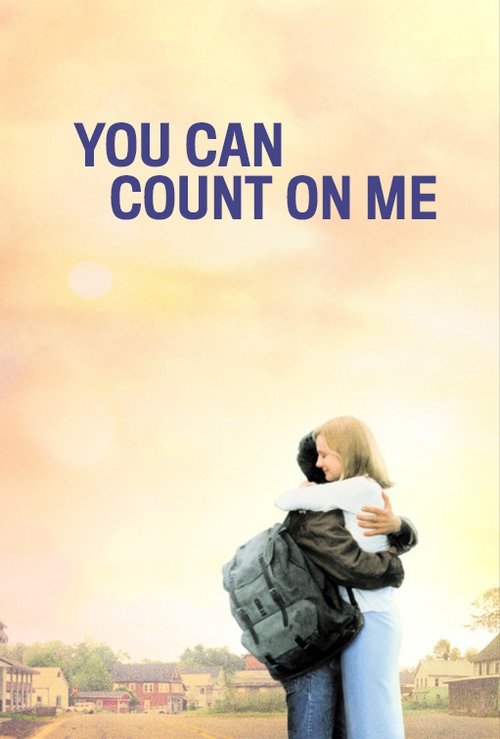
You Can Count on Me2000
A brother returns to his childhood home, disrupting his sister's carefully built life. Intimate, funny, tender, and bruising in turns—captures how family relationships contain everything: history, love, resentment, and no clear way through.
But The sibling dynamic centers on some pretty intractable problems that don't resolve neatly. Can feel repetitive if you need clear progress.
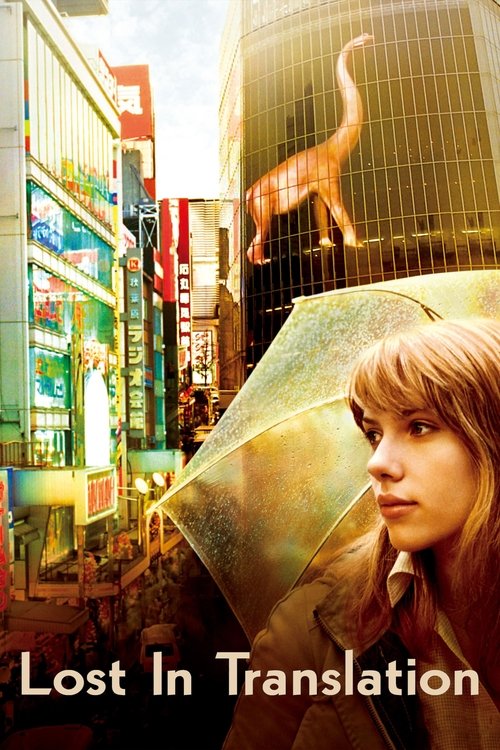
Lost in Translation2003
Two Americans adrift in Tokyo—one aging, one newlywed—find wordless companionship. Sofia Coppola makes loneliness and disconnection feel like the most natural human condition. Minimal plot, maximum atmosphere.
But Nearly plotless and meditative to the point of inertia. If you find the lack of dramatic propulsion alienating rather than contemplative, this will feel like watching someone else's melancholy.
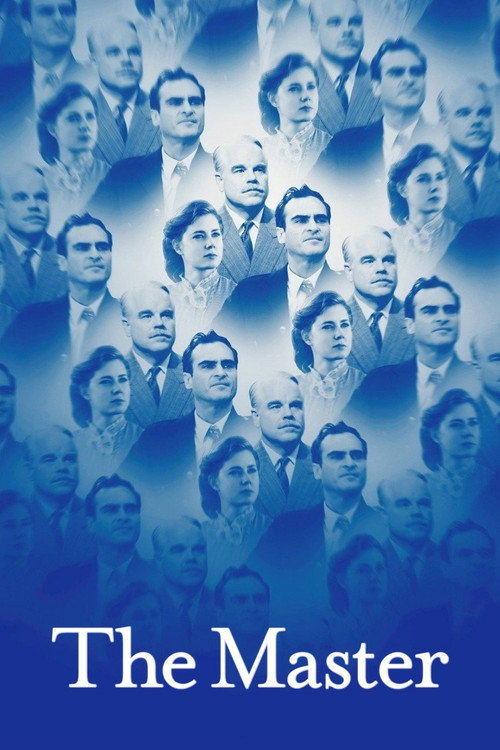
The Master2012
Both explore how chance encounters ripple through lives, and both are skeptical about the stories we tell ourselves to make sense of randomness. Same mood, opposite genres.
Paul Thomas Anderson's portrait of two men orbiting each other—a drifter and a charismatic con artist in post-war America. Gorgeous and elusive, built from glances and small power struggles. About how we project meaning onto people who don't deserve it.
But Aggressively cryptic and visually demanding (shot in 70mm). Anderson resists explanation, which is either liberating or frustrating depending on how much ambiguity you can tolerate.
Synecdoche, New York2008
Both films use intricate structure and multiple viewpoints to ask whether happiness is even possible, and both suggest the answer might be no—but the searching itself matters.
Charlie Kaufman's fever dream about a theater director building a life-size replica of New York inside a warehouse. Bewildering and brilliant, layering reality and artifice until you can't tell the difference. About the impossibility of knowing anyone, including yourself.
But Deliberately confusing with no interest in clarity. It sprawls, loops back, collapses under its own ambition. If you want to understand what you're watching, this will frustrate you.

People
Cast
 John TurturroWalker
 Clea DuVallBeatrice
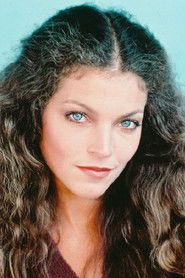 Amy IrvingPatricia
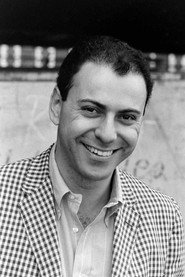 Alan ArkinGene
- David ConnollyOwen
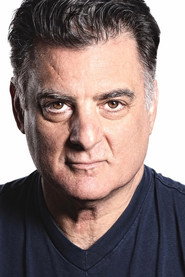 Joseph SiravoBureau Chief
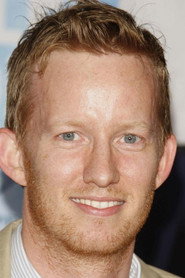 A.D. MilesCo-Worker
 Sig LibowitzAssistant Attorney
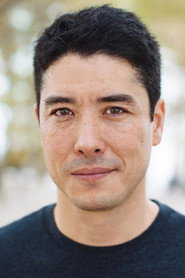 James YaegashiLegal Assistant
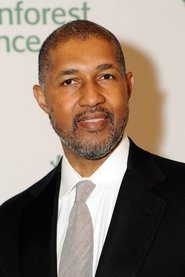 Dion GrahamDefense Attorney
- Fernando LópezDefendant
Directing
- Jill SprecherDirector
Writing
- Jill SprecherWriter
- Karen SprecherWriter
Production
- Laurie HansenAssociate Producer
- Adrienne SternCasting
- Amy HobbyCo-Producer
- Andrew FierbergCo-Producer
- Colin BatesCo-Producer
- Sabrina AtooriCo-Producer
- Andrew SpauldingExecutive Producer
- Doug MankoffExecutive Producer
- James C.E. BurkeExecutive Producer
- Michael StipeExecutive Producer
- Peter WetherellExecutive Producer
- Sandy SternExecutive Producer
- Stacy PlavoukosLine Producer
- Beni Tadd AtooriProducer
- Gina ResnickProducer