
Film
Ballast
- Social drama
- Very dark
Ballast is a sparse, meditative drama set in the Mississippi Delta about three isolated people—a widow, her angry son, and a grief-stricken store owner—whose lives collide after an act of violence. It unfolds with the rhythm of real time and real silence, demanding your full attention. For viewers who prize authenticity over plot, who find beauty in bleakness.
If you liked this
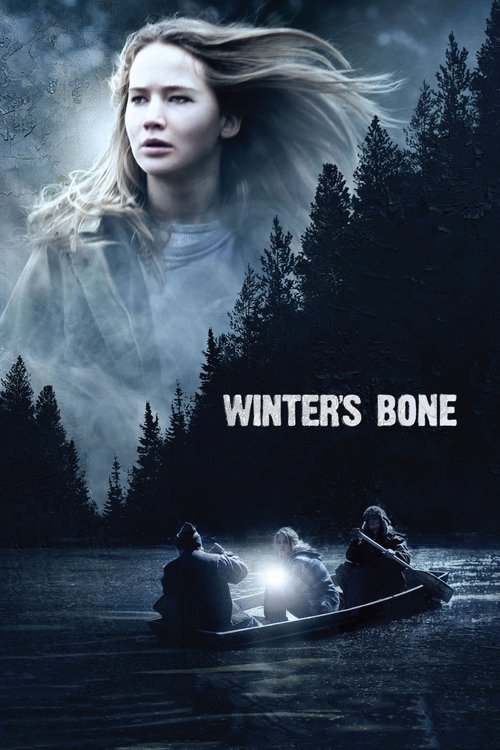
Winter's Bone2010
A young woman navigates poverty and family violence in rural Missouri with quiet determination. Like Ballast, it finds dignity in hardship and lets silence speak volumes about economic desperation and survival.
But The pace is glacial and the world depicted is relentlessly grim. There's no uplift, only endurance.
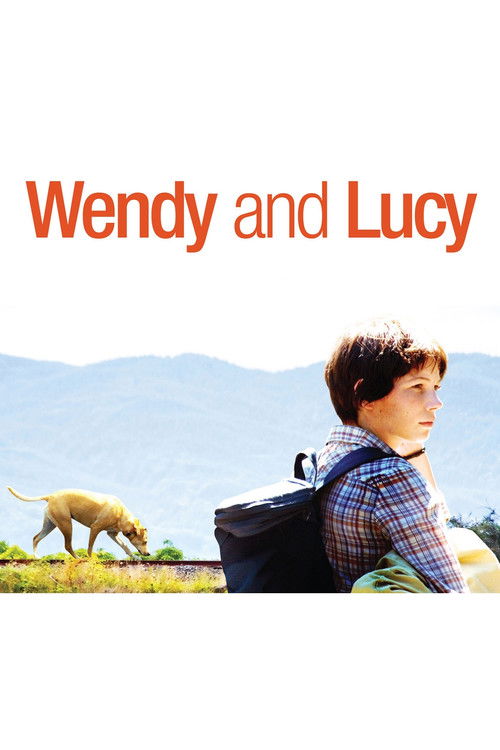
Wendy and Lucy2008
A woman and her dog struggle at the margins of American life. Both films share a documentary-like restraint, focusing on small gestures and the weight of economic precarity without sentimentality.
But Nearly plotless. If you need narrative momentum or clear character arcs, this will feel like watching someone else's quiet catastrophe.
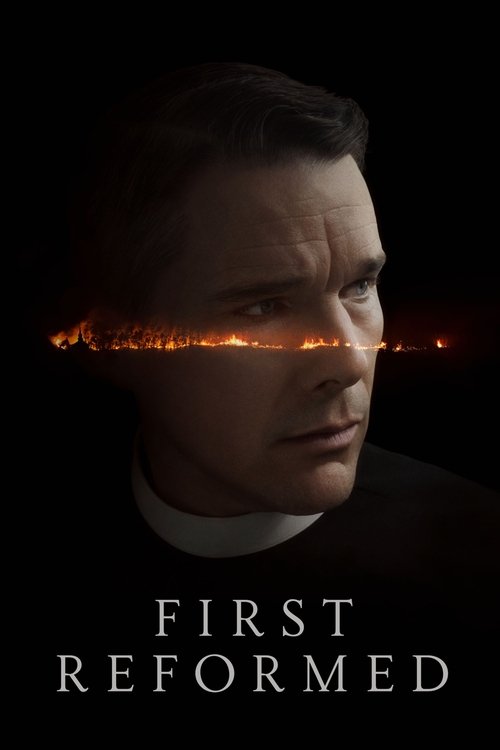
First Reformed2018
A pastor grapples with grief, rage, and spiritual emptiness in upstate New York. Like Ballast, it's about a person hollowed by loss, shot with austere beauty, exploring what faith means when hope fails.
But Intensely bleak and philosophically dense. The ending is deliberately disorienting and leaves no easy answers.
Not sure tonight? Get a pick in a minute, starting from Ballast
The wildcard
Something you would not have found on your own.
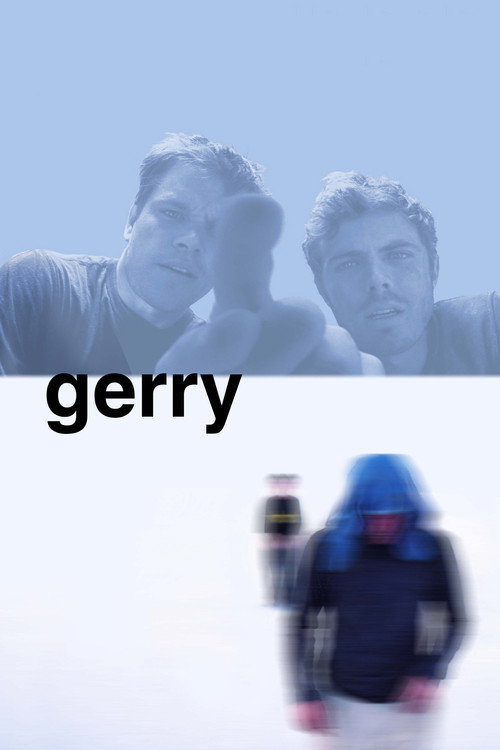
Gerry2002
Both films trust emptiness and duration as their primary tools, treating the viewer's patience as essential to the work's meaning.
Two young men get lost hiking in the desert. Gus Van Sant's film is almost entirely silence, landscape, and the sound of footsteps—cinema as endurance test. It shares Ballast's refusal to explain or manipulate, letting meaning emerge from emptiness and repetition.
But 110 minutes of people walking. No dialogue, no plot, no conventional reason to care. It's an ordeal, not entertainment.
More like this (8)
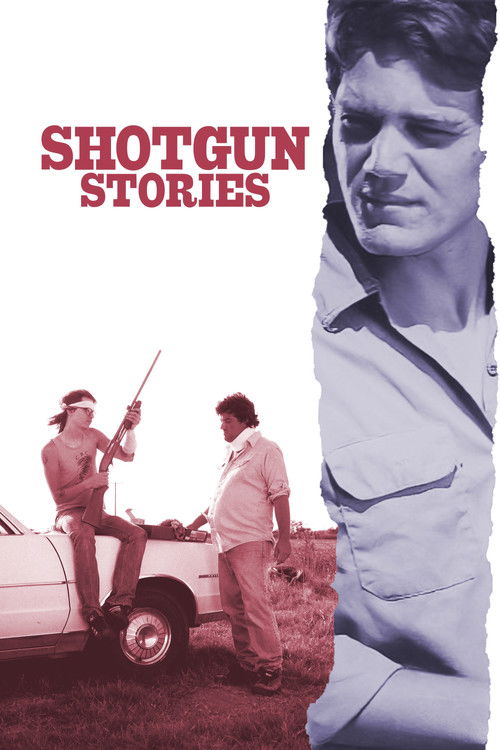
Shotgun Stories2007
Three brothers raised by a preacher face the ripple effects of family violence in rural Arkansas. Made the same year as Ballast, it shares the same unflinching eye for how rage gets passed down and how poverty shapes fury.
But Deliberately obscure and slow-burn. The violence is sudden but not cathartic; it leaves you unsettled rather than satisfied.
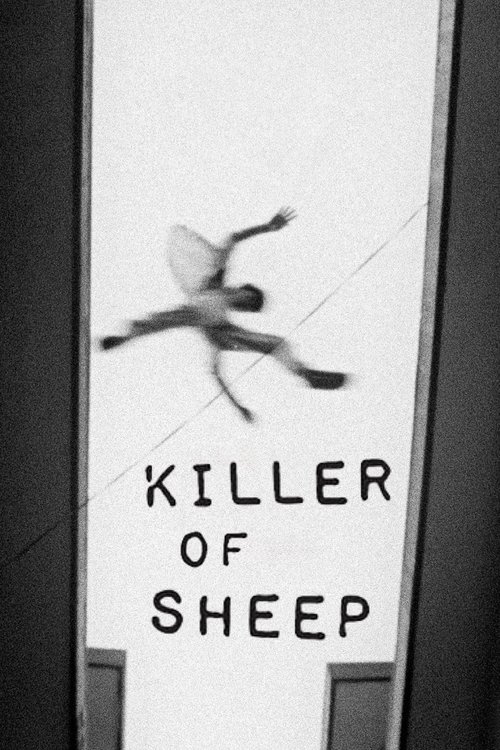
Killer of Sheep1978
A slaughterhouse worker in Los Angeles struggles through daily existence, captured in fragments and silences. A foundational film about economic alienation and spiritual numbness that Ballast seems to echo.
But Made on 16mm with non-professional actors, it can feel like a home movie. Some find its anti-narrative approach impenetrable.
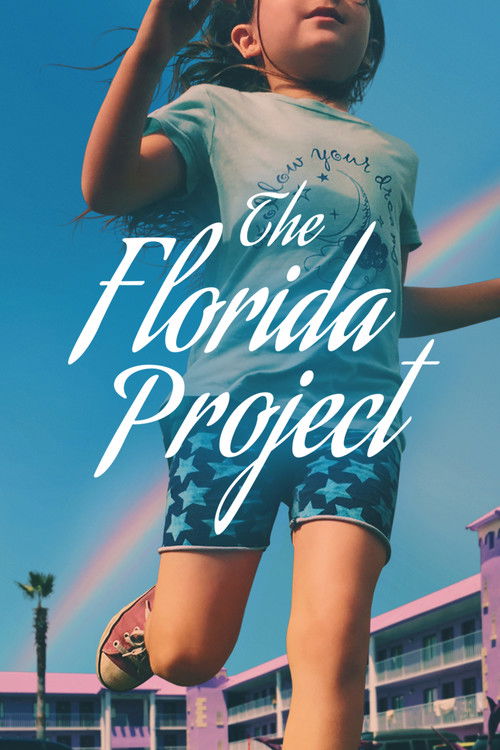
The Florida Project2017
Children and their struggling mother live in a motel at Disney World's edge. Ballast shares its interest in resilience amid precarity, and how adults' pain shadows the young without crushing them entirely.
But The hand-held camerawork is disorienting and the story refuses a third act. Its optimism, slight as it is, may feel tacked-on.
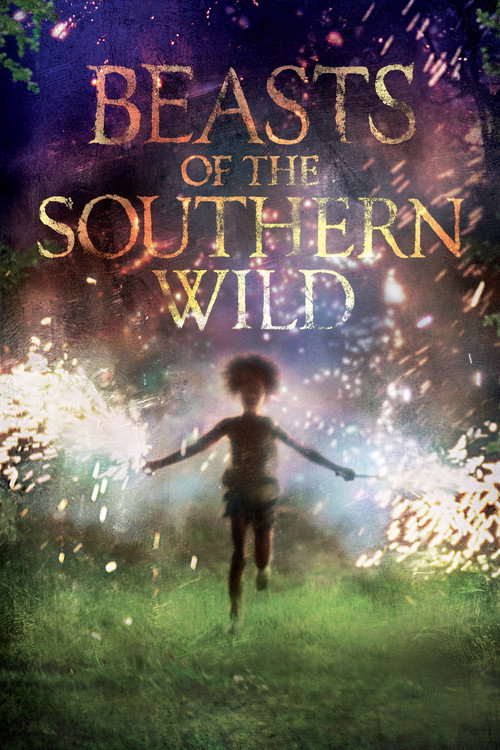
Beasts of the Southern Wild2012
A girl and her ailing father live in the bayou, building a world from scraps. Like Ballast, it finds mythic weight in poverty, shot in a style that makes destitution look luminous rather than merely bleak.
But The magical-realist elements and whimsical tone may clash with viewers seeking the documentary realism Ballast offers.
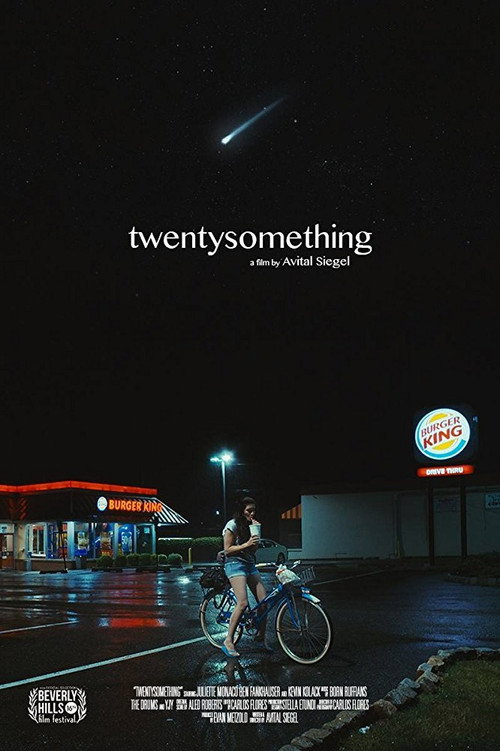
Twentysomething2016
A woman in rural Kentucky confronts grief and family dysfunction. Shares Ballast's commitment to regional specificity, economic authenticity, and the idea that the real drama happens in looks and silence.
But Extremely slow and introspective. Long sequences of driving or sitting. Almost nothing happens by conventional standards.
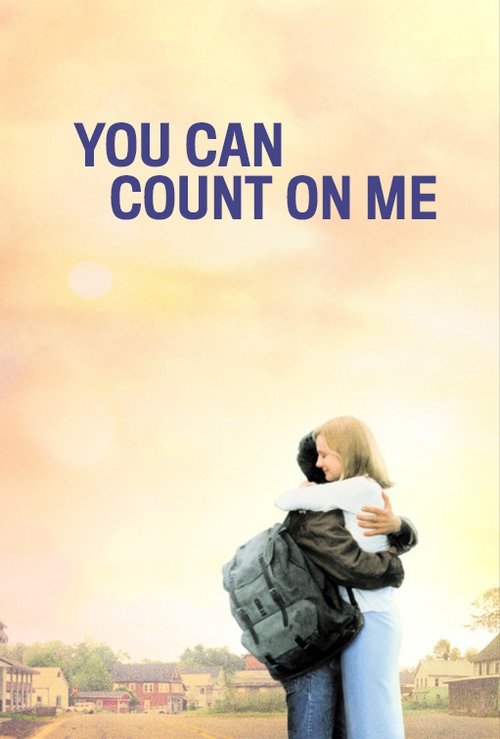
You Can Count on Me2000
A single mother and her brother navigate old wounds and present struggles in upstate New York. Less formally austere than Ballast, but shares its interest in how poverty and family history trap people in cycles.
But The indie-film preciousness and the relative emotional resolution may feel too neat if you want Ballast's harder edges.
Moonlight2016
Both films center on Black masculine pain and dignity in economically devastated American spaces, using visual poetry and restraint instead of exposition.
A Black man's life unfolds in three chapters in Miami. Like Ballast, it's about masculine vulnerability and silence—the things men don't say—and how economic marginalization and violence shape identity without fully determining it.
But Poetic and impressionistic rather than narrative. The structure (three separate timelines, actors changing) requires active interpretation and may frustrate viewers expecting conventional storytelling.

Stalker1979
Both films equate temporal duration with spiritual depth, using silence and landscape to explore what happens when people stop running from themselves.
A guide leads two men into a mysterious zone in search of a room that grants wishes. Tarkovsky's masterpiece is meditative, slow, and obsessed with spiritual emptiness and desire beneath surfaces—Ballast's concerns translated into science fiction and metaphysics.
But Soviet science fiction from 1979. 163 minutes. Philosophically abstract. If you want contemporary American realism, this is the opposite. It requires surrender to a completely different register.

People
Cast
- Micheal J. Smith Sr.Lawrence
- JimMyron RossJames
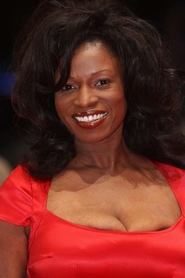 Tarra RiggsMarlee
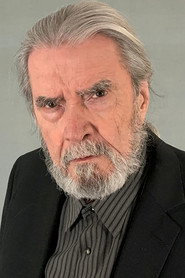 Johnny McPhailJohn
- Ventress BonnerTeen
 Jimez AlexanderTeen
Directing
- Lance HammerDirector
Writing
- Lance HammerWriter
Production
- Aimee ShiehExecutive Producer
- Andrew AdamsonExecutive Producer
- John J. HammerExecutive Producer
- Mark JohnsonExecutive Producer
- Lance HammerProducer
- Nina ParikhProducer