
Film
Gloria
Other titles called Gloria: the 1980 film.
Gloria is a Chilean portrait of a 58-year-old woman refusing to fade into invisibility. Paulina García carries this film with a performance that's warm, funny, and achingly human—she's searching for love in Santiago's singles scene, colliding repeatedly with hope and disappointment. It's gentle and unsentimental, interested in how we keep ourselves alive.
If you liked this
Another Year2010
Mike Leigh's portrait of a contented couple watched by their lonely friends. Like Gloria, it finds comedy and tragedy in the small humiliations of aging, desire, and the gap between how we want to live and what life offers.
But Leigh's tone can feel cold. The film doesn't offer easy comfort—some will find it too bleak, others too observational and slow.

Paterson2016
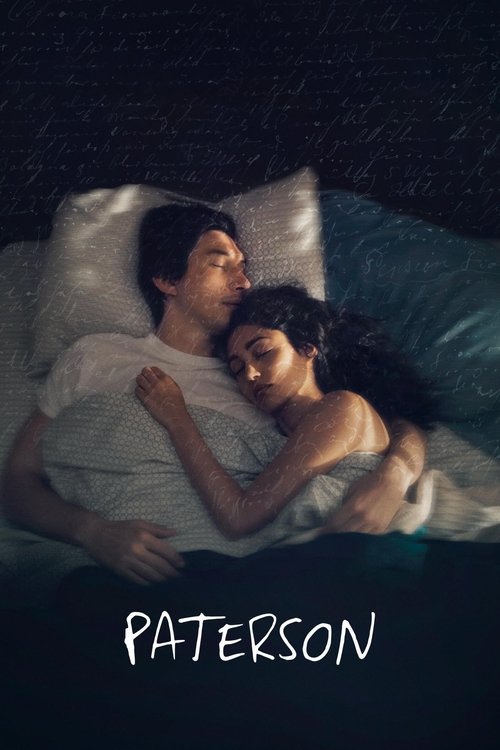
Jim Jarmusch's film about a bus driver finding poetry in everyday life. Both films understand that living well as an adult isn't about grand drama—it's about small rituals, small connections, and the grace of showing up.
But Nothing much happens. If you need plot momentum or a tidy ending, this will feel like watching paint dry, deliberately.
The Farewell2019
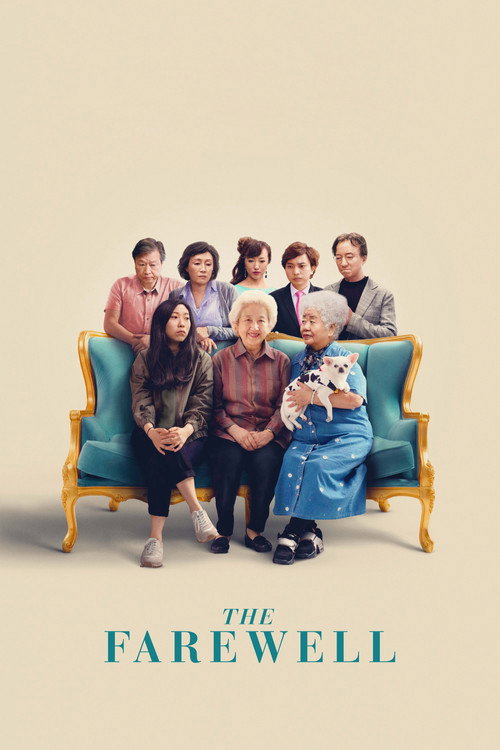
Lulu Wang's film about family, aging, and what we owe each other. Like Gloria, it's warm and funny without being sentimental, and genuinely interested in how people navigate loneliness and connection across generations.
But The humor is dry and culturally specific; some moments require patience to land.
Not sure tonight? Get a pick in a minute, starting from Gloria
The wildcard
Something you would not have found on your own.
Chungking Express1994
Both films understand that longing is the real plot. The settings, styles, and eras differ wildly, but they share an almost tender focus on how adults construct romance out of need and habit.
Wong Kar-wai's lyrical Hong Kong film about two lovelorn cops. It's a love story about desire and connection, but its real subject is the same as Gloria's: the way we remake ourselves when we're lonely, and the strange beauty of that reaching.
But It's visually maximalist where Gloria is naturalistic—neon-soaked, dreamlike, narratively fractured. Its pace and sensibility could not be more different.

More like this (8)
A Separation2011
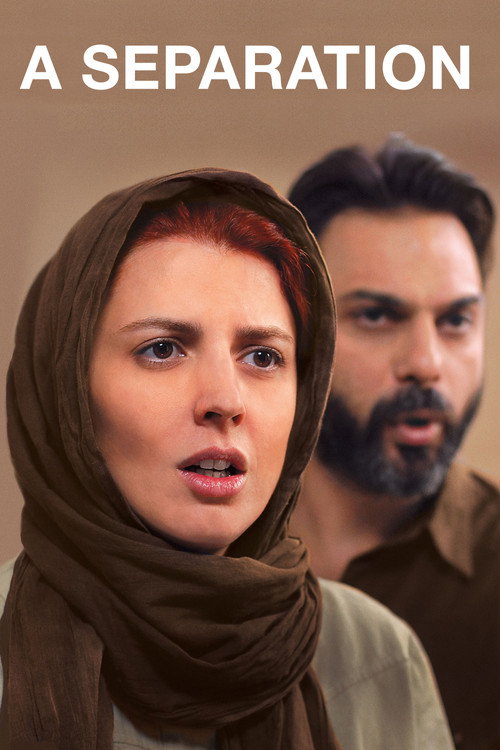
Asghar Farhadi's Iranian masterpiece about marriage dissolving. It shares Gloria's unflinching look at adult relationships—no villains, just people failing each other with the best intentions.
But It's formally structured and emotionally dense. You need to pay close attention; it can feel austere.
Nebraska2013
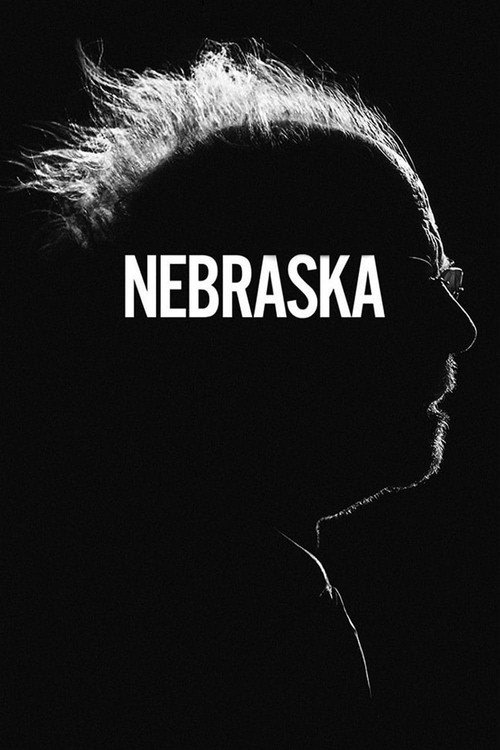
Alexander Payne's grayscale odyssey with Bruce Dern. Both films understand the specific loneliness of aging in America, and both move at the pace of someone trying to find meaning in modest living.
But Shot in black and white, deliberately paced, and deeply quiet. It refuses to move faster than its characters think.
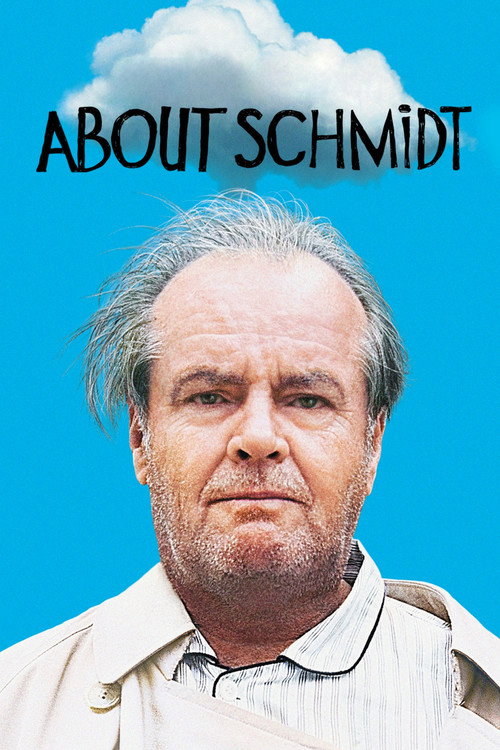
About Schmidt2002
Jack Nicholson as a retired man adrift after his wife dies. Like Gloria, it's a film about the unexpected textures of late life—boredom, small joys, the comedy of reinvention.
But Nicholson's character is often difficult and self-absorbed; the film doesn't ask you to like him.
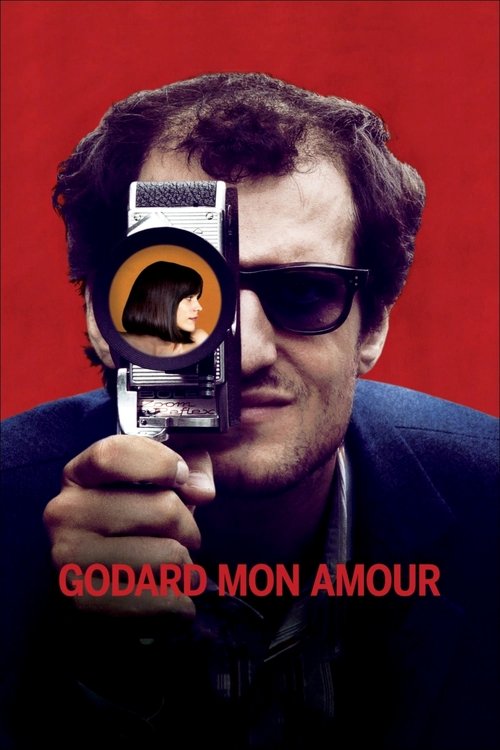
Godard Mon Amour2017
Anne Consigny as a woman navigating love and independence in Paris. It has the same interest in how adult women live in their own skin, making choices that matter only to them.
But It's French cinema—formally experimental and sometimes elliptical. Some plot points are left deliberately unresolved.
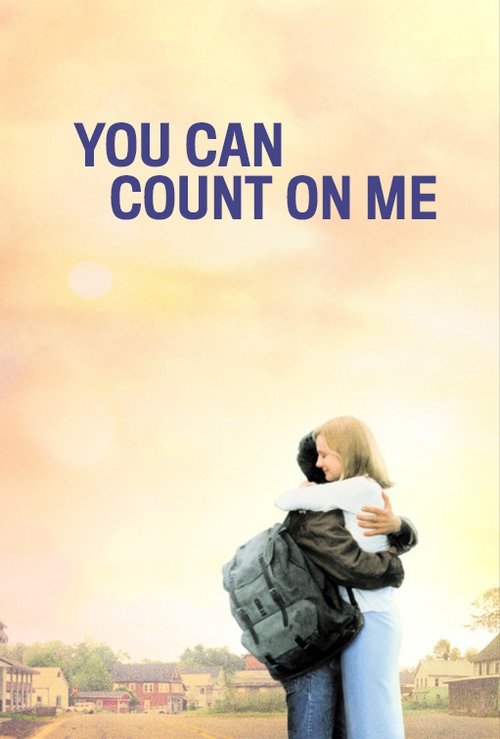
You Can Count on Me2000
Kenneth Lonergan's film about siblings and the ties that bind. It shares Gloria's warmth and its willingness to let characters be complicated without condemning them.
But It's heavily focused on family drama; if you want something more romantic or forward-moving, this will feel static.
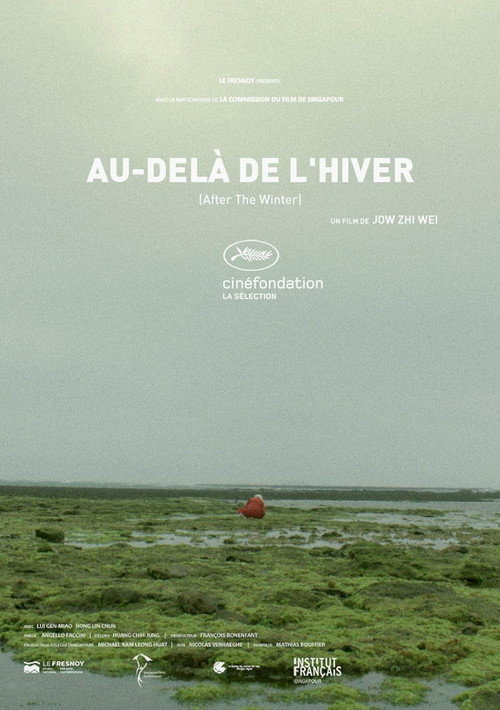
After the Winter2013
A quietly moving film about connection and solitude. Like Gloria, it finds tenderness in the spaces between hope and disappointment.
But Made on a small budget with unfamiliar actors, it can feel rough around the edges and moves at its own unhurried pace.
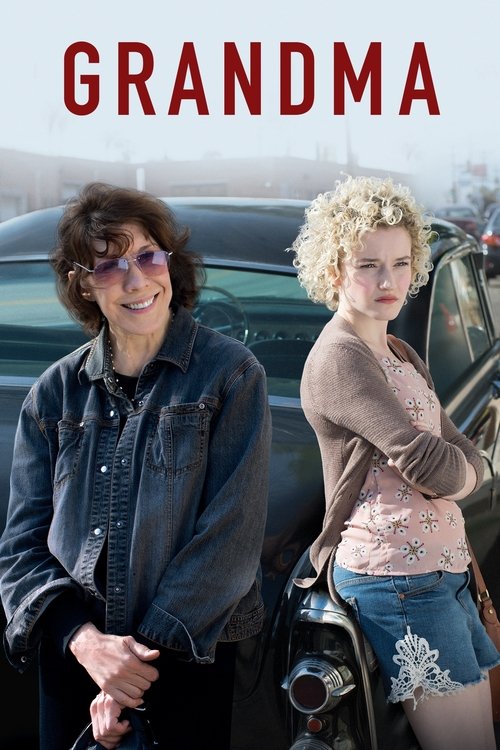
Grandma2015
Both center older women's interior lives as completely valid—not sidekicks to younger people's stories. Both refuse the invisibility that cinema usually assigns to women past 50.
Lily Tomlin in Paul Weitz's film about a 70-year-old lesbian helping her granddaughter through a crisis. It's funny, messy, and genuinely about aging and sexuality without apologizing for either—both women's desires matter equally.
But It's low-budget and sometimes feels scraped together. The tonal shifts can be jarring—it moves between comedy and real pain quickly.
Platform2001
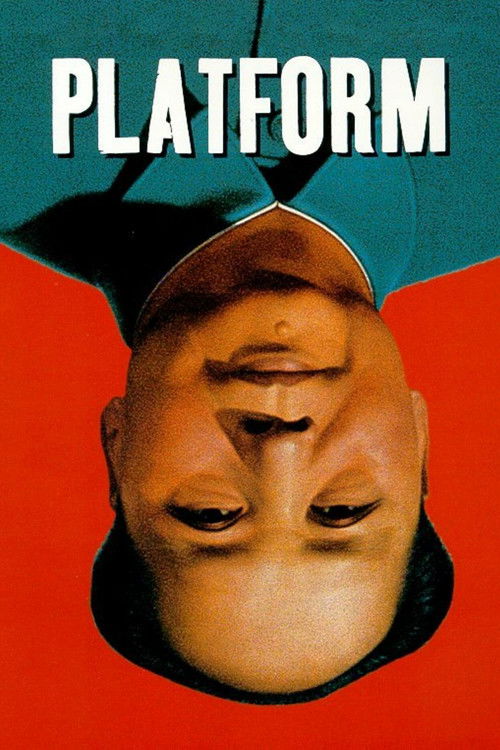
Both films treat invisibility as their central subject. Gloria fights it through desire and parties; Platform watches it happen to a group across years. They're answering the same question from opposite angles: What does it mean to insist on being seen?
Jia Zhangke's Chinese documentary-fiction hybrid about performers navigating the end of an era. It's about people trying to stay visible, to matter, in a world that's stopped paying attention. Structurally radical, morally serious, alive with small moments of grace.
But It's shot on DV, has long static takes, and is three hours long. There's no conventional narrative. It requires surrender—you have to let its rhythms work on you.
People
Cast
 Paulina GarcíaGloria
 Sergio HernándezRodolfo
 Antonia Santa MaríaMaria
- Diego FontecillaPedro
- Hugo MoragaHugo
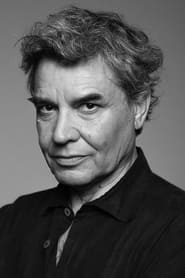 Alejandro GoicGabriel
 Liliana GarcíaFlavia
 Luz JiménezVictória
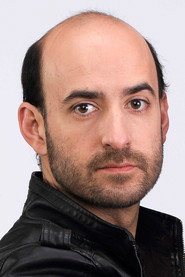 Cristián CarvajalVecino
 Eyal MeyerTheo
Directing
- Manuela DelpianoAssistant Director
- Sebastián LelioDirector
Writing
- Gonzalo MazaScreenplay
- Sebastián LelioScreenplay
- Pedro PeiranoScript Consultant
Production
- Martín CárcamoAssociate Producer
- Moira MillerCasting
- Andrea Carrasco StuvenExecutive Producer
- Juan Ignacio CorreaExecutive Producer
- Mariane HartardExecutive Producer
- Gonzalo MazaProducer
- Juan de Dios LarraínProducer
- Pablo LarraínProducer
- Sebastián LelioProducer
- Eduardo CastroProduction Director