
Film
Desperate Hours
- Crime thriller
- Crime
- Very dark
A tense home-invasion thriller where an escaped convict forces his way into a suburban family's life, turning their safe space into a pressure cooker of psychological warfare. Mickey Rourke and Anthony Hopkins clash in a cat-and-mouse game that's less about action and more about who will break first. It's deliberately claustrophobic and unsettling.
Should you watch it?
Watch it if you like a siege-in-a-house thriller where the tension comes from two men sizing each other up across a kitchen table, and the menace is quiet rather than explosive.
Skip it if you want a fast, action-heavy crime caper; this is a slow-building chamber piece where the dread accumulates in conversations and glances, and the middle stretches are talky.
What it asks of you: About 105 minutes of patience for a home-invasion standoff that tightens by degrees rather than cutting to set pieces, so you need to stay with it as the pressure rises.
Not sure? Find tonight's pick in a minute.
If you liked this
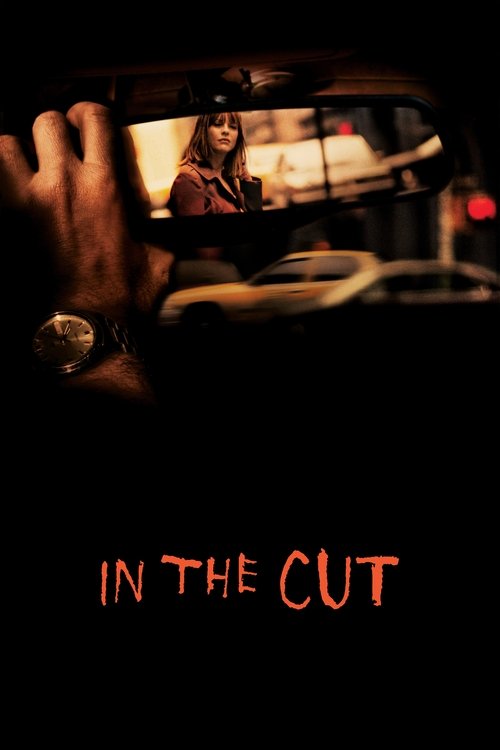
In the Cut2003
Another film about invasion of domestic space and sexual tension, with a woman as the focal point rather than a hostage. It has the same dark erotic undertones and moral ambiguity Desperate Hours reaches for.
But Deeply uncomfortable in places. The graphic content and implicit violence can feel gratuitous rather than thematic.
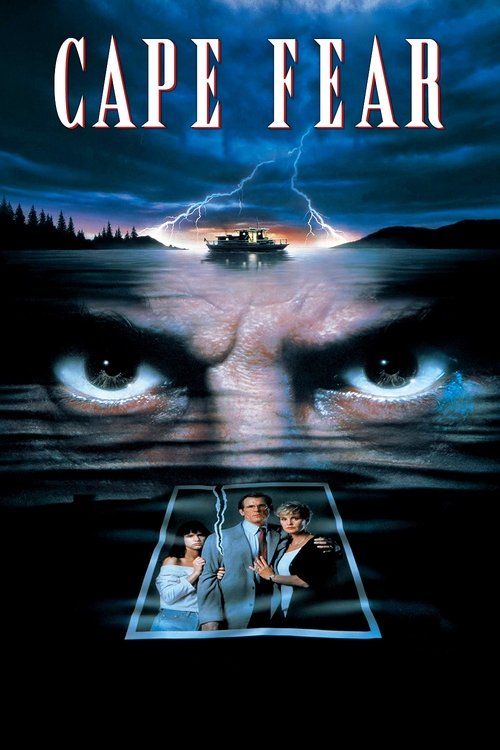
Cape Fear1991
De Niro's stalker terrorizes a family with pure menace and intelligence. It has the same claustrophobic cat-and-mouse dynamic and explores how violence corrodes a marriage from within.
But The 1962 original is widely considered superior. This version plays it broader and less subtle than some prefer.
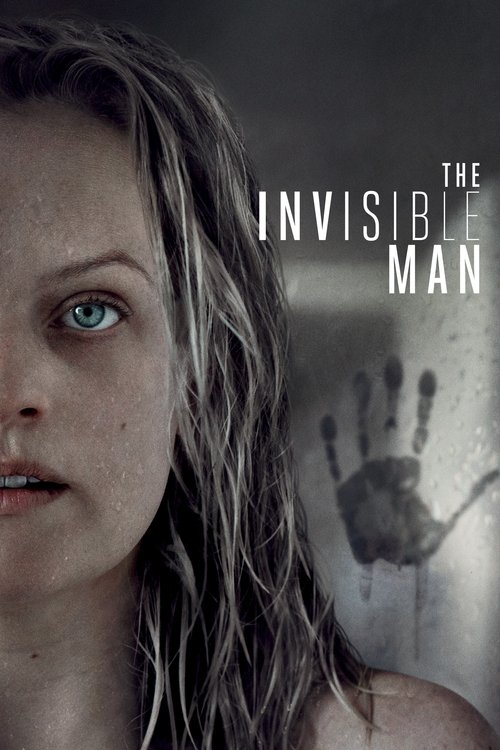
The Invisible Man2020
An invisible threat turns a woman's home into hostile territory. Like Desperate Hours, it's about how violation of personal space creates unbearable psychological pressure and paranoia.
But It's part horror-thriller, which shifts the tone away from the crime-drama feel. The pacing shifts heavily in the third act.
Not sure tonight? Get a pick in a minute, starting from Desperate Hours
The wildcard
Something you would not have found on your own.
The Criminal1960
Both films reverse the traditional sympathy: the criminal becomes the one being hunted and cornered, and the 'safe' domestic space (or society itself) becomes the trap.
A British prison-noir where a hardened criminal is released and forced to navigate a world that's moved on without him. Instead of invading someone else's home, the film explores how society becomes hostile territory for the criminal—Desperate Hours from the other side of the door.
But Shot in grainy black-and-white with deliberate pacing. It's more interested in atmosphere and character than plot momentum. Very 1960s in its cool detachment.
More like this (7)
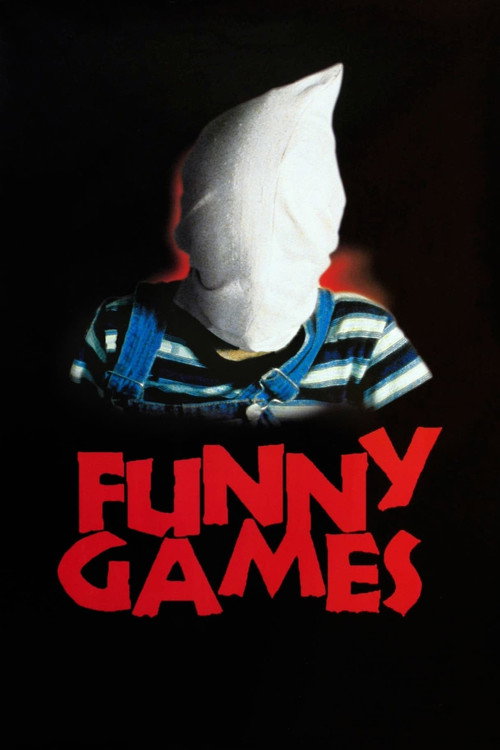
Funny Games1997
Two strangers force their way into a family's vacation home and conduct a sadistic game. It's far more brutal about power dynamics and audience complicity than Desperate Hours attempts.
But Deliberately provocative and designed to make you uncomfortable. The violence is unflinching and the film criticizes viewers as much as its characters.
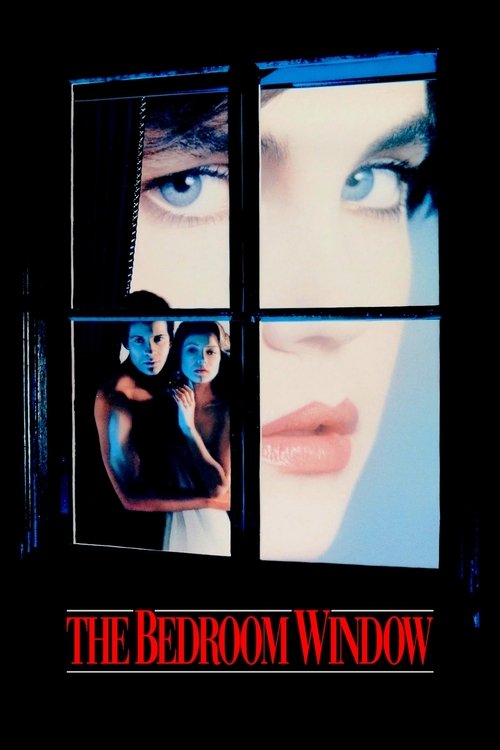
The Bedroom Window1987
A tangled thriller where secrets in a suburban home lead to paranoia and moral compromise. Steve Guttenberg against a murderer, with the same sense of everyday spaces becoming dangerous.
But The plot becomes convoluted. By the finale, keeping track of who's lying feels like work rather than pleasure.
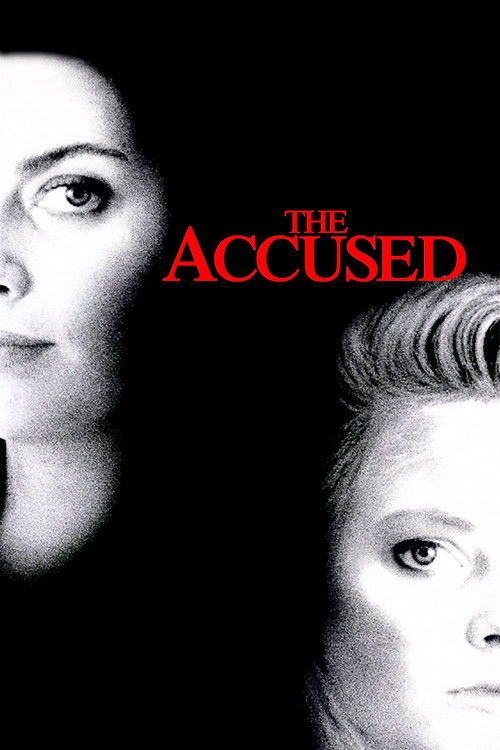
The Accused1988
Jodie Foster and Kelly McGillis in a courtroom drama that burrows into the psychology of trauma and violation. It has Desperate Hours' interest in how violation damages relationships.
But It's a courtroom drama, not a thriller. The pacing is judicial rather than propulsive. The graphic assault scene is harrowing.
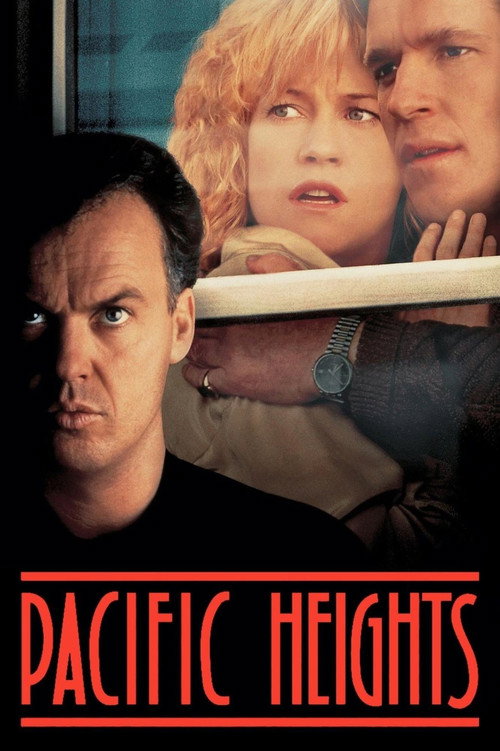
Pacific Heights1990
Michael Keaton as a tenant from hell who methodically destroys a couple's finances and peace of mind from inside their own home. Same year as Desperate Hours, same invasion-of-domestic-space theme.
But The thriller mechanics feel more conventional. It leans into legal maneuvering rather than psychological tension. Keaton's performance is theatrical.
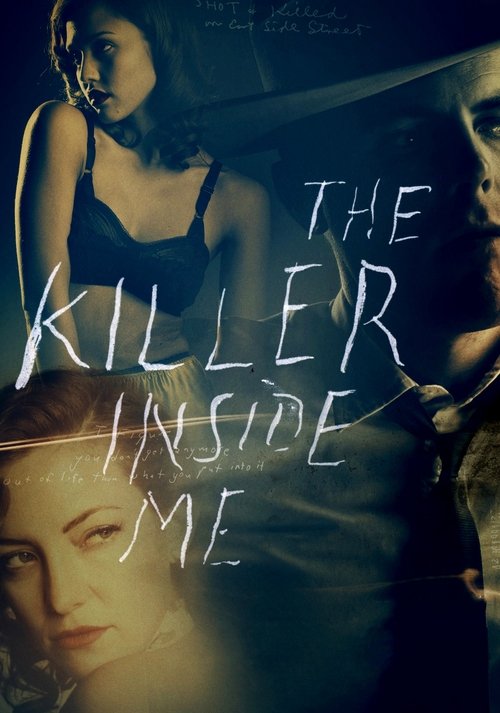
The Killer Inside Me2010
Michael Winterbottom's adaptation of Jim Thompson's novel about a small-town cop with murderous impulses. It shares Desperate Hours' interest in violence simmering beneath ordinary surfaces.
But Extremely graphic violence. The film is deliberately unpleasant and makes no apologies. It's less a thriller than a portrait of sociopathy.
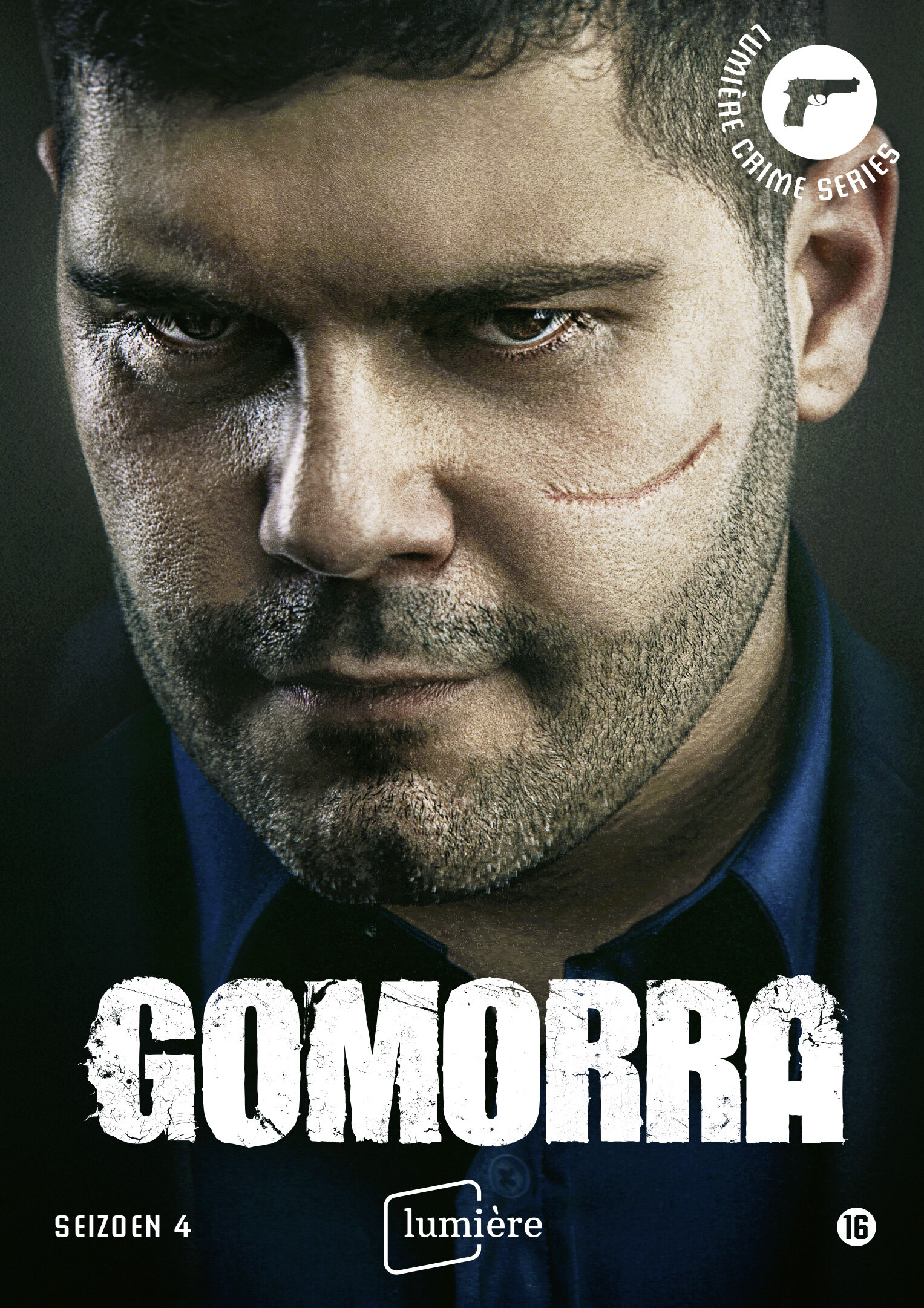
Gomorra: La Serie2014
Both explore how crime's arrival into a world (one family, one city) destroys the illusion of safety. But Gomorrah zooms out where Desperate Hours zooms in.
A Naples-set series following multiple lives tangled with the Camorra. Like Desperate Hours, it's about how crime infiltrates ordinary spaces and relationships, but it unfolds across ten episodes. You get the psychological pressure without the confinement—the city itself becomes the claustrophobic space.
But Subtitled. Sprawling with multiple storylines that take time to converge. Some threads resolve slowly or incompletely. Violence is sudden and matter-of-fact.
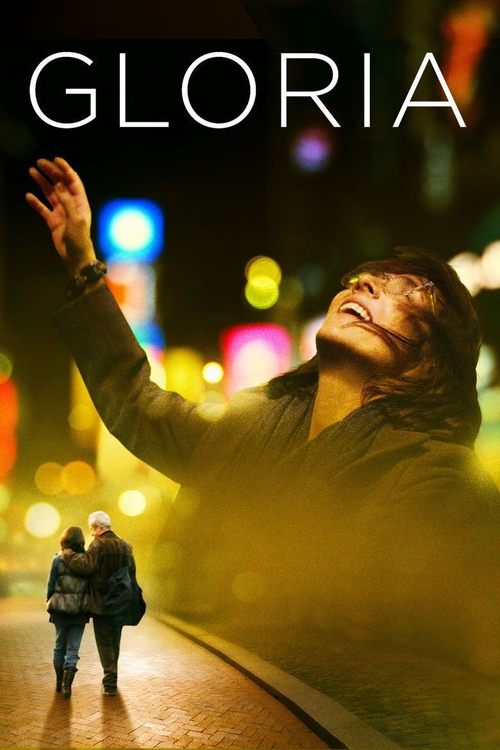
Gloria2013
Both films are about two people in close quarters where one holds power over the other, but here the relationship moves toward compassion rather than hostility—asking what happens when a criminal finds unexpected kindness.
A woman in her late sixties befriends a troubled young man and becomes entangled in his criminal world. Margot Robbie and John Turturro in a character study that flips the power dynamics of Desperate Hours—an older woman as the strong one, the younger man as the threat and the vulnerable one.
But It's very quiet and introspective. Plot matters less than mood. Some viewers find it slow and emotionally exhausting rather than thrilling.
People
Cast
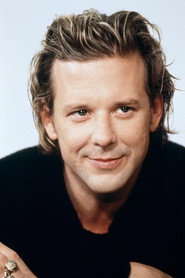 Mickey RourkeMichael Bosworth
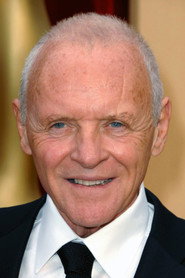 Anthony HopkinsTim Cornell
 Mimi RogersNora Cornell
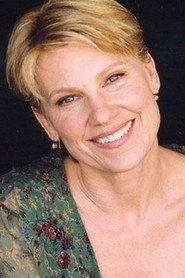 Lindsay CrouseBrenda Chandler
 Kelly LynchNancy Breyers
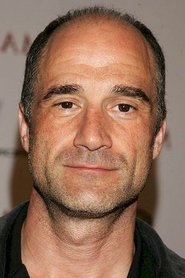 Elias KoteasWally Bosworth
 David MorseAlbert
 Shawnee SmithMay Cornell
- Danny GerardZack Cornell
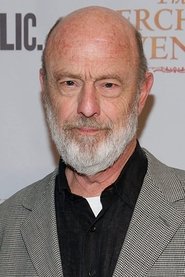 Gerry BammanEd Tallent
 Matt McGrathKyle
Directing
- Carl GoldsteinAssistant Director
- Michael CiminoDirector
- Brian W. CookFirst Assistant Director
- Alan EdmistenSecond Assistant Director
Writing
- Joseph HayesNovel
- Joseph HayesScreenplay
- Lawrence KonnerScreenplay
- Mark RosenthalScreenplay
- Michael CiminoScreenplay
- Joseph HayesTheatre Play
Production
- Mary ColquhounCasting
- Martha De LaurentiisExecutive Producer
- Mel DellarLine Producer
- Dino De LaurentiisProducer
- Michael CiminoProducer
- Mel DellarUnit Production Manager