
Film
The Bedroom Window
A 1987 thriller about a man who witnesses a crime from his lover's window and must testify without revealing their affair. Steve Guttenberg stars in this Hitchcockian setup that leans into moral compromise and courtroom tension. It's a solid genre exercise that trusts its premise—part confession, part puzzle—directed with professional competence if not brilliance. For fans of classical suspense who appreciate a tightly wound plot over spectacle.
Should you watch it?
Watch it if you love slow-building paranoid thrillers where one unsettling glimpse slowly curdles into doubt about the person you trust most, and you enjoy watching ordinary life get quietly thrown off balance.
Skip it if the pace is deliberate and the period styling can feel dated, so if you want a tight, breathless chase, this will test your patience.
What it asks of you: Settle into its unhurried 114 minutes, since it lingers on routine and small domestic moments before tension builds, and it rewards close attention to who is watching whom.
Not sure? Find tonight's pick in a minute.
If you liked this
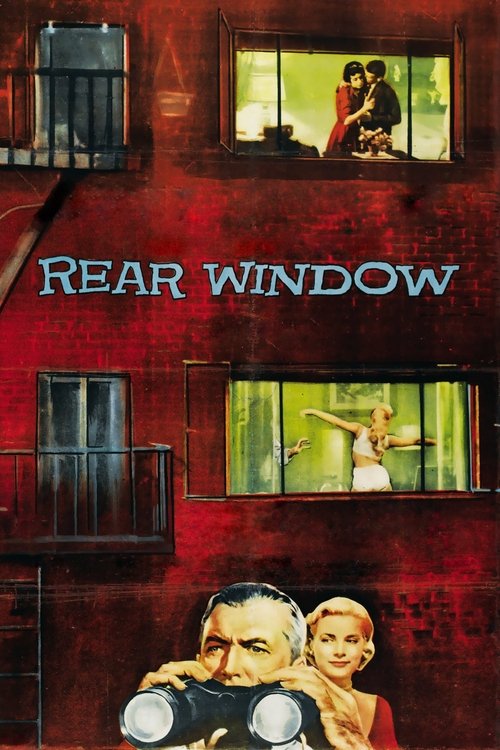
Rear Window1954
Hitchcock's masterpiece does what *The Bedroom Window* attempts: making a man's perspective from inside a room the entire engine of suspense. The guilty pleasure of voyeurism becomes the guilty weight of knowledge. Essential viewing for understanding the template this film works from.
But At nearly two and a half hours and entirely dependent on Jimmy Stewart's face, it demands patience and an appetite for classic cinema. Black and white, no action sequences.
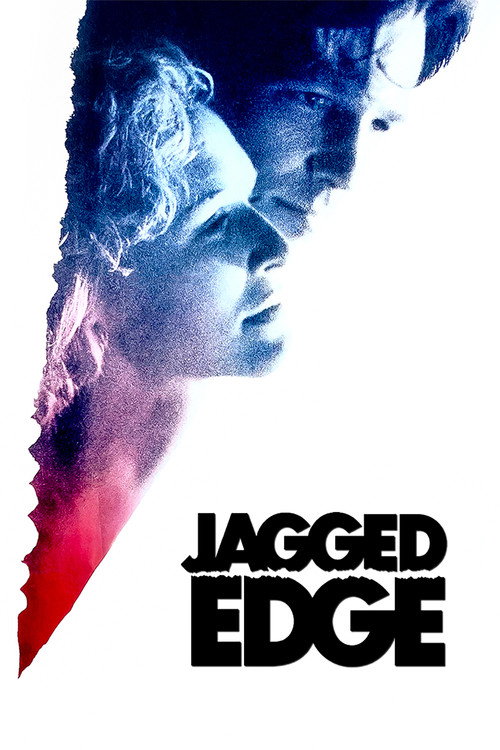
Jagged Edge1985
A lawyer defending a man accused of murder in San Francisco; the thriller builds on reasonable doubt and the seduction of believing the wrong story. Jeff Bridges and Glenn Close in a film that understands how attraction clouds judgment. Propulsive and genuinely twisty.
But The gender politics and the way it resolves both feel dated now, and the film knows less about its own implications than it thinks it does.
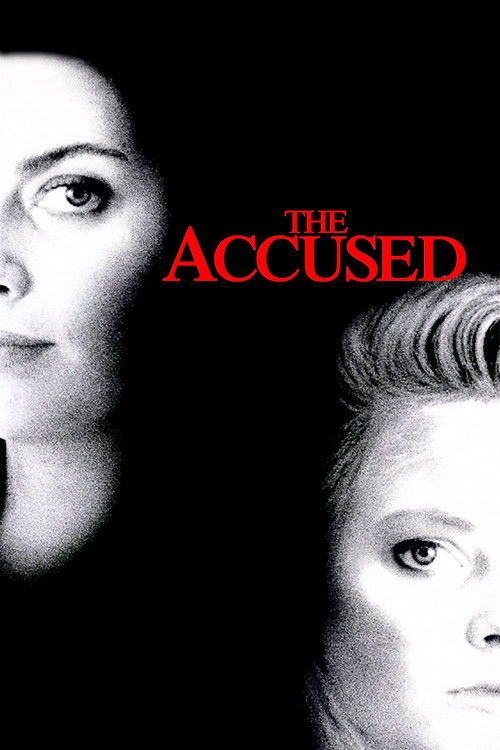
The Accused1988
Jodie Foster in a raw, uncomfortable film about a woman testifying against the men who assaulted her. It's the flip side of witness trauma—not hiding the truth, but fighting to have it believed. A year after *The Bedroom Window*, it shares the courtroom weight and moral seriousness.
But The assault itself is shown in direct, difficult detail. It's not entertainment; it's a film that means to upset you and does.
Not sure tonight? Get a pick in a minute, starting from The Bedroom Window
The wildcard
Something you would not have found on your own.
The Vanishing1988
Both films are structured around what one person can or cannot see, and both suggest that witnessing something doesn't necessarily mean you understand it. The Bedroom Window trusts the eye; *The Vanishing* suggests the eye is a trap.
George Sluizer's Dutch masterpiece about a man obsessed with discovering what happened to his vanished girlfriend. It sounds like a missing-persons thriller, but it's actually a philosophical interrogation of knowledge and closure. The ending is genuinely the point—and it's not what you expect.
But The film deliberately withholds conventional satisfaction. If you need a mystery solved neatly, this will frustrate you. It's about the persistence of not knowing.
More like this (7)
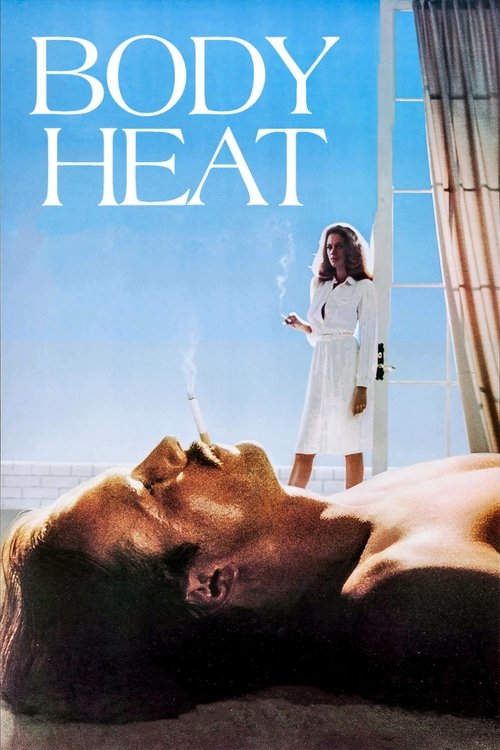
Body Heat1981
William Hurt as a lawyer seduced into a murder plot by Kathleen Turner. Steamy, clever, and built on the same architecture: how does a good person end up complicit? The noir atmosphere crackles with genuine heat and the twist lands hard.
But It's essentially a con film dressed in eroticism. If you see the con coming, the film's pleasure evaporates fast.
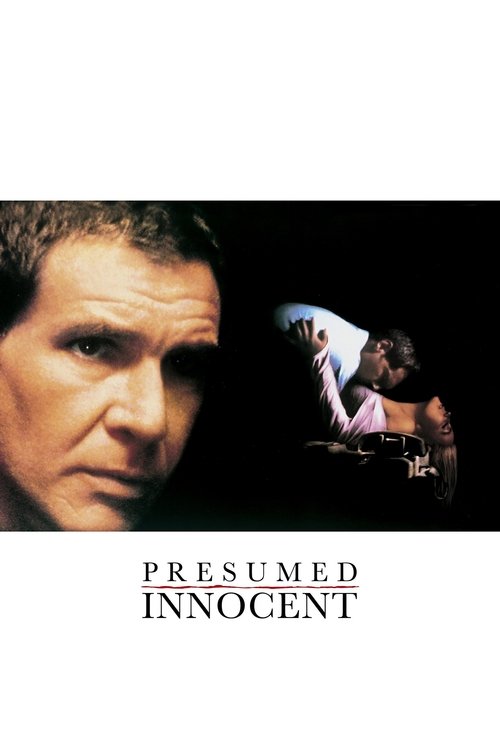
Presumed Innocent1990
Harrison Ford again, this time as the prosecutor who becomes the accused. Based on Scott Turow's novel, it's a legal thriller that understands how the machinery of justice can trap an innocent man. Taut, surprising, perfectly cast.
But The resolution hinges on a twist that requires you not to notice certain clues the film deliberately hides. Some find it fair; others call it cheating.
The Killing1956
Kubrick's heist film told in fragments, showing the same crime from different angles and perspectives. Like *The Bedroom Window*, it's fascinated by how the same event looks different depending on where you stand. Lean, smart, and formally inventive.
But The fractured timeline is intentional and brilliant, but it requires active attention. The ending is bleak in a way that doesn't comfort.

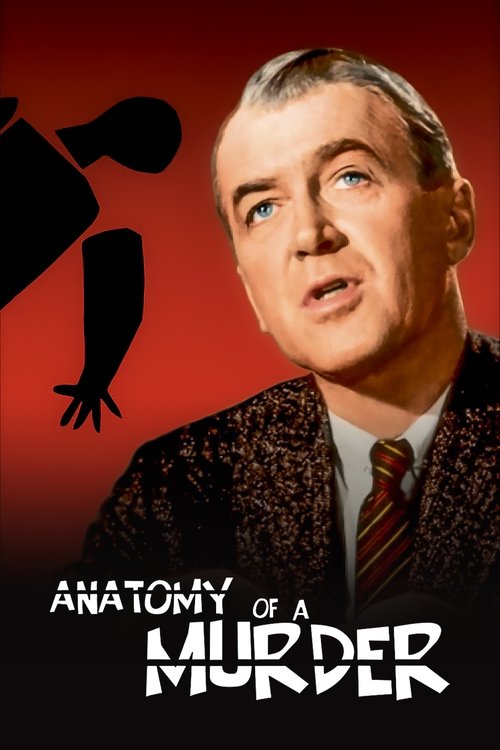
Anatomy of a Murder1959
Jimmy Stewart as a small-town lawyer defending a man accused of murder. It's a masterclass in courtroom procedure and moral ambiguity, made when such films could be genuinely daring. The dialogue is sharp and the case is never as simple as it appears.
But At over three hours, it's a genuine commitment, and it moves at the pace of a real trial—which is to say, sometimes slowly.
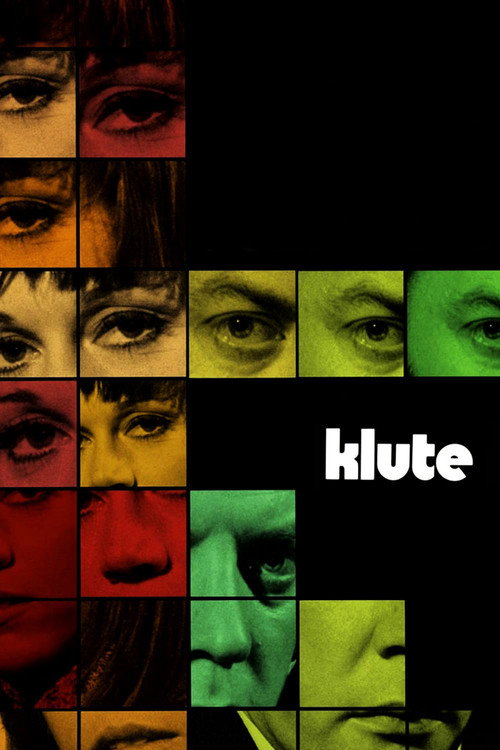
Klute1971
Donald Sutherland as a detective drawn into a missing-persons case; Jane Fonda as a sex worker he falls for. It's a thriller that never lets you forget it's also a character study. Paranoid, intelligent, and interested in how men see women.
But The thriller elements are subordinate to the relationship, and the investigation itself is less thrilling than you might want. It's a portrait disguised as a plot.
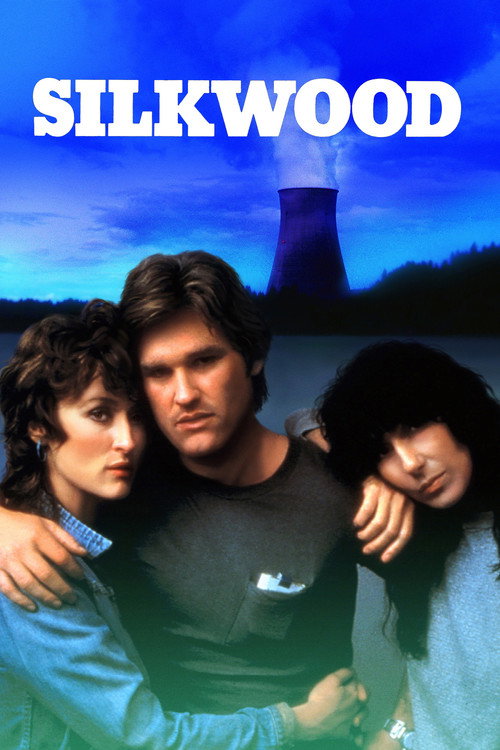
Silkwood1983
Like *The Bedroom Window*, a film about a person forced to become a public witness to something they'd rather keep private. But Streep's character chooses the burden; Guttenberg's has it thrust upon him. One is about courage, the other about entanglement.
Meryl Streep as a nuclear plant worker who becomes a whistleblower. Mike Nichols directs a film about the terrible cost of telling the truth—career, relationships, safety all sacrificed for integrity. It's a thriller about conscience, not crime. The tension is moral and political, not plot-mechanical.
But There's no climactic confrontation or satisfying resolution. The film ends with a genuine ambiguity about whether speaking truth mattered at all. It can feel depressing.
Winter Light1963
Both films hinge on the ethical paralysis of witnessing. But where *The Bedroom Window* is a thriller about concealment, *Winter Light* is a spiritual crisis about the inadequacy of any response to suffering. They're inverses: one builds suspense, the other obliterates it.
Bergman's short, austere film about a pastor losing faith while a parishioner confesses a crisis of conscience. Black and white, sparse, shot like a visual argument. It's a film about the unbearable weight of knowing someone's secret and being unable to help. Seventeen minutes shorter than *The Bedroom Window* but twice as heavy.
But There is no plot in the conventional sense. It's a series of conversations and silences about despair. If you want narrative momentum, you will not find it here. Bleak doesn't begin to describe it.

People
Cast
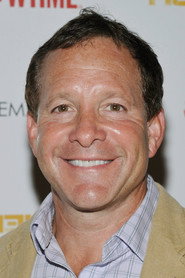 Steve GuttenbergTerry Lambert
 Elizabeth McGovernDenise
 Isabelle HuppertSylvia
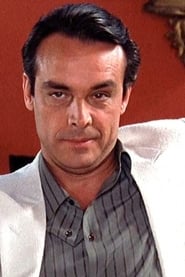 Paul ShenarCollin
 Carl LumblyQuirke
 Wallace ShawnHenderson's Attorney
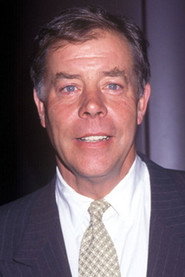 Frederick CoffinJessup
 Brad GreenquistHenderson
 Robert SchenkkanState Attorney Peters
 Maury ChaykinPool Player
- Sara CarlsonDancing Girl
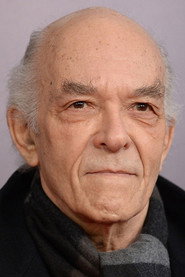 Mark MargolisMan in Phone Booth
Directing
- Curtis HansonDirector
- José López RoderoFirst Assistant Director
- Katy EmdeFirst Assistant Director
- Gail HunterScript Supervisor
- Renata FranceschiScript Supervisor
- Barbara BrunoSecond Assistant Director
- Leigh WebbSecond Assistant Director
Writing
- Anne HoldenNovel
- Curtis HansonScreenplay
Production
- Mary ColquhounCasting
- Robert TowneExecutive Producer
- David Blake HartleyLocation Assistant
- Laura FattoriLocation Manager
- randy polleyLocation Manager
- Martha De LaurentiisProducer
- Angela HealdProduction Coordinator
- Sarah MaysProduction Secretary
- Laura FattoriUnit Manager
- Marilyn StonehouseUnit Production Manager
- Richard H. PrinceUnit Production Manager