
Film
A Coffee in Berlin
A twenty-something drifter observes Berlin from the margins in this quietly funny, gently melancholic German film. It's a day in the life of someone not quite living—encounters accumulate without arriving anywhere grand. A lovely, unhurried watch about how adulthood creeps up on you when you're looking the other way.
If you liked this
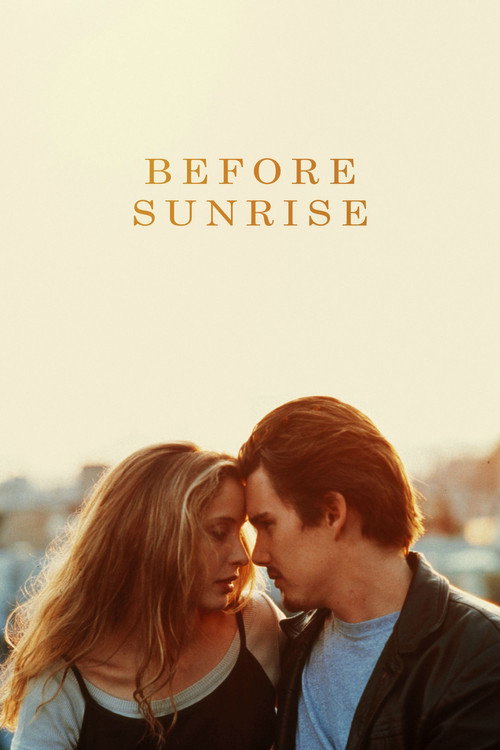
Before Sunrise1995
Two strangers walk Vienna for a night, talking themselves into connection. Like Coffee in Berlin, it finds profundity in observation and small moments—the magic of conversation with someone who really listens.
But Deliberately paced and dialogue-heavy; nothing external happens, so it lives or dies on whether you want to hear these people think out loud.
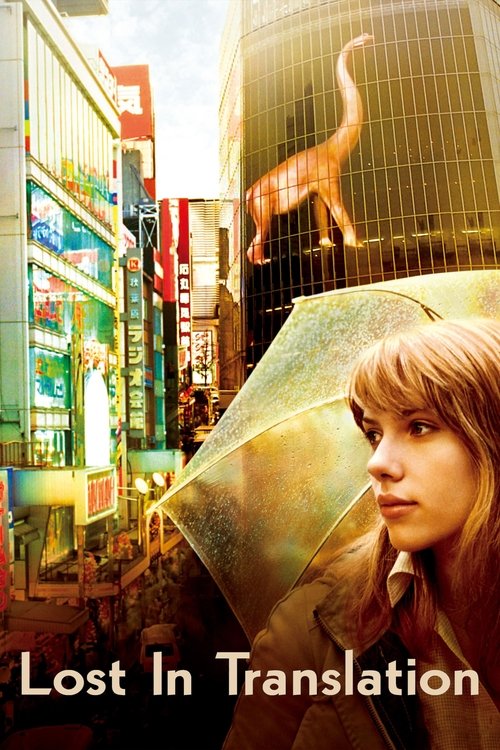
Lost in Translation2003
A film about dislocation and quiet alienation in an overwhelming city, finding unexpected grace in an ordinary day. Sofia Coppola captures the same tender, melancholic sideways-glance at the world.
But It moves at the pace of someone lost in their own head—restful for some, interminable for others. Also conspicuously quiet.
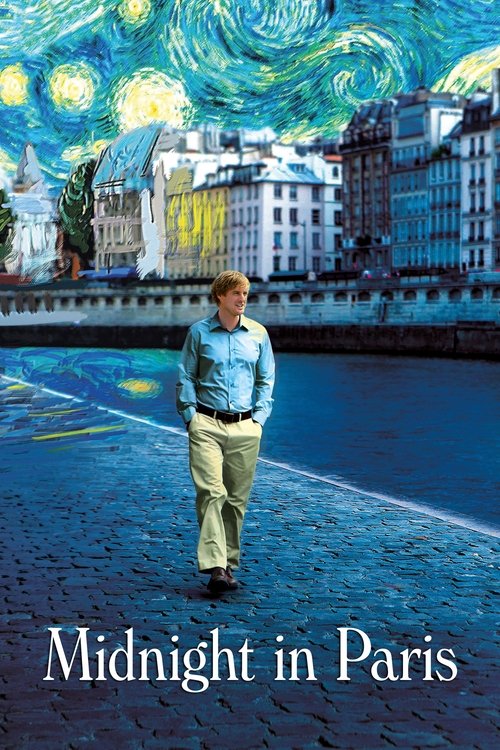
Midnight in Paris2011
A dreamer adrift in a beautiful city, sidestepping responsibility while chasing connection. Woody Allen's nostalgia and romanticism sits alongside the same gentle dissatisfaction with being present.
But Sunnier and more whimsical than Coffee in Berlin; if you want that film's quieter observation, this might feel too eager to charm.
Not sure tonight? Get a pick in a minute, starting from A Coffee in Berlin
The wildcard
Something you would not have found on your own.
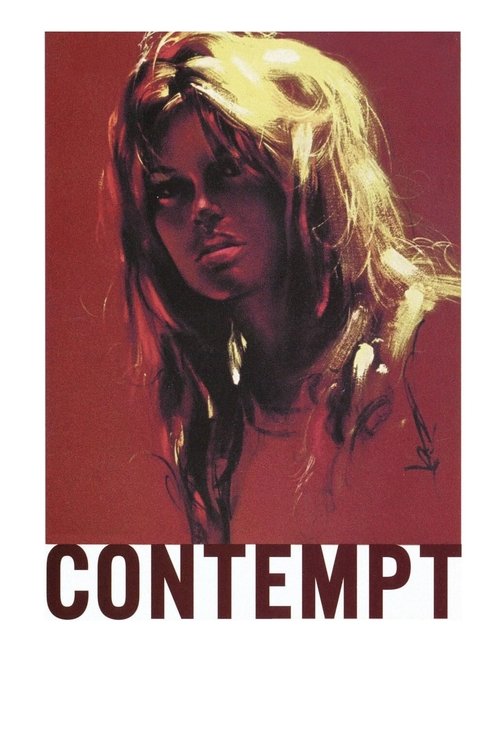
Contempt1963
Both films are about watching—really watching—as a form of love and as a shield. Niko observes Berlin to stay untouched; the characters in Contempt observe each other but cannot connect. The camera itself becomes the character.
Godard's film about a film crew falling apart in Rome—a meditation on how attention breaks down, how people stop really seeing each other. The acute eye for how distance opens between bodies in the same room.
But Godard is Godard: self-conscious, theoretical, interested in cinema itself as much as human drama. If you want naturalism, this is its opposite.
More like this (8)
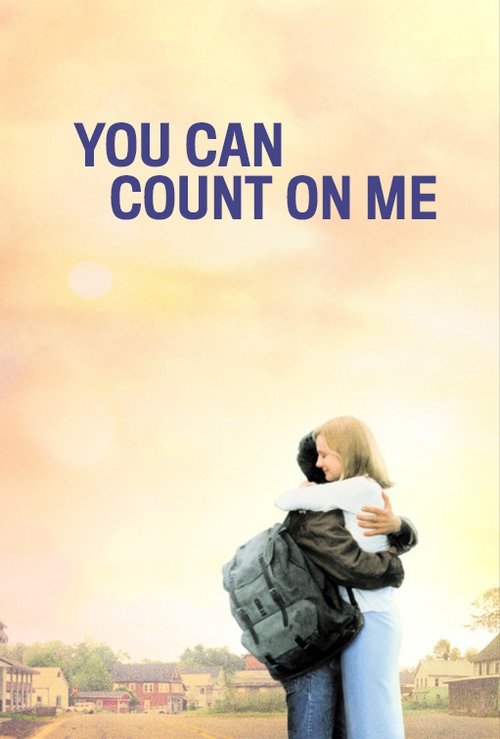
You Can Count on Me2000
A portrait of adulthood catching up with someone who hasn't quite grown up, rendered with honesty and humour. Kenneth Lonergan finds the same grace in ordinary disappointment.
But American, more emotionally direct, less interested in lingering observational quiet. A different temperature entirely.
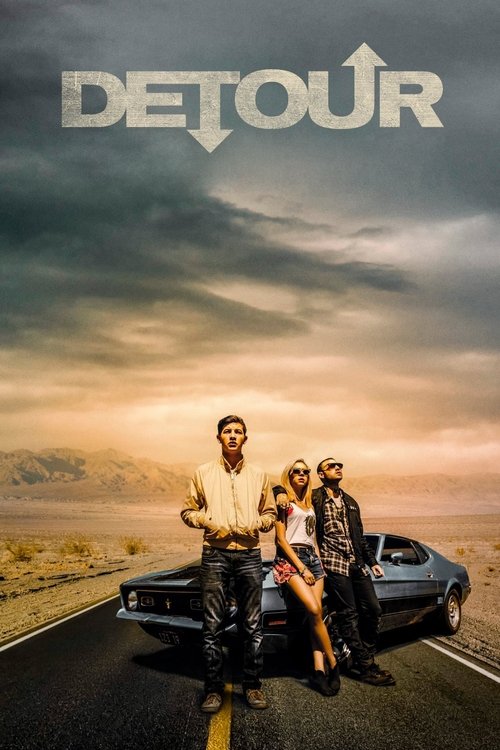
Detour2017
A Romanian film about a young man drifting through Bucharest, observing city life with anthropological patience. Same slow-burn eye for human behaviour and urban oddness.
But Even quieter and slower than its inspiration; patience with pace is non-negotiable.
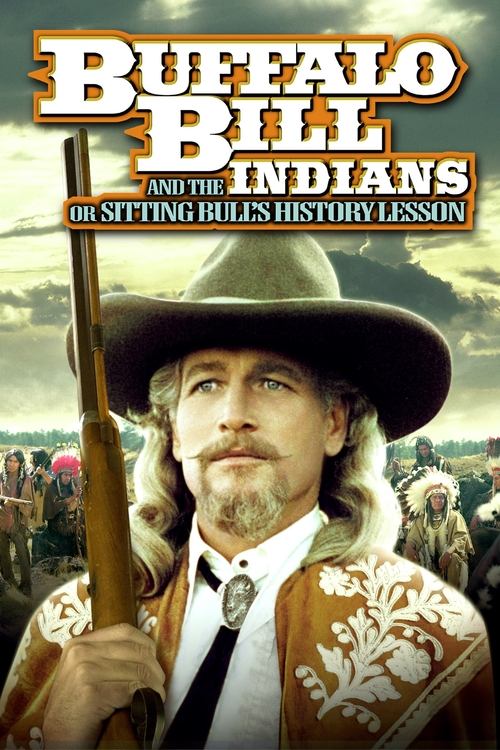
Buffalo Bill and the Indians, or Sitting Bull's History Lesson1976
Robert Altman's absurdist comedy about a man unable or unwilling to truly connect, built on overlapping dialogue and acute social observation. The drifting, the not-quite-fitting, the gentle satire.
But A period piece and a very strange one; tonal whiplash between comedy and unease. Not what you're picturing.
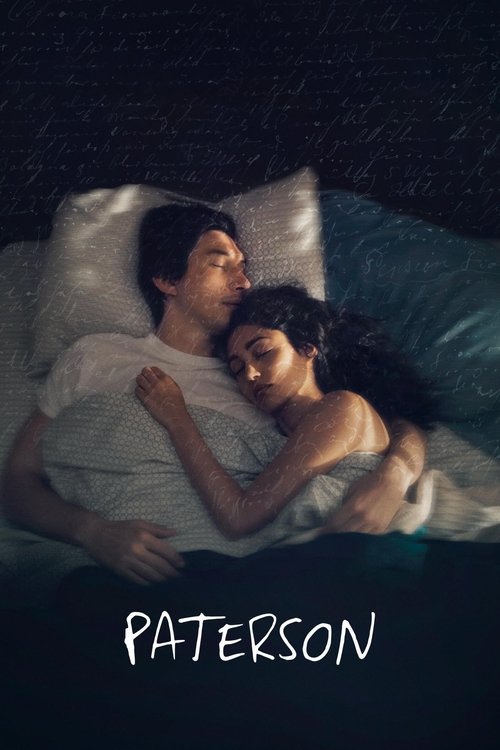
Paterson2016
Jim Jarmusch's film about a bus driver-poet observing small beauties in an ordinary New Jersey day. The same commitment to noticing what no one else looks at, the same gentle melancholy.
But Methodical to the point of monotone; if you want plot momentum, this will feel like watching someone not write a poem.
In the Mood for Love2000
Two neighbours discover they've been betrayed by the same lovers. Wong Kar-wai builds exquisite emotion from the smallest gestures and looks. Observation as an art form.
But Extraordinarily stylised cinematography and fashion; the surface is so beautiful it can overwhelm the emotional core for some viewers.

A Prophet2009
A young man learns to navigate an impossible system by watching, listening, and adapting—a film about becoming adult through attrition. The alertness to power and human nature.
But Set in prison and far more violent; the stakes are life-and-death rather than existential. A very different register.

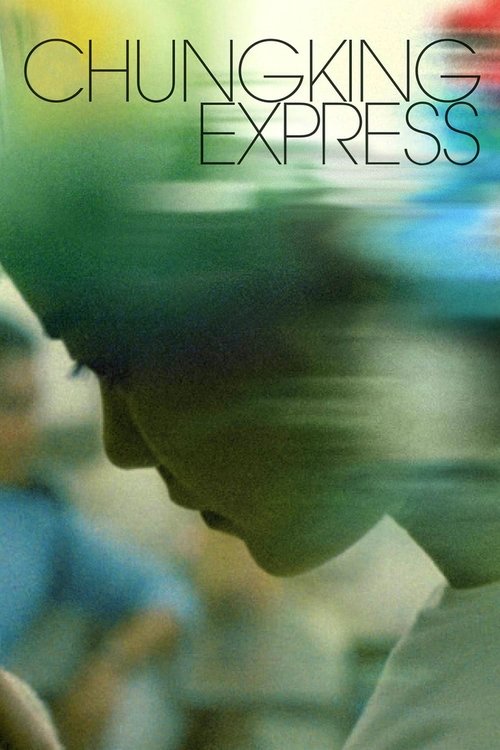
Chungking Express1994
Two films obsessed with how isolation in a city breeds strange poetry. Niko drifts through Berlin; these characters drift through Hong Kong. Both find beauty in incompleteness, in the in-between moment.
Wong Kar-wai's kaleidoscopic Hong Kong film about two lovelorn cops crossing paths with mysterious women. Fragments of lives and moments assembling into something fleeting and luminous.
But Visually dizzying, formally experimental, and frankly bewildering at first; the narrative is collage, not plot. You have to surrender to sensation.
Stalker1979
Both films ask: what happens when you don't rush? What do you see when you slow down? Niko and the characters in Stalker share the same willingness to meander, the same faith that watching itself is a form of living.
Tarkovsky's science-fiction masterpiece: a guide leads two men toward a room that grants wishes. It's really about longing, observation, and whether we actually want what we think we want. The most patient film ever made.
But 163 minutes, Soviet-era pacing, philosophical rather than narrative. A test of your willingness to sit in contemplation without distraction or conventional reward.

People
Cast
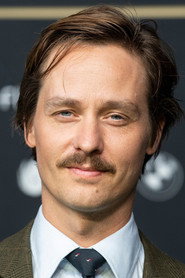 Tom SchillingNiko Fischer
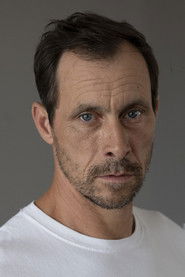 Marc HosemannMatze
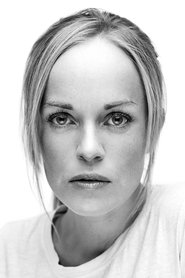 Friederike KempterJulika Hoffmann
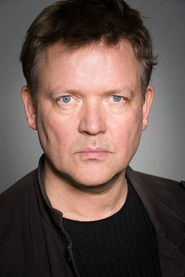 Justus von DohnányiKarl Speckenbach
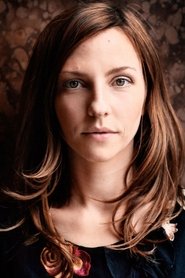
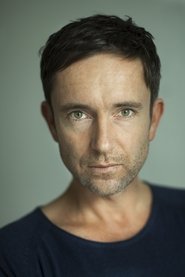 Arnd KlawitterPhillip Rauch
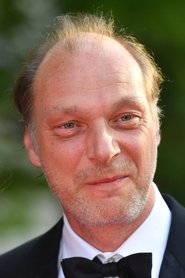 Martin BrambachKontrolleur Jörg
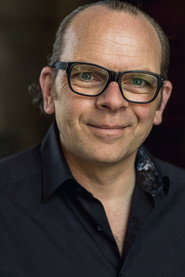 Andreas SchrödersPsychologe
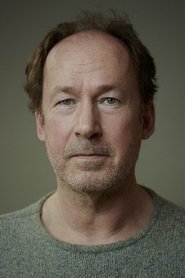 Ulrich NoethenWalter Fischer
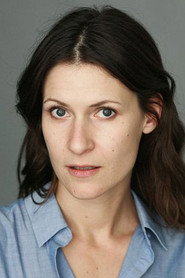 Inga BirkenfeldHanna
- Leander ModersohnJörg Schneider
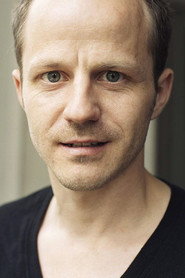 Rolf Peter KahlKontrolleur Peter
Directing
- Jan Ole GersterDirector
- Timon ModersohnFirst Assistant Director
- Oliver GrüttnerSecond Assistant Director
Writing
- Jan Ole GersterScreenplay
Production
- Alexander WadouhProducer
- Birgit KämperProducer
- Jörg HimstedtProducer
- Marcos KantisProducer