
Film
Detour
Other titles called Detour: the 1945 film.
A grief-stricken law student spirals into moral paralysis when his stepfather's infidelity offers a darkly appealing solution to his mother's suffering. Detour is a tense, claustrophobic thriller that trades explosive action for psychological pressure—a film about what happens when desperation meets opportunity, and how quickly we can rationalize the unthinkable.
If you liked this
Mystic River2003
Three childhood friends carry trauma into adulthood when a murder investigation forces them to confront secrets and guilt. Like Detour, it explores how moral compromises compound, and how our worst impulses can feel justified when we're broken.
But At 138 minutes, it demands patience. The ending divides audiences sharply—some find it perfect, others feel cheated by its moral ambiguity.

A Prophet2009
A young man enters prison and is forced into increasingly dark moral choices to survive. It has Detour's claustrophobic intensity and the same obsession with how circumstance and desperation reshape who we are.
But It's a French prison drama, methodical and bleak. If you want catharsis or a clear hero, you won't find one here.

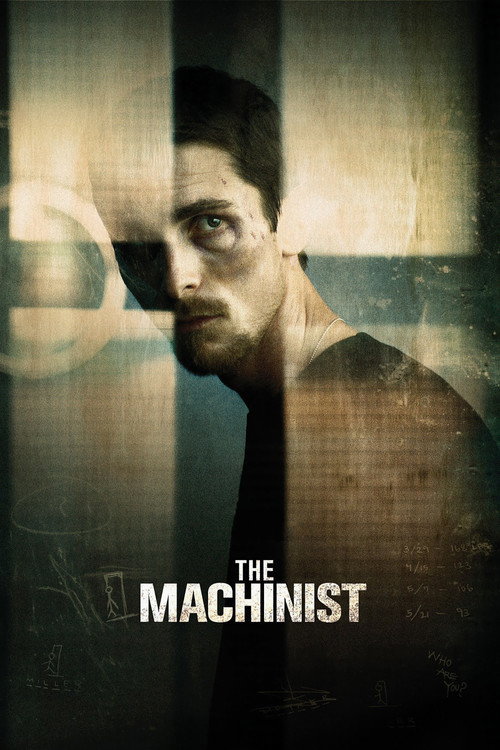
The Machinist2004
An insomniac's psychological unraveling becomes a portrait of guilt consuming someone from the inside out. Both films understand that the real thriller isn't external—it's what happens in a damaged mind.
But It's repetitive and airless by design. Christian Bale's haunted performance carries most of the weight, which some find exhausting rather than moving.
Not sure tonight? Get a pick in a minute, starting from Detour
The wildcard
Something you would not have found on your own.
Memories of Murder2003
Both explore moral erosion through entrapment and the impossibility of redemption.
A Korean detective hunts a serial killer across years, never finding closure, only moral exhaustion. The connection: both are about people trapped by circumstances beyond their control, grinding against impossible problems until they become unrecognizable to themselves. Bong Joon-ho understands despair at the level Detour reaches for.
But At 131 minutes it's slower than expected and resists providing answers. The final scene divides viewers—some find it transcendent, others feel robbed of resolution.

More like this (8)
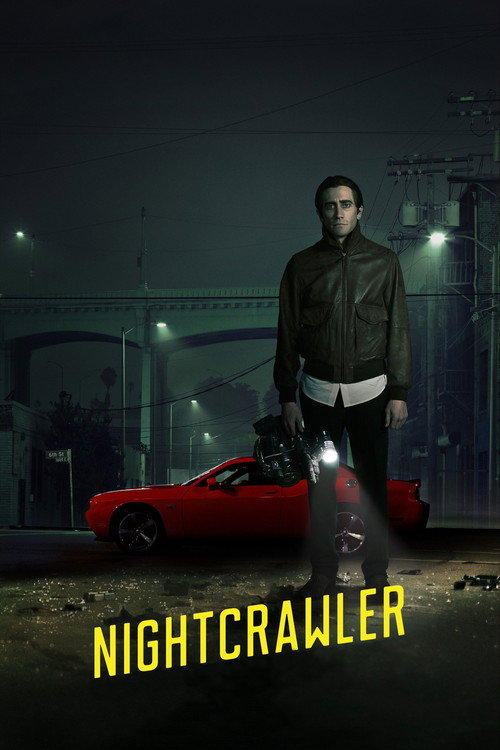
Nightcrawler2014
Jake Gyllenhaal plays an amoral loner whose desperation drives him into increasingly unforgivable acts. Detour and Nightcrawler both ask: at what point does someone stop trying to justify their choices and simply accept what they've become?
But It's deliberately unlikeable and offers no moral comfort. If you need to root for your protagonist, look elsewhere.
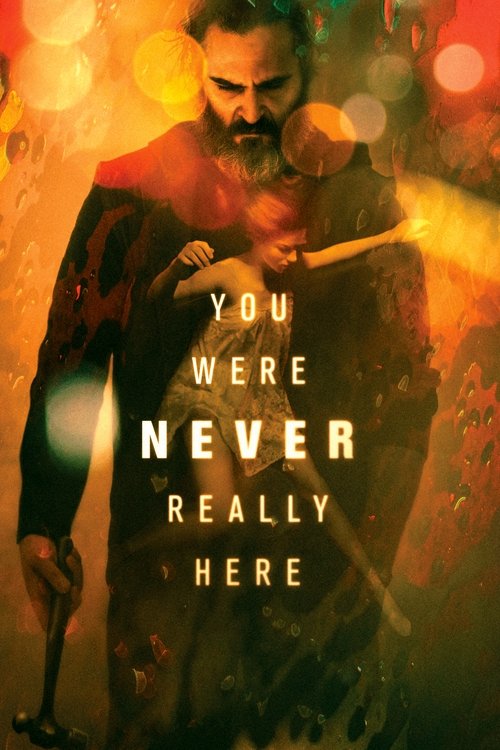
You Were Never Really Here2017
Joaquin Phoenix is a traumatized fixer navigating a violent underworld while barely holding himself together. Both films use confined spaces and psychological pressure instead of spectacle to generate dread.
But At 90 minutes it feels even shorter and more fragmented. Some viewers find it frustratingly elliptical; others see that as the point.
Donnie Darko2001
A troubled teenager spirals into moral questioning and dangerous decisions while time and fate seem to close in. It shares Detour's sense that circumstances are conspiring, that choice is an illusion, and that we're all just trying to survive the pressure.
But The cult following sometimes oversells it. What's genuinely unsettling can feel pretentious on a rewatch, and the ending may frustrate logical viewers.

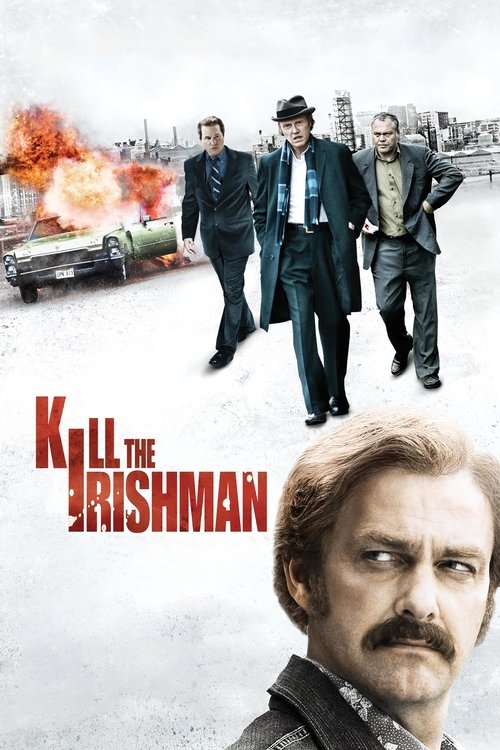
Kill the Irishman2011
Ray Romano plays a mobster justifying increasingly terrible acts as survival. It's lighter than Detour but asks the same question: when does rationalization become delusion, and who pays the price for our choices?
But It's a solid but unremarkable crime film that doesn't quite add up to its ambitions. The tonal shifts can feel muddy.
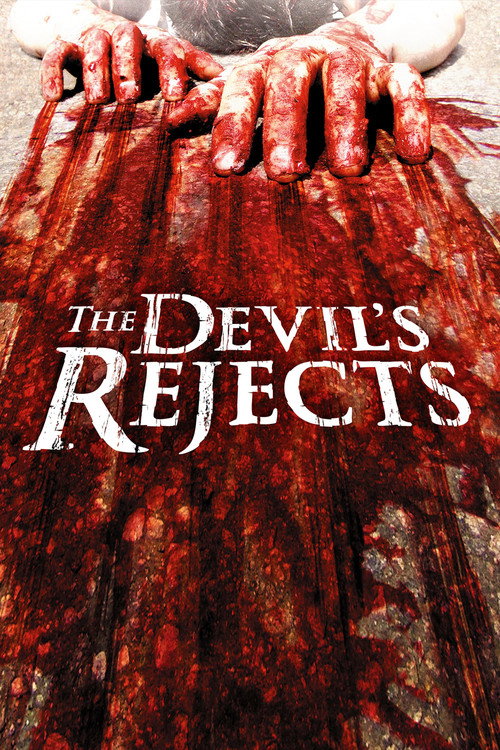
The Devil's Rejects2005
A brutal crime family on the run forces the question: can we sympathize with people who don't deserve it? Both films refuse easy moral clarity and make you complicit in their logic, even as you're horrified.
But It's genuinely violent and nihilistic. If you need a film to affirm your morality, this one will upset you.
Compliance2012
A psychological manipulation experiment at a fast-food restaurant shows how ordinary people rationalize compliance with extraordinary harm. It's Detour's theme in a different key: desperation, pressure, and the paralysis of doubt.
But It's based on a true story that feels so implausible it distances you from the horror. Many find it more frustrating than gripping.

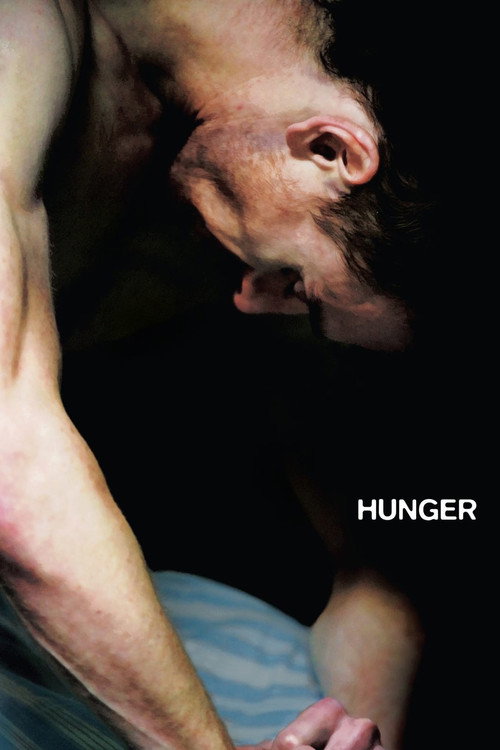
Hunger2008
Both feature someone on a collision course with self-harm, driven by circumstances that feel inescapable.
Steve McQueen's unflinching portrait of an IRA prisoner's protest becomes a meditation on the point where conviction hardens into self-destruction. Like Detour, it's about watching someone rationalize the unthinkable until it becomes their only choice. Except here the choice is conscious and the camera never looks away.
But It's a hunger strike film, which means long stretches of physical deterioration. Some of the most difficult cinema ever made—it's asking you to sit with suffering without relief.
The Ballad of Little Jo1993
Both show how desperation doesn't make us noble—it makes us whoever we need to be to survive.
A woman in the 1880s assumes a man's identity to survive. It's a Western and a survival story, but also a profound meditation on how circumstance forces us into choices that reshape who we are. Like Detour, it understands how quickly we adapt to the unthinkable when the alternative is annihilation.
But It's a quiet, period indie from the 90s with a modest budget. If you want action or drama in traditional forms, you're watching the wrong film.

People
Cast
 Tye SheridanHarper James
 Bel PowleyCherry
 Emory CohenJohnny Ray
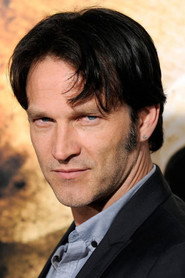 Stephen MoyerVincent
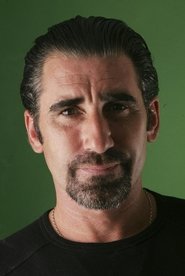 John LynchFrank Malone
 Jared AbrahamsonPaul
 Gbenga AkinnagbeMichael Andrews
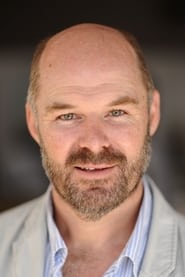 Deon LotzMr. Parfitt
 Reine SwartClaire Wiseman
 Tamer BurjaqRalph
 Daniel FoxOfficer Stanwyck
 Kal WeberDr. Ulmer
Directing
- Christopher SmithDirector
- Tamarin KotzeScript Supervisor
Writing
- Christopher SmithWriter
Production
- Laurie CookAssociate Producer
- Colin JonesCasting
- Toby SpigelCasting Associate
- Jonathan TaylorCo-Producer
- Casey van der TouwExecutive Producer
- Elliot RossExecutive Producer
- Fenella RossExecutive Producer
- Hilary DavisExecutive Producer
- Teri-Lin RobertsonLine Producer
- Compton RossProducer
- Jason NewmarkProducer
- Julie BainesProducer
- Phil HuntProducer
- Stephen KelliherProducer