
Film
The Woman Who Ran
- Social drama
- Slow-burning
Hong Sang-soo's chamber piece about a woman visiting three friends while her husband travels. Minimal plot, maximum mood: conversations that circle without resolving, spaces that hold as much weight as dialogue. It's a film for watching people think. Rewards attention and patience with quiet, complex humour about marriage, desire, and the gap between what we say and what we mean.
Should you watch it?
Watch it if you find pleasure in small talk that slowly reveals loneliness, enjoy long unhurried conversations over plot, and like a director who repeats and reframes ordinary scenes until they feel new.
Skip it if you need things to happen, since it is mostly conversation in other people's homes with little movement and a deliberately repetitive rhythm that can feel like stalling.
What it asks of you: Patience for long static takes and near-identical scenes, with meaning in small shifts of tone and what goes unsaid. At 77 minutes it is brief, but slow and quiet throughout.
Not sure? Find tonight's pick in a minute.
If you liked this
Moonlight2016
Three acts, three perspectives on identity and desire. Like Sang-soo, Jennings makes immense moments from small interactions. Both films trust silence and let you find the story in what's left unsaid.
But Very slow. Demands you sit with discomfort and ambiguity rather than resolving it. No conventional plot arc.

In the Mood for Love2000
Wong Kar-wai's film about desire, restraint, and what lives in the spaces between people. Like Sang-soo, he photographs proximity as a kind of agony. Both explore marriage and infidelity through colour and composition rather than plot.
But Very stylised—every frame looks composed, sometimes at the cost of intimacy. Can feel remote despite its subject.

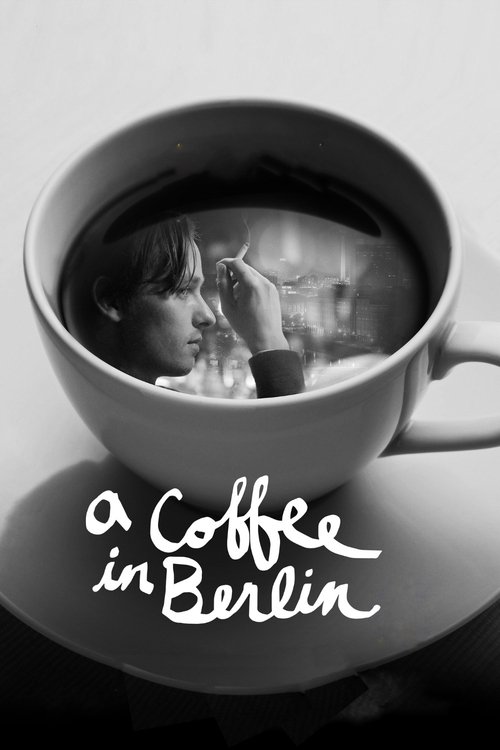
A Coffee in Berlin2012
Holm's black-and-white film of a young man drifting through the city, meeting people. Rambling, funny, observational. Same register of quiet humour finding depth in small failures and conversations that go nowhere.
But Plot is almost invisible. Meandering in a way that can feel like stalling. You need to care about mood over momentum.
Not sure tonight? Get a pick in a minute, starting from The Woman Who Ran
The wildcard
Something you would not have found on your own.
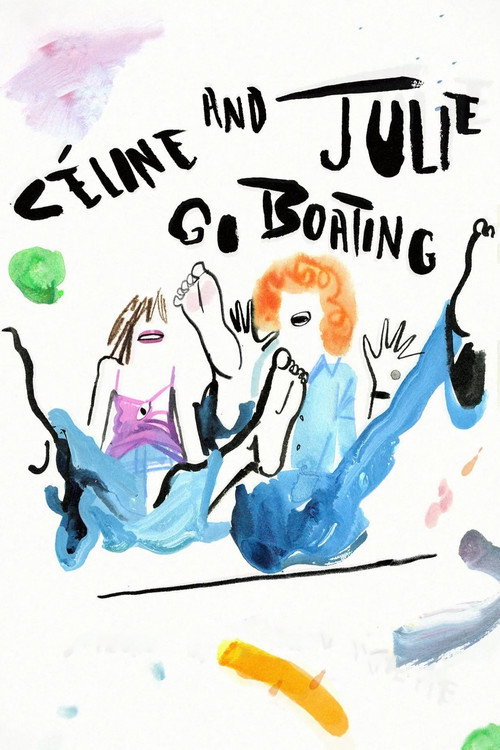
Céline and Julie Go Boating1974
Both use female friendship as a formal device—the women are witnesses, interpreters, detectives of each other's lives. Both treat repetition with variation as a key structure.
Rivette's four-hour surrealist masterpiece about two women who become entangled in a mysterious narrative. Like Sang-soo, it's obsessed with repetition, small changes, the uncanny texture of friendship. But where Sang-soo whispers, Rivette shouts in dreams.
But Very long. Openly fantastical and non-literal. Requires genuine patience and tolerance for weirdness. Not naturalistic in the slightest.
More like this (6)
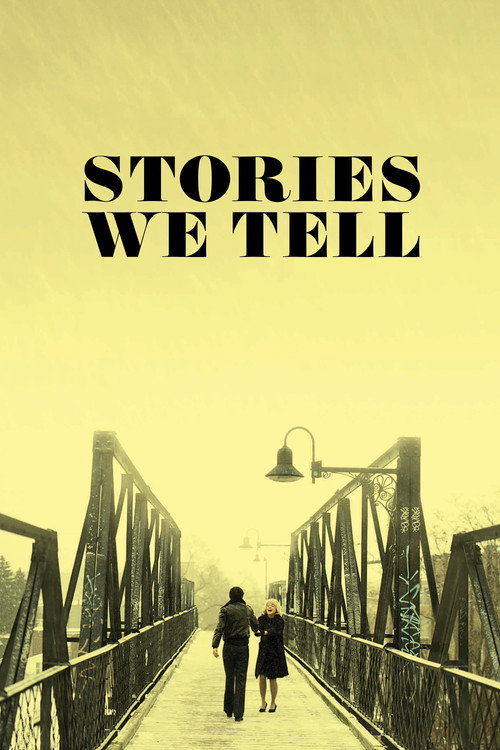
Stories We Tell2012
Sarah Polley's documentary about reconstructing a family secret. Uses film and performance to explore memory and truth the way Sang-soo uses conversation. Both ask: what's the story we tell about our lives?
But Experimental form. Reconstructions and interviews blend deliberately, which some find confusing. Not a straightforward narrative.
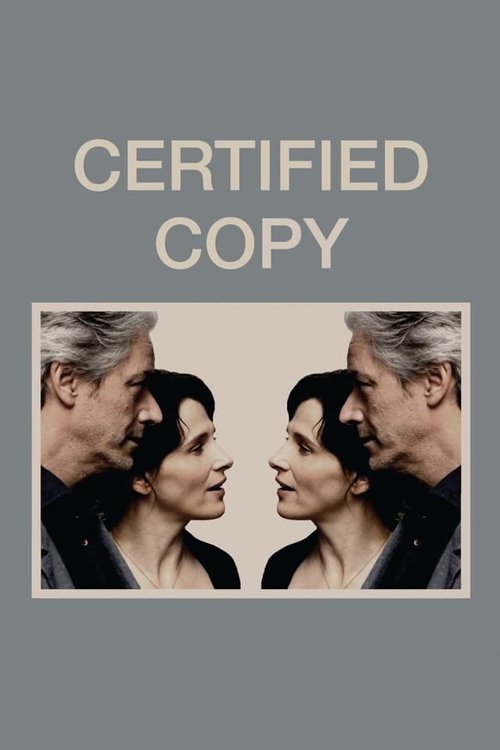
Certified Copy2010
Abbas Kiarostami's film of two people walking through Tuscany, talking about art, marriage, authenticity. Pure conversation, pure tension. The existential vertigo of not knowing who you're talking to—like Sang-soo's best work.
But Intellectually demanding. If you want plot or clear answers, this will frustrate you intensely.
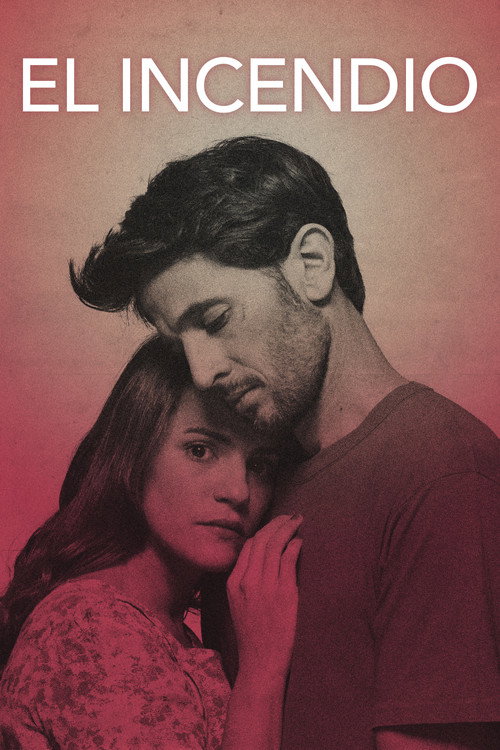
The Fire2015
Urszula Antoniak's quiet film about a couple in rural Greece coping with infidelity and estrangement. Sparse, painful, attentive to how people inhabit spaces when nothing is being said.
But Genuinely bleak. Very slow burn. Offers no comfort or resolution.
Memories of Murder2003
Bong Joon-ho's Korean crime film. Different genre entirely, but shares DNA with Sang-soo: attention to performance detail, moral complexity, the distance between what people want to believe and what they suspect.
But Heavy subject matter. More thriller than art film. If you loved The Woman Who Ran for its subtlety, this trades some of that for narrative drive.

Tokyo Story1953
Sang-soo studied Ozu's work intensely. Both filmmakers believe the camera should be still, and the interior life of the image should be everything.
Ozu's film about an elderly couple visiting their adult children. Seventy years before Sang-soo, Ozu made cinema from conversation, stillness, and the unspoken ache of family. His influence on Sang-soo is direct and profound. Pure cinema from the smallest gestures.
But Demands patience with static frames. Black and white. Emotionally restrained to the point of feeling cold if you're not attuned to it. Very slow.

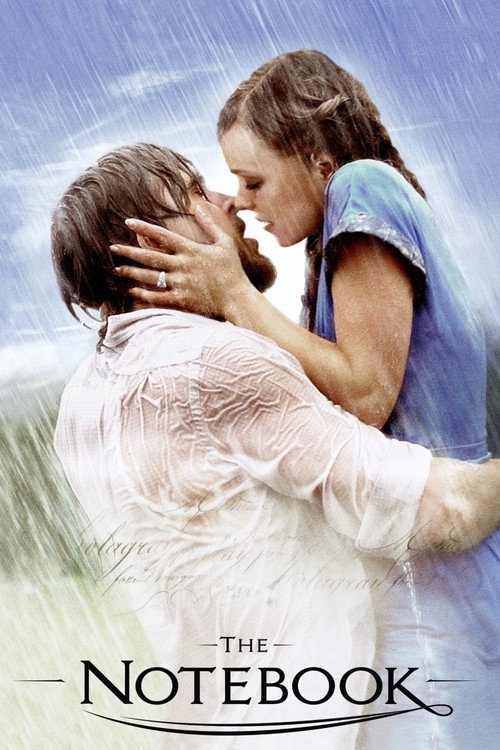
The Notebook2004
Same sensibility about Seoul, about the texture of contemporary urban life, the gap between public and private selves. Both are interested in how people reveal themselves in cities where nobody knows them.
Ahn Pan-seok's HBO miniseries about time, memory, and identity in contemporary Seoul. Like Sang-soo, it's made of conversations and the emotional undertow beneath them. But where Sang-soo's camera is still, this moves through time, fractured editing, and a more overt mystery structure.
But Complex, fragmented narrative. You have to hold multiple timelines. Darker and more overtly psychological than Sang-soo's work. Heavier.
People
Cast
 Kim Min-heeGamhee
 Seo Young-hwaYoungsoon
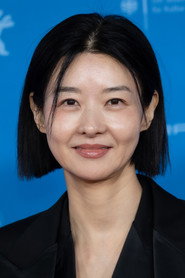 Song Seon-miSuyoung
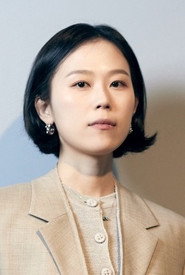 Kim Sae-byukWoojin
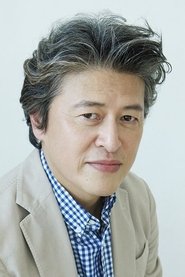 Kwon Hae-hyoMr. Jung
- Lee Eun-miYoungji
 Kang IseoYusung
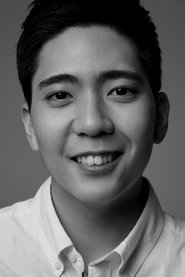 Shin Seok-hoCat Man
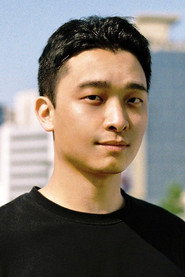 Ha Seong-gukYoung Poet
- Jo So-yeonStaff
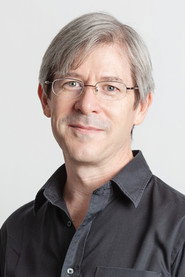 Darcy PaquetForeign Man
Directing
- Shin Seok-hoAssistant Director
- Hong Sang-sooDirector
- Kang IseoScript Supervisor
Writing
- Hong Sang-sooWriter
Production
- Hong Sang-sooProducer