
Film
Timbuktu
- Drama
- Very dark
Mauritian director Abderrahmane Sissako's austere masterpiece observes ordinary life under jihadist occupation in Timbuktu. A simple cattle herder's transgression triggers inexorable tragedy. Shot with painterly restraint, it refuses easy emotion or villains, finding horror in the banality of oppression and the impossible choices it forces.
Should you watch it?
Watch it if you want a quietly devastating drama that makes its political horror felt through small domestic moments, patient long takes and striking desert light, closer in spirit to Abbas Kiarostami than to a conventional war thriller.
Skip it if you need a clear plot engine or a lot of dialogue, since much of its force comes from silence, stillness and images that linger on everyday details under occupation.
What it asks of you: Ninety-six minutes of unhurried observation, with long held shots and sparse talk, and a steady weight of dread that you carry rather than being pushed through it.
Not sure? Find tonight's pick in a minute.
If you liked this
A Prophet2009
Laurent Cantet's prison drama builds with the same unstoppable inevitability as Timbuktu, tracing how systems of power crush individual will. Both films are patient, observational, and morally complex.
But It's French-language and runs nearly 2.5 hours. The pacing is deliberate rather than propulsive; it asks patience.

Capernaum2018
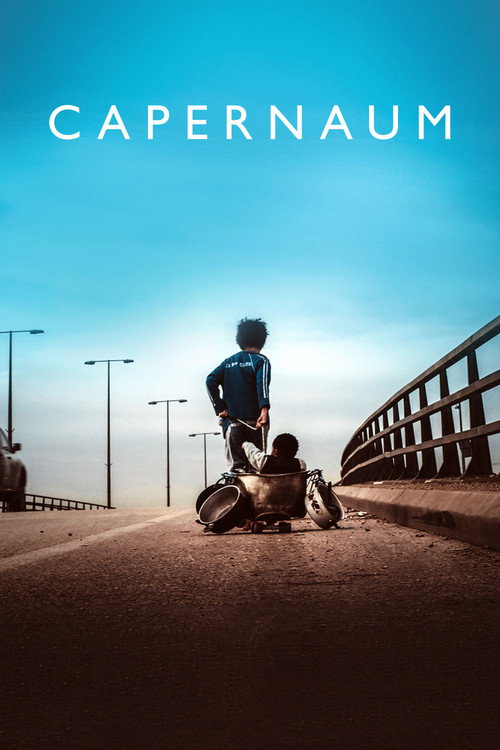
Nadine Labaki's Lebanese tragedy uses non-professional actors and documentary textures to examine survival under systemic cruelty. Like Timbuktu, it refuses sentimentality while breaking your heart.
But The subject matter—child suffering, urban poverty—is relentlessly bleak. Some scenes feel deliberately difficult to watch.
The Square2017
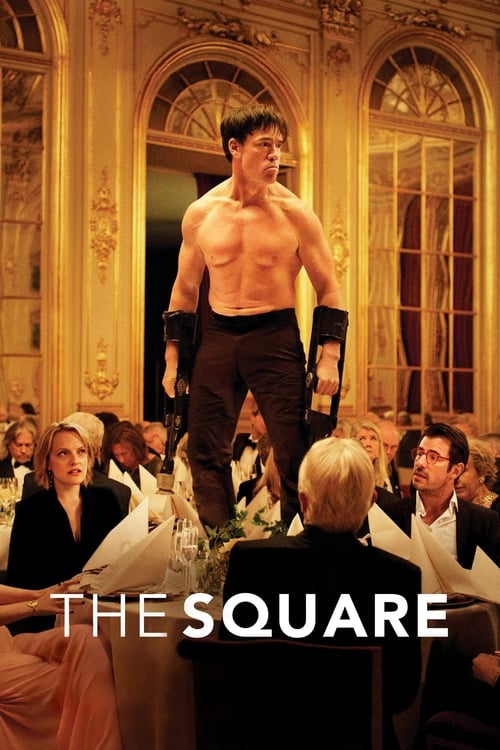
Ruben Östlund's Swedish satire also explores how ideology metastasizes through everyday life, with gallows humor replacing Timbuktu's silence. Both dissect systems that make monsters ordinary.
But It's provocative and often uncomfortable. The tone shift away from political gravity into absurdism won't appeal to everyone.
Not sure tonight? Get a pick in a minute, starting from Timbuktu
The wildcard
Something you would not have found on your own.
Boyhood2014
Both reject dramatic compression in favor of lived time; both argue that small, ordinary moments accumulate into profound emotional and spiritual truth.
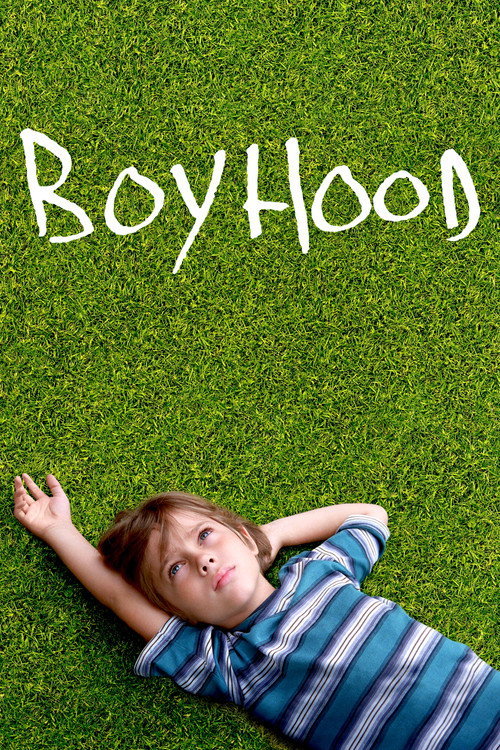
Richard Linklater filmed this over twelve years, capturing real time passing. Like Timbuktu, it trusts duration and everyday moments over plot. Both believe that life's texture matters more than dramatic incident.
But At 166 minutes without a conventional narrative arc, many found it self-indulgent tedium. The intimacy of watching someone age bores some viewers entirely.
More like this (8)
Stalker1979
Andrei Tarkovsky's meditation on desire and faith moves with the same spiritual slowness and visual poetry as Timbuktu. Both find the sacred in observation rather than action.
But At 163 minutes, it's a test of commitment. Tarkovsky's film is contemplative to the point of stasis.

Come and See1985
Elem Klimov's unbearable masterpiece about a boy soldier in WWII matches Timbuktu's refusal to look away from violence's consequences. Both are about innocence destroyed by forces beyond understanding.
But It is among the most harrowing films ever made. Not for casual viewing; genuinely traumatizing in places.

The Battle of Algiers1966
Gillo Pontecorvo's revolutionary epic portrays occupation and resistance with documentary precision. Both films treat politics as a human tragedy rather than an abstract argument.
But Made in 1966 and in black-and-white, it can feel remotely historical. The politics may seem didactic to modern viewers expecting moral ambiguity.

Bamako2007
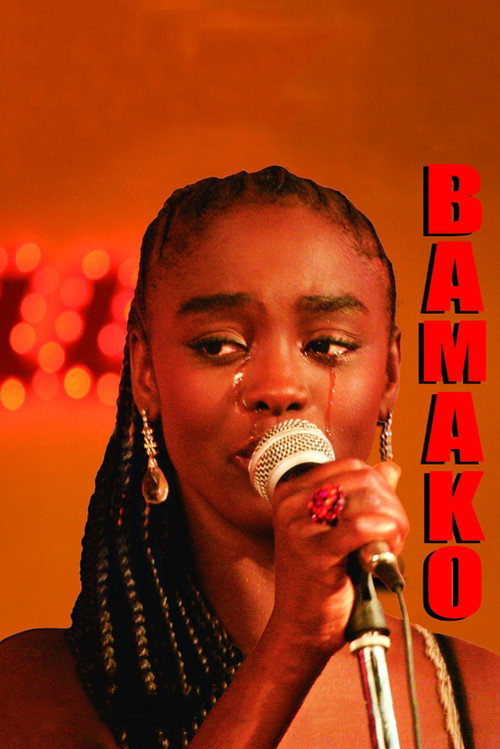
Sissako's own earlier film about Mali holds a tribunal against globalization and Western complicity. Same director, thematically connected, but more overtly polemical and less formally austere.
But At over two hours, it's more argumentative than Timbuktu. Viewers preferring narrative drive may find it shapeless.
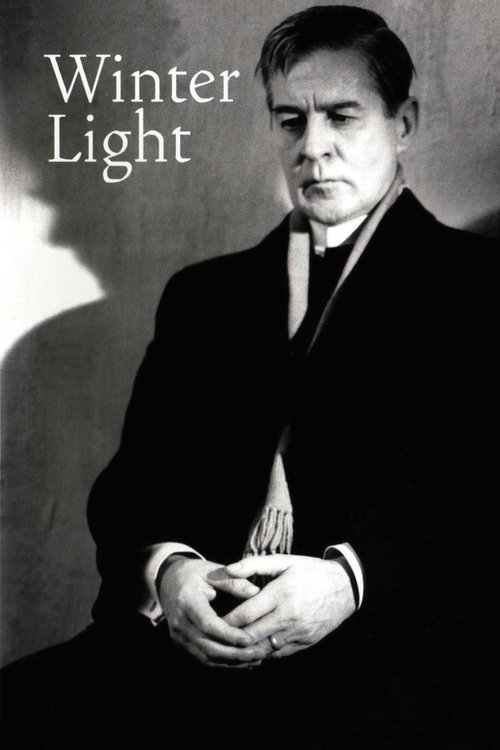
Winter Light1963
Ingmar Bergman's chamber piece about faith's collapse shares Timbuktu's spiritual desolation and its belief that small human moments contain the largest meanings.
But It's bleak, dialogue-heavy Swedish cinema from six decades ago. The existential despair can feel dated or overly austere.
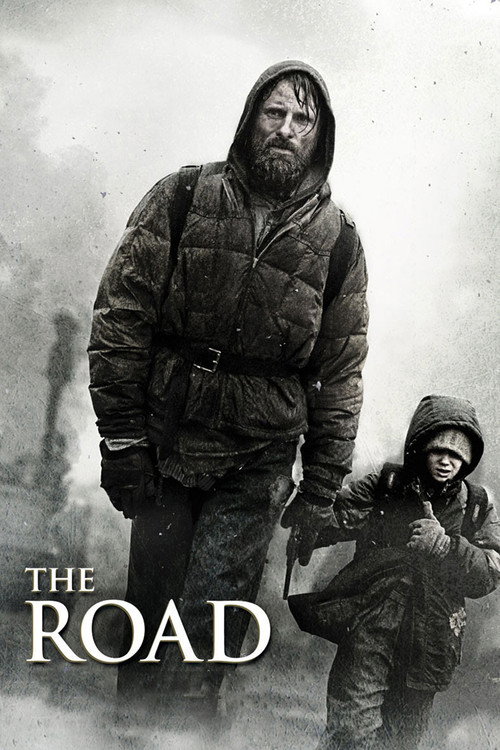
The Road2009
John Hillcoat's adaptation of Cormac McCarthy presents a world where systems have collapsed but power and cruelty persist. Both probe survival under dehumanizing conditions without easy answers.
But It's brutally depressing throughout. The post-apocalyptic scenario may feel more fantastical than Timbuktu's documentary realism.
A Ghost Story2017
Both use visual restraint and temporal expansion to explore how the individual confronts forces larger than themselves—whether occupation or mortality. Both are formally austere in service of emotional weight.
David Lowery's American experimental ghost story strips narrative to whisper. Ash Sheedy under a white sheet watches time consume everything. It's austere, poetic, preoccupied with what persists beyond human systems.
But Many viewers find it irritating conceptual art dressed as cinema. The minimal plot and long static shots feel designed to provoke rather than move.

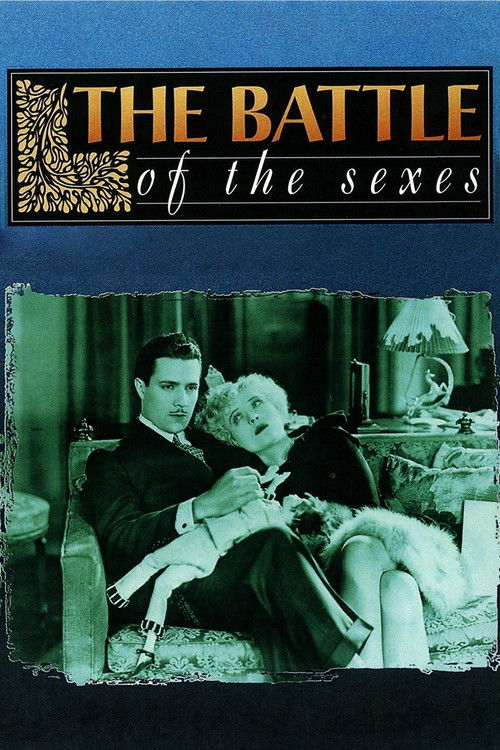
The Battle of the Sexes1928
Both use disruption of ordinary life—jihadist occupation, gender chaos—to reveal how arbitrary and contingent social order is. Both find the grotesque in the everyday when systems collapse or transform.
Jean Vigo's avant-garde silent film depicts social breakdown during a surreal gender war. Like Timbuktu, it observes civilization's fragility and the absurdity that erupts when rules invert, but through radical formal experimentation.
But It's surrealist, silent, ninety years old, and intellectually difficult. The society-collapse premise reads as whimsical rather than urgent, and the formal play may feel mannered.
People
Cast
 Ibrahim AhmedKidane
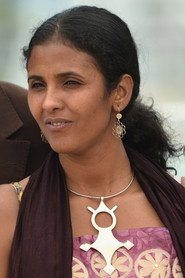 Toulou KikiSatima
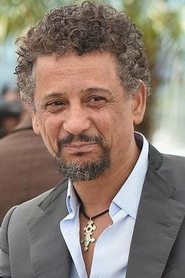 Abel JafriAbdelkrim
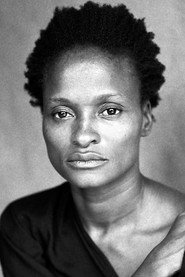 Kettly NoëlZabou
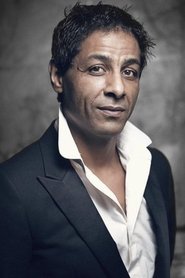 Hichem YacoubiJihadist
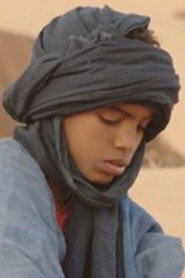 Mehdi A.G. MohamedIssan
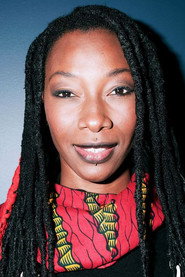 Fatoumata DiawaraSinger
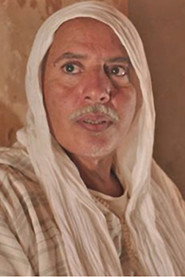 Adel Mahmoud CherifThe Imam
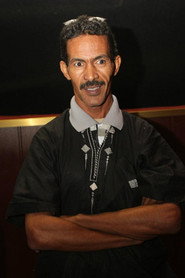 Salem DendouJihadist leader
- Mamby KamissokoJihadist
- Yoro DiakitéJihadist
Directing
- Abderrahmane SissakoDirector
- Olivia BruynogheScript Supervisor
Writing
- Abderrahmane SissakoWriter
- Kessen TallWriter
Production
- Elisabeth GuthmannCasting
- Étienne ComarProducer
- Frédérique Dumas-ZajdelaProducer
- Sylvie PialatProducer
Recommended by
Dheepan, In This World, Of Gods and Men, Mandela: Long Walk to Freedom