
Film
The Battle of the Sexes
A 1928 silent comedy-drama about a wealthy married man seduced by a scheming younger woman, which fractures his family and nearly turns tragic. It's broadly played, occasionally slapstick, occasionally sharp about desire and deception. A period piece that feels both dated and oddly modern in how it anatomizes marital vulnerability and class anxiety.
Should you watch it?
Watch it if you enjoy sharp, moralizing comedies of manners where a marriage's cracks are exposed with a wink, and you're happy watching a vintage film for its mechanics of scheming and reversal.
Skip it if you want a brisk modern pace or dialogue-driven wit; this older, broadly played film moves slowly, and its humour and melodrama feel dated.
What it asks of you: Eighty-eight minutes, so a short sitting, but expect deliberate pacing and theatrical performances that ask you to stay patient through the setup.
Not sure? Find tonight's pick in a minute.
If you liked this
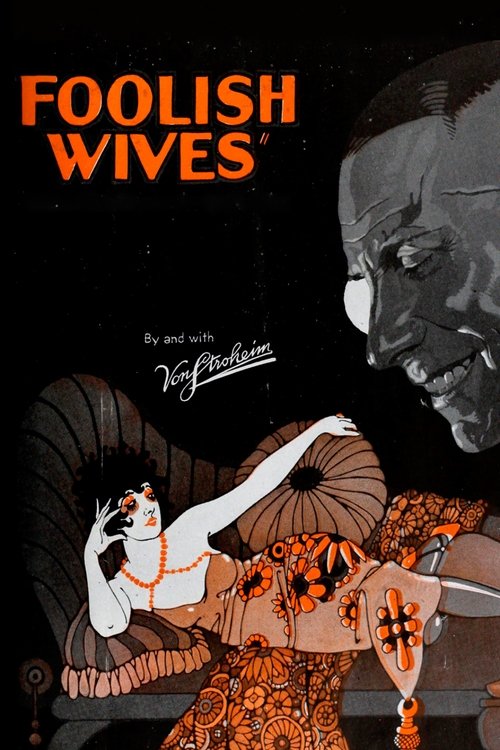
Foolish Wives1922
Erich von Stroheim's masterpiece about a fake count who exploits a diplomat's wife. It shares the sharp-eyed cynicism about seduction, class performance, and the damage desire does to families.
But Von Stroheim's pacing is glacial by modern standards, and the print quality can be variable. The misogyny is period-authentic but heavy.
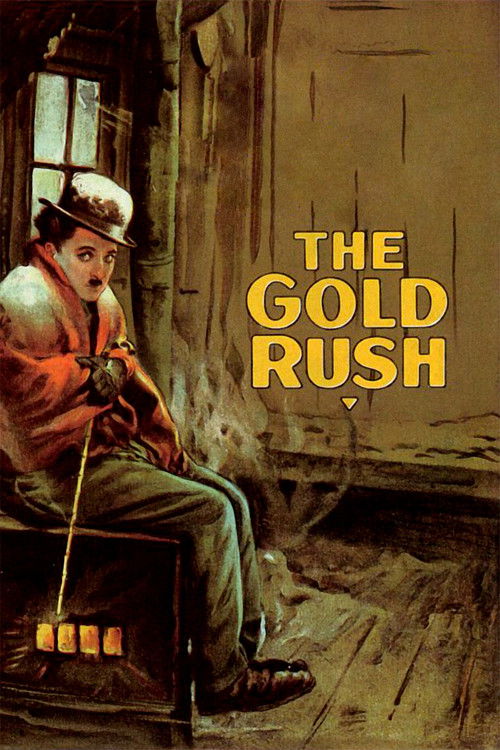
The Gold Rush1925
Chaplin's greatest film about desperation, loneliness, and misjudgment in pursuit of wealth and love. It has the same melancholy under the comedy, the same sense of people fooling themselves.
But It's sentimental in places, and the final act pivots away from the hardness that makes the first half brilliant.
Sunrise: A Song of Two Humans1927
F.W. Murnau's silent masterpiece about a man tempted to abandon his wife by a seductive woman from the city. It's visually extraordinary and emotionally devastating about betrayal and family fracture.
But It's a melodrama and doesn't shy from it. Some will find the emotional register too earnest, the moral universe too clear.

Not sure tonight? Get a pick in a minute, starting from The Battle of the Sexes
The wildcard
Something you would not have found on your own.
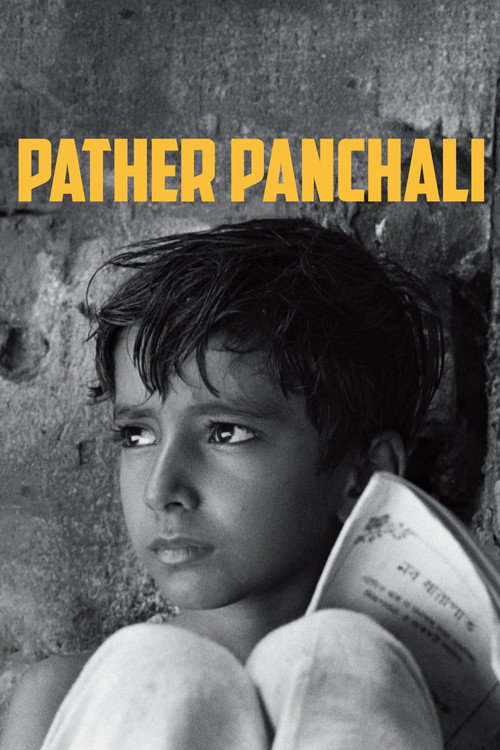
Pather Panchali1955
Both examine how money—lack of it or the pursuit of it—destroys family bonds. *Pather Panchali* treats this with the gravity of a documentary; *Battle of the Sexes* as moral melodrama.
Satyajit Ray's Indian masterpiece about a poor family struggling through hardship. It shares the clear-eyed observation of how financial desperation corrodes family bonds, but it's utterly unsentimental and visually poetic in a way that transforms the material entirely.
But It's a slow, observational film with no plot in the conventional sense. Its beauty is austere, and it will test patience. The poverty it depicts is real and sometimes hard to watch.
More like this (7)
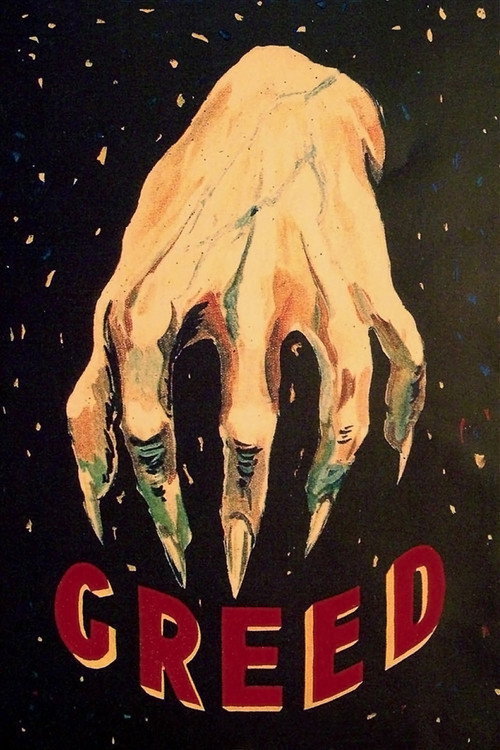
Greed1924
Von Stroheim again: a ruthless portrait of how desire for money corrodes marriage and turns ordinary people monstrous. It's about the same toxic mix of seduction, greed, and family collapse.
But The surviving cut is fragmentary and sometimes hard to follow. The bleakness is total—there are no moments of lightness or redemption.
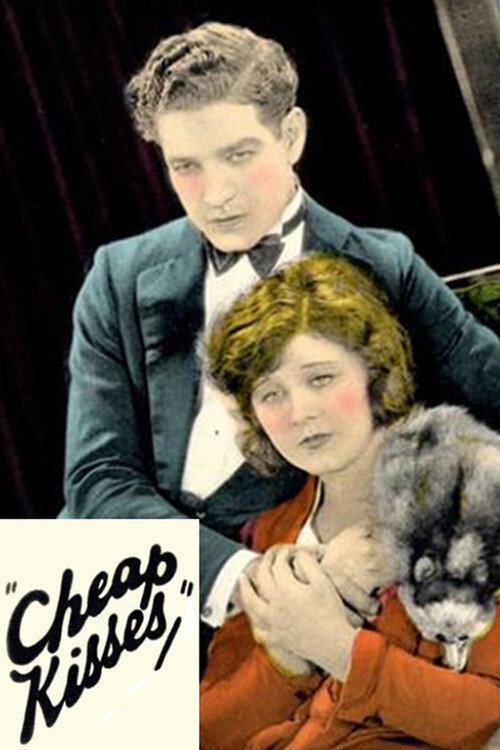
Cheap Kisses1924
A sharp comedy about a gold-digger and the wealthy man she's after. It has the same satirical eye toward class performance and romantic scheming, but played faster and lighter.
But It's genuinely obscure and can be hard to find. The print quality is often poor, and the humor depends on silent-film literacy.
The Phantom Carriage1921
Sjöström's Swedish masterpiece about regret, redemption, and the ghosts we carry. It shares the moral seriousness about how we damage those closest to us and what it costs.
But It's slow, metaphysical, and deeply melancholic. There's almost no comedy, and the emotional weight can feel oppressive.

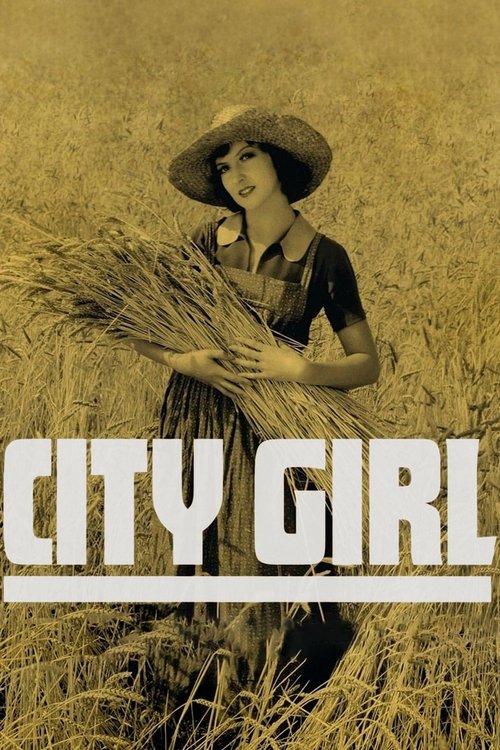
City Girl1930
F.W. Murnau's last film, about a farm boy seduced by a city woman and the damage it does to his family. It's visually stunning and explores the same themes of desire, deception, and family fracture.
But It's a late silent (or early talkie depending on the version), and the transition is awkward. The plot is melodramatic even by 1930 standards.
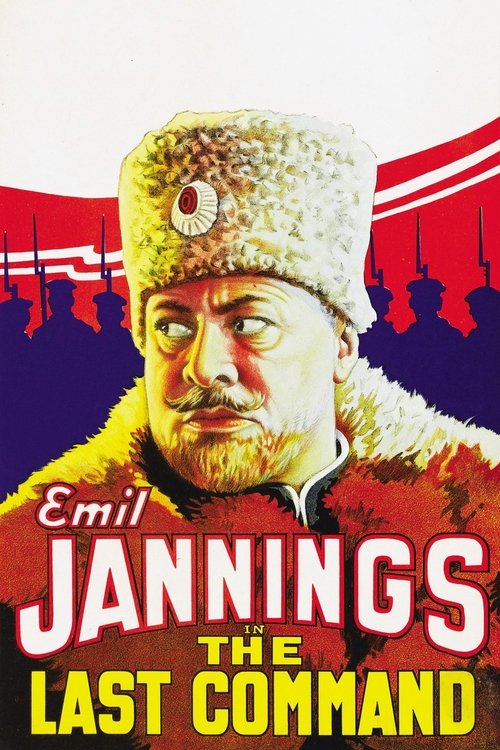
The Last Command1928
Sternberg's film about a fallen Russian general playing a bit part in a film about the revolution. It's about performance, class, fallen fortunes, and the masks we wear to survive.
But It's oblique and atmospheric rather than plot-driven. Some will find it slow and emotionally distant.
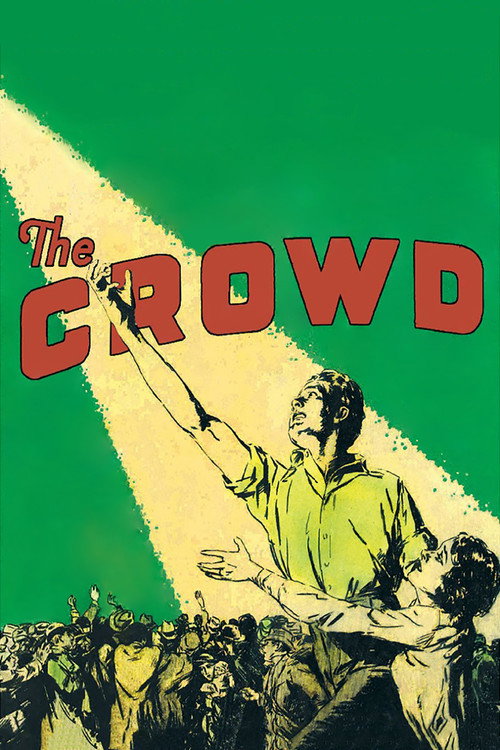
The Crowd1928
King Vidor's portrait of an ordinary marriage ground down by circumstance and bad luck. It's unsentimental about love, family, and the ways people hurt each other without meaning to.
But It's deliberately unglamorous and sometimes bleak. The ending is ambiguous in a way some find unsatisfying.
Contempt1963
Both are about the seduction that destroys a marriage, but *Contempt* asks why we're attracted to the wrong people; *Battle of the Sexes* asks what we deserve for being foolish.
Godard's film about a marriage dying in real time, set among filmmakers on a Mediterranean island. It's about the same topic—desire, infidelity, the gap between who we think our partners are and who they really are—but it's modernist, elliptical, and philosophically rigorous where *Battle* is conventional.
But It's visually gorgeous but narratively frustrating. Long takes, conversations that seem to circle nowhere, almost no plot momentum. Godard's alienation effects are the opposite of emotional engagement.

People
Cast
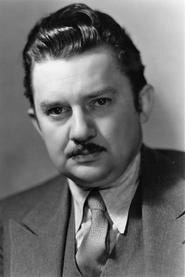 Jean HersholtWilliam Judson
 Phyllis HaverMarie Skinner
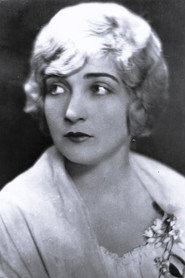 Belle BennettMrs. Judson
 Sally O'NeilRuth, the Daughter
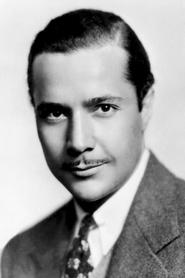 Don AlvaradoBabe Winsor
 William BakewellThe Son
- John BattenJudson's Friend
Directing
- D.W. GriffithDirector
Writing
- Gerrit J. LloydScreenplay
- Daniel Carson GoodmanStory
Production
- D.W. GriffithProducer