
Film
Cheap Kisses
A 1924 silent drama about a young man caught between his family's sudden wealth and his love for a chorus girl. When a famous sculptor takes interest in his wife, social ambition and desire collide. It's a brisk, elegant snapshot of Jazz Age tensions—how money reshapes families and what happens when desire meets respectability. For silent film enthusiasts and anyone curious about how these themes played a century ago.
Should you watch it?
Watch it if you enjoy jazz-age social drama about new money, gossip-column hypocrisy and marriages bought and sold, the kind of brisk character study that finds its sting in small, cutting social manoeuvres.
Skip it if you need a brisk plot, since this is a slow-building melodrama whose moralizing feels stiff and whose glamour now reads more quaint than seductive.
What it asks of you: Seventy minutes, so it stays compact, but it lingers over parlour manners and glances, letting social pressure build quietly rather than through big set pieces.
Not sure? Find tonight's pick in a minute.
If you liked this
Sunrise: A Song of Two Humans1927
F.W. Murnau's masterpiece about temptation, fidelity, and redemption in a small town. The visual storytelling is so precise it makes dialogue unnecessary. A profound meditation on what threatens a marriage and what saves it.
But It's slow by modern standards and demands your full attention. The ending might feel sentimental if you're in the mood for moral ambiguity.

Intolerance: Love's Struggle Throughout the Ages1916
D.W. Griffith's epic ambition—four parallel stories across centuries, all about how society punishes unconventional love. The scale is staggering and the emotional throughline is surprisingly modern in how it questions whose rules we follow.
But At three and a half hours, it tests patience. The pacing is glacial by any standard, and the film's own politics are complicated and sometimes troubling.

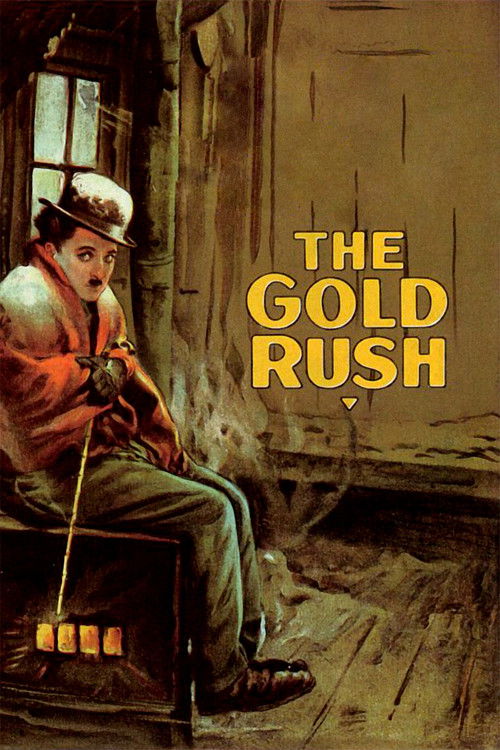
The Gold Rush1925
Chaplin in the Yukon, broke and desperate, falling for a dance-hall girl. It balances comedy with genuine pathos—the hunger, the loneliness, the ache of wanting someone you can't have. Funny and heartbreaking in the same breath.
But The comedy is slapstick and might feel broad. If you need plot momentum, the meandering first hour could lose you.
Not sure tonight? Get a pick in a minute, starting from Cheap Kisses
The wildcard
Something you would not have found on your own.
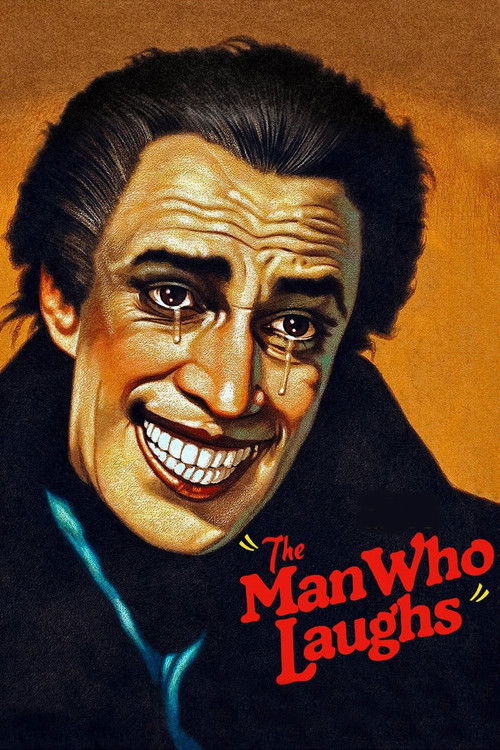
The Man Who Laughs1928
Both examine how society's judgment of appearance and class status interfere with genuine feeling. Both ask whether love can survive when the world decides it shouldn't.
Lon Chaney, horribly disfigured, falls for a blind noblewoman who loves him without seeing his face. It's grotesque and tender simultaneously—a love story that asks what beauty actually means. Visually baroque and emotionally sincere.
But Chaney's makeup is genuinely disturbing. If body horror makes you uncomfortable, the film's central image will be hard to sit with.
More like this (8)
The Phantom Carriage1921
Swedish masterpiece about a man visited by ghosts on New Year's Eve, forced to reckon with how his choices destroyed those around him. Visually inventive and genuinely eerie, with real emotional weight beneath the supernatural premise.
But The pacing is deliberate. It's a film that trusts you to sit with mood rather than propel you with plot, which demands patience.

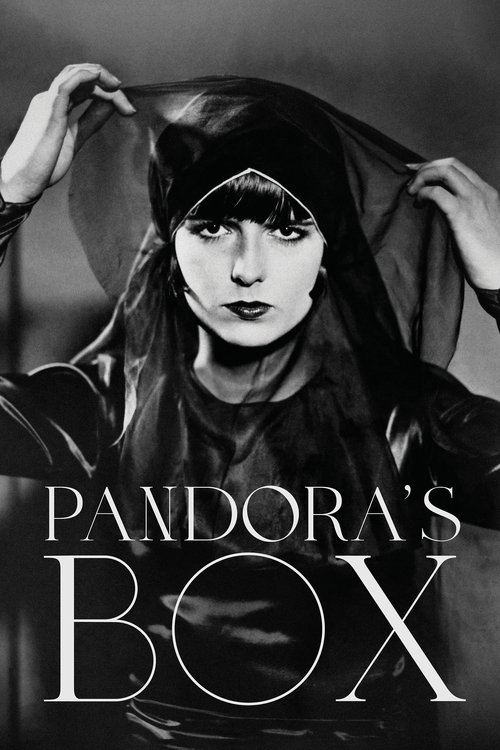
Pandora's Box1929
Georg Wilhelm Pabst's portrait of desire and manipulation, with Louise Brooks as a woman who destroys every man who loves her. It's cynical, glamorous, and unsentimental about how sex and money entangle people.
But It's bleak and offers no moral comfort. If you want your characters punished for wrongdoing, this film refuses that satisfaction.
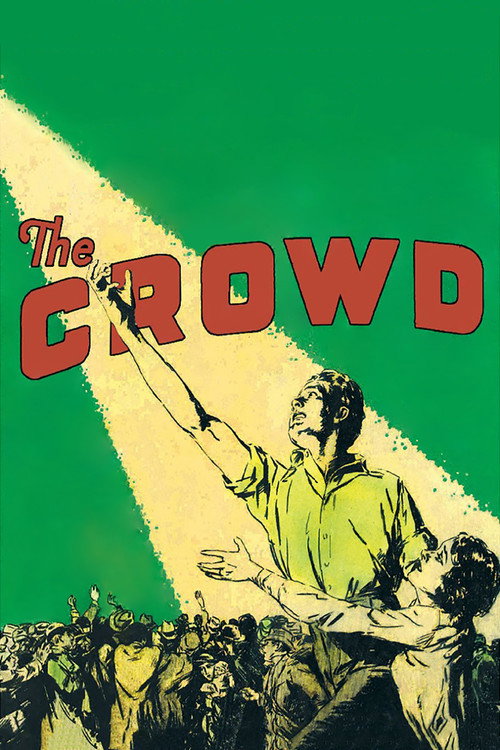
The Crowd1928
King Vidor's precise observation of ordinary life—a man and woman marry for love, then navigate poverty, ambition, and the daily disappointments that wear down even good people. Quietly devastating in how it captures class anxiety.
But Nothing dramatic happens. It's about the slow erosion of hope, which some find depressing rather than illuminating.
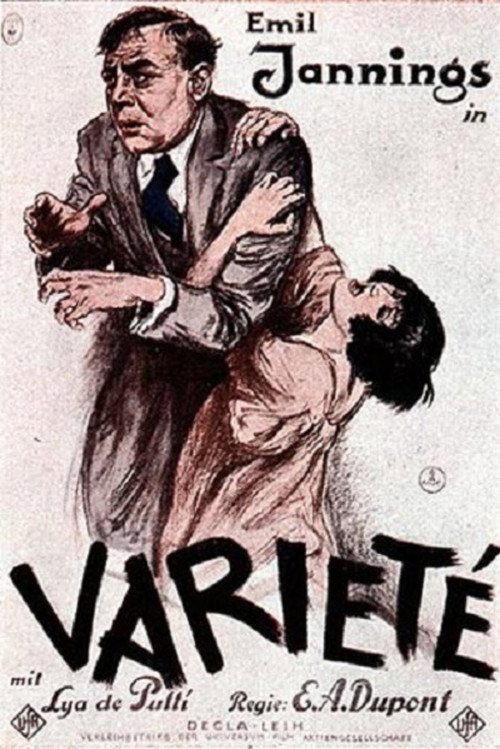
Variety1925
Emil Jannings in a story of circus performers, jealousy, and betrayal. The acrobatic sequences are genuinely thrilling, and the film captures the particular desperation of performers chasing applause and money simultaneously.
But The plot is melodramatic and the psychology is surface-level. If you want subtlety over spectacle, look elsewhere.
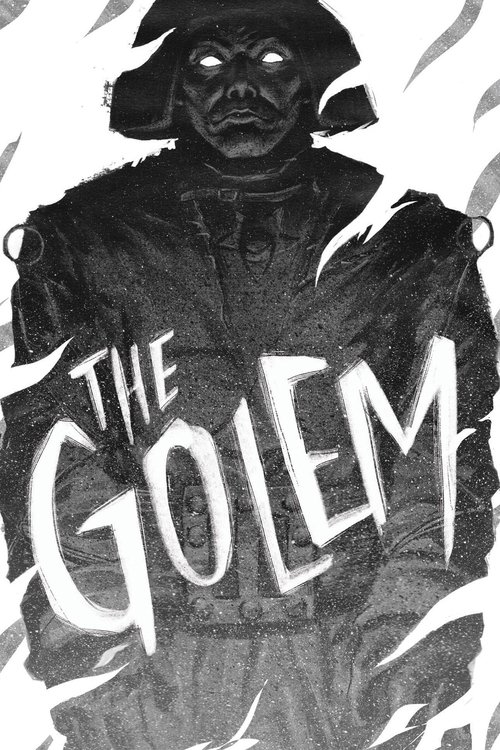
The Golem: How He Came into the World1920
An expressionist nightmare about a clay creature built to protect Prague's Jews. Visually extraordinary—skewed angles, deep shadows, a sense of dread that predates horror as a genre. Fascinating as both art and artifact.
But It's more visual than narrative. The story is thin and the film asks you to be moved by mood and image rather than plot.
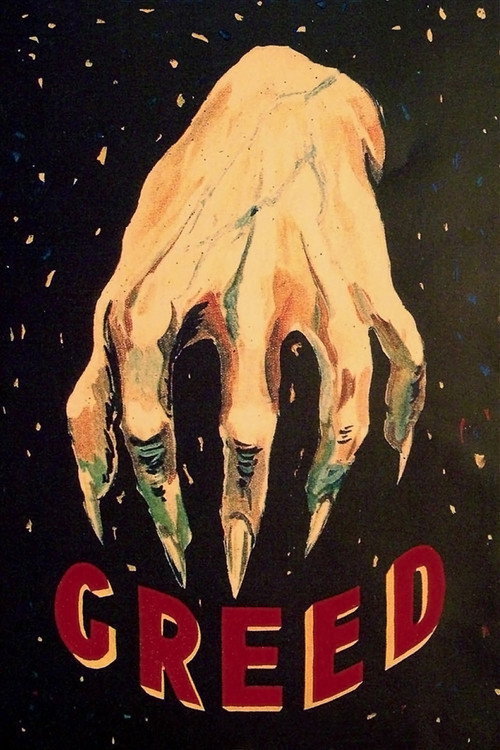
Greed1924
Erich von Stroheim's 1924 epic about how greed poisons love and marriage. Shot on location, obsessively detailed, with a final sequence in Death Valley that's genuinely unforgettable. Raw and uncompromising.
But It's exhaustingly long and relentless in its bleakness. There's no relief, no moment of grace—just the slow corruption of decent people.
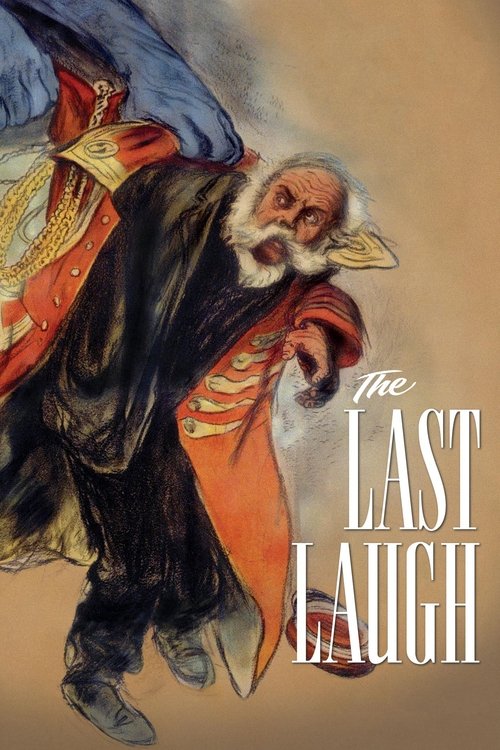
The Last Laugh1924
Both tracks how external circumstances—money, appearance, social standing—reshape what we're allowed to want and who we're allowed to love. Both pit individual desire against social machinery.
Emil Jannings as a hotel doorman stripped of his uniform and status overnight. It's a psychological portrait of how identity collapses when circumstance changes—no title cards until the end, just pure visual storytelling about humiliation and reinvention.
But The ending is deliberately manipulative and sentimental. It undercuts the film's own realism in a way that feels false.
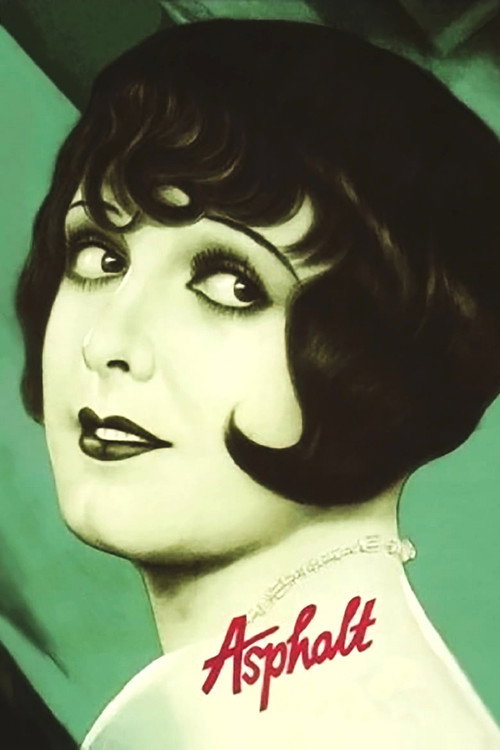
Asphalt1929
Both are stories about desire crossing class lines and how social aspiration—or the woman who embodies it—can destroy someone. Both set that drama against a specific world's temptations and moral flexibility.
A Berlin street film where a policeman falls for a beautiful jewel thief. German Expressionism at its most intoxicating—neon nights, moral corruption, the erotics of crime. It's about how desire makes us stupid and how the city enables that stupidity.
But The gender dynamics are deeply dated and uncomfortable. The thief is a predatory archetype and the film doesn't interrogate that.
People
Cast
 Lillian RichArdell Kendell
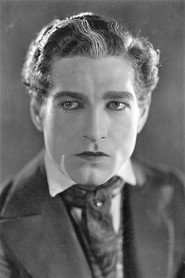 Cullen LandisDonald Dillingham
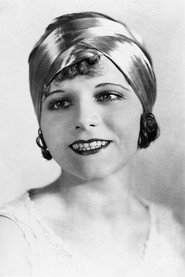 Vera ReynoldsKitty Dillingham
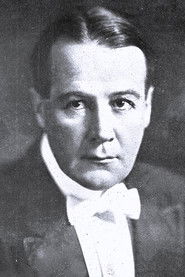 Phillips SmalleyGeorge Wescott
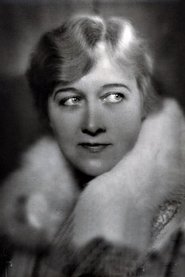 Louise DresserJane Dillingham
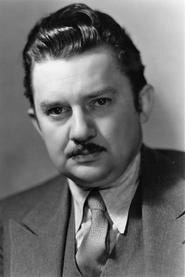 Jean HersholtGustaf Borgstrom
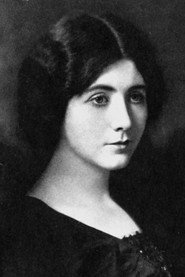 Bessie EytonMaybelle Wescott
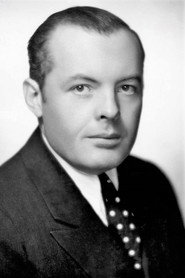 Lincoln StedmanBill Kendall
 Kathleen MyersMignon De Lisle
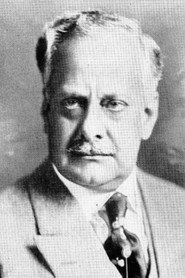 Sidney De GrayHenry Dillingham
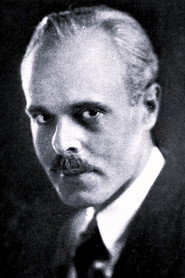 Michael DarkButterworth Little
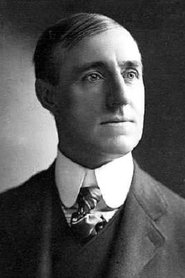 Tom RickettsThe Old Man
Directing
- Cullen TateDirector
- John InceDirector
Writing
- C. Gardner SullivanScreenplay
- C. Gardner SullivanStory