
Film
Bamako
- Drama
- Slow-burning
Abderrahmane Wirth's formal audacity transforms a Bamako courtyard into an extraordinary tribunal where Africa's poor indict the World Bank and IMF. Testimonies, music, and everyday life intersect as locals, lawyers, and witnesses grapple with structural debt's ravages. A work of moral urgency dressed in cinema that refuses easy answers—necessary and strange.
If you liked this
La Haine1995
Mathieu Kassovitz's shattering portrait of marginalization in Paris uses form itself—a visceral visual grammar—to indemnify the voiceless. Urgent and formally brilliant.
But Nearly thirty years old and French; if you want something contemporary or in English, this asks patience in both.

The Act of Killing2012
Joshua Oppenheimer's documentary makes perpetrators of genocide re-enact their own atrocities. A profound, terrifying inquiry into how societies rationalize horror and how cinema itself can bear witness.
But Extremely difficult to watch. Genocide is not abstracted; the violence is central and the moral weight relentless.

A Prophet2009
Jacques Audiard's prison epic examines systems of power, complicity, and survival with surgical precision. Malik's rise from vulnerability to ruthlessness feels both inevitable and tragic.
But Two and a half hours, deliberately paced, with long passages where the story breathes rather than accelerates. Not a thriller's rhythm.

Not sure tonight? Get a pick in a minute, starting from Bamako
The wildcard
Something you would not have found on your own.
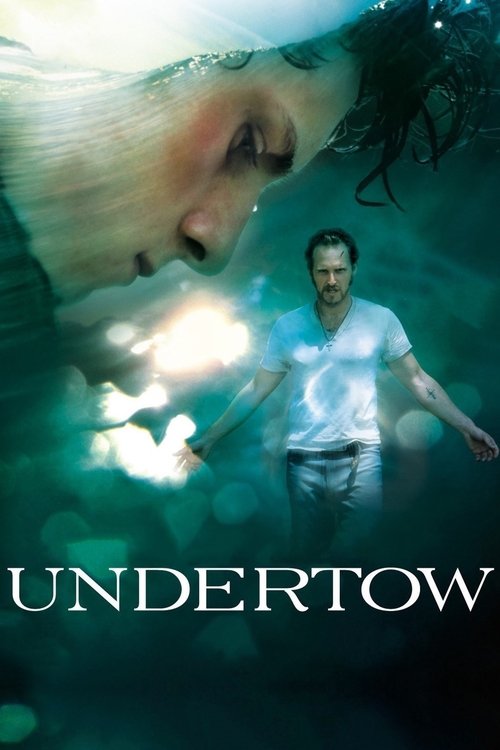
Undertow2004
Both are set in specific geographies of poverty and structural violence, and both refuse Western hand-wringing or solutions. Both ask cinema to bear witness to systems rather than individual redemption.
Víctor Gaviria's Colombian drama depicts daily life in a favela with unflinching intimacy: two orphaned brothers negotiate survival, sexuality, and violence with devastating clarity. It's neorealism, but neither sentimental nor anthropological.
But Deeply bleak, sex work and murder are shown without warning, and the resolution offers no uplift. Some will find it exploitative rather than observant.
More like this (7)
Stalker1979
Tarkovsky's meditative masterpiece treats cinema as a tool for philosophical inquiry, not narrative delivery. A film about yearning that generates yearning in the viewer.
But 163 minutes of extreme slowness. If you want plot momentum or conventional drama, this will frustrate you.

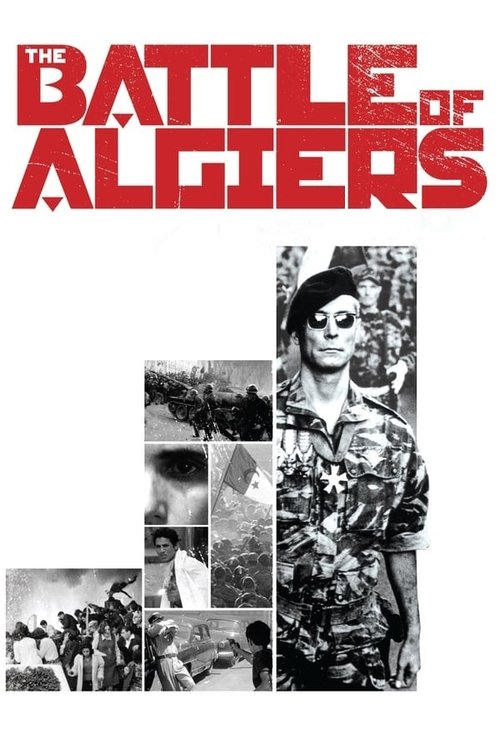
The Battle of Algiers1966
Gillo Pontecorvo's black-and-white reconstruction of the Algerian independence struggle is simultaneously a thriller and a political essay. It shows, not tells.
But Made in 1966 and deliberately about violence as a tool of liberation—morally serious in ways that can feel austere or didactic if you're not meeting it halfway.
Memoria2021
Apichatpong Weerasethakul's haunting meditation on time, memory, and ghosts in Bogotá moves by accumulation and mood rather than plot. Hypnotic and mysteriously moving.
But Deliberately oblique. If you need clear narrative or a sense of closure, you'll leave frustrated. It's not a puzzle to solve.

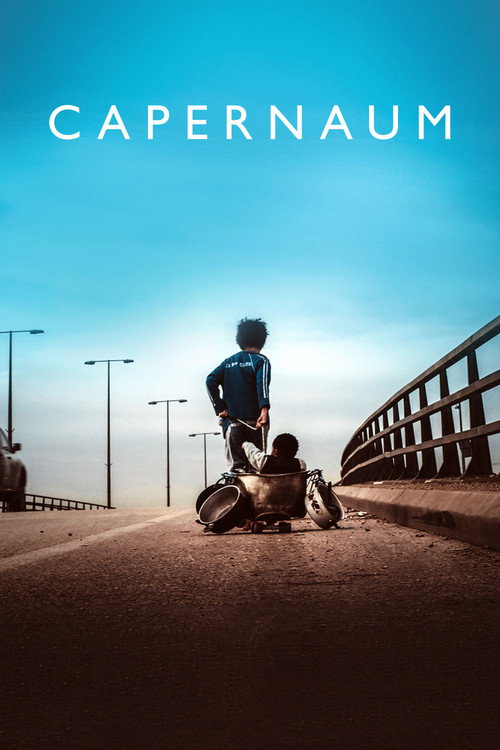
Capernaum2018
Nadine Labaki's furious humanist drama follows a child suing his parents for the crime of bringing him into poverty. Raw, funny, and socially urgent without sentiment.
But Set in Lebanese slums, shot non-professionally. Some find the aesthetic patronizing; others find it immensely vital.
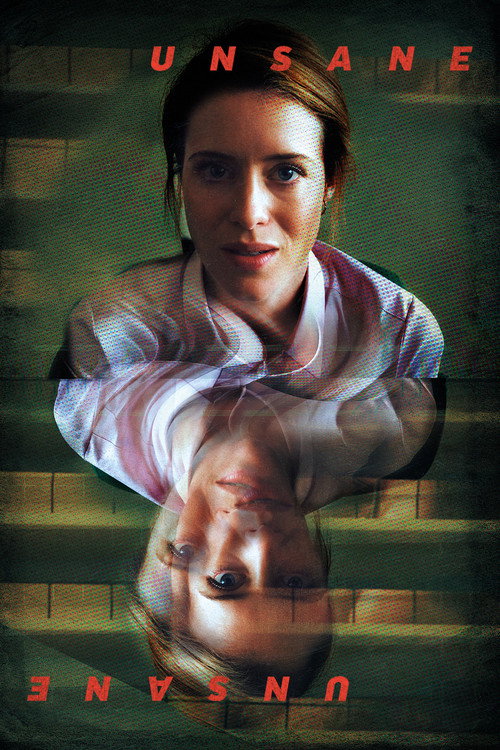
Unsane2018
Sean Baker's psychological thriller—shot entirely on iPhones and often from behind a phone screen—examines institutional gaslighting with real formal innovation. Claustrophobic and smart.
But Shot on a phone, feels grainy and fractured. Some see formal necessity; others see gimmickry. Also genuinely upsetting.
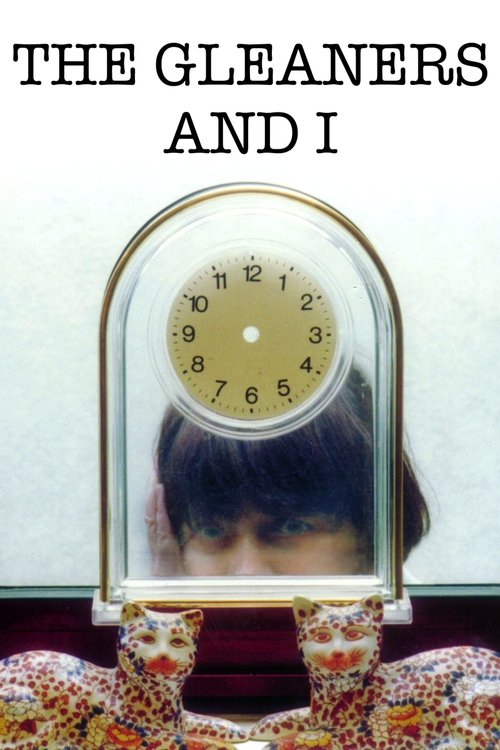
The Gleaners and I2000
Both use documentary impulse and real voices to critique economic systems. Neither preaches; both reveal through patient observation how structural violence becomes daily life.
Agnès Varda's essay-documentary follows France's rural poor as they gather leftover crops—and pivots into a meditation on waste, dignity, and what capitalism leaves behind. Gentle but fierce.
But Ninety minutes of Varda walking around villages. It's anti-narrative; if you want conflict or arc, you won't find it.
The Holy Mountain1973
Both film-makers prioritize moral and political inquiry over conventional narrative. Both reject clarity and summary. Both trust cinema as a tool for philosophy, not entertainment.
Jodorowsky's maximalist surrealist fever dream follows a spiritual seeker through grotesque, symbolic trials. Formally anarchic, visually inexhaustible, and completely unlike anything else in cinema.
But Deliberately obscure symbolism, graphic violence and bodily horror, three hours long, and often feels like an expensive provocation rather than a genuine vision.

People
Cast
 Aïssa MaïgaMelé
- Tiécoura TraoréChaka
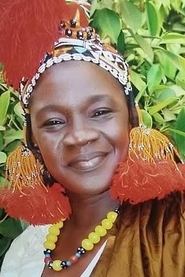 Maimouna Hélène DiarraSaramba
- Balla Habib DembéléFalaï
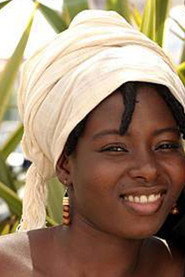 Djénéba KonéLa soeur de Chaka
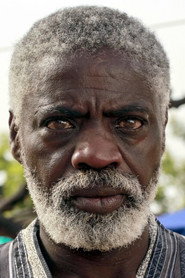 Hamadoun KassoguéLe journaliste
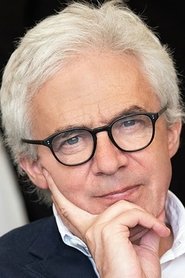 William BourdonAvocat partie civile
- Aïssata Tall SallAvocat des parties civiles
- Mamadou KanoutéAvocat de la défense
- Gabriel Magma KonateLa procureur
- Aminata TraoréTémoin 2
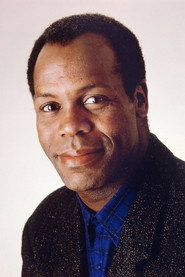 Danny GloverCow-boy
Directing
- Abderrahmane SissakoDirector
Writing
- Abderrahmane SissakoWriter
Production
- Arnaud LouvetExecutive Producer
- Danny GloverExecutive Producer
- François SauvagnarguesExecutive Producer
- Joslyn BarnesExecutive Producer
- Maji-da AbdiExecutive Producer
- Abderrahmane SissakoProducer
- Denis FreydProducer