
Film
Mandela: Long Walk to Freedom
A biographical epic tracing Nelson Mandela from rural boyhood through 27 years of imprisonment to his presidency. Justin Chadwick's direction is respectful and linear, letting the weight of history speak. Idris Elba carries the film with quiet dignity. Essential viewing for anyone wanting to understand modern South Africa, or simply to witness a life of extraordinary moral consequence.
Should you watch it?
Watch it if you want a sweeping, old-fashioned biography that trusts its big performances and is happy to live inside one life across decades, rather than a tight, single-episode drama.
Skip it if you find cradle-to-statesman biopics herky-jerky, since it hops through the decades and can feel more like a dutiful tour of milestones than a close character study.
What it asks of you: At 141 minutes, it settles in for a long, steady sitting, moving through its years with patience and few sharp jolts along the way.
Not sure? Find tonight's pick in a minute.
If you liked this
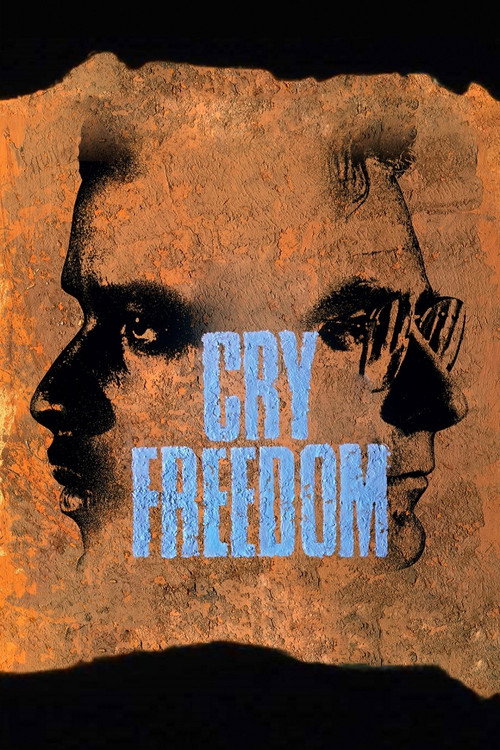
Cry Freedom1987
Richard Attenborough's earlier apartheid drama follows Steve Biko's friendship with a white journalist. It offers a complementary perspective on the same era, focusing on radical resistance and the cost of speaking truth to power.
But The film centers a white protagonist as gateway to understanding Black suffering, which can feel uncomfortably mediated even when well-intentioned. Some find the pacing sluggish by modern standards.
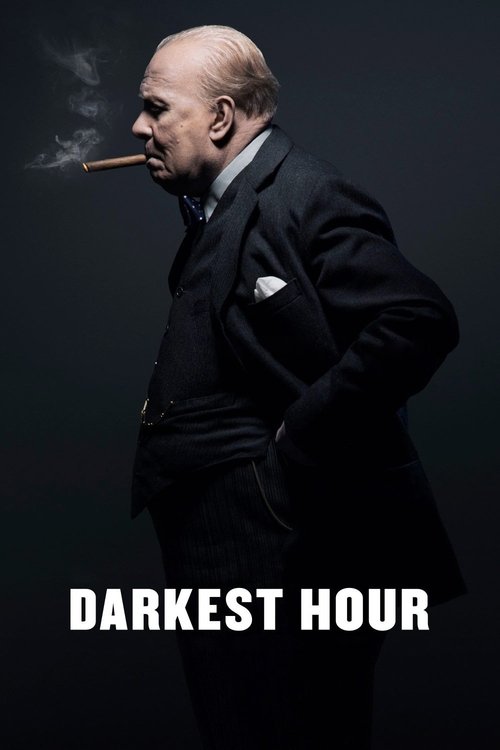
Darkest Hour2017
Gary Oldman's Churchill during Britain's 1940 crisis shares Mandela's structural DNA: a political outsider in extreme circumstances, personal sacrifice for principle, the weight of history on one man's shoulders. Both are portraits of moral leadership under impossible pressure.
But It's a very conventional biopic told in a very conventional way. If you want innovation in form, you won't find it here. The focus on Churchill's internal world sometimes feels narrow.
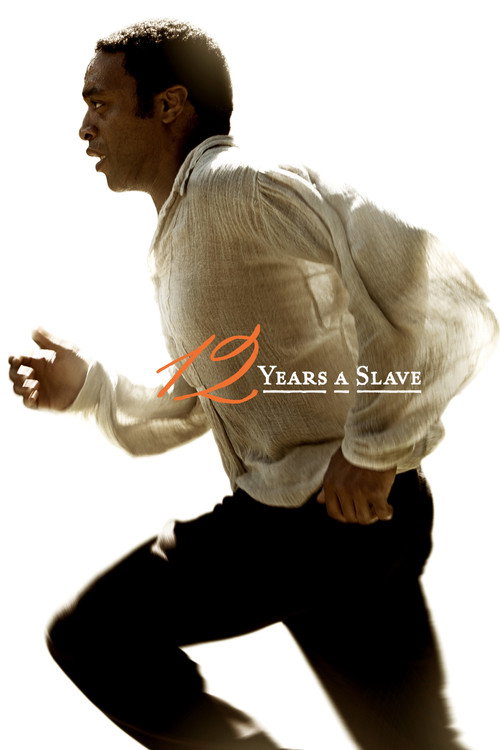
12 Years a Slave2013
Steve McQueen's unflinching account of Solomon Northup's kidnapping and enslavement is brutally direct where Mandela is measured. Both films interrogate systemic dehumanization and the resilience required to survive it, but with entirely different temperaments and emotional registers.
But It's genuinely difficult to watch—graphic violence and sexual abuse are depicted without softening. The intensity can overwhelm rather than illuminate for some viewers.
Not sure tonight? Get a pick in a minute, starting from Mandela: Long Walk to Freedom
The wildcard
Something you would not have found on your own.
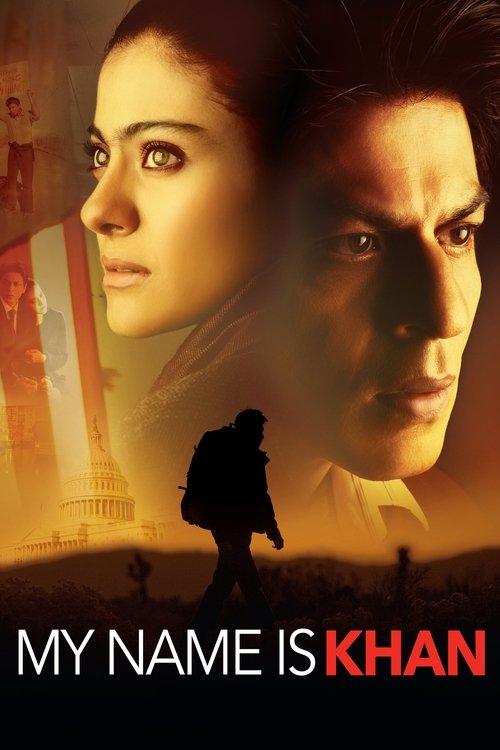
My Name Is Khan2010
Both are portraits of a man refusing to let institutional racism define his humanity or diminish his dignity, but told in radically different emotional and cultural languages.
Shah Rukh Khan's Muslim man traversing post-9/11 America to meet the president echoes Mandela's journey of dignity in the face of dehumanization and systematic prejudice. But it's a Bollywood melodrama in a completely different register—sweeping, emotional, unapologetically sentimental where Mandela is restrained. The structural parallel (one man's moral mission across a divided nation) is genuine, but the experience is entirely other.
But If you want the soberness of historical biography, this will feel manipulative and overstated. The emotional directness and musical swells are antithetical to Mandela's measured tone.
More like this (7)
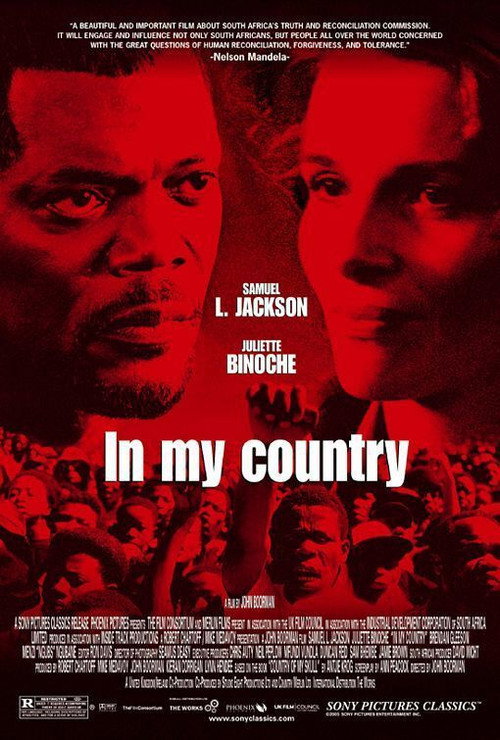
In My Country2004
This film dramatizes South Africa's Truth and Reconciliation Commission hearings, showing the actual mechanism Mandela championed for healing a fractured nation. It's a necessary companion piece that explores the philosophical underpinning of his vision.
But It's less a narrative drama and more a series of testimony scenes. The pacing is deliberate to the point of monotony, and it lacks the propulsive biography structure that makes Mandela engaging.
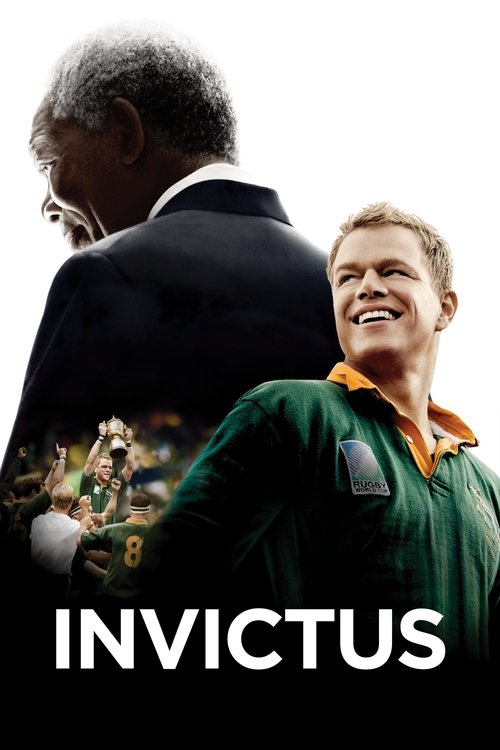
Invictus2009
Clint Eastwood directs Morgan Freeman as Mandela during his presidency, using rugby as a metaphor for national unity. It captures the man in power, making decisions, trying to bind a fractured country—what Mandela doesn't show.
But It's a sports film wearing the clothes of a political drama. The metaphor can feel reductive, and some find the tone sentimental compared to the moral complexity of actual reconciliation.
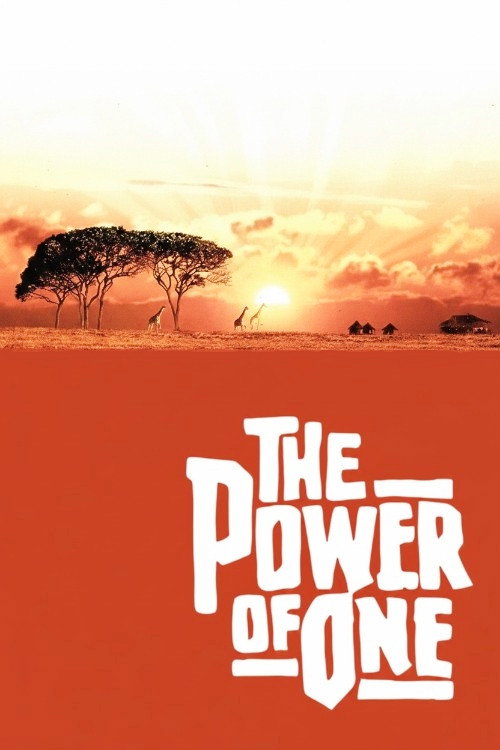
The Power of One1992
Though fictional, this story of a girl fighting apartheid's violence is set in the same South African landscape and era. It's grounded in the texture of daily life under the system, complementing the arc of the major political biography.
But It centers another white protagonist navigating racial injustice. The narrative is more conventional coming-of-age than political history, which some find reductive.
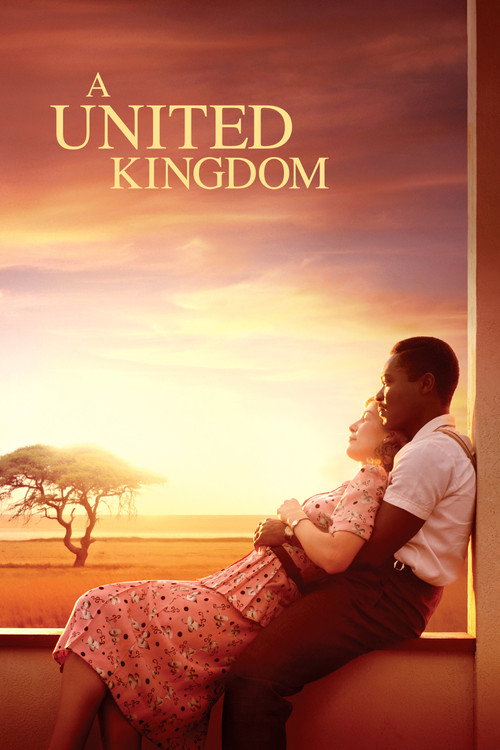
A United Kingdom2016
This tells the true story of Botswana's founding president and his British wife, set in the same region and era as Mandela's struggles. It offers another angle on African independence and personal sacrifice for national vision.
But The film prioritizes the romance plot over political complexity. For those wanting rigorous engagement with the history, it can feel like it's dodging the harder questions.
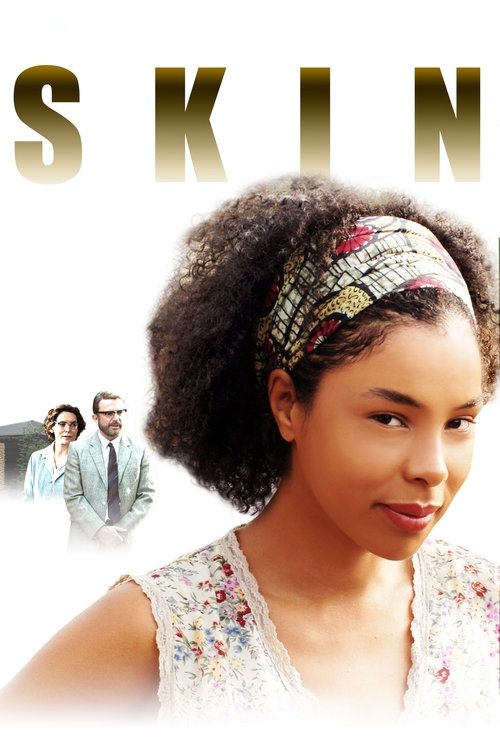
Skin2009
Based on true events, this tells of a mixed-race South African woman during apartheid whose very existence challenged racial classifications. It's a microscopic view of the same system Mandela opposed—intimate where the biography is grand.
But It's a small, indie-scaled film without the production values you might expect. The pacing is slow, and the emotional register is quietly devastating rather than dramatically propulsive.
Come and See1985
Both films grapple with how the human spirit survives when systems are designed to break it—one through political imprisonment, one through the machinery of war.
Elem Klimov's Soviet war film is a harrowing immersion in brutality—the opposite of Mandela's epic scope. But both are meditations on how human beings endure extremity without losing moral center. One is about surviving imprisonment and political subjugation; one is about surviving warfare and atrocity. Both ask: what does it cost to remain human?
But This is a genuinely traumatic viewing experience. It's graphic, relentless, and offers no catharsis. If you're looking for inspiration or uplift, this will wound you instead.

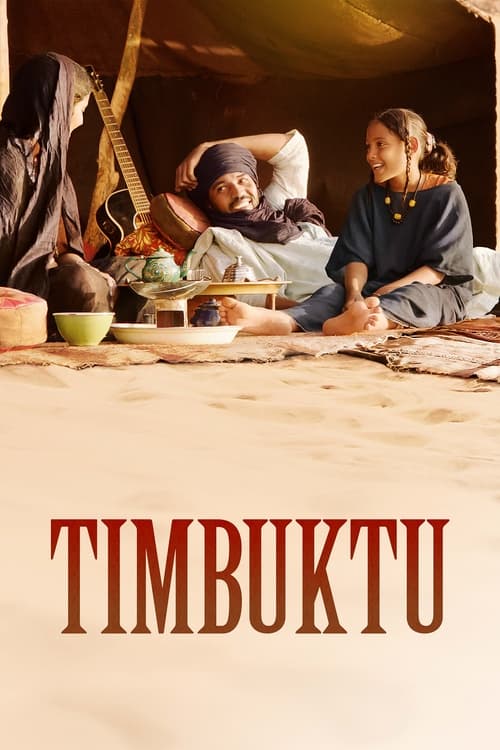
Timbuktu2014
Both explore how oppressed communities assert their humanity and values against dehumanizing systems, but Timbuktu does it through the texture of daily life rather than historical grandeur.
Abderrahmane Sissako's film about Timbuktu under jihadist occupation is a quiet, observational work set in contemporary Mali. Rather than biography, it's a landscape of resistance through small acts of defiance and cultural preservation. Like Mandela, it's about maintaining dignity and community when an authoritarian force demands submission—but in a completely different key: intimate, almost documentary, with no speeches.
But It has no conventional plot, no rousing climaxes, and no clear resolution. For viewers accustomed to narrative momentum and resolution, it will feel static and possibly evasive. The pace is deliberately meditative, even mournful.
People
Cast
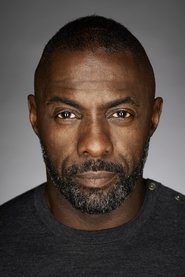 Idris ElbaNelson Mandela
 Naomie HarrisWinnie Madikizela
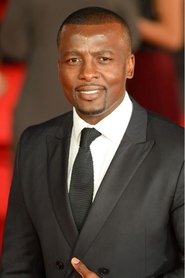 Tony KgorogeWalter Sisulu
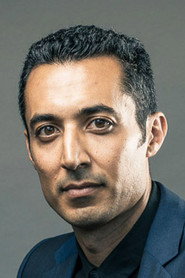 Riaad MoosaAhmed Kathrada
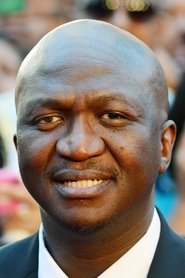 Fana MokoenaGovan Mbeki
 Robert HobbsChief Warder
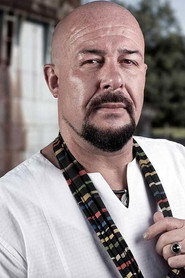 Jamie BartlettJames Gregory
 Lindiwe MatshikizaZindzi Mandela
 Terry PhetoEvelyn Mase
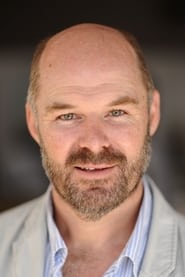 Deon LotzKobie Coetzee
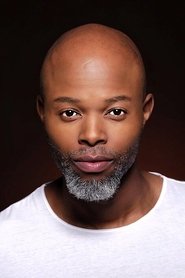 Thapelo MokoenaElias Motsoaledi
- Zolani MkivaRaymond Mhlaba
Directing
- Justin ChadwickDirector
Writing
- William NicholsonScreenplay
Production
- Moonyeenn LeeCasting
- Shaheen BaigCasting Associate
- Basil FordExecutive Producer
- Cameron McCrackenExecutive Producer
- François IvernelExecutive Producer
- Geoffrey QhenaExecutive Producer
- Harvey WeinsteinExecutive Producer
- Philisiwe MthethwaExecutive Producer
- Sanjeev SinghExecutive Producer
- Sudhir PragjeeExecutive Producer
- Anant SinghProducer
- Brian CoxProducer
- David M. ThompsonProducer
- Hlengiwe MakhathiniProducer
- Robert NaidooProducer
- Vlokkie GordonProducer
- Simon RhodesProduction Coordinator
Recommended by
Invictus, Long Night's Journey into Day, Cry Freedom, A United Kingdom, A World Apart, The Autobiography of Miss Jane Pittman, Gifted Hands: The Ben Carson Story, Cry, the Beloved Country, Vigilante: The Crossing, Cry, the Beloved Country, Come Back, Africa