
Film
Skin
Other titles called Skin: the 2019 film.
A devastating true story of Sandra Laing, a Black child born to white Afrikaner parents in 1950s South Africa. The film tracks her impossible position during apartheid: rejected by her family, denied by law, caught between worlds she can't belong to. It's intimate and unflinching, powered by Sophie Okonedo's quietly tremendous performance. For anyone wanting to understand apartheid's grotesque machinery through one shattering personal story.
Should you watch it?
Watch it if you want a patient, character-led account of how one family's private life gets rewritten by state law, and you're willing to sit with its unfairness rather than be rescued from it.
Skip it if you want brisk plotting or any relief from the mood, since this moves at a measured pace and stays with humiliation for long stretches without much lightness.
What it asks of you: Just under two hours of unhurried, mostly somber scenes that linger on faces and silences; you'll need to stay patient rather than waiting for dialogue to explain things.
Not sure? Find tonight's pick in a minute.
If you liked this
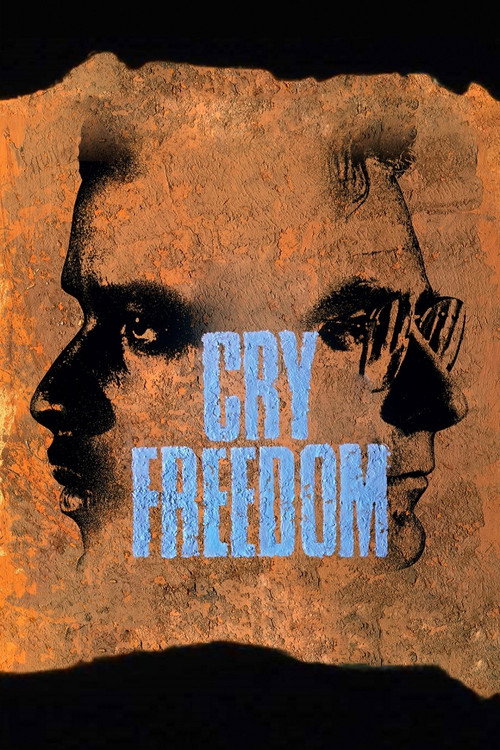
Cry Freedom1987
Richard Attenborough's fierce account of journalist Donald Woods and activist Steve Biko under apartheid. Sweeping, morally urgent, and structurally brilliant—it refuses easy comfort and doesn't look away.
But The focus shifts from Biko to Woods' escape in the second half, which feels like deflection to some viewers. Very much a film of its era's dramatic style.
Come and See1985
Elem Klimov's absolutely uncompromising portrait of a Belarusian boy's journey through Nazi invasion. Like Skin, it's about the destruction of innocence through systems of evil—unsentimental, visceral, impossible to forget.
But This is genuinely brutal. Not for passive viewing. The sound design alone will haunt you in ways that feel almost punitive.

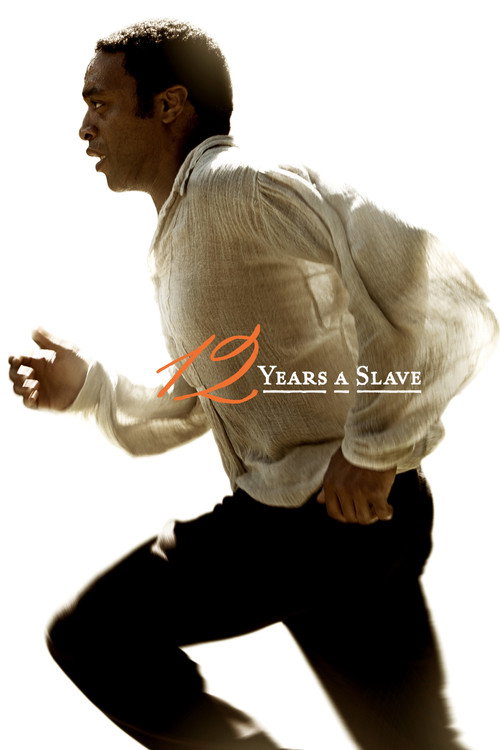
12 Years a Slave2013
Steve McQueen's adaptation of Solomon Northup's memoir refuses to soften slavery's reality. Chiwetel Ejiofor is phenomenal; the film's formal beauty makes its cruelty even more devastating.
But It's deliberately difficult to watch—long takes of violence and degradation. Some find the aesthetic distance cold rather than powerful.
Not sure tonight? Get a pick in a minute, starting from Skin
The wildcard
Something you would not have found on your own.
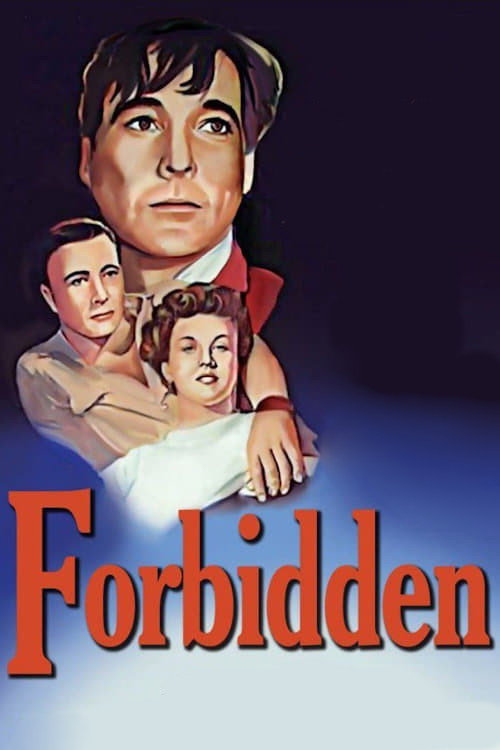
Forbidden1949
Both are South African stories about love and identity crushed by law. Forbidden was made when resistance was still individual defiance; Skin was made looking back at what that world did. Together they bracket the same wound.
This is a South African drama about a mixed-race relationship under apartheid law, filmed while apartheid was still hardening into law. It exists as a historical document of resistance, urgent and raw in ways contemporary films can't quite capture. Early cinema's formal limitations become emotional power.
But It's a 1949 film. The acting and pacing reflect that era; you're not watching for cinematic polish but for what it dares to say and document.
More like this (8)
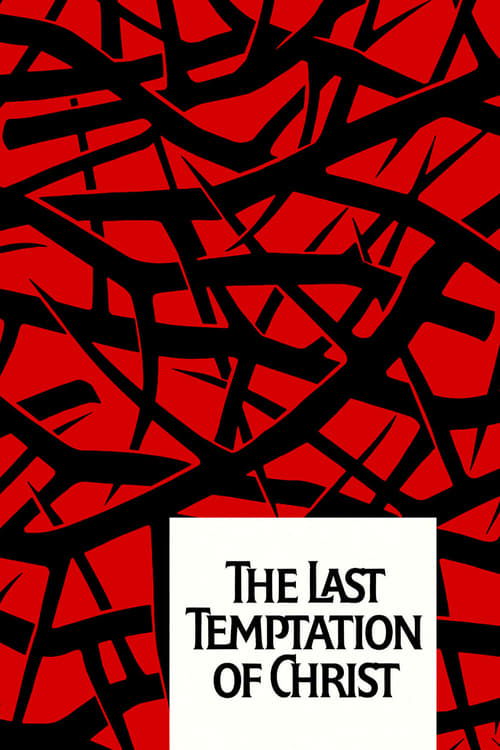
The Last Temptation of Christ1988
Scorsese's Christ is not serene or certain, but conflicted, doubting, and terrifyingly human. It's a radical spiritual film that treats belief as struggle rather than certainty—formally daring and genuinely moving.
But Aggressively blasphemous to many. The pacing is glacial; if you want narrative momentum, you won't find it here.
Mulholland Drive2001
David Lynch's LA nightmare has the same fractured identity crisis at its core—a woman broken by a system that won't let her exist as herself. Hypnotic, strange, and structurally ingenious.
But It's deliberately obscure and refuses to explain itself. Three hours of beautiful confusion isn't for everyone's mood.

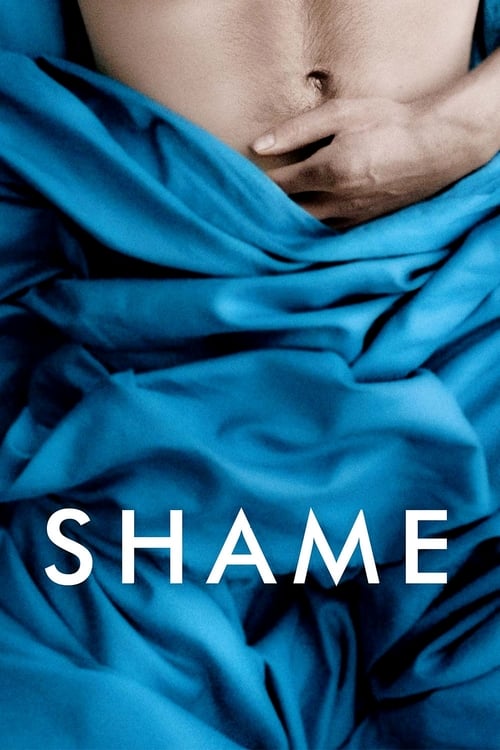
Shame2011
Steve McQueen again, this time on sexual addiction and family trauma in New York. Michael Fassbender's performance is astonishingly controlled; the film finds horror in intimacy and disconnection.
But It's relentlessly bleak with very little dialogue. The sex scenes are graphic and clinical in ways that trouble rather than titillate.
The Remains of the Day1993
James Ivory's adaptation of Kazuo Ishiguro's novel about a butler's repressed life and past moral compromises. Anthony Hopkins gives a masterclass in what's unsaid. Formally elegant and quietly devastating.
But It moves slowly and nothing dramatic happens. If you need plot movement or cathartic confrontation, this withholds both.

Spotlight2015
Tom McCarthy's methodical account of the Boston Globe's investigation into Catholic abuse. It's about systems protecting themselves and the exhausting work of exposing them. Ensemble cast, real stakes, genuine urgency.
But It's procedural and low-key. If you want dramatic confrontation, the power comes from restraint rather than climax.

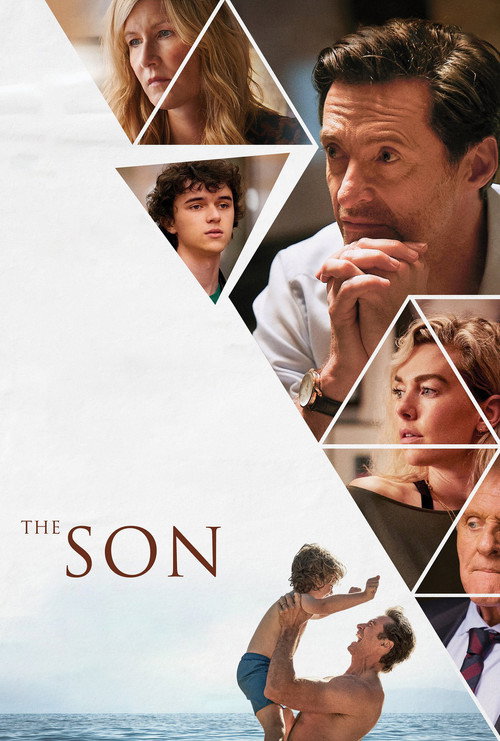
The Son2022
Florian Zeller's portrait of depression and family fracture, anchored by Hugh Jackman's anguished performance. It captures the specific pain of not being able to help someone you love, even when you see them drowning.
But The structure is deliberately confusing—timelines fracture, reality warps. It mirrors mental illness but can feel frustratingly obscure.
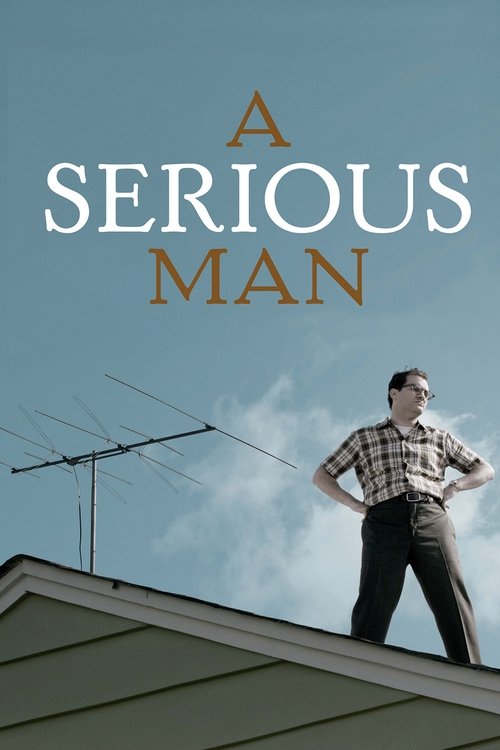
A Serious Man2009
Both feature protagonists trying to live honorably in systems rigged against their existence. Both use formal precision to show how arbitrary cruelty actually works. Same structure, wildly different registers.
The Coen Brothers' tragicomedy about a Jewish man losing everything—job, family, faith—without understanding why. Like Skin, it's about being trapped in systems that don't care about your innocence or suffering. Darkly funny in ways that clarify rather than mock the pain.
But It's bleak and funny in uncomfortable measure. The tone whipsaw will alienate anyone wanting straightforward catharsis. And nothing is resolved.
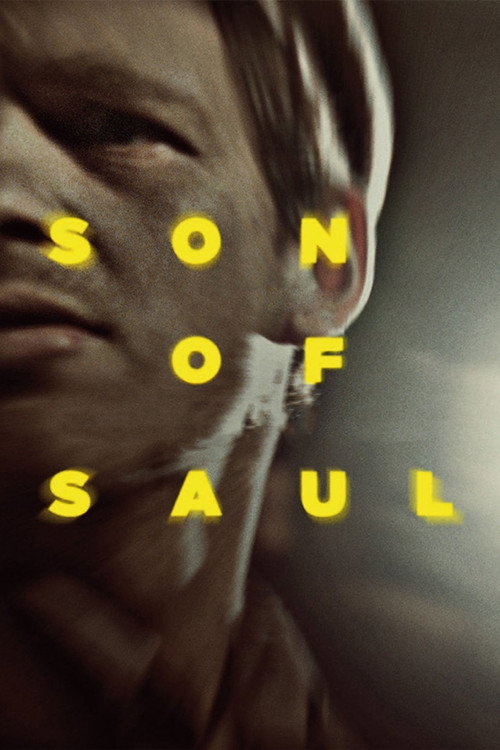
Son of Saul2015
Both refuse sentiment or redemption. Both show how individual humanity survives (or doesn't) inside dehumanizing systems. Both understand that formal distance can be more respectful than emotional explicitness when dealing with atrocity.
László Nemes' Holocaust film about a Sonderkommando trying to give a boy a proper burial. It's almost unbearably intimate—you're locked in one man's perspective as atrocity happens beyond the frame. Formally brilliant and spiritually devastating.
But It's the Holocaust filmed with extreme formal restraint. The power comes from what you don't see, which some find distancing. Deliberately austere and very difficult.
People
Cast
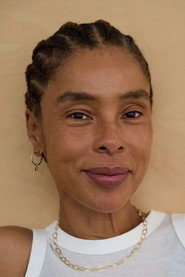 Sophie OkonedoSandra Laing
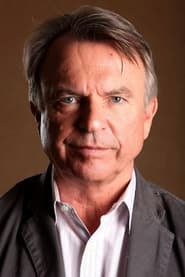 Sam NeillAbraham Laing
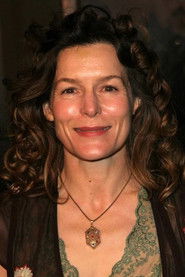 Alice KrigeSannie Lang
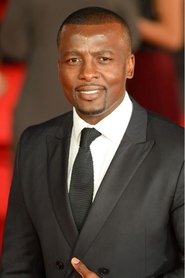 Tony KgorogePetrus Zwane
- Ella RamangwaneYoung Sandra
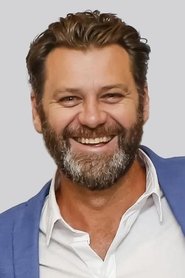 Morné VisserDoctor Sparks
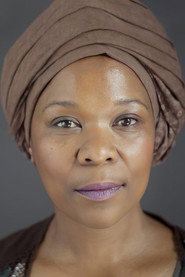 Faniswa YisaNora Molefe
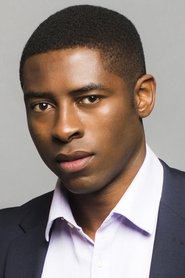 Tongayi ChirisaTownship Priest
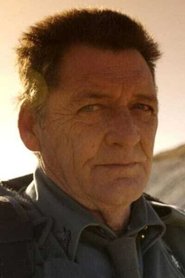 Danny KeoghVan Tonder
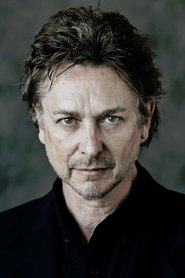 Jeremy CrutchleyTV Reporter
- Terri Ann EcksteinElsie Laing (aged 19)
- Bongani MasondoHenry Laing (aged 20)
Directing
- Anthony FabianDirector
Writing
- Helen CrawleyScreenplay
- Helena KrielScreenplay
- Jessie KeytScreenplay
- Anthony FabianStory