
Film
Forbidden
A post-war British noir set among the Blackpool fairground hustlers and con artists. Jim, a fallen scientist peddling snake oil, falls for Jane while concealing an inconvenient marriage. It's a tight, morally murky thriller about deception and desperation, where no one's quite honest and the stakes keep rising. Made for viewers who like their drama unsentimental and their protagonists compromised.
Should you watch it?
Watch it if you enjoy postwar British melodrama where a decent man's small compromises pile up into real moral trouble, and you like seaside fairground atmosphere wrapped around a tense, slightly seedy thriller.
Skip it if you want a brisk, polished thriller; this is an 87-minute black-and-white film of its era, with stagey dialogue and a slow build that leans on talk more than action.
What it asks of you: It runs a brisk 87 minutes but settles in gradually, asking you to sit with conversation and mood before the tension tightens, and it stays fairly light in tone until it doesn't.
Not sure? Find tonight's pick in a minute.
If you liked this
The Third Man1949
Carol Reed's masterpiece of betrayal and moral decay in postwar Vienna. Orson Welles is magnetic as the charming criminal, and the zither score haunts you for weeks. Essential cinema about trust and corruption.
But It's deliberately paced and shot in expressionist black-and-white that some find cold. The ending divides viewers sharply, and it demands patience.

In a Lonely Place1950
Bogart as a screenwriter accused of murder, paranoid and self-destructive. Mirroring your film's theme of buried secrets, it's a character study masquerading as a thriller. Raw and psychologically complex.
But Bleak and claustrophobic. Bogart's character is often unlikeable, and the plot matters less than the slow erosion of his relationships.

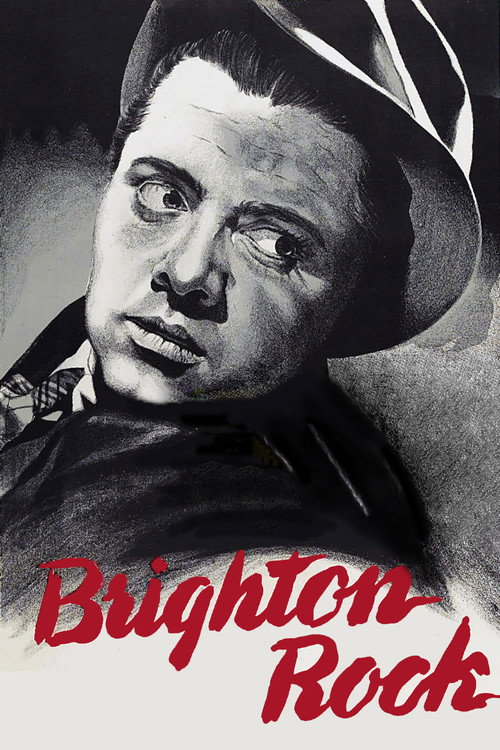
Brighton Rock1948
Richard Attenborough's debut: a merciless young gangster loose in seaside Brighton, preying on the innocent. Like *Forbidden*, it's British, cynical, and set among the cheap thrills of the funfair underworld.
But Attenborough's performance is unsettling by design. The film's Catholicism may feel dated, and it's relentlessly grim.
Not sure tonight? Get a pick in a minute, starting from Forbidden
The wildcard
Something you would not have found on your own.
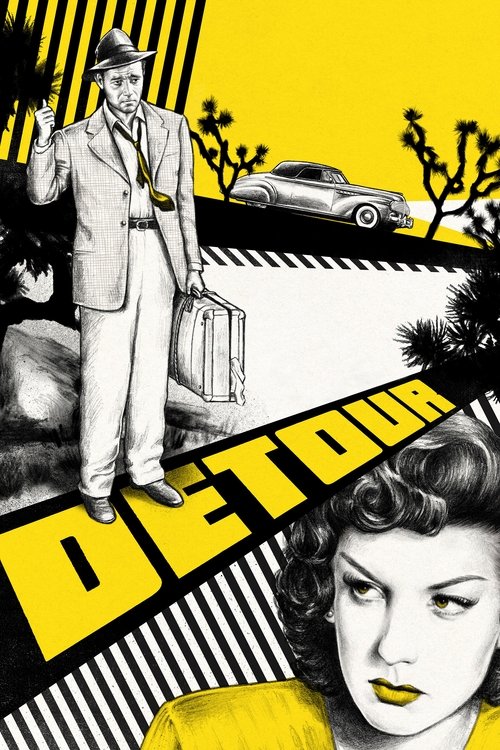
Detour1945
Both capture the texture of ordinary lives derailed by deception—not glamorous noir, but the cramped, sweaty reality of small lies compounding into ruin.
An obscure B-picture masterpiece about a piano player whose single lie spirals into catastrophe. Shot on a shoestring with non-professional actors, it has the raw, desperate energy of your film. Fate and bad choices as the real plot.
But Intentionally cheap-looking and poorly lit. The acting is uneven by design, and the melodrama feels genuinely threadbare. Some dismiss it as a curiosity.
More like this (7)
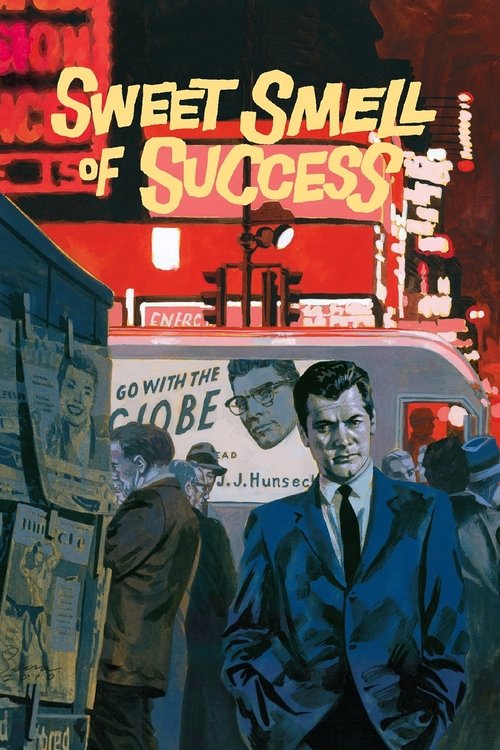
Sweet Smell of Success1957
Ruthless Broadway operatives scheme and manipulate. Pitch-black dialogue, stunning photography, and a moral wasteland that rivals anything in noir. Corruption as a way of life.
But Deliberately nasty and quotable rather than warm. The pacing is deliberate, and it ends nowhere redemptive.
The Asphalt Jungle1950
The template for all heist noirs. A meticulous robbery plan unravels when human weakness intrudes. John Huston's direction is surgical, and the ensemble cast is superb throughout.
But The plotting is intricate enough that you need to stay focused. Some characters are thinly sketched around the heist mechanics.

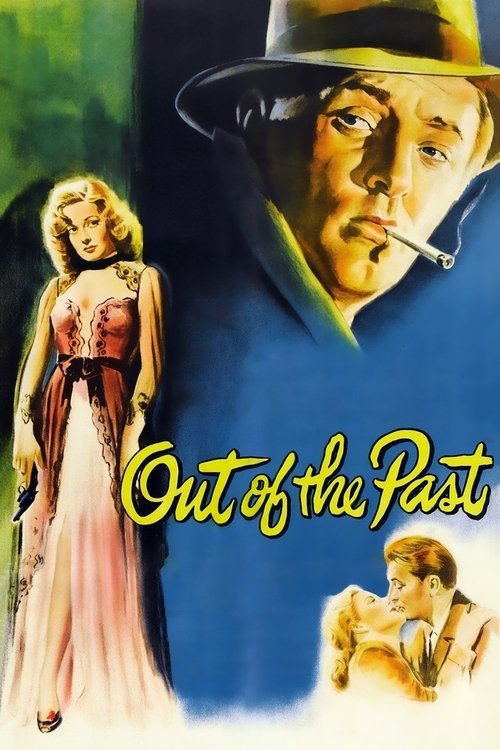
Out of the Past1947
Robert Mitchum as a man trying to escape his past, pulled back into noir territory by desire and deception. The definitive postwar thriller: doom, femme fatales, and nowhere to hide.
But The plot twists can feel convoluted on first viewing. Mitchum's drawl takes adjustment, and the dialogue is often arch rather than naturalistic.
The Killing1956
Kubrick's debut about a racetrack heist that collapses under its own weight and human error. Fractured narrative, perfect ensemble work, and the kind of tragedy that sneaks up on you.
But The non-linear structure was challenging in 1956 and remains so. It's more interested in how plans fail than in likeable people.

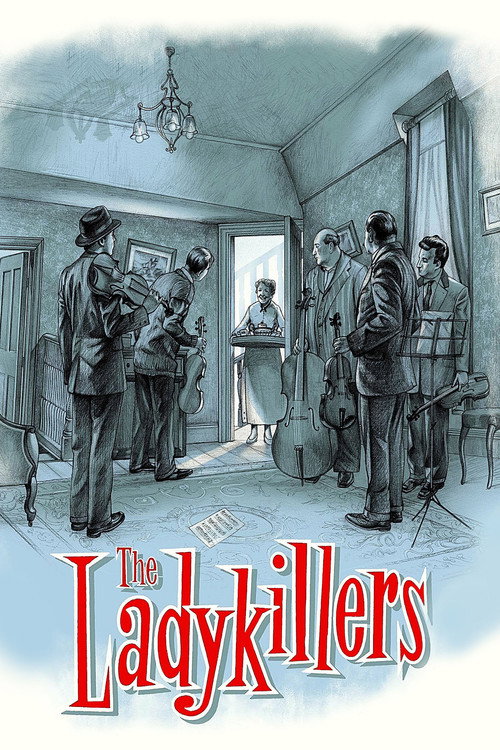
The Ladykillers1955
Ealing's darkest comedy: criminals posing as musicians in a boarding house. Alec Guinness leads an impeccable cast. It's *Forbidden*'s tonal cousin—crime and lies playing out among ordinary people.
But It's British comedy, so the humour skews dry and period-bound. The plot can feel slight against the character work.
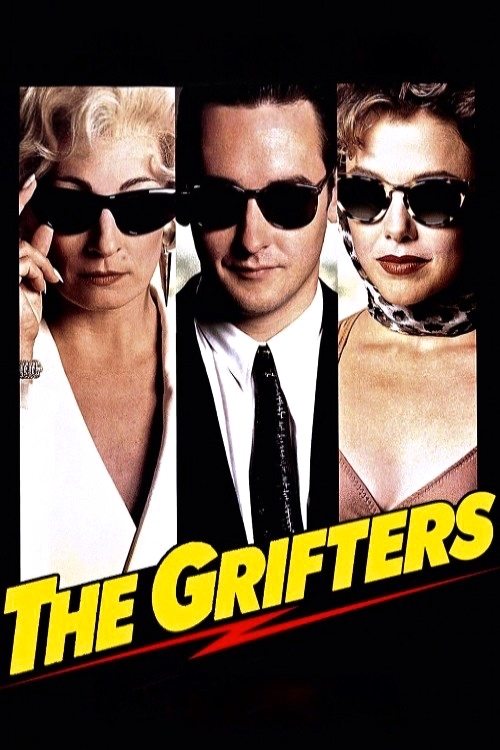
The Grifters1990
Con artists and drifters circling one another in the underworld. Stephen Frears captures the desperation and casual cruelty of people who survive by lying. Taut and merciless.
But Deliberately cold and morally vacant. It doesn't offer easy sympathy, and some viewers find it meanly plotted.
Rififi1955
Both are tales of small-time operators caught in circumstances of their own making, where the real danger isn't the law but the people around them—and themselves.
Jules Dassin's French heist film about criminals whose elaborate robbery succeeds, but human weakness destroys them anyway. Shot with a documentary's eye for detail and consequence. The moral texture is exactly yours: crime as a way station, not a calling.
But Thirty minutes in, you realize there are no heroes. It's slow-burn pessimism without catharsis, and the violence comes as punctuation, not spectacle.

People
Cast
 Douglass MontgomeryJim Harding
 Hazel CourtJane Thompson
 Patricia BurkeDiana Harding
 Garry MarshJerry Burns
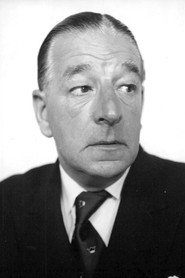 Ronald ShinerDan Collins
 Kenneth GriffithJohnny
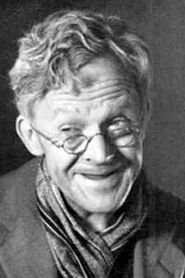 Eliot MakehamPop Thompson
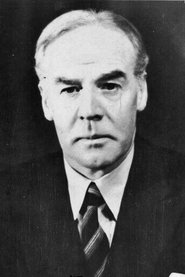 Frederick LeisterDr. Franklin
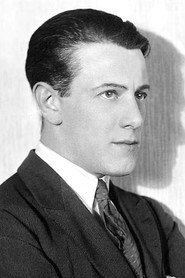 Richard BirdJennings
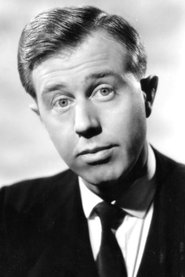 Michael MedwinCabby
- Peggy Ann CliffordMillie
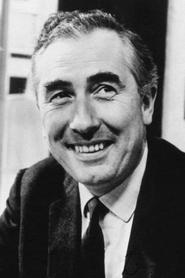 Peter JonesPete
Directing
- Stanley CouzinsAssistant Director
- George KingDirector
Writing
- Val ValentineStory
- Katherine StruebyWriter
Production
- George KingProducer