
Film
Tomorrow
A Tunisian father and teenage son are forced into an impossible closeness when the father's health fails and his dangerous political past catches up with him. The boy must become protector to the man who abandoned him. It's intimate, tense, and rooted in the specific weight of living under—and after—dictatorship, but never didactic. A film about love and obligation at their most strained.
Should you watch it?
Watch it if you are drawn to quiet father-son stories where political history seeps into ordinary domestic life, and a tight 96 minutes of unease suits you.
Skip it if you want a clear, brisk plot, since this runs on worry and cramped domestic rooms and its tension rarely loosens enough for much breathing space.
What it asks of you: Expect a short, unhurried run where scenes linger in held silence and the strain builds slowly, with little relief between the tense moments.
Not sure? Find tonight's pick in a minute.
If you liked this
A Prophet2009
A young man enters prison and must navigate brutal hierarchies, alliances, and his own transformation. Like Tomorrow, it's about survival, family bonds under pressure, and the ways systems reshape who we are forced to become.
But Nearly two and a half hours, in French, and the prison setting is relentlessly grim. Not a comfort watch.

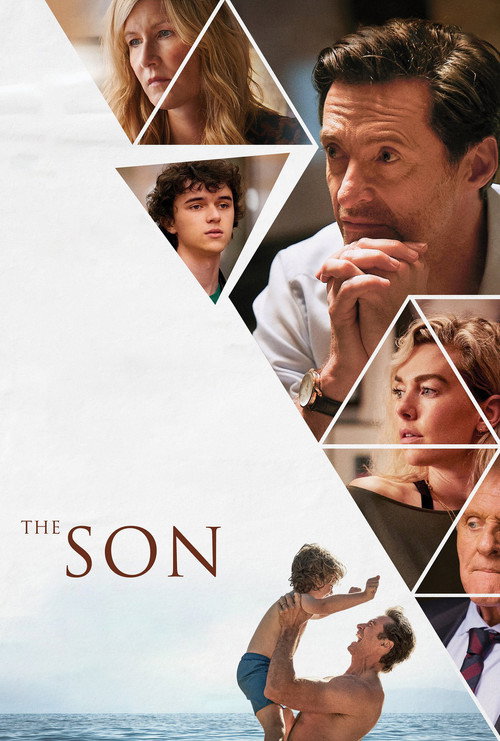
The Son2022
A man confronts his estranged son's depression and suicidality, struggling to help from a place of powerlessness and regret. Same emotional terrain as Tomorrow: fathers and sons at their most distant, the reversal of care, love failing to fix what's broken.
But Florian Zeller's chamber-piece style can feel airless and repetitive if you're not drawn to its intensity. Heavy without much release.
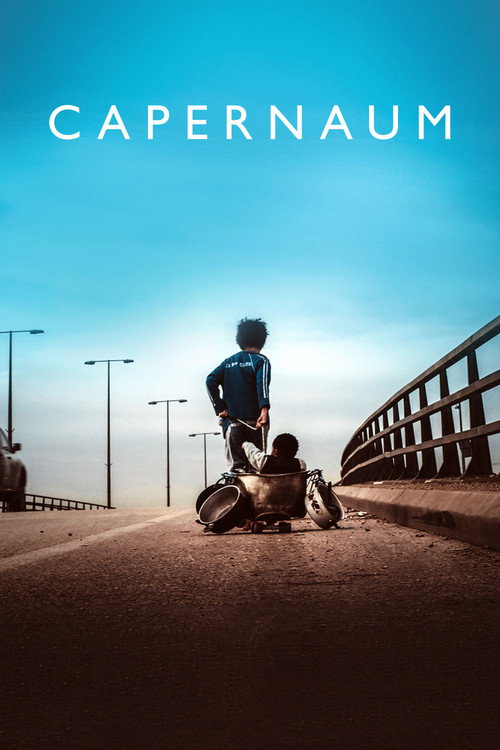
Capernaum2018
A 12-year-old sues his parents for bringing him into a chaotic, impoverished life in Beirut. Stunning, furious, and tender—it captures childhood trapped in adult precarity the way Tomorrow does, and the bonds that survive betrayal.
But The social realism is unflinching, almost documentary in its rawness. Some find it more important than enjoyable.
Not sure tonight? Get a pick in a minute, starting from Tomorrow
The wildcard
Something you would not have found on your own.
The Act of Killing2012
Both explore how perpetrators of violence live with themselves and how that violence infects domestic life and relationships with the next generation.
Documentarian Joshua Oppenheimer asks Indonesian death-squad leaders to recreate their mass murders on film. The connection to Tomorrow is oblique but profound: both examine how a person who has committed atrocity tries to live with themselves, and what that costs those around them. One is fiction, one is horrifyingly real, but they ask the same question about the weight of the past.
But Difficult to describe without spoiling. Harrowing, intentionally manipulative, and extremely long (three hours). Some viewers find the method itself exploitative.

More like this (7)
The Last Temptation of Christ1988
Scorsese's film grapples with duty, faith, and the cost of a path you didn't choose. Like Tomorrow, it sits with the weight of inherited obligation and the man caught between what he must do and what he wants.
But Controversial, slow, and its 163 minutes won't be for everyone. The theological argument takes precedence over narrative momentum.
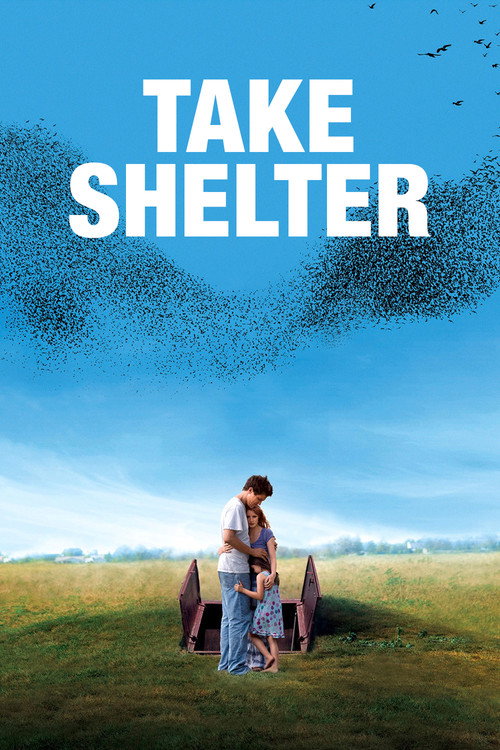
Take Shelter2011
A man's deteriorating mental state forces his family into crisis, and his teenage son must decide whether to trust or resist his father. The same inversion of protection, same claustrophobic family pressure, same moral ambiguity about who's right.
But Michael Shannon's intensity is unsettling by design. Long stretches of dread and uncertainty; no catharsis arrives.
Moonlight2016
Three chapters of a Black man's life, shaped by abandonment and the few people who try to hold him. It understands how absence and presence both wound, and how love and harm can live in the same person.
But Quiet, impressionistic, and plotless. If you need conventional narrative momentum, it will frustrate you.

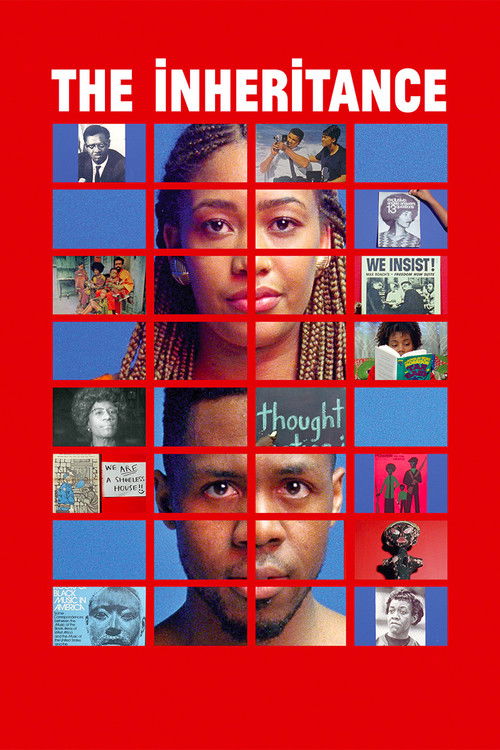
The Inheritance2020
A Rwandan family gathers to bury their father, and old wounds surface alongside new ones. It knows how dictatorship and violence ripple through families, and how the dead shape the living in ways we can't control.
But Slow-burn ensemble piece with a large cast and Rwandan language. Takes time to establish who matters and why.
Xala1975
Ousmane Sembène's film traces a man's public humiliation and private dissolution, rooted in postcolonial power and masculinity. Like Tomorrow, it's about how history invades the home and unmakes the father in front of his children.
But A 1975 film in Wolof with imperfect subtitles and a pacing that modern cinema has trained us not to sit with. Pure cinema as argument.

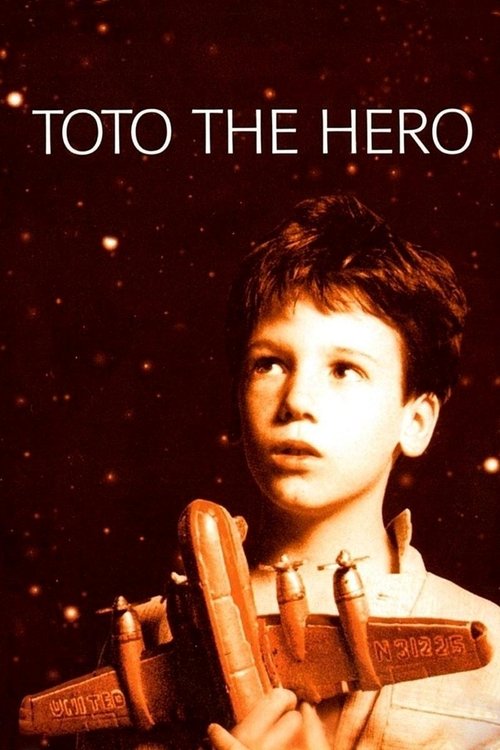
Toto the Hero1991
Both use father-son relationships to explore how we assign blame for our lives—to circumstance, to other people, to ourselves—and whether that assignment matters.
Thomas Van Dyck's gentle, strange film is about a man obsessed with the idea that his life was switched with someone else's at birth—that his neighbor got the life he deserved. It's whimsical where Tomorrow is direct, but both are about fathers and sons, fate and responsibility, the stories we tell ourselves to survive.
But Belgian magical realism from 1991; the color palette is deliberately artificial and the tone is hard to pin down. If you expect emotional clarity, you won't find it.
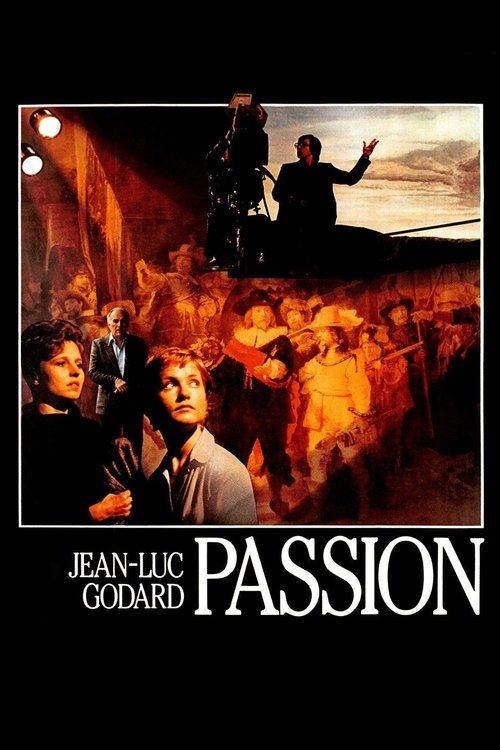
Godard's Passion1982
Both films are structured around the impossibility of communication between two people who must remain together, and both insist that this failure is the whole subject.
Godard's film is about a young man filming a director's fragmented life and a woman caught between her lover and her husband. It has nothing to do with Tunisian politics or family crisis, but it's obsessed with the same thing Tomorrow is: how do two people stay in proximity when they can't understand each other? How does obligation function when there's no shared language?
But Pure Godard—fragmented, essayistic, sometimes unwatchable, more interested in form than narrative. You need to be ready for cinema as argument rather than story.
People
Cast
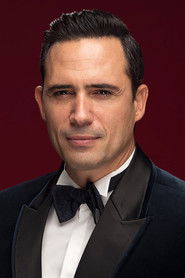 Dhafer L'AbidineHabib
- Ahmed BerrhoumaAhmed
 Najla Ben AbdallahLamia
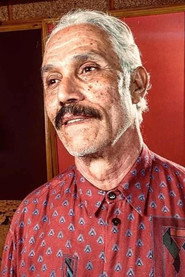 Bahri RahaliHechem
- Rabeb SrairiSaadiya
Directing
- Dhafer L'AbidineDirector
Writing
- Ahmad AmerWriter
- Dhafer L'AbidineWriter
Production
- Dhafer L'AbidineProducer
- Dorra BouchouchaProducer
Recommended by
Liar Game, The Master's Sun, Let's Fight Ghost, Dazzling, Thirty, Nine, Summer Scent