
Film
Toto the Hero
- Drama
- Slow-burning
A Belgian fantasia about identity and regret, where an elderly man unpicks the life he thinks was stolen from him. *Toto the Hero* braids childhood memory, middle-aged resentment, and dream logic into something that feels less like cinema and more like a fever dream about fairness. It's melancholy, strange, often funny. For anyone who's ever wondered if their life took a wrong turn.
Should you watch it?
Watch it if you love films that tangle memory, fantasy and childhood grievance into something both wistful and mischievous, and don't mind a story that jumps around in time to earn its emotion.
Skip it if you want a tidy, linear narrative, or you find self-mythologising old men wearing on you, since its whimsy can feel self-pleased at moments.
What it asks of you: Expect a loose, looping structure, a runtime of about ninety minutes, and a steady willingness to follow memory wherever it wanders, with tenderness under the jokes.
Not sure? Find tonight's pick in a minute.
If you liked this
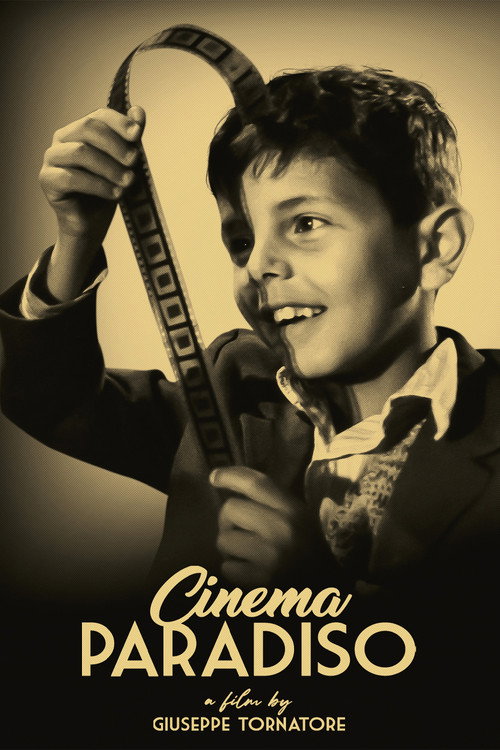
Cinema Paradiso1988
A poetic film about how the past shapes us, told through memory and cinema itself. Like *Toto*, it's nostalgic without being sentimental, and builds genuine emotion from small moments and big questions about identity.
But The restored version is very long, and the sentimentality can feel heavy-handed in places. Some find it manipulative about memory and childhood.
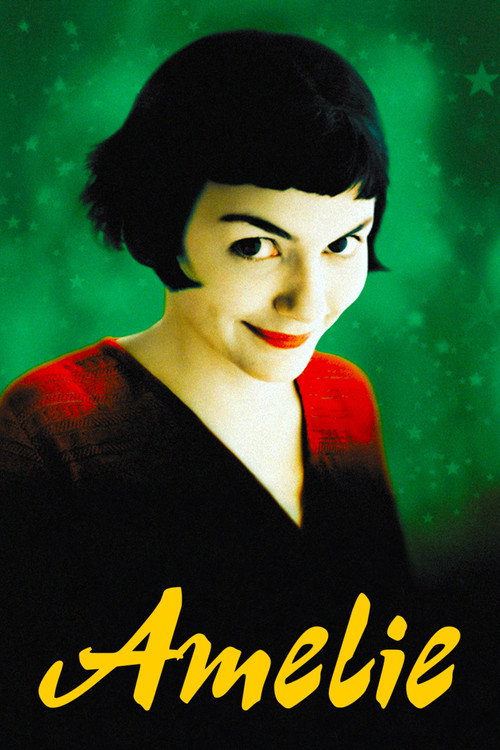
Amélie2001
Whimsical, precisely imaginative, and deeply kind. Both films use magical realism and playful editing to explore what it means to feel like an outsider in your own life.
But The quirk can feel cloying if you're not in the mood for it. The Paris-postcard aesthetic hasn't aged universally well for everyone.
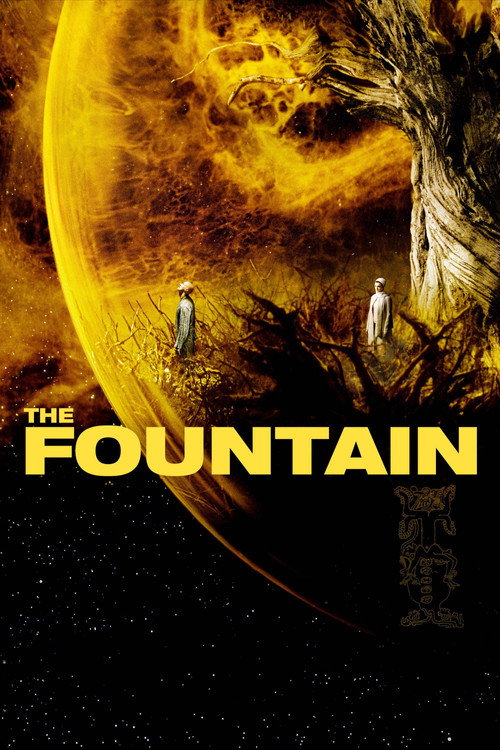
The Fountain2006
Three timelines, recurring obsession, and a meditation on loss that refuses easy answers. Like *Toto*, it's structurally ambitious and driven by one man's need to rewrite his story.
But It's visually dense and emotionally demanding. Some viewers find the ambition outpaces the execution, and it demands real patience.
Not sure tonight? Get a pick in a minute, starting from Toto the Hero
The wildcard
Something you would not have found on your own.
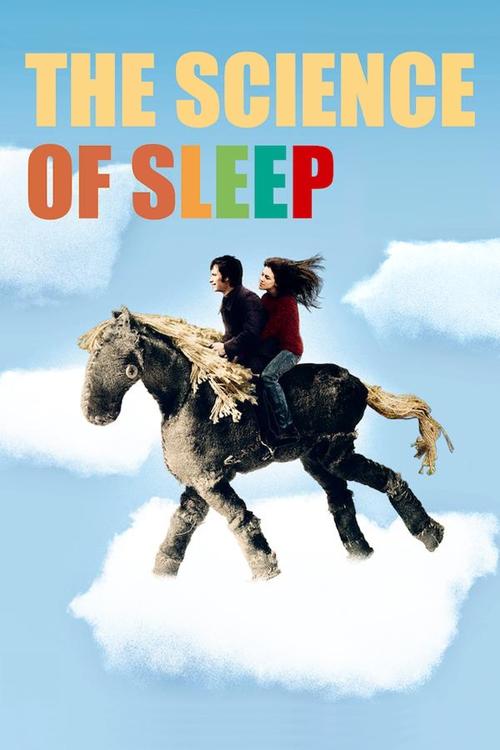
The Science of Sleep2006
Both films use design, dream, and visual invention to make the interior life feel more real than the waking world. Both suggest imagination is more honest than fact.
Michel Gondry's visual grammar of dreams and memory—imagination made tactile. A man can't tell dreams from waking life, and neither can we. It has *Toto*'s whimsy but entirely in the present tense rather than flashback.
But It's deliberately low-fi and handmade in ways that can look amateurish. The protagonist is sometimes unlikeable, and the romantic plot feels secondary and strange.
More like this (8)
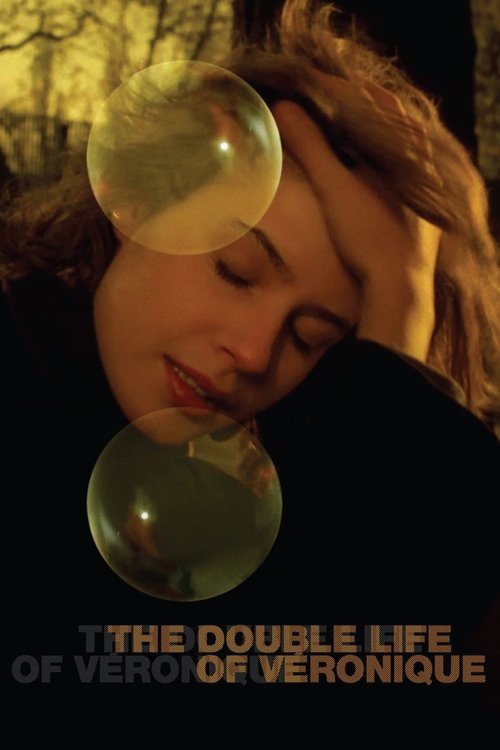
The Double Life of Véronique1991
Released the same year, with a similar European sensibility about fate and chance. Haunting, mysterious, and fascinated by the impossible idea of living someone else's life.
But It's oblique and atmospheric rather than explicit. If you need clarity and plot momentum, you'll find it frustrating.
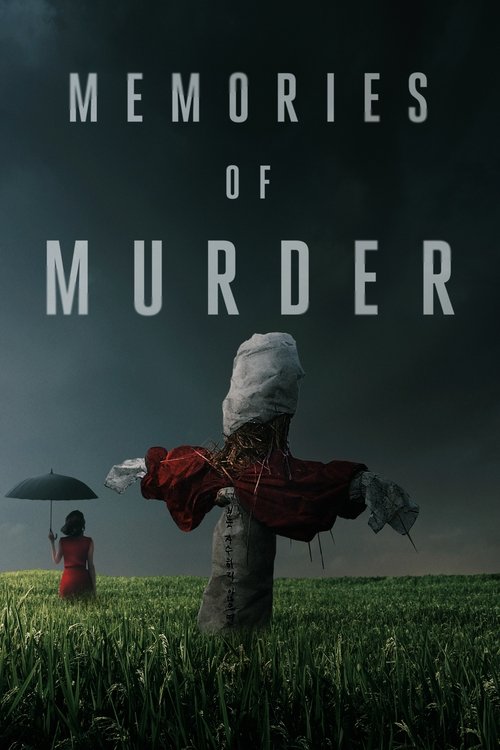
Memories of Murder2003
A detective story structured around flashback and unreliable memory, where the past keeps reshaping what we think we know. Gripping and melancholic in equal measure.
But It's a Korean crime film that can be brutal and bleak. The investigation leads somewhere uncomfortable that some find unsatisfying.
The Farewell2019
A story about family, deception, and whether we can ever really know the people closest to us. Tender and witty, with the same warmth beneath the strangeness.
But The cultural specificity might feel unfamiliar. The tonal balance between comedy and heartbreak isn't for everyone.

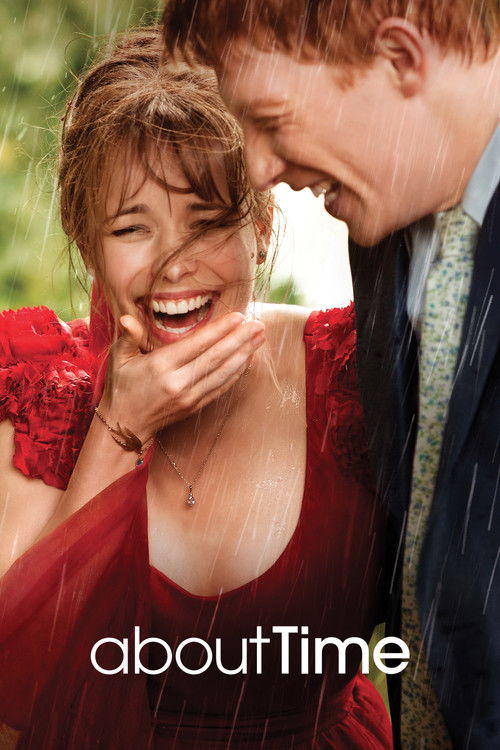
About Time2013
An unexpected film about time travel that's really about fathers and sons, regret and acceptance. It shares *Toto*'s preoccupation with whether we can fix the past.
But It's sentimental in ways that can feel saccharine. The time-travel logic is soft and sometimes contradicts itself deliberately.
The Remains of the Day1993
A career spent serving the wrong people, told by a man looking back. Like *Toto*, it's about how we construct narratives to survive our own choices.
But It's buttoned-up and restrained to the point of distance. Some find it emotionally cold, and the pacing is deliberately languid.

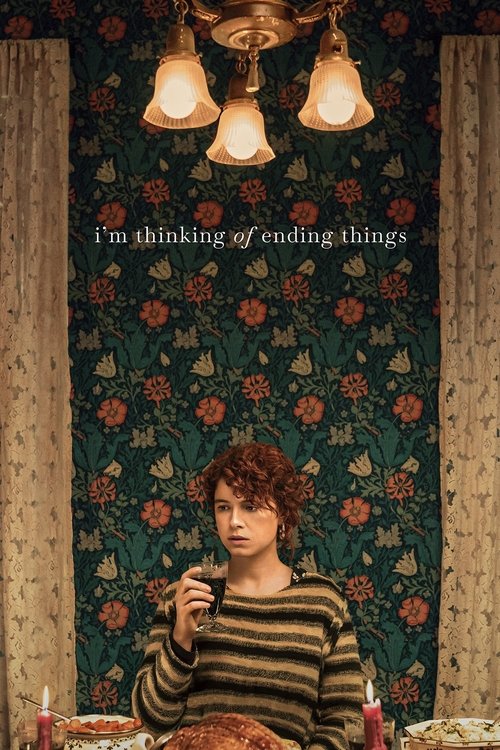
I'm Thinking of Ending Things2020
Memory and identity fractured and reformed through dream logic. Ambitious, strange, and unafraid to leave viewers unsettled about what they've actually watched.
But It's deliberately difficult and won't resolve itself neatly. Charlie Kaufman's style requires active, sometimes exhausting engagement from the viewer.
Ikiru1952
Both films are about an elderly man reviewing his life through memory and asking whether he lived the right one. *Ikiru* is the answer *Toto* never finds.
An old man at the end of his life examines whether it meant anything. Kurosawa's film is a mirror-image *Toto*: instead of looking backward to complain, the protagonist finds meaning in small kindnesses. Devastating and necessary.
But It's Japanese cinema from 1952, which means subtitles and a pacing modern audiences often find forbidding. The second half abandons the protagonist we've been following.

Synecdoche, New York2008
Both films are structurally dizzying meditations on whether we can ever escape the life we were born into, or if we just keep creating new versions of the same prison.
A film director's obsession with remaking his own life inside his art, until the borders collapse completely. Like *Toto* but American, baroque, and about creative ambition rather than class. It's a maze of selves that reflects, refracts, and rewrites.
But It's punishingly dense and emotionally exhausting. Many viewers find it self-absorbed and impenetrable, and it runs nearly two and a half hours to get nowhere comfortable.

People
Cast
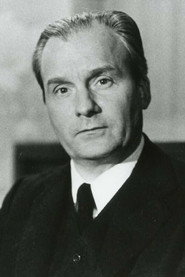 Michel BouquetOld Thomas
- Thomas GodetChild Thomas
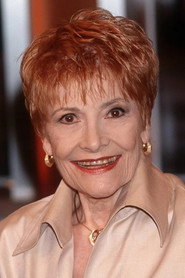 Gisela UhlenOld Evelyne
- Jo De BackerAdult Thomas
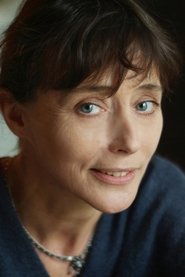 Mireille PerrierAdult Evelyne
- Sandrine BlanckeAlice
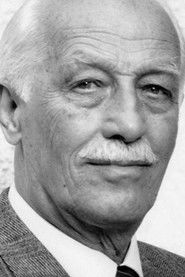 Peter BöhlkeOld Alfred
- Didier FerneyAdult Alfred
- Hugo Harold-HarrisonChild Alfred
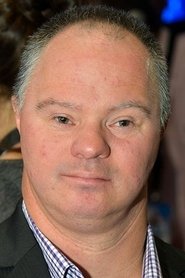 Pascal DuquenneAdult Cèlestin
- Karim MoussatiChild Cèlestin
- Léopold Verlaine-CorbionBaby Thomas
Directing
- Danilo CattiAssistant Director
- Jaco Van DormaelDirector
Writing
- Jaco Van DormaelScreenplay
- Didier De NeckWriter
- Laurette VankeerberghenWriter
- Pascal LonhayWriter
Production
- Marcia Falkenberg-LernerAssociate Producer
- Philippe DussartCo-Producer
- Pierre DrouotExecutive Producer
- Michael SchwarzLine Producer
- Dany GeysProducer
- Luciano GloorProducer