
Film
The Apple
Other titles called The Apple: the 1980 film.
Kiarostami's quietly devastating docudrama about two Iranian sisters emerging from parental confinement into daylight. Shot with minimal intervention, it observes their first encounters with a world they've never entered—a bus ride, a street, a stranger's kindness. Bewildering, tender, impossible to shake. For anyone interested in how cinema can witness rather than perform.
Should you watch it?
Watch it if you want films rooted in real lives rather than staged drama, and can sit with a slow, observant portrait of people learning to move through a world they have only glimpsed.
Skip it if you need plot momentum, since it moves at a deliberate, unhurried pace and keeps its distance rather than chasing big emotional moments.
What it asks of you: Its rhythm is slow and patient, with long held scenes and a watchful tone that lets small gestures carry the weight.
Not sure? Find tonight's pick in a minute.
If you liked this
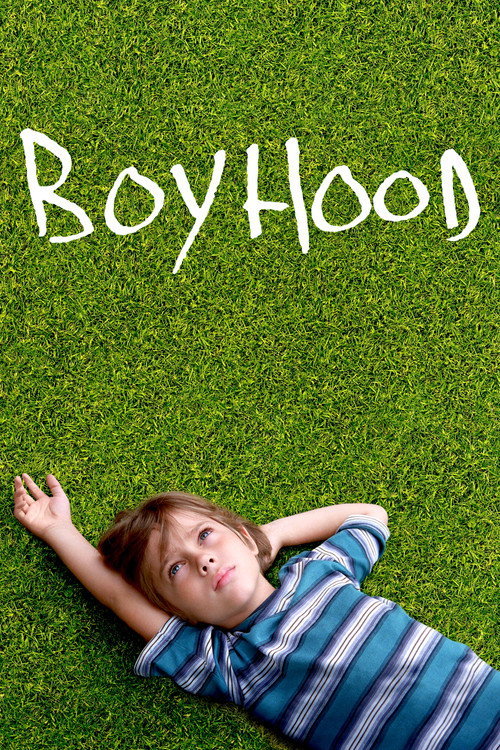
Boyhood2014
Linklater's 12-year chronicle of growing up shares The Apple's patient observation of time's passage and accumulated small transformations. Both trust duration itself to carry meaning, without manufactured drama.
But At 166 minutes it moves glacially, and the everyday rhythms that ground it can feel slack to viewers wanting conventional narrative momentum.
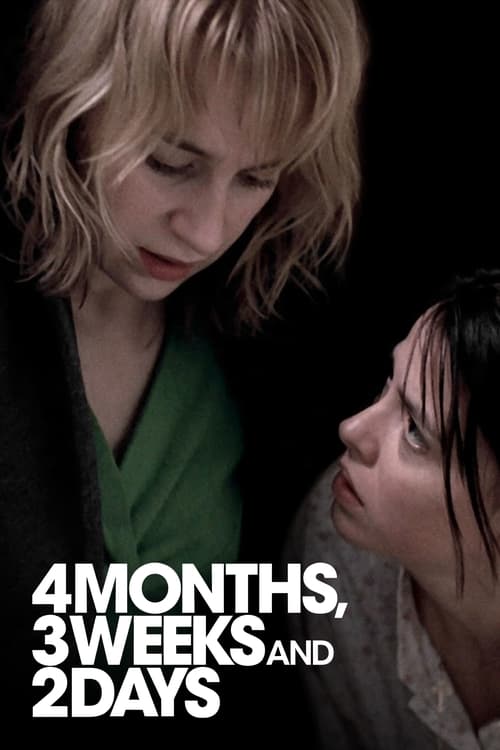
4 Months, 3 Weeks and 2 Days2007
Mungiu's Romanian masterpiece observes confinement, secrecy, and the weight of unspoken constraint with the same unflinching attention. Another film that watches rather than explains.
But Its moral universe is bleak and its pacing is deliberately slow. Neither the story nor the style offers comfort.
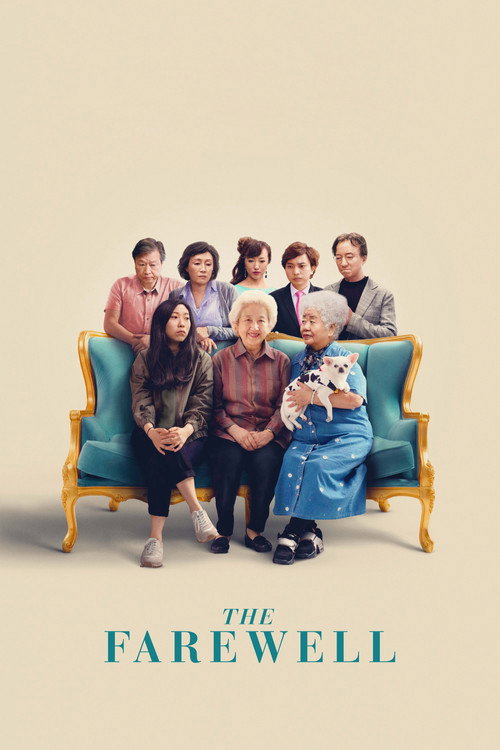
The Farewell2019
Wang's film examines cultural displacement and the gulf between inside and outside worlds through intimate observation. Like Kiarostami, she honors the strangeness of ordinary moments.
But If you're looking for plot propulsion or melodrama, this sidesteps both. The tension is all internal.
Not sure tonight? Get a pick in a minute, starting from The Apple
The wildcard
Something you would not have found on your own.
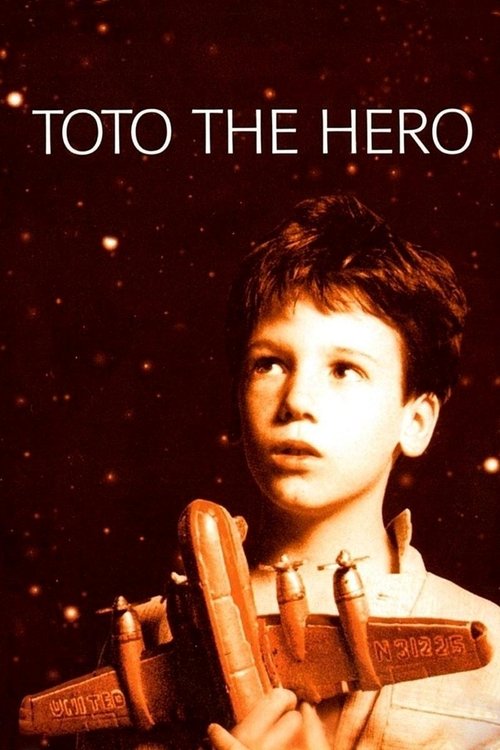
Toto the Hero1991
Both explore what happens when imposed identities crack, and how a person becomes themselves. One watches; one imagines. Same door, different keys.
Like The Apple, it's a small, mysterious film about confinement and identity—but told through invention and magical thinking rather than direct observation. Same question (who are we when we're finally allowed to be?) asked in an opposite register.
But It's whimsical and surreal in ways The Apple resists. If you want pure documentary sobriety, this will feel like tonal betrayal.
More like this (7)
Come and See1985
Klimov's Soviet film also traces a young person's devastating encounter with a world they cannot unsee. Both films believe witnessing itself is the point.
But It's one of cinema's bleakest experiences—harrowing and merciless. Nothing here consoles.

Courage Under Fire1996
Deepa Mehta's study of two women confined by circumstance and society offers similar attention to interior lives rendered invisible by social constraint.
But It's a slow-burn character study with tragic inevitability. Not for viewers seeking plot resolution or narrative satisfaction.
Once Upon a Time in America1984
Tarkovsky's final film observes a woman in a room with the same meditative, durational approach. Both films understand that looking is itself a form of respect.
But At 127 minutes of a woman reading letters, it tests patience fundamentally. Abstract and demanding to the point of austerity.
Stalker1979
Another Tarkovsky work that observes journeys—literal and psychological—with unhurried attention and deep philosophical patience. The same reverence for the ordinary.
But It's hypnotic to some and glacially boring to others. Zero plot momentum; everything is interior.

Pather Panchali1955
Ray's debut observes childhood and family life with such tenderness and specificity that it essentially invented this register for cinema. The ancestor of everything like The Apple.
But It's a three-hour black-and-white film about poverty in rural Bengal. The pacing is deliberate and the ending is tragic.

The Act of Killing2012
Both films believe that looking—without judgment, without turning away—is the most honest thing cinema can do. Both force you to stay in the room.
A documentary, not a fiction, but it shares The Apple's interest in witnessing transformation and truth-telling. Requires the viewer to sit with perpetrators rather than victims—a radical form of attention.
But It's morally disorienting and deeply uncomfortable. Watching someone recount atrocity isn't cathartic; it's corrosive.

Ratcatcher1999
Both films trust visual detail and duration more than explanation. Both watch children apprehend a world's cruelty. Both are Scottish and Iranian respectively, but cinematically siblings.
Lynne Ramsay's debut uses dense, sensory observation of a child's interior world and confined spaces to create something dreamlike and devastating. The same materials (confinement, childhood, acute observation) alchemized into something stranger.
But It's murky, impressionistic, and deliberately obscure. The narrative logic is emotional rather than plot-based. Some find it pretentious or impenetrable.
People
Cast
- Massoumeh NaderiMassoumeh
- Zahra NaderiZahra
- Ghorban Ali NaderiFather
- Azizeh MohamadiAzizeh
Directing
- Akbar MeshkiniAssistant Director
- Hana MakhmalbafAssistant Director
- Marziyeh MeshkinyAssistant Director
- Samira MakhmalbafDirector
Writing
- Mohsen MakhmalbafWriter
- Samira MakhmalbafWriter
Production
- Iraj SarbazExecutive Producer
- Marin KarmitzProducer
- Véronique CaylaProducer
- Susan JacobsPublicist