
Film
Cria!
- Drama
- Slow-burning
Cría! is a haunting Spanish portrait of childhood grief and female resilience in Franco-era Madrid. A young girl processes her mother's death while navigating the complex dynamics of her grandmother and two sisters. Deliberately paced and emotionally precise, it's a meditation on how we survive loss and the small cruelties that shape us. For those drawn to introspective cinema about interiority and time.
Should you watch it?
Watch it if you like quiet, observational films where a child's inner life comes through small gestures, half-glimpsed adult rituals and a houseful of women who never quite say what they mean.
Skip it if you want a story that moves, because this drifts through long stretches of stillness and repeated domestic routine, and its slowness can feel like waiting rather than being absorbed.
What it asks of you: Unhurried and slight at under two hours, it lingers on a child's looks and silences, so it rewards patience more than close attention to dialogue.
Not sure? Find tonight's pick in a minute.
If you liked this
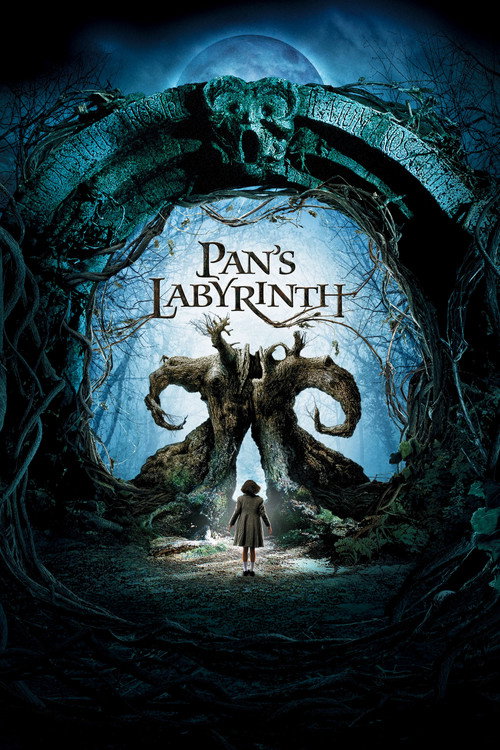
Pan's Labyrinth2006
Another Spanish-language fantasy-tinged drama about a girl navigating a hostile world during authoritarian rule, with the same blend of intimate character study and larger historical weight.
But Far more overtly fantastical and violent than Cría!, which may shift the tone away from what you're seeking if you want pure realism.
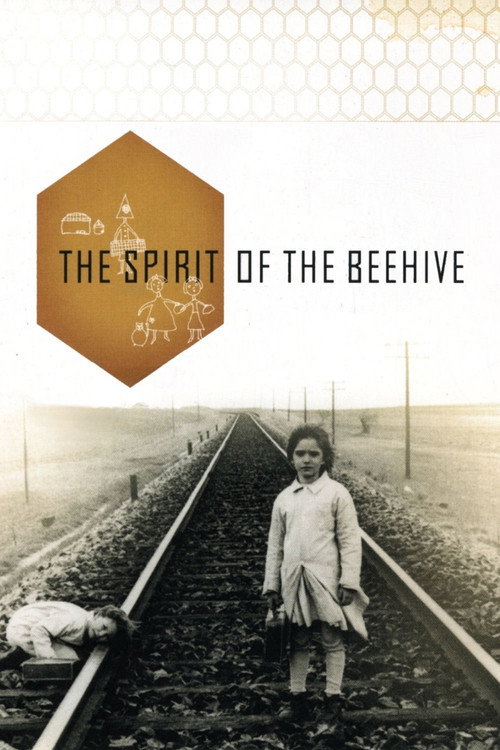
The Spirit of the Beehive1973
Víctor Erice's masterpiece about a girl in Franco's Spain discovering cinema and imagination as solace. Operating at the same frequency: dreamy, elliptical, visually poetic, about childhood consciousness.
But Even more deliberately slow and withholding with narrative. If you found Cría! austere, this will test your patience further.
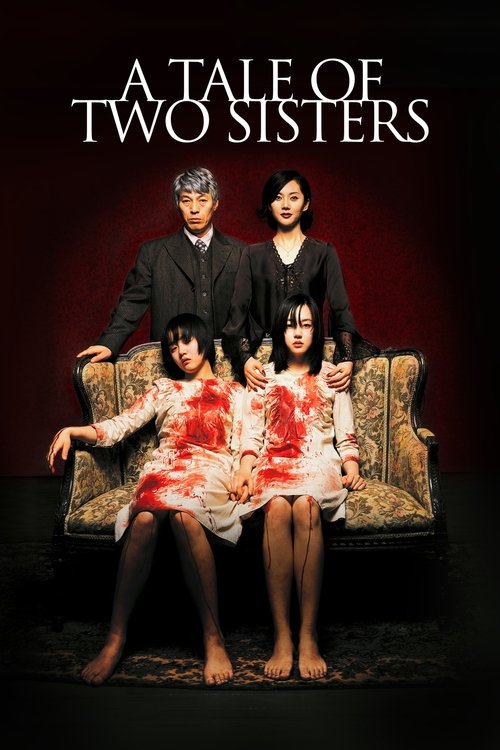
A Tale of Two Sisters2003
A South Korean film about two sisters processing family trauma through a Gothic lens. Shares Cría!'s focus on how siblings navigate grief and the uncanny domesticity of family life.
But Leans into horror-adjacent imagery and atmosphere in ways Cría! deliberately avoids, which could feel tonally jarring.
Not sure tonight? Get a pick in a minute, starting from Cria!
The wildcard
Something you would not have found on your own.
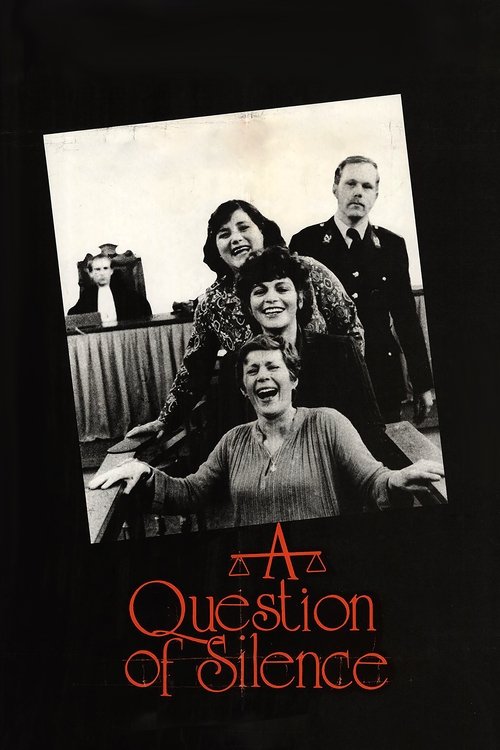
A Question of Silence1982
Both are female-centered studies of what gets buried inside women across generations, told through oblique visual language that refuses easy explanation or catharsis.
Dutch director Marleen Gorris made a radical feminist thriller about three women who beat a man to death in silence. Shares Cría!'s fixation on female interiority, silence as resistance, and the unspoken damage patriarchy inflicts on women.
But A courtroom drama that becomes something far stranger and more political. If you want Cría!'s lyrical sadness, this is confrontational and strange.
More like this (8)
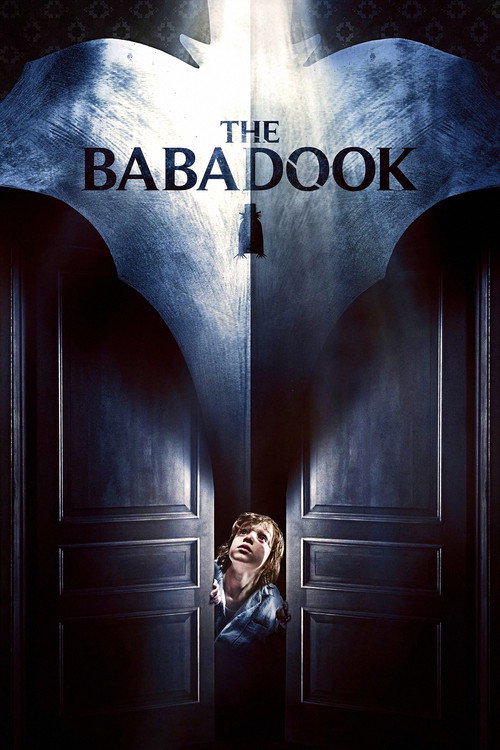
The Babadook2014
An Australian film about a mother and son haunted (literally and metaphorically) by unprocessed grief. Shares the core insight: trauma doesn't vanish, it shapes the architecture of daily life.
But More of a genre film with jump scares and explicit dread. Cría!'s power comes from its refusal to sensationalize; this one does.
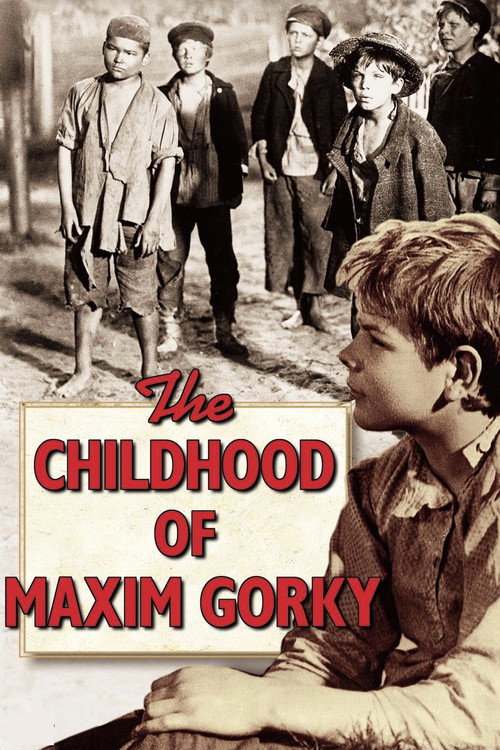
The Childhood of Maxim Gorky1938
Mikhail Donskoi's first film in his trilogy about a boy's formative years, including the death of his mother. A Soviet counterpart exploring similar emotional terrain with the same patient, observational eye.
But Considerably older and grainier; the visual style requires adjustment, and it demands more patience than even Cría! does.
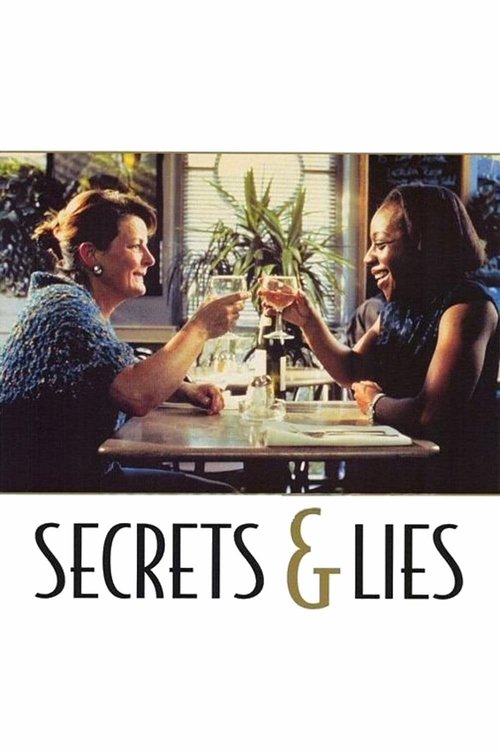
Secrets & Lies1996
Mike Leigh's film about a Black woman reuniting with her biological white mother, exploring family wounds and unspoken damage. Character-driven, ensemble-focused, deeply about what families carry.
But Set in contemporary London and far more talkative than Cría!. If you love the film's silences, this won't deliver them.
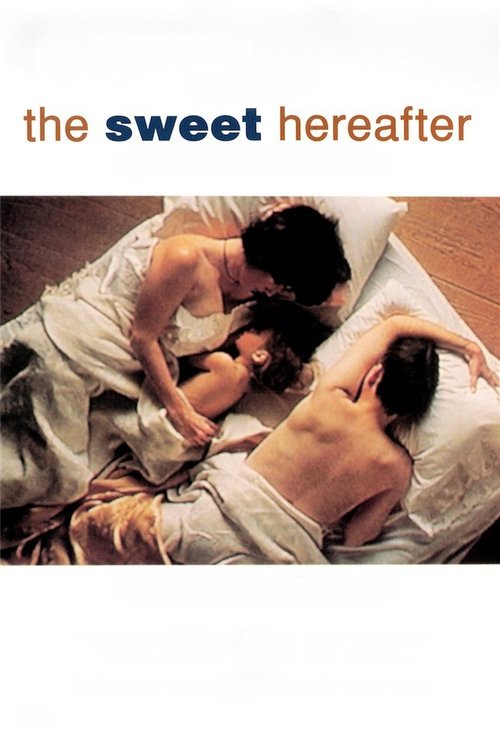
The Sweet Hereafter1997
Atom Egoyan's examination of grief after a school bus accident devastates a small town. Structural and thematic sophistication about how communities process loss and blame.
But Complex narrative structure that circles back repeatedly; some find it more intellectual than emotionally grounded compared to Cría!'s directness.
Kes1970
Ken Loach's portrait of a working-class boy in Yorkshire finding solace in a hawk. Class and education as backdrops to a child's interior life and capacity for tenderness.
But Working-class British specificity means the cultural texture is entirely different. If you connect to Cría! through its Spanish context, this won't replicate that.

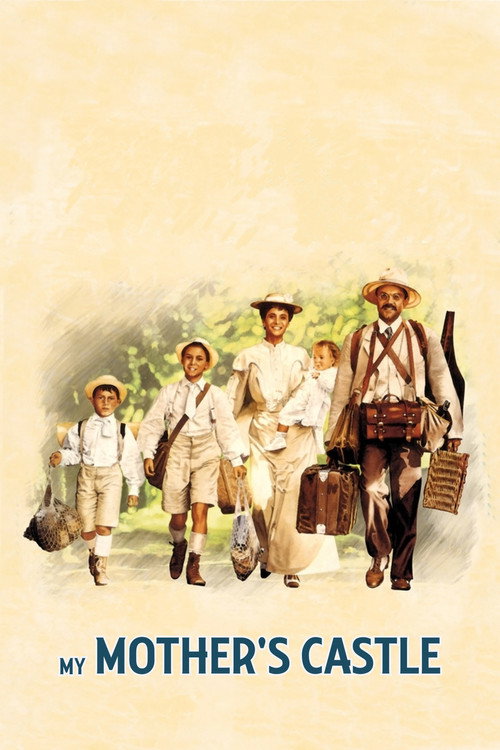
My Mother's Castle1990
Yves Robert's adaptation of Marcel Pagnol's memoir, a gentler meditation on childhood, family, and the landscapes where memory lives. Warmth where Cría! has frost.
But Considerably lighter in tone. If grief and emotional complexity drew you in, this film's nostalgia may feel evasive by comparison.
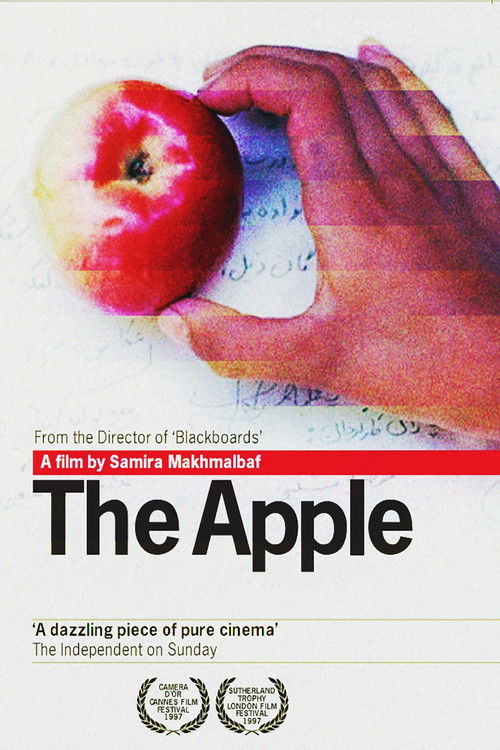
The Apple1998
Both use a girl's consciousness as a prism for examining how authority (whether family or state) shapes the interior self; both trust visual observation over plot.
Samira Makhmalbaf's Iranian film about a girl locked indoors by her parents, discovering the world through a window. A haunting portrait of domestic enclosure and a child's relationship to freedom and family.
But Shot partially as documentary, with non-professional actors. The texture is rougher and stranger than Cría!, and its politics are more overt.
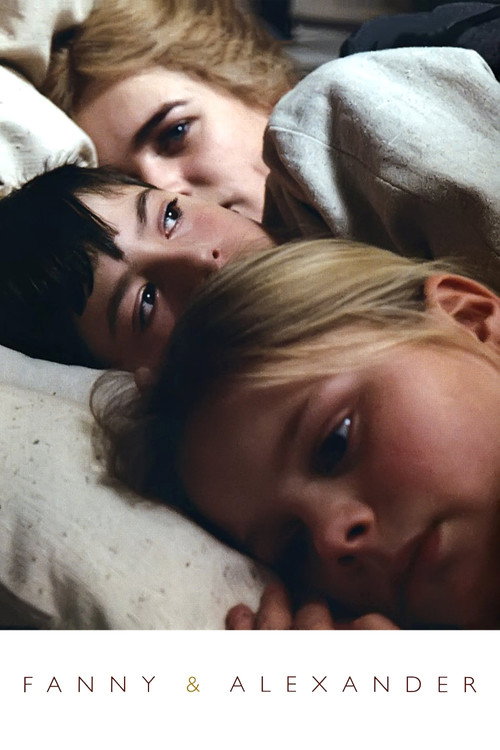
Fanny and Alexander1982
Both use childhood as a lens to examine how we internalize the damage done by the adults around us, and how we endure it through imagination, silence, and witness.
Bergman's three-hour epic about two children living through their mother's remarriage to a tyrannical bishop. Operatic where Cría! is minimalist, but equally obsessed with how children absorb and survive the world's cruelty.
But Sweeping, theatrical, sometimes theatrical to the point of camp. If you love Cría!'s austerity, this lush, expressionistic approach may feel overwrought.
People
Cast
 Ana TorrentAna
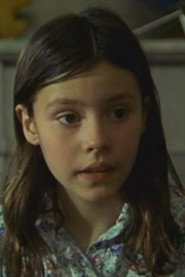 Conchita PérezIrene
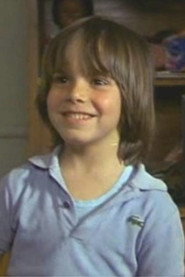 Mayte SánchezMaite
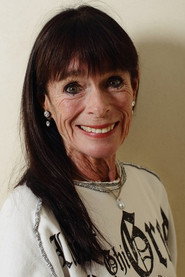 Geraldine ChaplinMaría
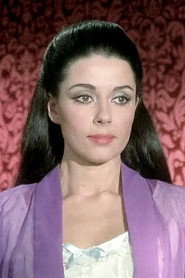 Mónica RandallPaulina
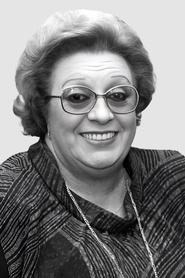 Florinda ChicoRosa
- Josefina DíazGrandmother
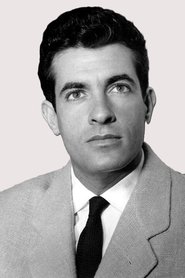 Germán CobosNicolás
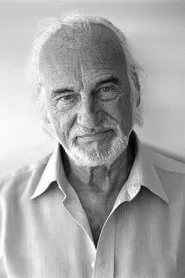 Héctor AlterioAnselmo
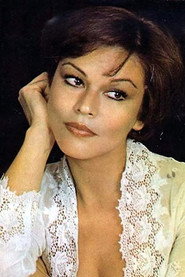 Mirta MillerAmelia
 Julieta SerranoAna (voice) (uncredited)
Directing
- Francisco J. QuerejetaAssistant Director
- Carlos SauraDirector
- Paco LucioScript Supervisor
- Roberto ParraSecond Assistant Director
Writing
- Carlos SauraScreenplay
- Carlos SauraScreenstory
Production
- Elías QuerejetaProducer
- Pedro E. SamuProduction Assistant
- Primitivo ÁlvaroProduction Manager
Recommended by
The Spirit of the Beehive, Léon: The Professional, Volver, Los Andes no creen en Dios