
Film
The Childhood of Maxim Gorky
Mark Donskoy's 1938 film follows young Maxim Gorky's formative years under tsarist Russia, trapped between his brutish grandfather and tender grandmother. It's a poetic, unsentimental portrait of childhood cruelty and small acts of grace. Essential Soviet cinema that captures how suffering shapes an artist's soul.
Should you watch it?
Watch it if you love slow, earthy coming-of-age stories where a sharp-eyed boy's education comes from brutal households, kind grandmothers and the rough texture of provincial Russian life.
Skip it if you want quick cuts, modern pacing or a plot that keeps pushing forward, because this is a steady, observational piece that lingers on small domestic cruelties and everyday hardship.
What it asks of you: Settle in for a hundred minutes of unhurried scenes, with a heavy emotional weight that rewards patience and asks you to sit with its harshness rather than skip past it.
Not sure? Find tonight's pick in a minute.
If you liked this
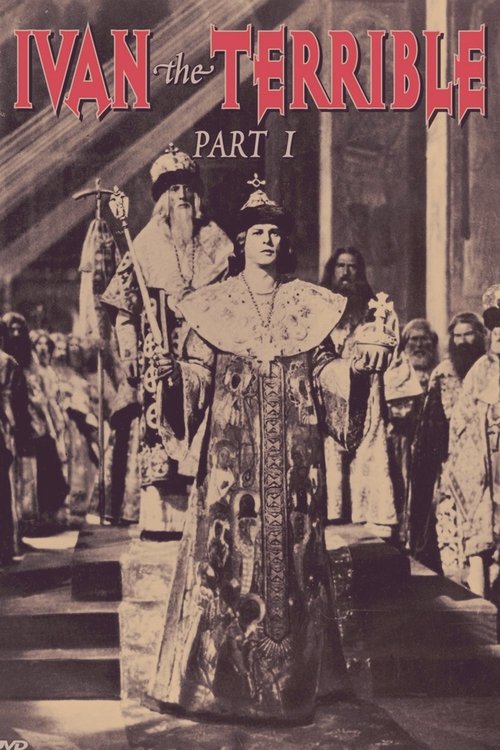
Ivan the Terrible, Part I1944
Eisenstein's visual poetry about power, suffering, and Russian history. Like Gorky, it finds tragedy in the nation's soul and transforms it into cinema that feels carved from stone.
But Deliberately paced, black-and-white, more interested in myth than plot. Requires patience and attention.
Stalker1979
Tarkovsky's metaphysical masterpiece about desire and spiritual yearning. It shares Gorky's meditative register—both films understand that growth happens in silence and waiting, not action.
But Nearly three hours of philosophical slow-burn. Long takes of empty rooms and conversations. Not for viewers who need momentum.

Come and See1985
Klimov's devastating portrait of innocence destroyed by war. Like Gorky, it refuses to look away from childhood trauma, but charges it with overwhelming emotional force and moral weight.
But Brutally, almost unwatchably difficult. Not cathartic—punishing. One of cinema's most harrowing films.

Not sure tonight? Get a pick in a minute, starting from The Childhood of Maxim Gorky
The wildcard
Something you would not have found on your own.
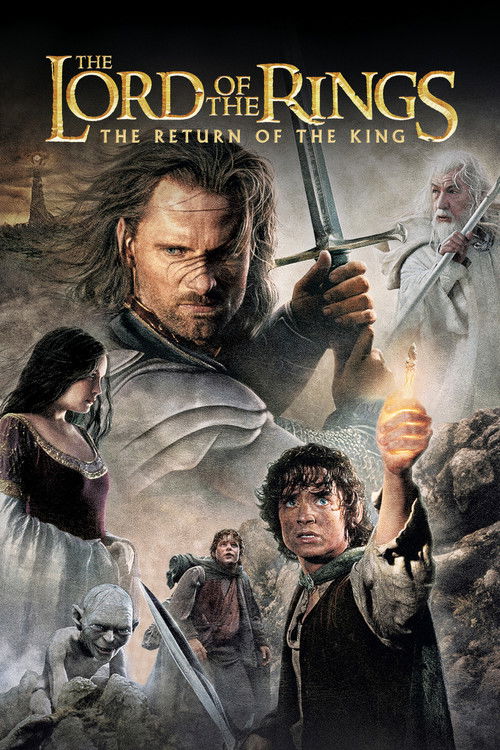
The Lord of the Rings: The Return of the King2003
Both explore the Russian soul through childhood trauma; both understand that suffering is not backdrop but the very engine of becoming. Zvyagintsev asks: what does absence teach us? Gorky asked: what does cruelty make us? Same question, different register.
Zvyagintsev's extraordinary debut: two brothers abandoned by their father are forced into a spiritual journey across barren Russian landscape. Like Gorky, it's about how fathers—and their absence—shape who we become, but it reaches for something transcendent rather than realistic.
But Nearly wordless, cryptic, steeped in Orthodox imagery. Some will find it willfully obscure. Divisive even among serious film lovers.
More like this (8)
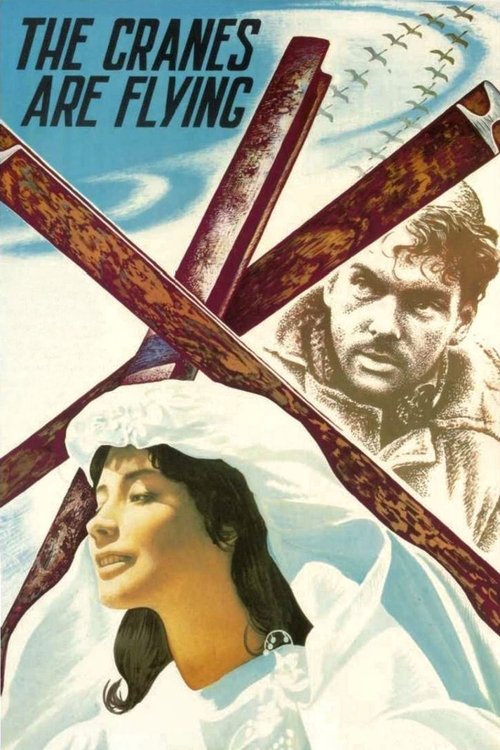
The Cranes Are Flying1957
Kalatozov's tender, visually gorgeous exploration of love and loss during WWII. Shares Gorky's emotional truth without cynicism—how ordinary people endure extraordinary pain.
But Melodramatic by modern standards. The romance at its center might feel dated to viewers expecting irony.
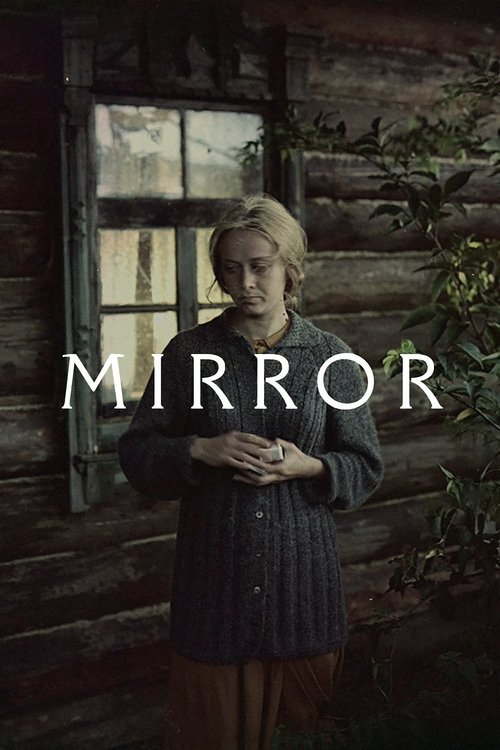
Mirror1975
Tarkovsky again, but fragmentary and dreamlike—memory, family, childhood collapse into poetry. It echoes Gorky's sense that a life contains multitudes and contradictions that can't be neatly resolved.
But Deliberately cryptic and associative. No linear narrative. Demands multiple viewings and tolerates ambiguity.
The Farewell2019
Lulu Wang's intimate family portrait bridging cultures. Modern but rooted in the same quiet observation of how we hurt and protect each other across generations.
But Low-stakes by melodramatic standards. Character study, not plot. Some find its restraint cold rather than moving.
Pather Panchali1955
Ray's debut is a masterpiece of childhood observed without sentimentality. Poverty, beauty, loss, small joys—the texture of a young life finding wonder in hardship.
But Bengali cinema from the 1950s. Subtitled, slow-paced, no musical swells. Demands engagement on its own terms.

The Last Station2009
Captures the relationship between an aging artist and the world that shaped him. Like Gorky, explores how the past clings to us and defines who we become.
But Focuses more on the elder Tolstoy than the formation of genius. Less interested in childhood than in its consequences.
Boyhood2014
Linklater's twelve-year chronicle of growing up in modern Texas. Shares Gorky's patient eye for how small moments accumulate into a life—no drama, just time.
But Deliberately undramatic. Some viewers find the lack of conventional plot point exhausting rather than liberating.
Werckmeister Harmonies2001
Both are about a young person observing an entire social ecosystem—family, neighbors, power structures—and learning that corruption is systemic, not incidental. Tarr is Kafka to Gorky's Tolstoy; same moral clarity, different temperature.
Béla Tarr's hypnotic black-and-white meditation on a Hungarian village haunted by a mysterious whale and a charismatic preacher. Childhood and grotesque adulthood collide; innocence confronts corruption. Apocalyptic where Gorky was lyrical, but equally obsessed with how the world marks us.
But Nearly four hours. Static, high-contrast cinematography. No conventional narrative. Demands surrender to a specific aesthetic vision.
The Power of the Dog2021
Both films insist that we understand the grandfather's cruelty as rooted in pain, not excuse it—that tragedy can coexist with moral clarity. Both are about how we become ourselves through quiet observation of the damage others carry.
Campion's western about masculinity, shame, and the violence hidden in families. Like Gorky, it understands that cruel men often had cruel childhoods; that cruelty is inherited. Visually ravishing, psychologically intricate, morally complex.
But Requires careful watching—crucial information is buried in subtext and visual detail. Some find the pacing glacial; others the ending unsatisfying.
People
Cast
 Aleksei LyarskyAleksei Peshkov
 Varvara MassalitinovaAkulina Ivanva Kashirin
 Mikhail TroyanovskyVasili Vasilyevich Kashirin
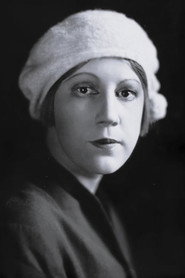 Yelizaveta AlekseyevaVarvara Kashirina Peshkova
- Aleksandr ZhukovMikhail Kashirin, an uncle
- K. ZubkovOld Grigori
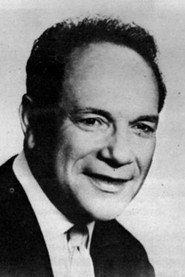 Daniil SagalVanya, aka 'Gypsy'
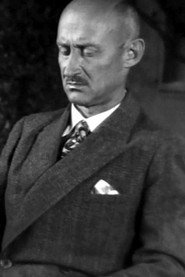 Sergey TikhonravovThe Lodger
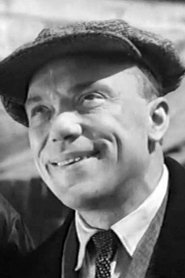 Vyacheslav NovikovYakov Kashirin
- Igor SmirnovAlexei, aka 'Lenka' or 'Lex', a crippled boy
- E. MamaevSacha Kashirin, nephew
- V. KorochentchikovMikhail's son, also named Sacha
Directing
- Rafail PerelsteinAssistant Director
- Mark DonskoyDirector
- Emir FaykFirst Assistant Director
Writing
- Maxim GorkyBook
- Ivan LadyzhnikovScript Consultant
- Ilya GruzdevWriter
- Mark DonskoyWriter
Production
- Maria TorgantsevaExecutive Producer
Recommended by
Cria!, A Tree Grows in Brooklyn, War of the Buttons, Bright Eyes, David Copperfield