
Film
War of the Buttons
Other titles called War of the Buttons: the 1994 film.
A 1962 French film about two villages of schoolboys locked in an escalating war where the spoils are literally buttons torn from clothes. It's bittersweet comedy that grows quietly poignant as childhood friendships fracture under the weight of tribal loyalty. Charming, warm, and unexpectedly moving—a film that understands something true about how kids navigate loyalty, shame, and the moment play becomes something harder.
Should you watch it?
Watch it if you love coming-of-age tales that treat children's feuds with real seriousness, where the comedy of small rebellions carries a quiet sadness about the grown-up world waiting to close in.
Skip it if you need a tight plot or a brisk runtime, since its episodic rhythm wanders between set pieces and its sentimentality can feel dated.
What it asks of you: Ninety minutes that take their time, ambling through village life and schoolyard plotting, with the mood shifting gently rather than in sharp jolts, so patience is the price of entry.
Not sure? Find tonight's pick in a minute.
If you liked this
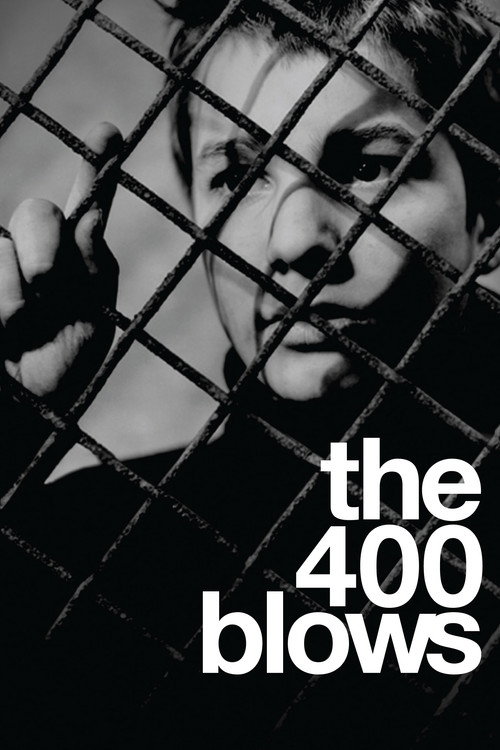
The 400 Blows1959
Truffaut's masterpiece about a Parisian boy adrift captures the same tender, unsentimental eye on childhood. It finds gravity in small rebellions and the distance between what adults see and what children feel.
But Slower paced and genuinely melancholic. There's no resolution that ties things up neatly, which some find frustrating rather than haunting.
Kes1970
Ken Loach's film about a Yorkshire boy and his hawk has the same mixture of rough play and surprising emotional depth. Working-class kids finding beauty and freedom in the margins of their lives.
But The brutality is harder edged than War of the Buttons. School bullying and home cruelty are rendered without softening, which can be difficult to sit with.

The Given Word1962
Made the same year, this Brazilian film shares War of the Buttons' gift for finding dignity and moral complexity in ordinary people. Community matters, loyalty matters, and the cost of conviction is real.
But Heavier thematically and structurally—less a narrative sweep than a situation that deepens. Requires patience to find its power.
Not sure tonight? Get a pick in a minute, starting from War of the Buttons
The wildcard
Something you would not have found on your own.
Zero for Conduct1933
Both films treat childhood rebellion as morally and aesthetically serious. Vigo's is avant-garde essay; War of the Buttons is social realism. But they're siblings in their insistence that how kids negotiate power and loyalty matters—and that the rules adults impose are arbitrary and worth questioning.
Vigo's avant-garde short predates War of the Buttons by thirty years and shows that the visual language of childhood rebellion was already being invented. Surreal, playful, anarchic—a pure dream of schoolboy revolution. It's the literary ancestor.
But At 44 minutes it's more poem than narrative. Surrealism means it doesn't build plot; it builds mood and image. If you need traditional story, this is abstract to the point of opacity.
More like this (8)
Moonlight2016
Like War of the Buttons, it traces how boys learn to hide, how friendship and shame intertwine, how the world gradually teaches them what they must become. Achingly precise about the interior cost of exterior conformity.
But Slow, fragmented, and abstract. If you want plot momentum or clear emotional beats, this will feel oblique and frustrating.

My Childhood1972
Bill Douglas's autobiographical film captures working-class Scottish childhood with the same unsentimental tenderness. Poverty, affection, and the strange logic of kids finding joy in constraint.
But Spare and grey—no warmth in the image, no score to guide you. It demands you meet it on its own terms or not at all.
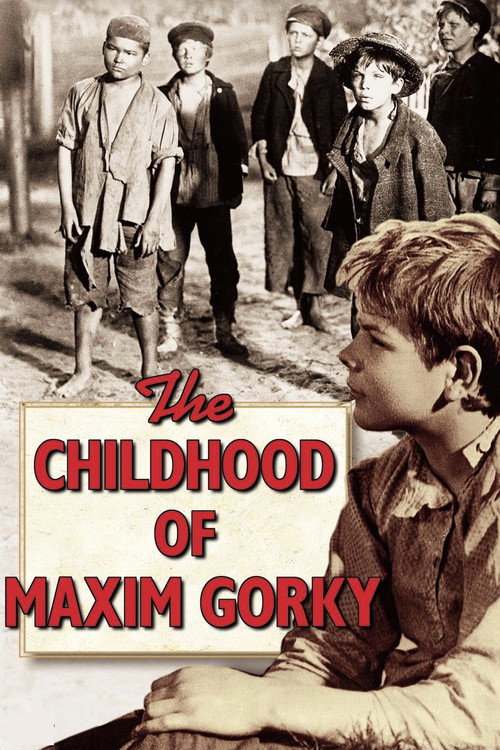
The Childhood of Maxim Gorky1938
Donskoy's film shows childhood as a forge rather than a garden: kids learning cruelty, loyalty, and resilience from their circumstances. Similar tonal register—neither cynical nor saccharine.
But Soviet-era cinema, which means deliberate pacing and a different visual grammar. If you're accustomed to modern film rhythm, it will feel slow.
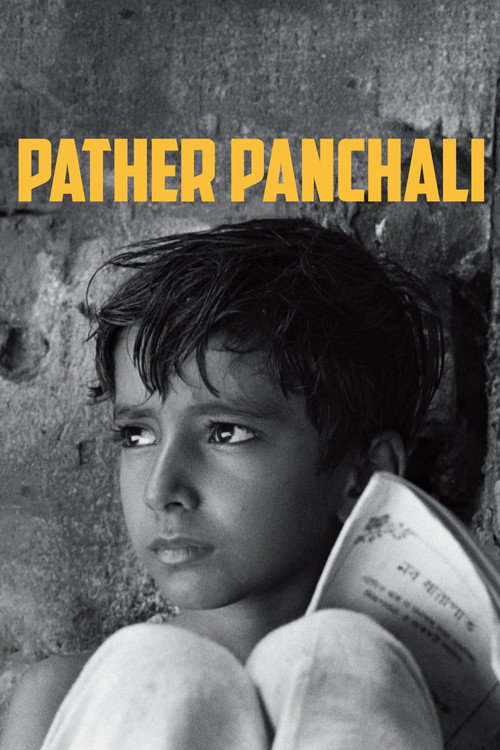
Pather Panchali1955
Satyajit Ray's Bengali masterpiece finds the poetry in rural poverty and childhood. The same gift for seeing how kids navigate duty, affection, and the small humiliations of being powerless.
But Nearly three hours, and the plot is minimal—observation rather than event. Requires you to be genuinely present and patient.
Amarcord1973
Fellini's semi-autobiographical film about fascist Italy through the eyes of schoolboys in a small town. Memory, desire, and community rendered in gorgeous, baroque detail. Bawdy and tender at once.
But Episodic and deliberately digressive—Fellini resists narrative satisfaction. The tone swings wildly, which some read as lack of focus rather than richness.
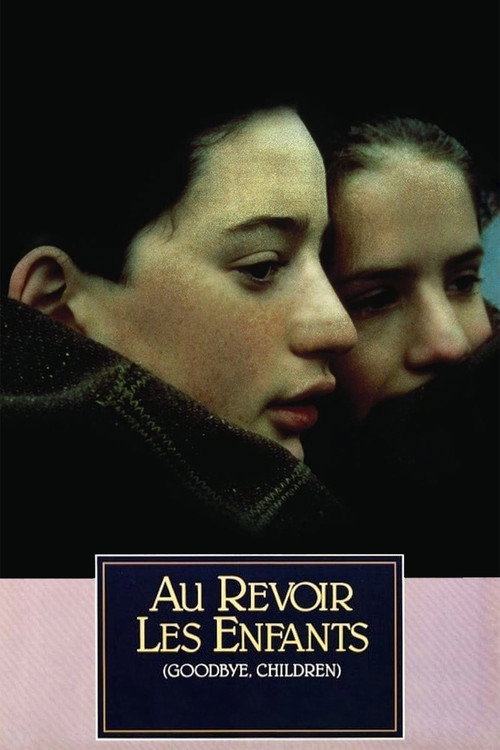
Au Revoir les Enfants1987
Malle's film about friendship and betrayal in a Catholic boarding school during occupation is structurally similar: childhood loyalty tested by history and conscience. Understands how kids become complicit without meaning to.
But The historical weight is heavier than War of the Buttons—it's about the Holocaust's shadow. If you want lightness, this is the wrong choice.
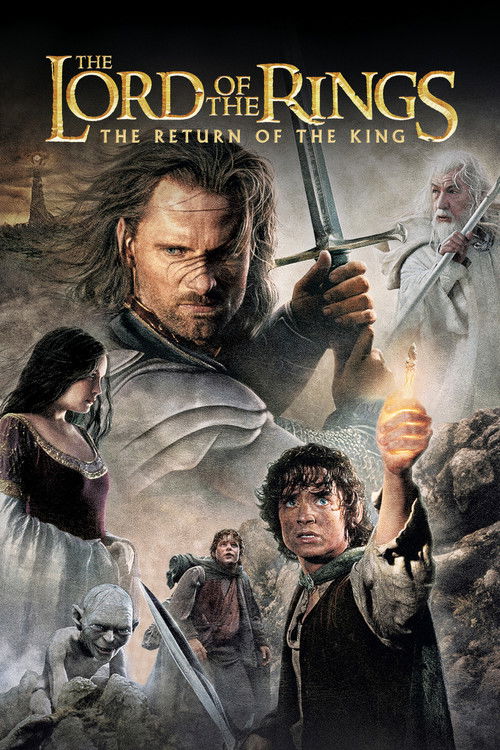
The Lord of the Rings: The Return of the King2003
Both films understand that childhood friendships and hierarchies are rehearsals for adult power. War of the Buttons shows this through play; The Return shows it through survival. Different registers, same truth about how boys learn to dominate and submit.
Andrei Zvyagintsev's Russian film about two brothers abandoned by their father for twelve years and sent to stay with him for two weeks. A complete genre shift—austere, psychological, about masculinity and authority. But structurally it's the same: boys learning tribal loyalty, hierarchy, and the cruelty that can hide inside duty.
But Harsh and cold. No music, minimal dialogue, and the cinematography is deliberately alienating. If you want warmth or resolution, this will feel punishing rather than illuminating.
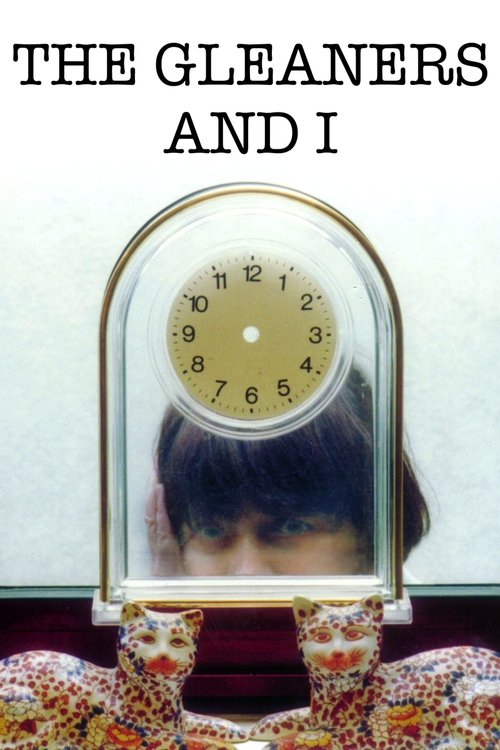
The Gleaners and I2000
Both are love letters to a rural France that no longer quite exists, and both insist that dignity and meaning survive in the margins of official society. One is narrative fiction about boys; one is documentary philosophy about the dispossessed. They're written in different languages but they're hymns to the same thing—the resilience and grace of people the world overlooks.
Agnes Varda's documentary-essay about gleaning—both the rural practice of collecting leftover crops and the broader act of finding value in what society discards. Rural France, class, dignity, and community. It's a formal essay film, not narrative, but it shares War of the Buttons' love for rural communities and their unwritten codes.
But Not a film in the traditional sense—it's Varda thinking aloud on camera with digressions and formal experiments. If you want story or character development, this is the opposite: meditation without destination.
People
Cast
 Jacques DufilhoL'Aztec's father
 Yvette EtiévantLebrac's mother
 Michel GalabruBacaillé's father
 Michèle MéritzL'Aztec's mother
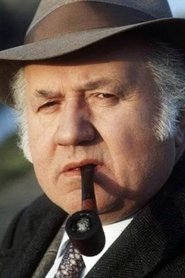 Jean RichardLebrac's father
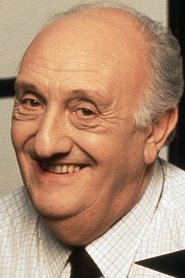 Pierre TcherniaBédouin, rural warden
 Pierre TrabaudTeacher at Longeverne
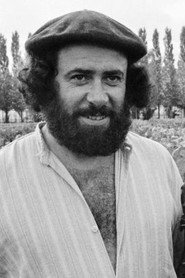 Claude ConfortèsNestor, postman
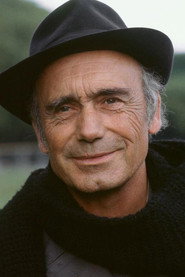 Paul CrauchetTouegueule
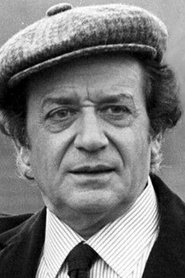 Henri LabussièreCountryman
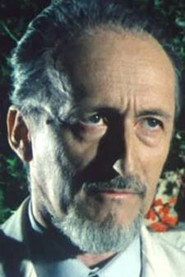 Yves PeneauGeneral supervisor
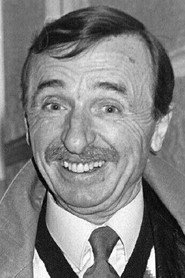 Robert RollisMigue la lune's father
Directing
- Yves RobertDirector
- Régis ForissierFirst Assistant Director
Writing
- Louis PergaudNovel
- François BoyerWriter
- Yves RobertWriter
Production
- Danièle DelormeProducer
- Léon CarréProducer
- Yves RobertProducer
Recommended by
Bugsy Malone, Mobile Suit Gundam Wing, The Secret of Santa Vittoria, The Gladiators, Monsieur Papa