
Film
The Given Word
A Brazilian masterpiece about faith tested by hypocrisy. Zé, a dirt-poor man, vows to carry a cross across the countryside if Saint Bárbara saves his dying donkey. When the miracle comes true, his pilgrimage becomes a collision between genuine spirituality and institutional religion. Urgent, angry, and unbearably human.
Should you watch it?
Watch it if you are drawn to stubborn, fable-like stories of faith and village pride, where one small act of devotion swells into a standoff with the crowd and the church around it.
Skip it if it moves deliberately, with long stretches of ritual and crowd scenes that some will find repetitive rather than gripping, so impatience will work against you.
What it asks of you: Settle in for a lean ninety-eight minutes of sun-baked, unhurried tension that builds through faces, waiting and stubborn silence rather than through action.
Not sure? Find tonight's pick in a minute.
If you liked this
Bicycle Thieves1948
The ur-text of neorealist cinema: a father and son in postwar Rome searching for a stolen bike. Like The Given Word, it finds tragedy and dignity in the lives of the desperately poor, shot on real streets with non-professional actors.
But The pacing is deliberate and the ending lands like a punch to the stomach. If you need plot momentum or catharsis, this will feel slow.

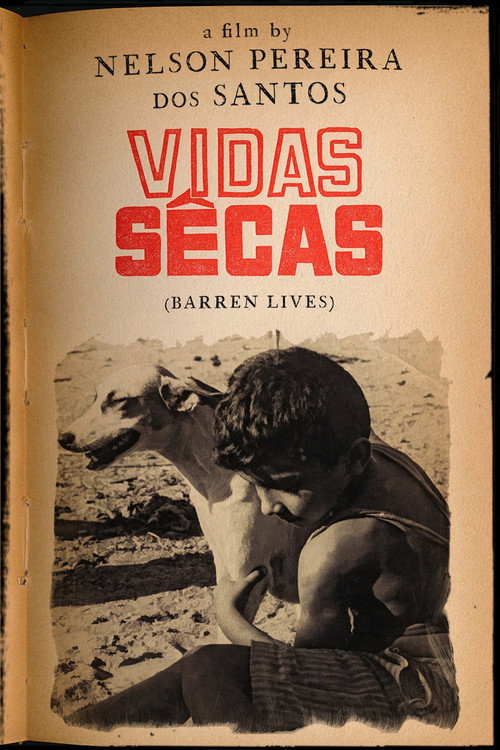
Barren Lives1963
Another Brazilian classic about a family surviving drought and destitution, shot in stark black-and-white. It shares The Given Word's refusal to sentimentalize poverty and its documentary-like eye for human endurance.
But It's even more austere and fragmented in structure. There's no arc, just a series of moments of quiet suffering.
The Battle of Algiers1966
A radical political film about colonialism and resistance, shot like a documentary newsreel. Like Saclaro's work, it refuses easy moral positions and trusts the audience to sit with moral complexity.
But It's a film about urban warfare and political violence. The emotional temperature is cerebral, not cathartic, and some viewers find it propagandistic.

Not sure tonight? Get a pick in a minute, starting from The Given Word
The wildcard
Something you would not have found on your own.
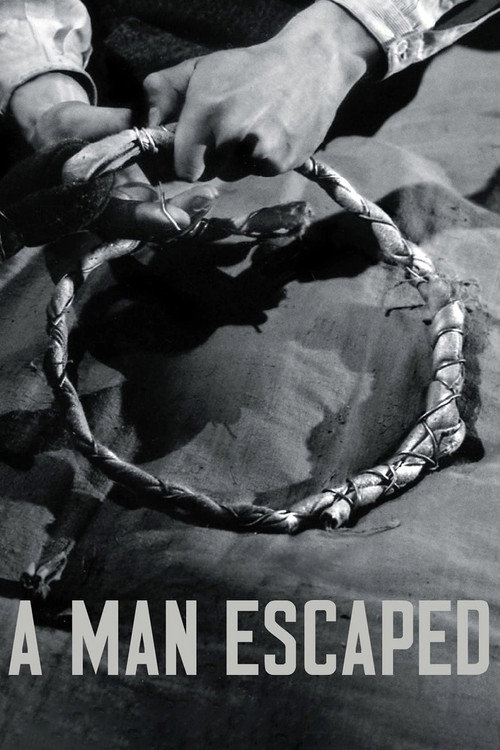
A Man Escaped1956
Both films treat faith as something ordinary men do, not discuss. Both use cinema's documentary capacity to show the unbridgeable gap between what institutions promise and what they deliver.
Bresson's sparse, almost clinical account of a French Resistance fighter planning his escape from prison. It's a film about faith expressed through meticulous action rather than sentiment—a spiritual film disguised as a thriller.
But The style is so austere it approaches abstraction. Bresson uses non-professional actors speaking in flat tones, and if you're expecting conventional drama, you'll be frustrated.
More like this (8)
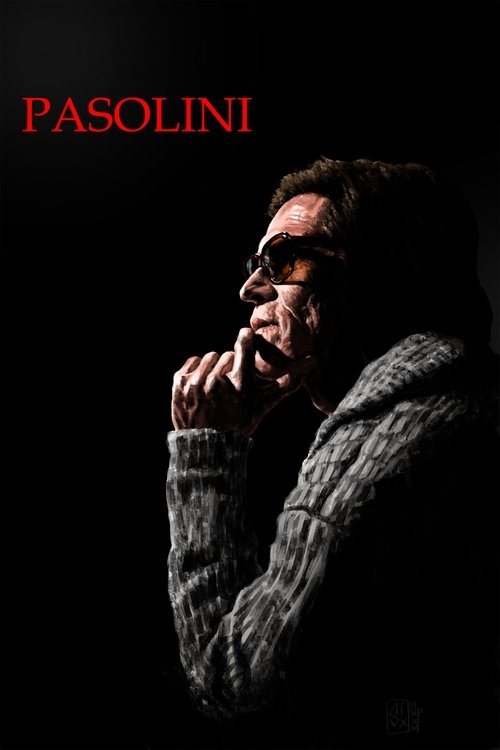
Pasolini2014
Abel Ferrara's film about the Italian poet-filmmaker's final days explores art, faith, and marginality. It shares The Given Word's fixation on the gap between spiritual yearning and institutional judgment.
But It's oblique and meditative about a figure most viewers won't know. The narrative is more mood than plot.
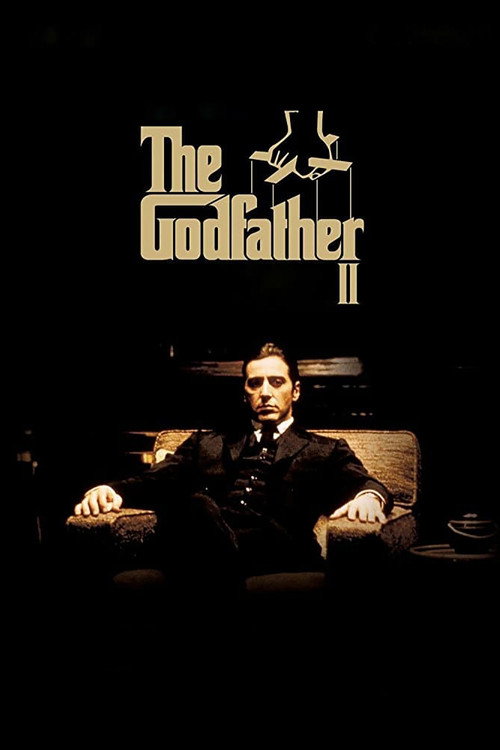
The Godfather Part II1974
A three-hour epic about power, faith, and corruption across two continents and timelines. Like The Given Word, it's interested in how institutions corrupt the spiritual impulses of desperate men.
But It's an enormous film with a sprawling cast. If you're looking for something intimate, this is operatic by comparison.
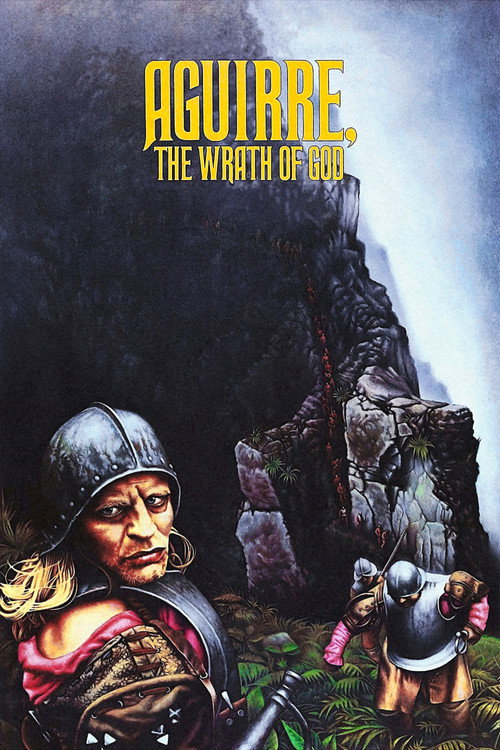
Aguirre, the Wrath of God1972
Herzog's obsessive film about a conquistador's doomed expedition into the Amazon. Both films track a man consumed by faith—religious or otherwise—that leads him into the wilderness.
But It's visually extreme and philosophically bleak. The pacing is hypnotic rather than propulsive, which some find tedious.
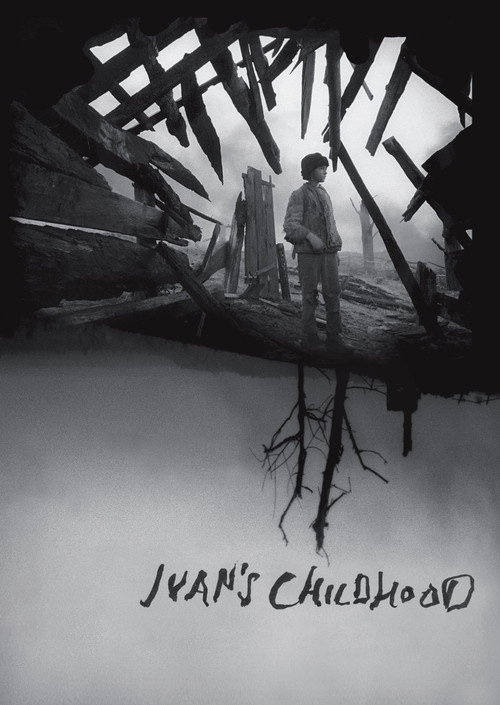
Ivan's Childhood1962
Tarkovsky's debut about a boy in WWII carries the same moral weight as The Given Word, with a similar visual severity. Both are meditations on suffering and spiritual awakening.
But It's elusive and poetic rather than narrative-driven. The emotional registers shift without warning, and answers are never supplied.
Stalker1979
Tarkovsky's science-fiction meditation on faith and desire follows three men on a spiritual journey. Like The Given Word, it asks what faith really means when institutions fail.
But It's two hours fifty minutes of very slow cinema about people walking. The payoff is philosophical, not dramatic.

Come and See1985
Elem Klimov's Belarusian war film is a descent into hell that asks how faith survives atrocity. It shares The Given Word's refusal to look away from human cruelty and institutional corruption.
But It is genuinely one of the most disturbing films ever made. Not recommended for anyone with trauma around violence or war.

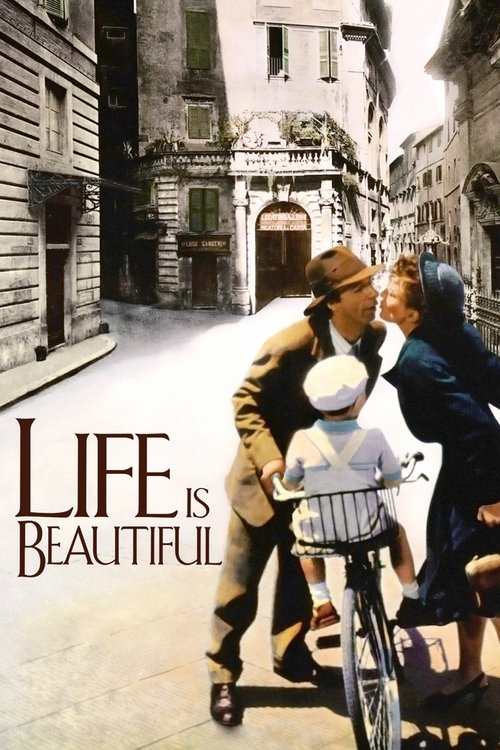
Life Is Beautiful1997
Both films pit individual spiritual conviction against institutional power. But where The Given Word shows faith defeated, Life Is Beautiful shows it triumphant—a radical disagreement about the same question.
Benigni's film about a father protecting his son from the Holocaust through imagination and performance. It's a film about the power of faith and narrative to survive institutional evil—the inverse emotional register from The Given Word, but the same moral architecture.
But Its sentimentality and whimsy will feel obscene to many viewers, and the film's relationship to its own subject matter is genuinely contentious. It risks trivializing atrocity through charm.
Winter Light1963
Both films are about the dissolution of religious certainty when confronted with institutional hypocrisy and human suffering. The Given Word ends in anger; Winter Light ends in despair. Both are necessary.
Bergman's bleak study of a pastor losing his faith in postwar Sweden. A small cast, a confined space, and questions about whether God exists or whether institutions invented Him. The opposite emotional tenor from The Given Word—wintry instead of hot—but the same doubt.
But It's nearly dialogue-free, psychologically crushing, and offers no comfort whatsoever. If you watch it, you'll feel it for days.

People
Cast
 Leonardo VillarZé do Burro
 Glória MenezesRosa
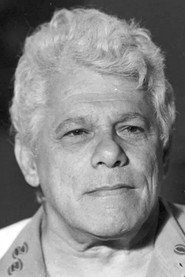 Dionísio AzevedoPadre Olavo
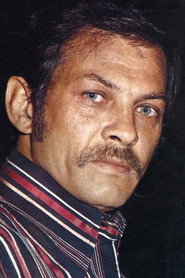 Geraldo del ReyBonitão
 Roberto FerreiraDedé
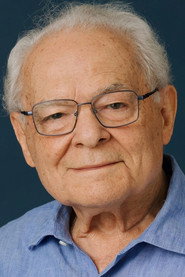 Othon BastosReporter
 Antônio PitangaMestre Coca
- Gilberto MarquesGalego
 Norma BengellMarly
 Jurema PennaZealot
- Milton GaúchoPolicial
- Enoch TorresInspetor
Directing
- Anselmo DuarteDirector
Writing
- Anselmo DuarteScreenplay
- Dias GomesScreenplay
- Dias GomesTheatre Play
Production
- Oswaldo MassainiProducer
- Roberto RibeiroUnit Production Manager
Recommended by
Kings Row, War of the Buttons, Roustabout, Rise of the Phoenix, Always for Pleasure