
Film
Always for Pleasure
- Musical
- Light-hearted
A 58-minute immersion in New Orleans' street music and celebration culture—second-line parades, Mardi Gras, Jazz Fest—shot in 1977. Not a documentary lecture but a sensory experience: you watch the city move, listen to its musicians play, feel the joy that isn't explained but lived. For anyone who's ever felt music as communal ritual rather than entertainment.
If you liked this
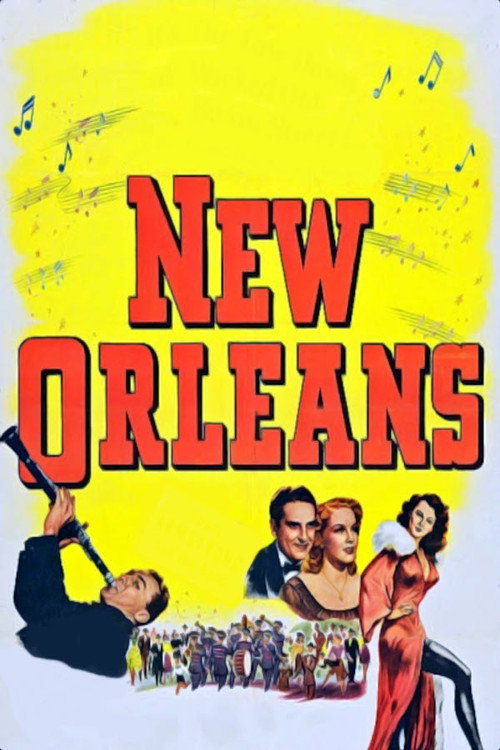
New Orleans1947
Hollywood's attempt to dramatize jazz's birth, but what matters is the music: Billie Holiday, Louis Armstrong, Kid Ory playing themselves. A flawed film made precious by its documentation.
But The plot is saccharine melodrama that keeps interrupting the music you came for. The racial politics are 1947 Hollywood, which means deeply compromised.
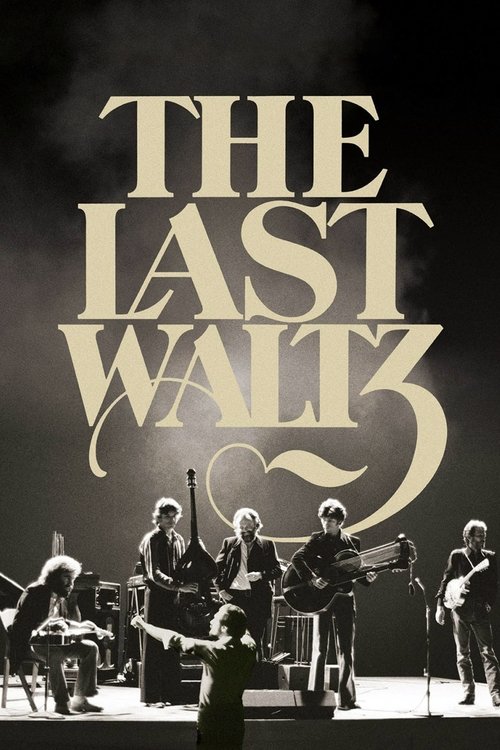
The Last Waltz1978
Scorsese's concert film of The Band's final performance: passionate musicians in the moment, no narrator between you and the music. Shares Always for Pleasure's priority: letting the performance speak.
But Very different music and mood—elegiac rather than celebratory. If you want New Orleans specifically, this is a detour into Americana.
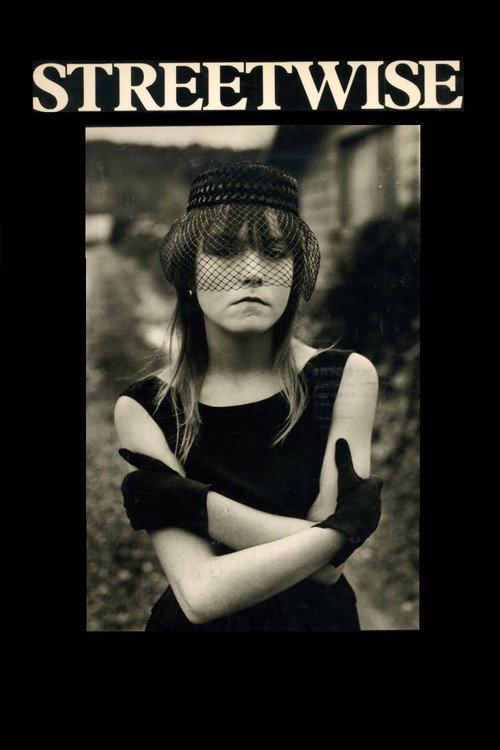
Streetwise1984
Documentary that captures a city's underbelly with the same immersive, non-judgmental eye. Lets the subject breathe rather than explain. Raw and essential urban portraiture.
But Deals with homelessness and exploitation of children. Heavy and sometimes exploitative itself. Very different emotional register from Always for Pleasure.
Not sure tonight? Get a pick in a minute, starting from Always for Pleasure
The wildcard
Something you would not have found on your own.
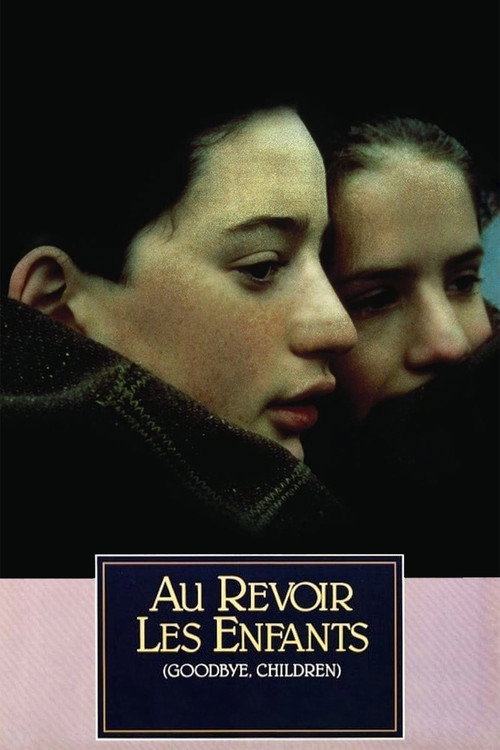
Au Revoir les Enfants1987
Both prioritize lived experience and sensory immersion over narrative structure. Both are directors making personal, unmissable portraits of a specific culture and moment in time.
Memoir of childhood in occupied France told through sensory detail: sounds, light, schoolyard moments. Like Always for Pleasure, it trusts observation over explanation and finds profound meaning in small rituals and community.
But Set in wartime France, not New Orleans at all. Historical and somber rather than celebratory. Requires emotional investment in a completely different story.
More like this (4)
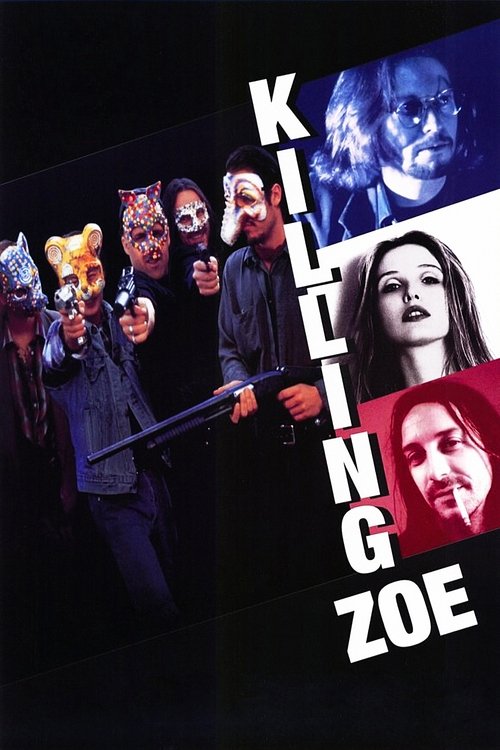
Killing Zoe1993
Stylish thriller that uses New Orleans' visual language and music as atmosphere. Different genre entirely, but it proves the city's aesthetic power beyond documentary.
But Violent heist film that treats the city as noir backdrop rather than living culture. Misses the spirit that animates Always for Pleasure.
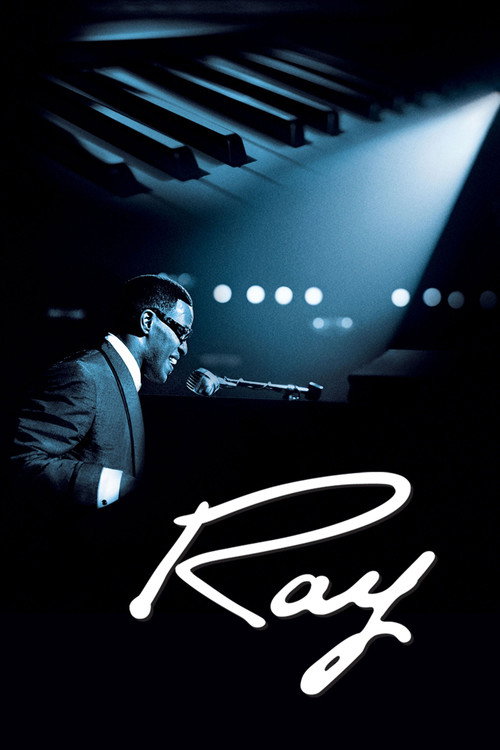
Ray2004
Biopic of Ray Charles captures the connection between Southern music and soul in a way scripted drama can achieve. Strong performances and genuine affection for its subject.
But Conventional biopic structure means it dramatizes rather than documents. Sanitized compared to the raw street footage you've just seen.
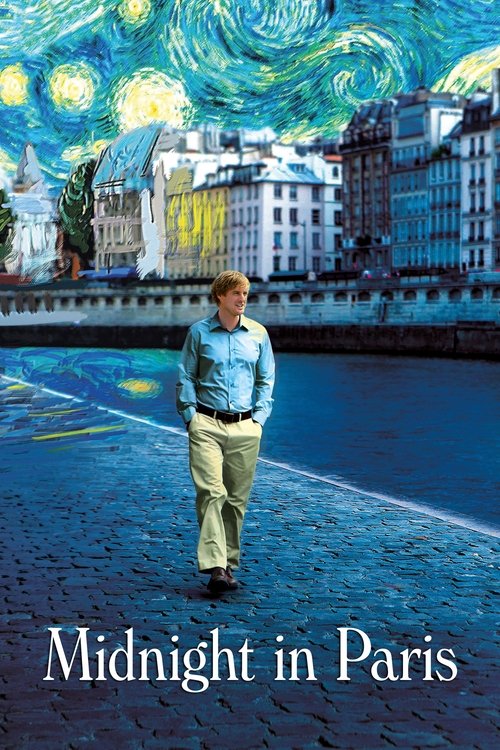
Midnight in Paris2011
Features Cole Porter, Scott Fitzgerald, and jazz-age aesthetics as literal characters. If Always for Pleasure made you nostalgic for a time you didn't live through, this explores that feeling directly.
But Precious and whimsical. Treats the past as fantasy rather than real life lived by real people, which may feel hollow after Blank's documentary honesty.
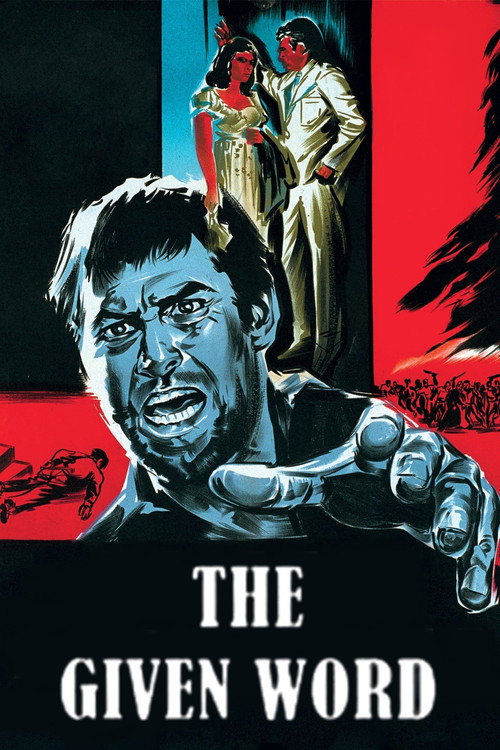
The Given Word1962
Both films find the sacred in street celebration and communal ritual. Both understand that a city's music and movement aren't separate from its soul—they *are* its soul.
Brazilian masterpiece about a man's spiritual devotion during Carnival season. Combines celebration, ritual, and faith the way Always for Pleasure does—the city's pulse is spiritual, not just social.
But In Portuguese with subtitles. Tragic and morally complex rather than joyful. Slow pacing and allegorical rather than documentary realism.
People
Cast
- Kid Thomas ValentineSelf - Band Leader, Trumpet Player
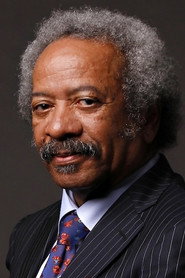 Allen ToussaintSelf - Composer, Arranger, Pianist
- Blue Lu BarkerSelf - Jazz Singer
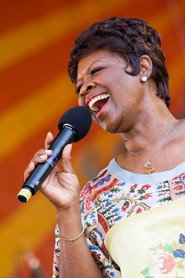 Irma ThomasSelf - R&B Singer
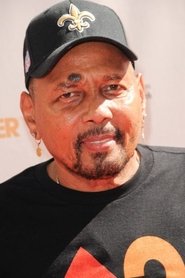 Aaron NevilleSelf - The Neville Brothers
- Art NevilleSelf - The Neville Brothers
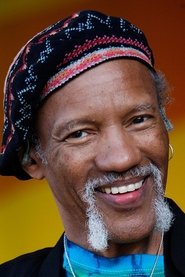 Charles NevilleSelf - The Neville Brothers
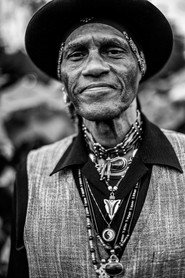 Cyril NevilleSelf - The Neville Brothers
Directing
- Les BlankDirector
Production
- Les BlankProducer
- Maureen GoslingProduction Manager