
Film
Roustabout
A 1964 Elvis vehicle that drops the King into carnival life, all neon lights and minor-key swagger. It's a film more interested in the texture of midway grit than plot—part romance, part showcase for musical numbers that feel genuinely lived-in. For Elvis completists and anyone curious how a superstar's charisma plays against worn-down Americana.
Should you watch it?
Watch it if you enjoy 1960s musicals built around a travelling-show backdrop, where the songs arrive as part of the fun and the rowdy carnival setting does most of the heavy lifting.
Skip it if the story is thin and the songs do most of the work, so if you need a plot that tightens its grip, this will feel slack.
What it asks of you: Just under two hours of breezy, bright material where the songs break up the plot at a relaxed, unhurried pace, with little urgency between numbers.
Not sure? Find tonight's pick in a minute.
If you liked this
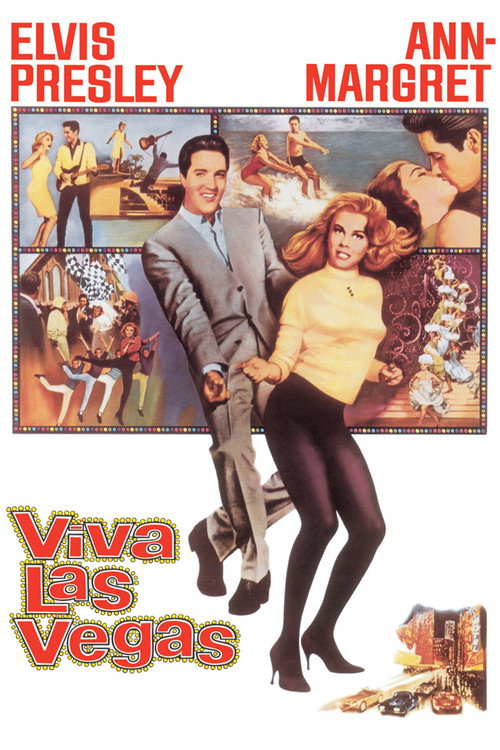
Viva Las Vegas1964
Elvis at full wattage opposite Ann-Margret, with colour cinematography that makes the whole film shimmer. The musical numbers actually move the story, and the chemistry crackles in a way that justifies the production's ambition.
But It's unapologetically a vehicle—there's no pretense at realism, and if you find Elvis's singing in films affected or excessive, this will confirm it.
Singin' in the Rain1952
The template for every movie musical that followed, including Elvis's better vehicles. Gene Kelly, Donald O'Connor, and Debbie Reynolds don't just perform numbers; they move through the story in perfect rhythm, making the whole thing feel inevitable.
But At over two hours, the plot is gossamer-thin. If you want substance to match the spectacle, you'll find yourself waiting between the musical set-pieces.

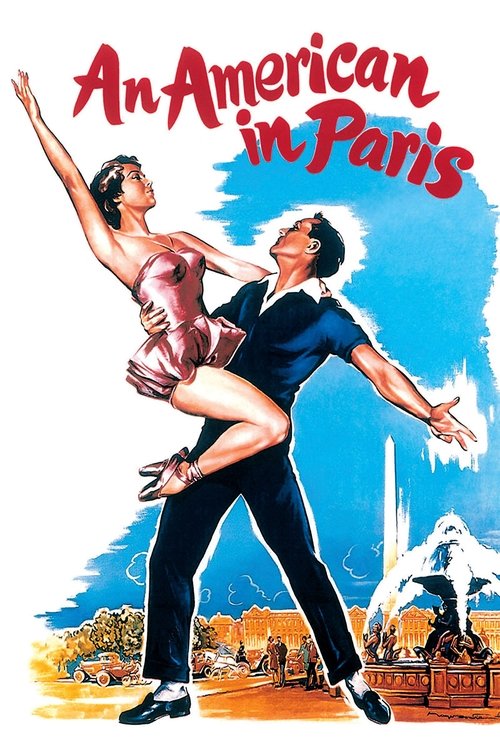
An American in Paris1951
The companion piece to Singin' in the Rain—Minnelli's visual poetry wrapped around Gershwin, with Gene Kelly and Leslie Caron in a romance that actually means something. The climactic ballet is worth the ticket alone.
But The opening twenty minutes are slow, and if you're not moved by dancing or classical music, you may struggle to stay with it.
Not sure tonight? Get a pick in a minute, starting from Roustabout
The wildcard
Something you would not have found on your own.
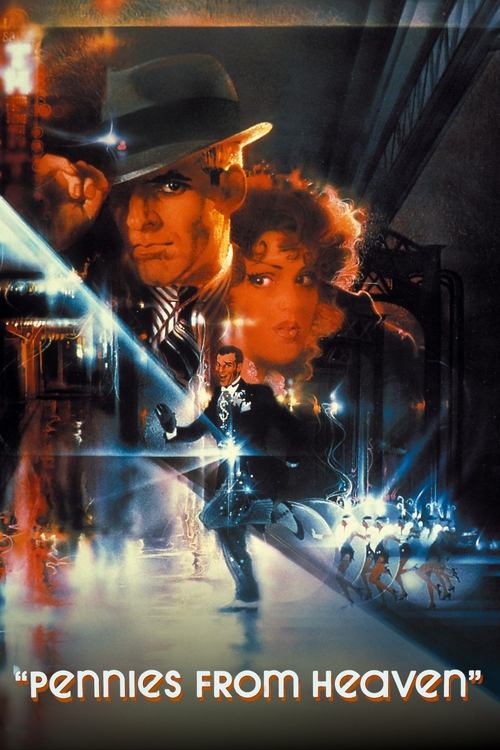
Pennies from Heaven1981
Both use carnival/musical worlds as escape from economic struggle, but Pennies turns that escape inside out—the spectacle becomes commentary on false hope rather than genuine uplift.
Steve Martin as a sheet-music salesman during the Depression, where his interior life erupts into full Hollywood musical numbers—Busby Berkeley fantasies bleeding into grim reality. It's a musical that earns its darkness by juxtaposing song against suffering, glamour against desperation. Heartbreaking and visually audacious.
But It's bleak. The tone whiplash between big production numbers and real human pain is intentional and can feel alienating. Martin plays it straight, which some found unmarketable for a 'comedy' star.
More like this (8)
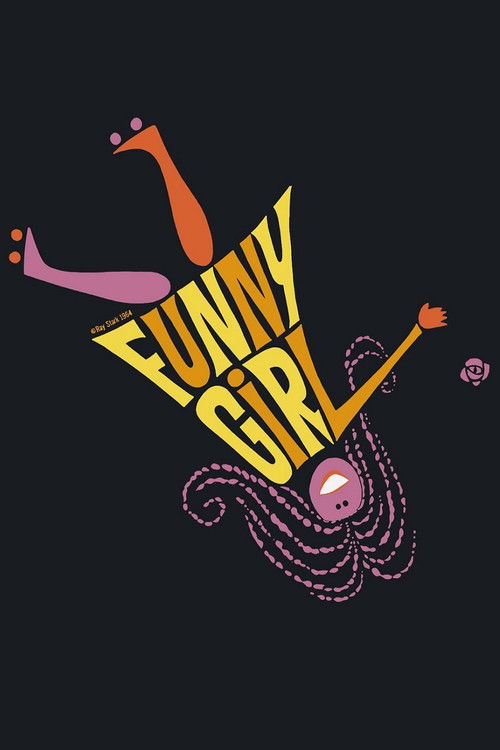
Funny Girl1968
Barbra Streisand in her film debut, playing a real person (Fanny Brice) with grit and humour. The numbers are extraordinary, but they're in service of character, not decoration. You believe her arc.
But It's nearly three hours, the pacing is old-fashioned, and Streisand's voice—while magnificent—is not for everyone.
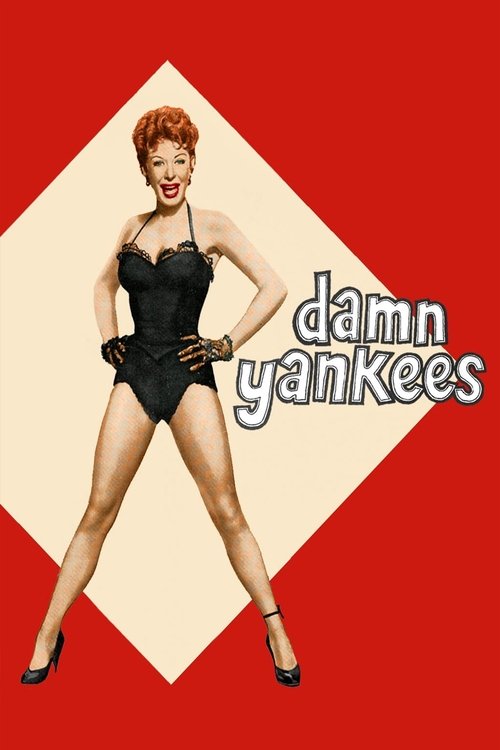
Damn Yankees1958
A baseball-inflected musical that actually earns its stakes. Tab Hunter and Gwen Verdon have real chemistry, the Faustian bargain at its heart lands with genuine weight, and the musical numbers (particularly 'Whatever Lola Wants') are seductive.
But The gender politics are creaky, and if baseball doesn't speak to you, the metaphor may feel thin.
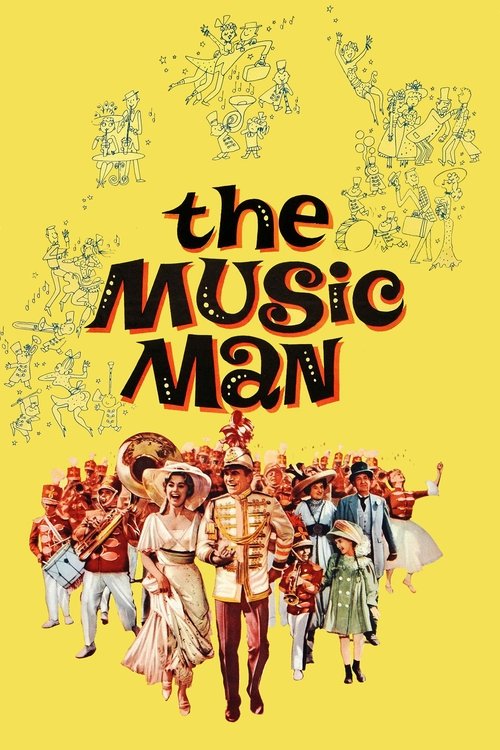
The Music Man1962
Robert Preston in the film version of the stage musical, selling you on a con man's charisma and the redemption he finds in a small Iowa town. The famous '76 Trombones' number is a masterclass in filmmaking, and Preston's performance has genuine warmth beneath the hustle.
But It's deeply of its era—aggressively wholesome, with gender dynamics that are hard to watch now. At two hours forty, it tests patience.
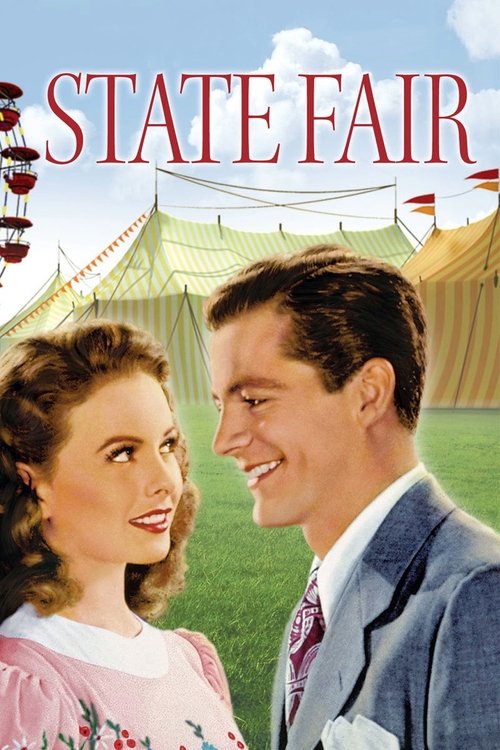
State Fair1945
Rodgers and Hammerstein in a Technicolor carnival setting—so you get that midway atmosphere but with genuine craft. The numbers are integrated beautifully, and there's real tenderness under the bright colours.
But The plot is negligible even by '40s standards, and the film's earnestness about rural values may feel cloying.
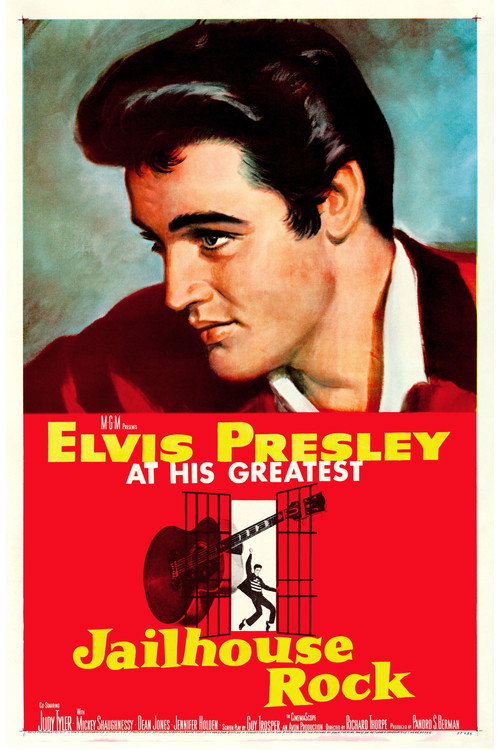
Jailhouse Rock1957
Peak Elvis: charismatic, dangerous, and genuinely compelling as a penniless ex-con climbing out. The title number is a phenomenon of physical cinema. It's brief, confident, and moves like it knows exactly what it is.
But The story is thin and the supporting cast wooden. It's essentially a vehicle for Elvis and the music, nothing more.
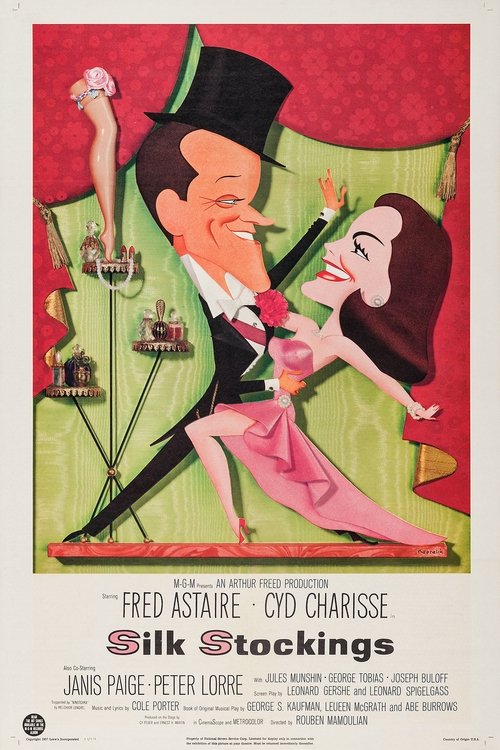
Silk Stockings1957
Fred Astaire and Cyd Charisse in a Cold War romance with a Cole Porter score and real wit. The dancing is pristine and the banter actually makes you smile. It's the kind of musical where plot, romance, and spectacle genuinely align.
But If you don't care about dancing or golden-age Hollywood charm, there's nothing here for you. Also, at two hours, it takes its time.
Killer of Sheep1978
Both films use music and performance to dignify working-class life, but Killer of Sheep finds that dignity in realism and refusal of sentimentality—the inverse of Roustabout's theatrical gloss.
Charles Burnett's quietly devastating portrait of a slaughterhouse worker in Los Angeles, shot in luminous black-and-white. There's music throughout (including soul, blues, and classical tracks), but the 'musicality' is in the visual rhythm and emotional cadence. It's a masterpiece about labour, dignity, and invisible lives.
But No conventional plot. It's a series of scenes, some dialogue barely audible, paced like a poem. If you need narrative momentum or conventional character arcs, this will frustrate you.

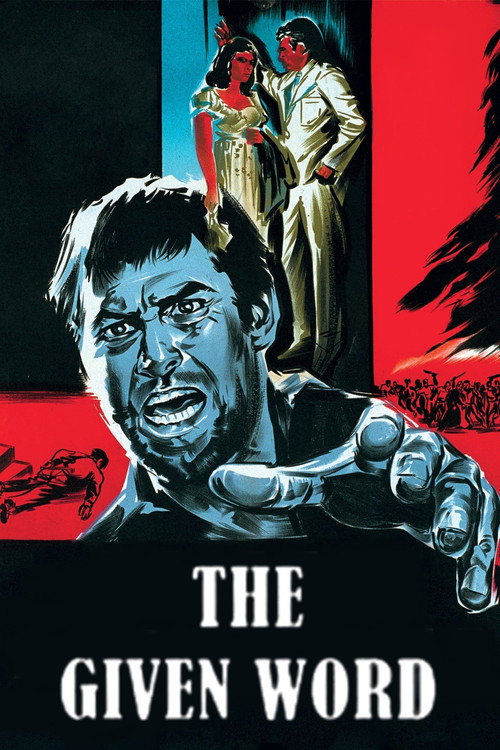
The Given Word1962
Both are carnivalesque—full of crowds, music, performance—but where Roustabout celebrates the hustle and spectacle, O Pagador indicts the machinery that grinds down sincere people within it. Different continents, opposite philosophies.
A Brazilian film about a man who walks to a church carrying a giant cross to fulfil a promise, drawing crowds, officials, and journalists. It's a musical in its bones—alive with Afro-Brazilian music and rhythm—but it's structured as a tragedy. The bureaucracy, the church, the spectators all conspire against his simple faith. Visionary and devastating.
But It's in Portuguese with subtitles, and the pacing is deliberate. It won the Palme d'Or but feels very foreign to American audiences. The ending is bleak.
People
Cast
 Elvis PresleyCharlie Rogers
 Barbara StanwyckMaggie Morgan
 Joan FreemanCathy Lean
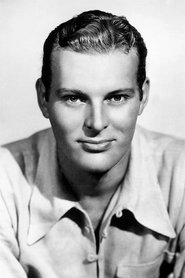 Leif EricksonJoe Lean
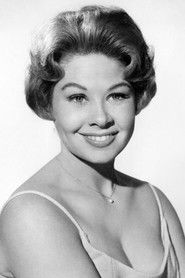 Sue Ane LangdonMadame Mijanou
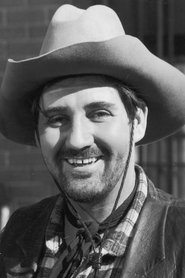 Pat ButtramHarry Carver
 Joan StaleyMarge
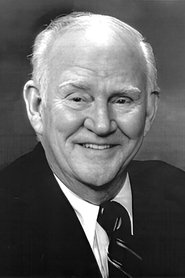 Dabbs GreerArthur Nielsen
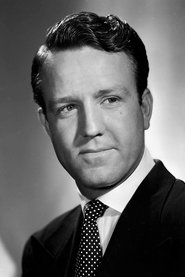 Steve BrodieFred
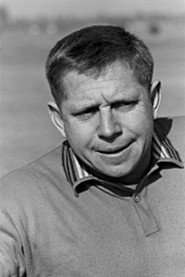
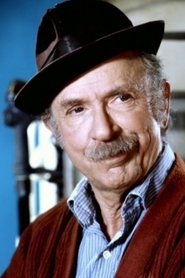
- Jane DuloHazel
Directing
- Michael D. MooreAssistant Director
- John RichDirector
Writing
- Allan WeissScreenplay
- Anthony LawrenceScreenplay
- Allan WeissStory
Production
- Paul NathanAssociate Producer
- Hal B. WallisProducer
Recommended by
The Rose, Follow the Fleet, Viva Las Vegas, Jailhouse Rock, Girl Happy, How to Stuff a Wild Bikini, Clambake, Ski Party, Fireball 500, Speedway, Blue Hawaii, Road to Singapore, Rhinestone, Expresso Bongo, Babes on Broadway, Sextette, Girls! Girls! Girls!, Master of the World, Spinout, Beach Party, Paradise, Hawaiian Style, Fun in Acapulco, Tickle Me, Double Trouble, It Happened at the World's Fair, Harum Scarum, Whoopee!