
Film
It Happened at the World's Fair
- Comedy
- Light-hearted
Elvis in 1963, playing a crop-duster who ends up minding a lost kid at the Seattle World's Fair while his buddy gambles. It's a vehicle first and foremost—plot is thin, excuses to sing are thick—but it captures something specific about mid-century Hollywood's idea of harmless charm. Lightweight, colourful, made for people who just want to hear Elvis sing and watch him be decent to a child.
If you liked this
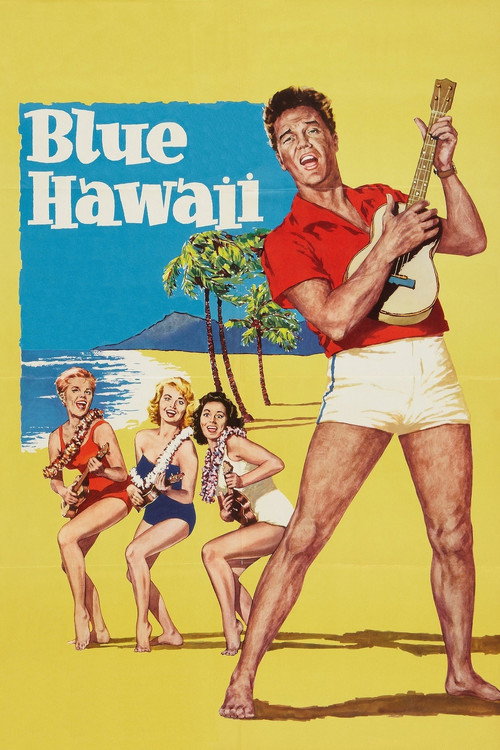
Blue Hawaii1961
Elvis in Hawaii doing much the same thing: playing a likeable drifter, singing well, surrounded by women, photographed in Technicolor so vivid it hurts. If you liked the setup here, this one refines it.
But The plot is even thinner, and the view of Hawaii as a playground for American men has aged awkwardly. Also, it's almost two hours.
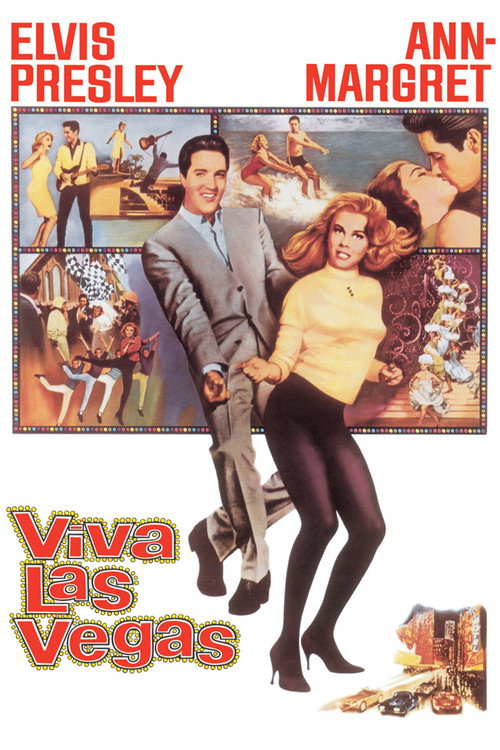
Viva Las Vegas1964
Elvis and Ann-Margret, genuine chemistry, genuinely good songs ('Viva Las Vegas' is a stone classic), and the film actually moves. Best of his vehicles, made just after this one, using everything he'd learned.
But You have to sit through a lot of racing-car subplot and some uncomfortable racial staging to get to the music.
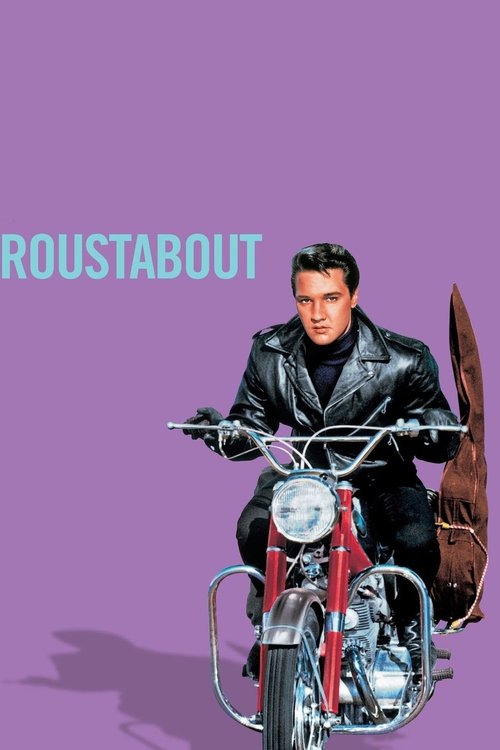
Roustabout1964
Elvis joins a travelling carnival; it has the same picaresque structure, the same 'Elvis drifts through colourful settings' appeal, with better songs and a genuinely touching Barbara Stanwyck subplot about loss and connection.
But The carnival setting means a lot of minor characters and subplots. It can feel scattered if you're looking for focus.
Not sure tonight? Get a pick in a minute, starting from It Happened at the World's Fair
The wildcard
Something you would not have found on your own.
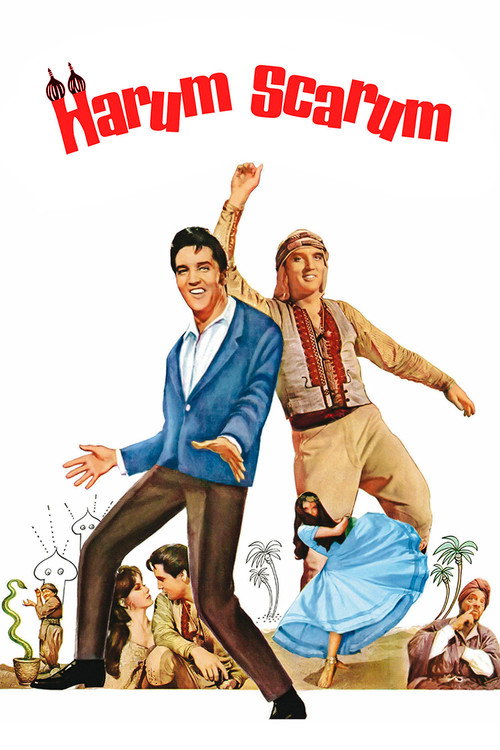
Harum Scarum1965
Both are thin-plot films where Elvis drifts through a colourful, artificial landscape playing a version of himself. But World's Fair is designed as comfort; Harum Scarum is designed as derangement. Same machine running backward.
Elvis as an American movie star kidnapped by a harem and thrust into an Arabian Nights fantasy of his own making. It's genuinely hallucinatory—the plot makes no sense, the tone is untethered, the songs are strange. Elvis's vehicles were often sleepwalks, but this one stumbled into fever dream.
But It's incoherent by design. Scenes don't follow logically, the setting keeps shifting, and what passes for story dissolves constantly. It's not incompetence—it's something weirder.
More like this (8)
Singin' in the Rain1952
The DNA of this whole genre: a musical where the plot is afterthought and the joy is the performance, the colour, the confidence. Gene Kelly and Donald O'Connor dancing through a flimsy Hollywood story. This is what it's imitating.
But It moves fast and assumes you're happy with that. No character depth, just brilliance. If you need emotional stakes, look elsewhere.

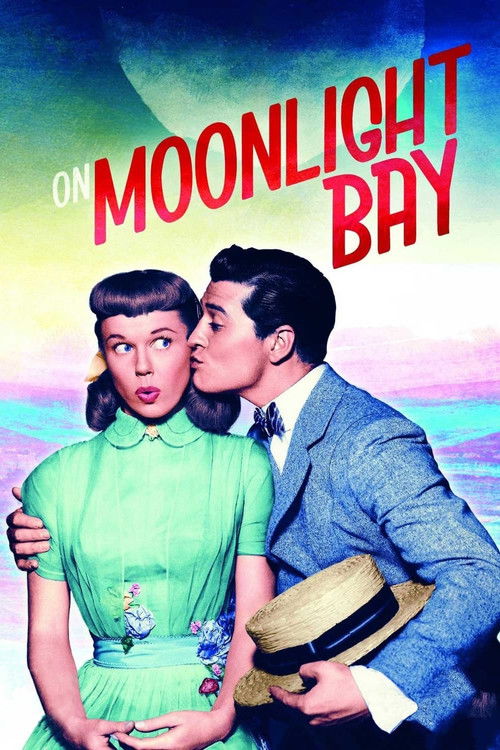
On Moonlight Bay1951
Doris Day and Gordon MacRae in a sweet, nearly plotless musical romance set at a World's Fair-adjacent turn-of-the-century small town. Same DNA—charm, songs, period colour, the lightest possible touch.
But Genuinely creaky by modern standards. The gender politics are soft but present, and the sentimentality goes unchallenged.
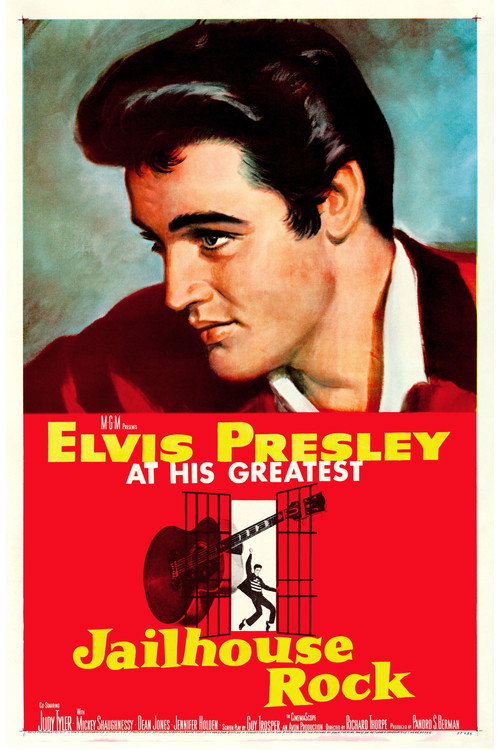
Jailhouse Rock1957
Elvis at the start of his film career, still hungry, still dangerous-adjacent. It's a proper musical where the songs are tied to story and his charisma hasn't yet turned to amiability.
But Much grittier than World's Fair—if you came for the lightweight charm, this is harder-edged and will feel like a different film.
Breakfast at Tiffany's1961
Another 1960s film about a beautiful, rootless person drifting through a big city, except it's Audrey Hepburn being brilliantly bohemian. It's weightless and perfectly crafted, all mood and style.
But It's deeply melancholic under the glamour—not what you want if you're after straightforward charm and happiness.

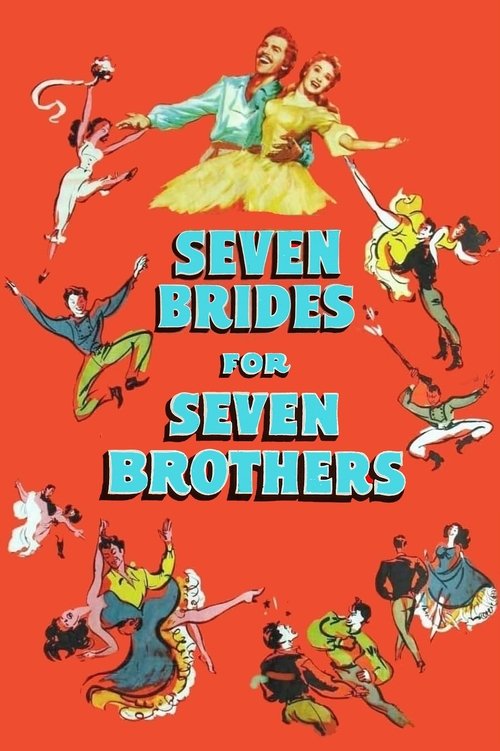
Seven Brides for Seven Brothers1954
A musical with thin plot, strong performances, genuinely great songs, and a sense of fun that feels earned. The barn dance sequence alone justifies it. Made just a few years before World's Fair, it shows how good this formula could be.
But The gender politics are even rougher than World's Fair. The 'abduction' subplot does not age well, and it's not played ironically.
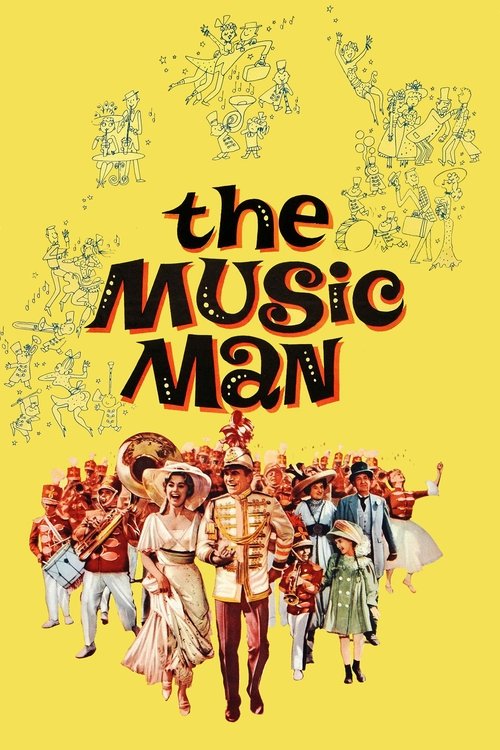
The Music Man1962
Robert Preston leading a travelling salesman through a small town, charming everyone. The songs are infectious, the optimism is genuine, the Technicolor is gorgeous. A masterclass in the American musical at its most confident.
But Runs two and a quarter hours and trusts its own sweetness completely. If you find that cloying, there's nothing else to hold on to.
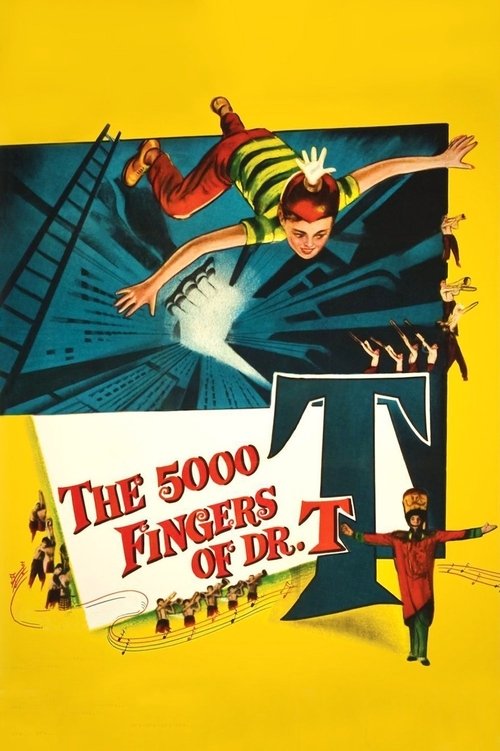
The 5,000 Fingers of Dr. T.1953
Both are 1950s/early 60s colour films built around a child being central to the story, but where World's Fair is reassurance (Elvis will look after her), Fingers is a child's nightmare made solid. Same setting type—artificial, constructed spaces—used for opposite moods.
Dr. Seuss's only live-action film, a fever dream about a boy trapped in his piano teacher's fantastic castle. It's colourful, surreal, scored throughout, utterly committed to its strangeness. The production design alone is astonishing—it looks like reality melting.
But It's genuinely unsettling beneath the whimsy. The logic is dreamlike, the villain is creepy, and the whole thing feels off-kilter in ways you won't forget.
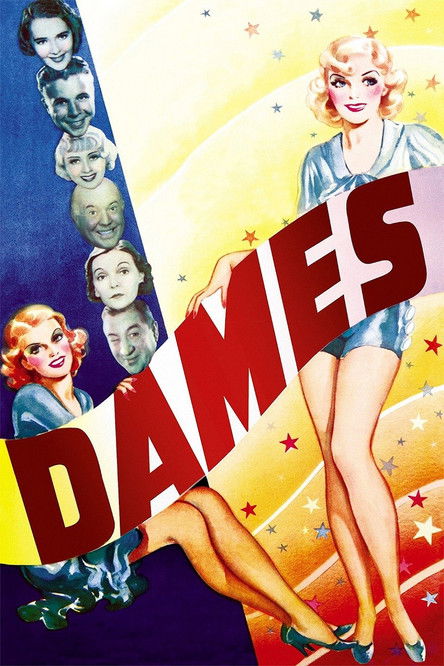
Dames1934
Both are plot-as-excuse vehicles, but Dames shows you the origin: the musical number as the film's real subject. World's Fair is descended from this but has softened it into something safe. Dames still has teeth.
Pre-code Warner Brothers, Busby Berkeley directing, tap-dancing as hallucination. A backstage plot so thin you can see through it, but the musical numbers are apocalyptic—thousands of dancers forming shapes, logic abandoned for pure visual spectacle. This is what all later musicals learned from.
But It's seventy years older than World's Fair and looks it. Black and white, jerky cuts, and the plot genuinely doesn't matter in ways that might frustrate you.
People
Cast
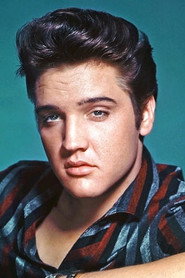 Elvis PresleyMike Edwards
 Joan O'BrienDiane Warren
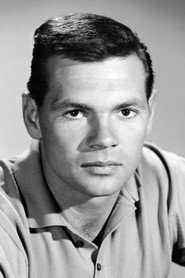 Gary LockwoodDanny Burke
 Vicky TiuSue-Lin
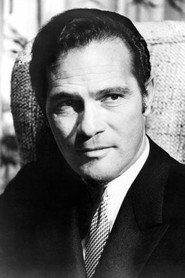 H.M. WynantVince Bradley
 Edith AtwaterMiss Steuben
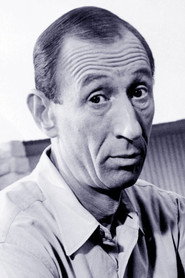 Guy RaymondBarney Thatcher
 Dorothy GreenMiss Ettinger
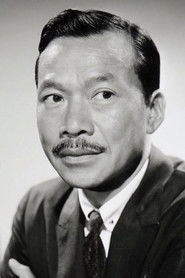 Kam TongUncle Walter Ling
 Yvonne CraigDorothy Johnson
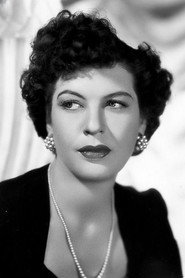 Jacqueline deWitMrs. Johnson (uncredited)
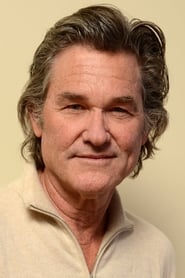 Kurt RussellChild who kicks Mike at the fair (uncredited)
Directing
- Al JenningsAssistant Director
- Norman TaurogDirector
Writing
- Seaman JacobsWriter
- Si RoseWriter