
Film
On Moonlight Bay
- Romantic comedy
- Light-hearted
A 1951 Technicolor musical romance where Doris Day's spirited tomboy falls for Gordon MacRae's idealistic next-door neighbor in small-town Indiana. It's a sun-dappled, ebullient thing—all bright colors, perfectly timed comedy, and the kind of effortless charm that makes you want to move to a porch swing era. For anyone who loves old Hollywood's warmth without needing it to be cynical about itself.
Should you watch it?
Watch it if you love small-town musicals where the romance is light, the songs feel warm and sunny, and the charm comes from sweet, bantering young love rather than big plot machinery.
Skip it if you want a sharp, modern comedy or a film with real stakes, since its conflicts are gentle domestic squabbles and its humour is mild, old-fashioned, and sometimes creaky.
What it asks of you: It runs about an hour and a half at an easygoing pace, asking you to settle into a sunny, nostalgic world and enjoy small moments rather than follow anything intricate.
Not sure? Find tonight's pick in a minute.
If you liked this
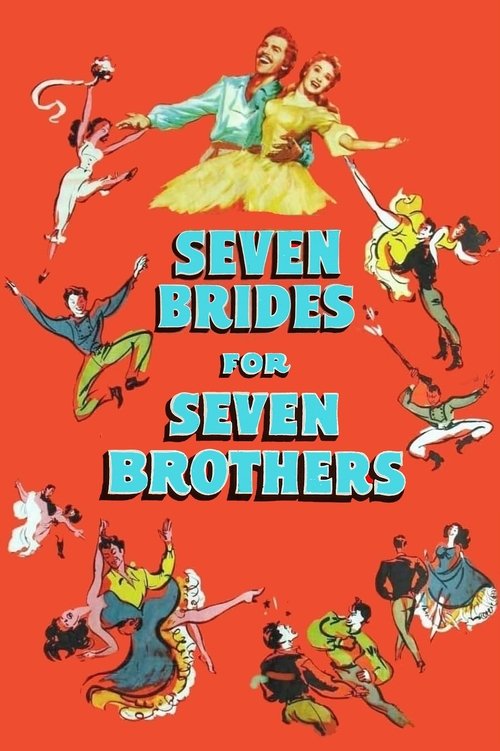
Seven Brides for Seven Brothers1954
A musical that matches *Moonlight Bay*'s infectious joy and physical comedy, with dance numbers that burst out of nowhere and a plot about civilizing rough men through love and song. The energy is irresistible.
But The gender dynamics are very 1950s, and the film moves at a pace that can feel glacial if you're not in the mood for leisurely romantic buildup.
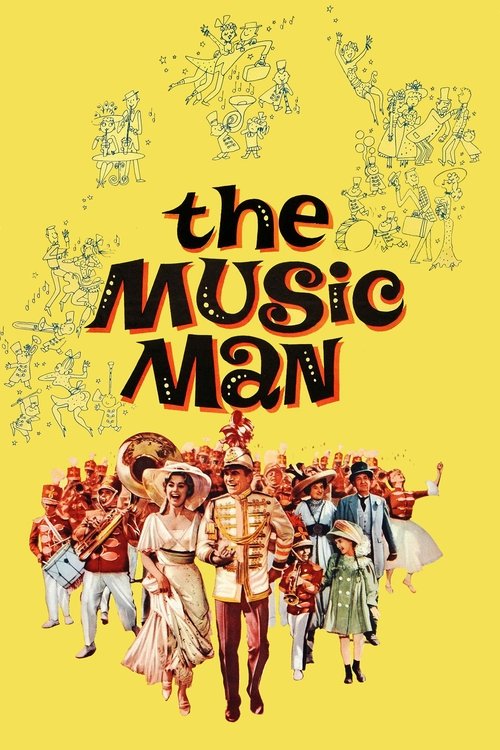
The Music Man1962
A musical that shares the small-town setting, period charm, and that specific American optimism. It's got the same faith in romance, community, and the transformative power of song without irony or apology.
But It's nearly two-and-a-half hours of talky setup before the real music begins. If you want constant movement and dancing, you'll wait a while.
It Happened One Night1934
The template for romantic comedies about spirited women refusing to be refined. It's faster, snappier, and infinitely clever—proof that the same dynamic can work with screwball energy instead of musical sweetness.
But Black-and-white and pre-code scrambling might feel primitive compared to Technicolor's lush comfort. The pacing assumes you're paying close attention.

Not sure tonight? Get a pick in a minute, starting from On Moonlight Bay
The wildcard
Something you would not have found on your own.
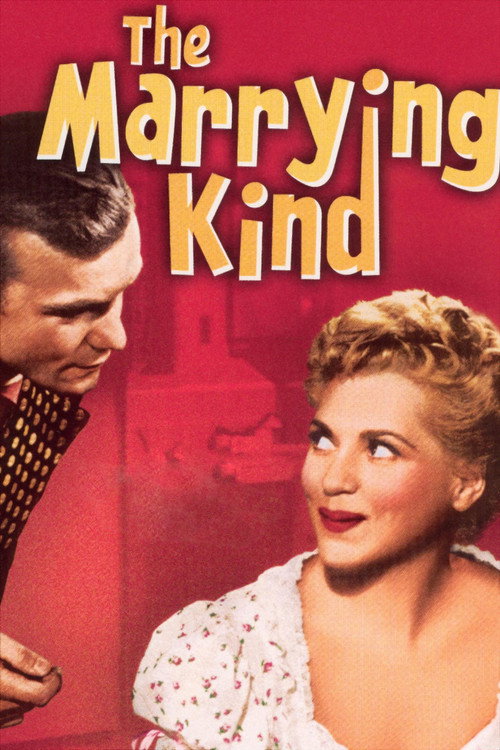
The Marrying Kind1952
Both are about young couples finding love in 1950s America, but *The Marrying Kind* deconstructs the very happiness *Moonlight Bay* celebrates—same yearning, opposite mirror.
Holden and Colbert as a married couple fighting in divorce court, flashing back through their relationship's best and worst moments. It's about the same people as *Moonlight Bay*—romantic, optimistic—but sees what happens after the credits roll and the real friction begins.
But It abandons the musical and the Technicolor escapism entirely. The tone is often painful and deliberately unglamorous about marriage. You need to want the truth more than the fantasy.
More like this (8)
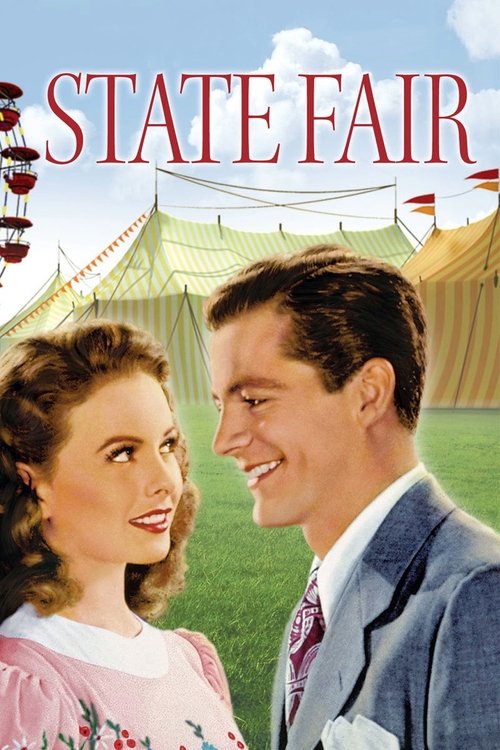
State Fair1945
Another Rodgers and Hammerstein Americana musical with youth, romance, and Technicolor at full saturation. It has the same gentle collision between convention and youthful desire, just at a county fair instead of the suburbs.
But The plotting is thin and the sentiment can curdle fast if you're watching at arm's length. It asks for your patience and your willingness to feel sentimental.
Singin' in the Rain1952
A musical so purely joyful it could make a stone smile. If you love *Moonlight Bay*'s lightness and charm, this is the masterclass version—better dancing, sharper comedy, more inventive numbers.
But It's more ambitious and demanding than *Moonlight Bay*. The tone is snappier, the humor sharper. It requires you to love Gene Kelly's relentless charm, which not everyone does.

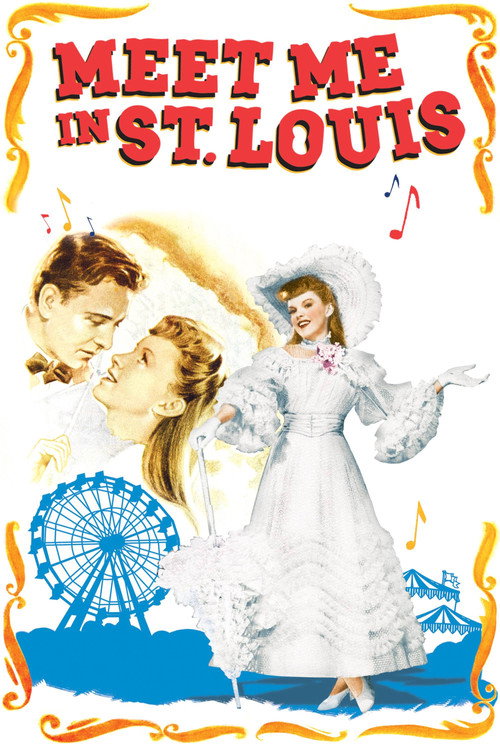
Meet Me in St. Louis1944
Judy Garland in another turn-of-the-century American romance with period detail and a real emotional core beneath the whimsy. It's got genuine melancholy alongside the musical numbers and family warmth.
But It's slower and more introspective than *Moonlight Bay*, with darker moments. If you want lightness throughout, the World's Fair sequence doesn't come soon enough.
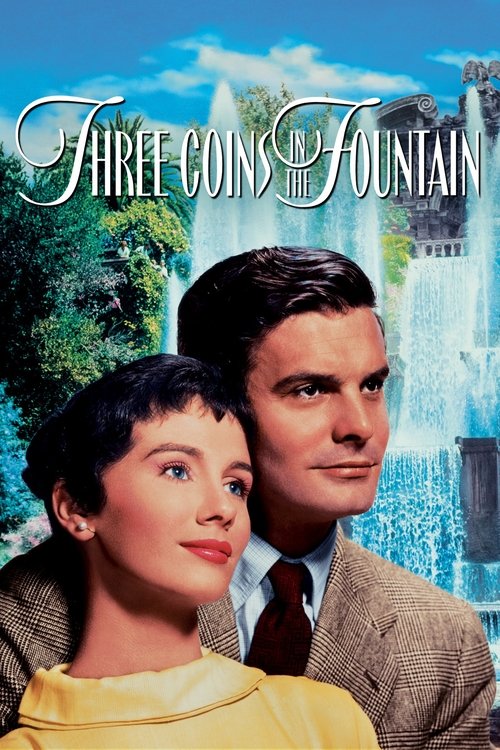
Three Coins in the Fountain1954
A romantic ensemble film with the same Technicolor gloss and effortless charm, following three American women in Rome. It's got period romance, beautiful cinematography, and a similar faith in happy endings and chance meetings.
But The plot is thinner than tissue paper and the characterization minimal. You're watching for the locations and the charm, not the story—which might not be enough.
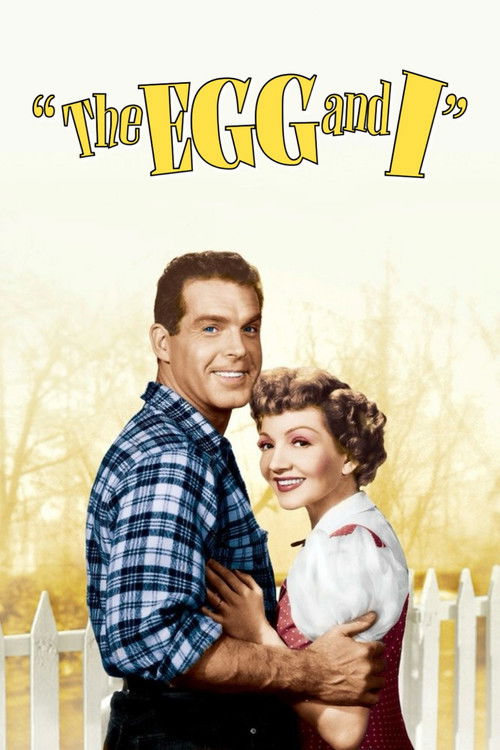
The Egg and I1947
Claudette Colbert as a strong-willed woman adjusting to marriage and rural life. It's got similar themes about love requiring compromise, though with more friction and heat than *Moonlight Bay*'s gentle bumping.
But The humor is broader and sometimes lands badly by modern standards. The dynamic between the leads can feel closer to bickering than romance.
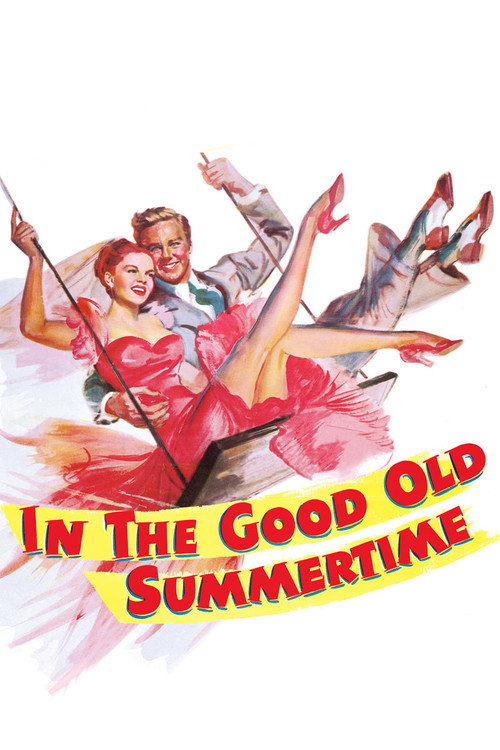
In the Good Old Summertime1949
Judy Garland and Van Johnson in a musical about pen pals falling in love without knowing each other's identities. It's intimate, charming, and suffused with period warmth and some genuinely lovely songs.
But It's episodic and doesn't always cohere. There are stretches that feel like padding between musical numbers, and the plot hinges on a coincidence you'll see coming from miles away.
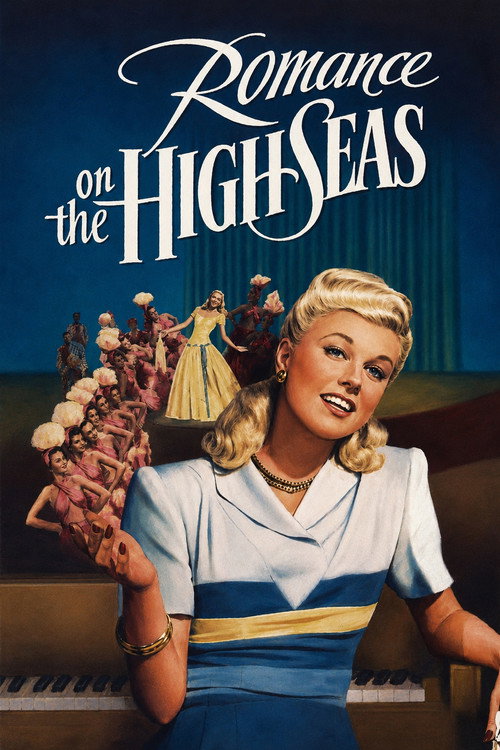
Romance on the High Seas1948
The same star, the same era's Technicolor and musical conventions, but with different writers and directors—a chance to see how much Day herself brings to the charm.
Doris Day's film debut—a lavish Technicolor musical with the same sunny energy and romantic plot, but more sophisticated comedy and better musical numbers. You get to see the performer before she became an icon.
But It's not as innocent or simple as *Moonlight Bay*. The humor is faster and the plot more convoluted. If you love *Moonlight Bay* for its straightforwardness, this will feel fussier.
Umberto D.1952
Both are from 1952 and built on faith in ordinary love—but *Moonlight Bay* is that love celebrated in Technicolor abundance, while *Umberto D.* shows love persisting in scarcity and decline. Different registers, same core belief.
An Italian neorealist film about an elderly pensioner and his dog struggling through post-war Rome. It's the exact opposite of *Moonlight Bay*—austere, humanist, about love persisting through hardship and humiliation, not courtship and dancing.
But It's in Italian with subtitles, shot in bleak black-and-white, and deliberately slow. There's no music, no romance as a solution, no happy ending. It will test your patience and your heart.

People
Cast
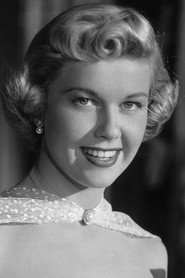 Doris DayMarjorie 'Marjie' Winfield
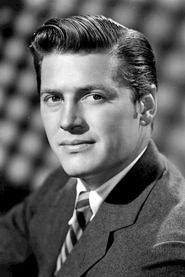 Gordon MacRaeWilliam 'Bill' Sherman
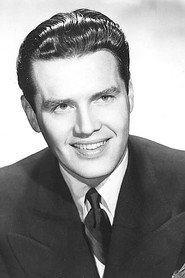 Jack SmithHubert Wakely
 Leon AmesGeorge Winfield
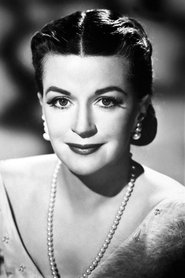 Rosemary DeCampAlice Winfield
 Mary WickesStella
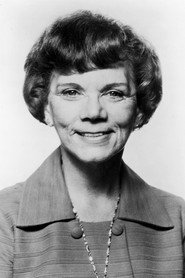 Ellen CorbyMiss Mary Stevens
 Billy GrayWesley Winfield
- Henry EastDoughboy by Train
- Jeffrey StevensJim Sherman
 Eddie MarrContest Barker
Directing
- Roy Del RuthDirector
Writing
- Jack RoseScreenplay
- Melville ShavelsonScreenplay
- Booth TarkingtonStory
Production
- William JacobsProducer