
Film
My Childhood
- Drama
- Slow-burning
Bill Douglas's debut is a crystalline memory of childhood poverty in 1940s Scotland—47 minutes of sensory detail and quiet devastation. Shot in silvery black-and-white, it moves without plot, accumulating moments of shame, hunger, tenderness, and small rebellion. For anyone moved by the textures of working-class life or filmmaking that trusts the viewer completely.
If you liked this
Kes1970
A Yorkshire boy and his hawk offered genuine escape from brutality and neglect. Like Douglas, Loach finds poetry in working-class struggle and a child's small acts of grace and defiance.
But Over 50 years old and deliberately paced. The film moves with the bird's rhythms, not plot momentum, which can feel slow if you're watching for story.

Come and See1985
A Soviet boy conscripted into WWII experiences trauma and disillusionment with unflinching clarity. Both films use children's eyes to show how poverty and violence strip away innocence.
But Intensely brutal and bleak—one of cinema's most harrowing films. It's not difficult in an arty way; it's difficult because it's true.

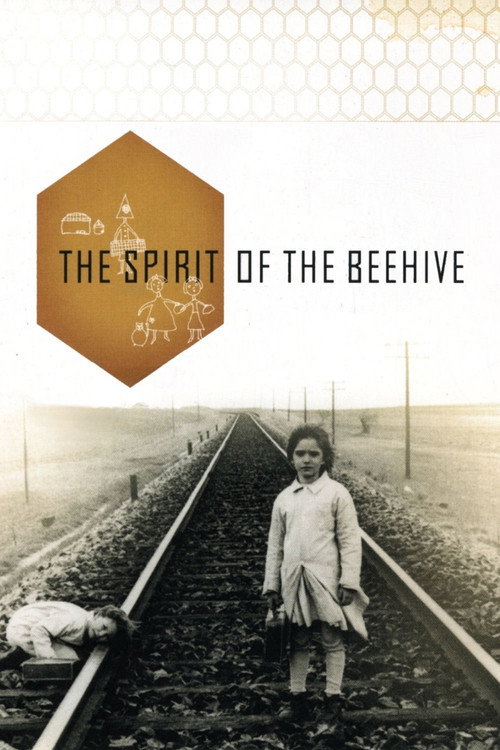
The Spirit of the Beehive1973
Spanish cinema's masterpiece of childhood memory and isolation. A girl in post-Civil War Spain constructs her own world through cinema and imagination—same escape, different war, same ache.
But Sparse and contemplative. If you need plot propulsion or clear narrative, this will feel like watching grass grow, beautifully.
Not sure tonight? Get a pick in a minute, starting from My Childhood
The wildcard
Something you would not have found on your own.
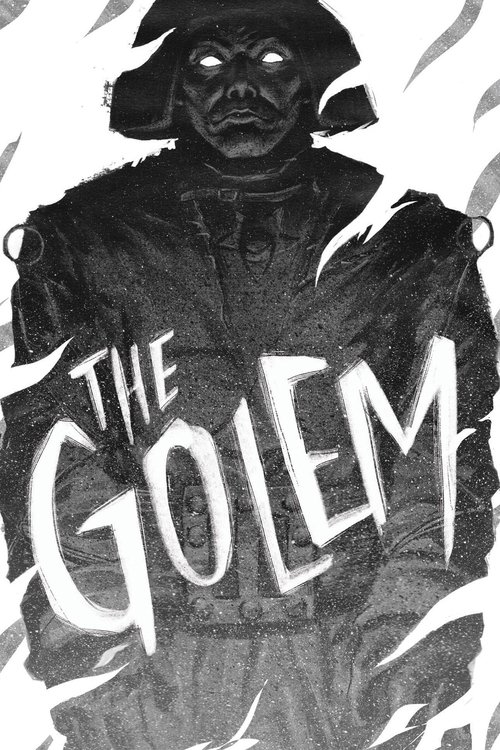
The Golem: How He Came into the World1920
Both films are about powerlessness and protection through visual abstraction rather than narrative explanation. Where Douglas strips away story to find truth, the Golem strips away realism to find myth. Same sculptural approach to form.
German Expressionist horror shot in shadow and geometry, about an outsider created to protect a community. Silent film as pure visual language—the same trust in image over word that defines Douglas's method.
But A 104-year-old horror film in stuttering black-and-white. No dialogue, plot moves in fairy-tale logic, not realism. Requires patience for a wholly different cinema.
More like this (8)
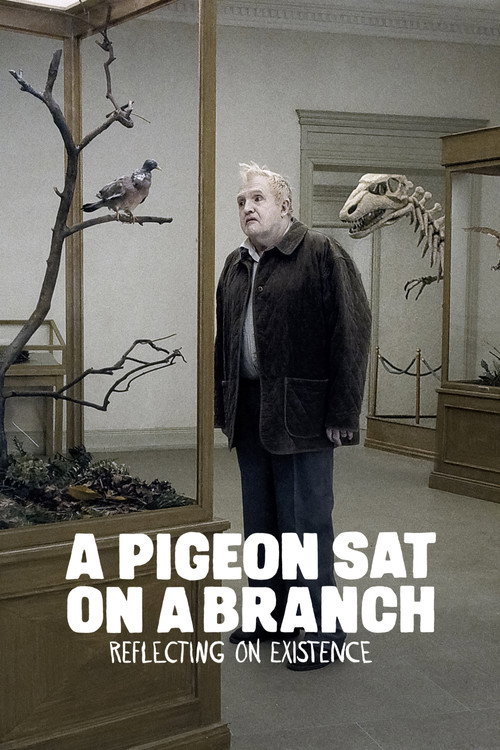
A Pigeon Sat on a Branch Reflecting on Existence2014
Malick-adjacent meditation on time, memory, and small lives. Rooted in Swedish working-class experience with the same patience for detail and visual poetry Douglas brought to Scotland.
But Wilfully strange and structureless. Not a story, more like standing still and letting life happen around you for 101 minutes.
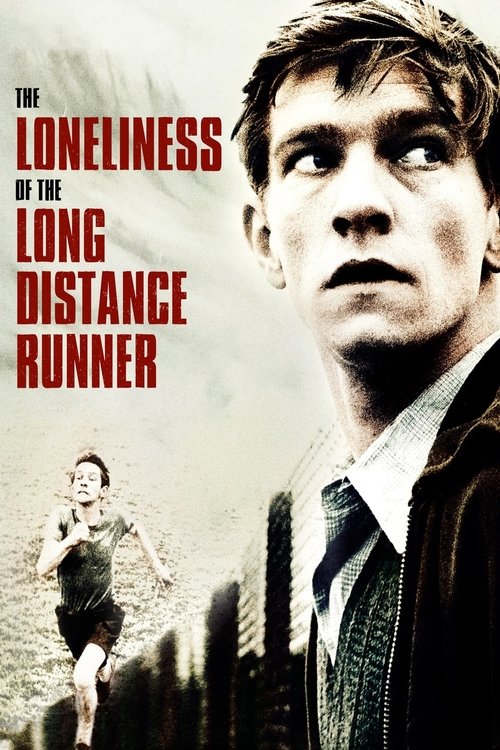
The Loneliness of the Long Distance Runner1962
A young man in a borstal finds running as solitary resistance. Captures that same Douglas quality: working-class rebellion, the body as site of truth, cinema as mirror.
But Sixties social-problem film in style; the political messaging can overshadow the character's interior life for modern viewers.
Stalker1979
Andrei Rublev but for the soul of searching. Long, meditative, about yearning and the spaces between words. The visual language and spiritual hunger align with Douglas's sensibility.
But Soviet sci-fi philosophy film, 163 minutes, almost no conventional plot. Requires the kind of surrender Douglas demands but harder.

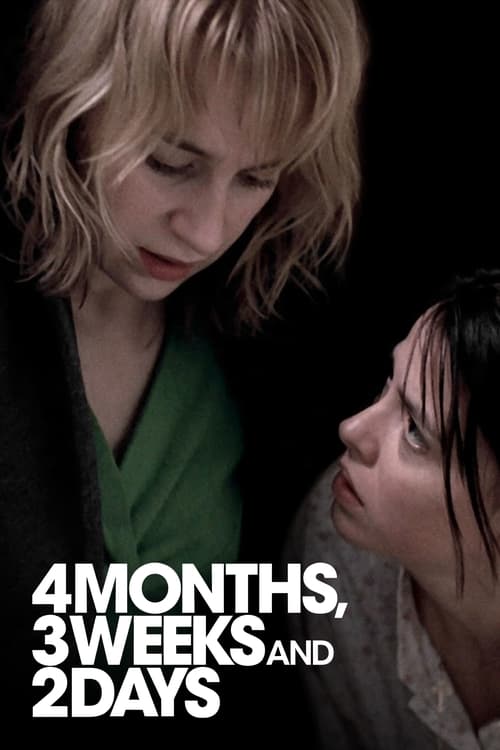
4 Months, 3 Weeks and 2 Days2007
Romanian minimalism documenting a friendship during Communist repression. Faces, rooms, duration—the same aesthetic discipline and moral weight as Douglas, but in close-up.
But Deliberately unglamorous and punishing. A 49-minute abortion-access film shot in long takes; not easy viewing, though crucial.
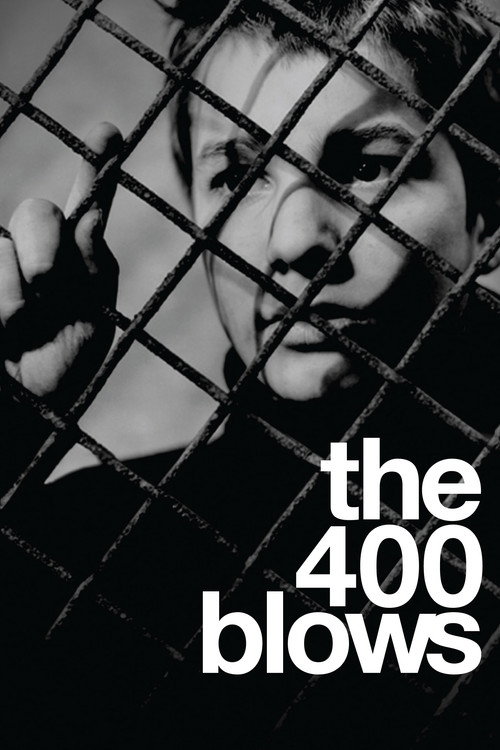
The 400 Blows1959
Truffaut's Paris street child fleeing institutional cruelty. Where Douglas is inner life, Truffaut is motion and escape; both love cinema as salvation and boys as vessels of truth.
But More plot-driven and romantic about childhood than Douglas. If you want something equally poetic but less austere, yes; if you want Douglas's coldness, this will feel softer.
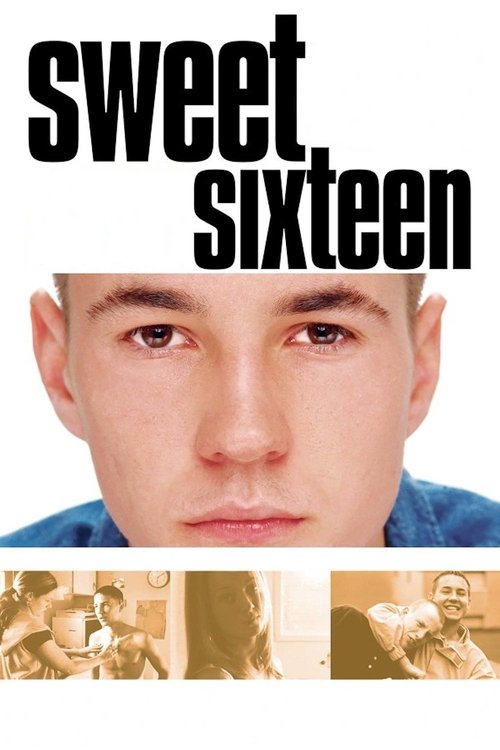
Sweet Sixteen2002
Ken Loach again, Scottish working-class rage. A different decade and different form—rougher, angrier—but the same documentary eye on lives the system doesn't see.
But Contemporary British social realism; feels period-bound to early-2000s indie cinema. Less formally inventive than Douglas, more didactic.
In the Mood for Love2000
Both filmmakers understand that what matters is invisible—longing, class, the weight of circumstance—and both use cinema's formal language to make the invisible visible. One uses poverty and grey light; the other uses colour and withholding. Opposite temperatures, same spiritual project.
Wong Kar-wai's Hong Kong melodrama uses color, production design, and duration to render interior feeling. Like Douglas but inverted: baroque where he's stark, abundant where he's sparse, but identically committed to mood over plot.
But Two hours of two people not touching in an apartment building. If you need plot or action, this is the opposite of what you want. Also utterly different cultural register.

Jeanne Dielman, 23, quai du Commerce, 1080 Bruxelles1976
Both are films that insist on duration and detail as moral choice—that watching someone's ordinary life unfold in real time is an act of respect and truth-telling. Douglas documents poverty, Akerman documents invisible domestic work, but both refuse to dramatise or prettify. Both demand you sit with discomfort as a form of attention.
Chantal Akerman's three-hour structural film about a woman's domestic routine. Repetition, duration, the camera as witness to invisible labour. An assault on conventional cinema that shares Douglas's refusal to make suffering entertaining.
But Three hours of a woman cooking and cleaning. No music, no emotional music, minimal editing. Tests whether you can find meaning in quotidian repetition. Many people cannot and will not.

People
Cast
 Stephen ArchibaldJamie
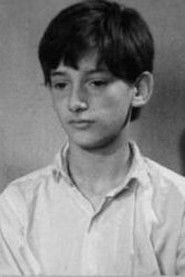 Hughie RestorickTommy
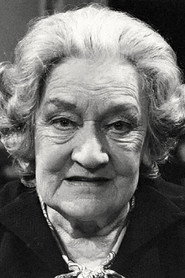 Jean Taylor SmithGrandmother
- Karl FieselerHelmuth
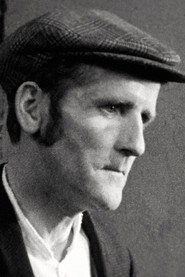 Bernard McKennaTommy's father
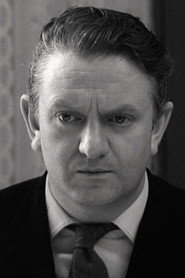 Paul KermackJamie's father
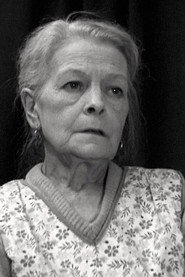 Helena GloagFather's mother
- Ann SmithJamie's mother
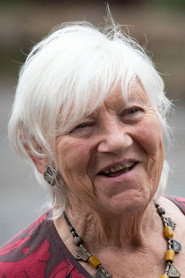 Eileen McCallumNurse
- Helen RaeBus conductress
- James EcclesMan singing