
Film
The Gladiators
A 1969 Swedish science fiction film imagining a future where superpowers resolve conflicts through controlled combat tournaments instead of warfare. Cerebral and austere, it treats this premise with deadly seriousness—no action spectacle, just cold strategic thinking and the moral weight of ritualized violence. For viewers interested in how sci-fi grapples with power, restraint, and the psychology of competition.
If you liked this
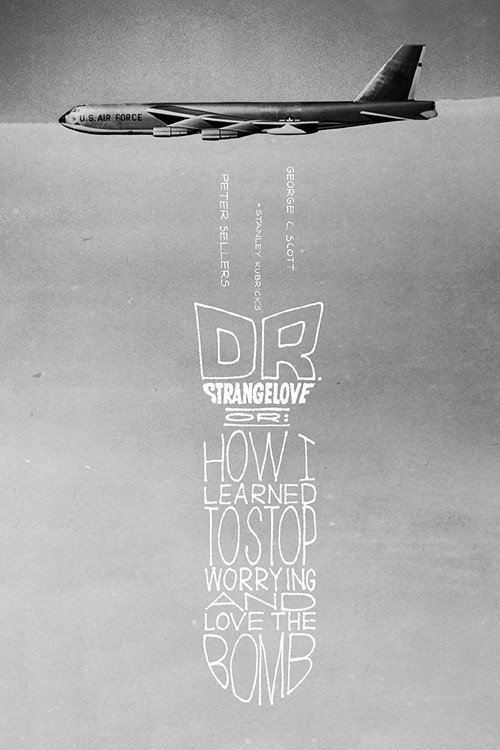
Dr. Strangelove or: How I Learned to Stop Worrying and Love the Bomb1964
Kubrick's masterpiece about nuclear deterrence and the absurdity of military logic. Like The Gladiators, it finds dark comedy in the contradiction between rational systems and human irrationality—but swings wildly between tones.
But The satire is heavily laid on; some find it dated or prefer subtlety. It's also American Cold War gallows humour, which lands differently than Scandinavian sobriety.
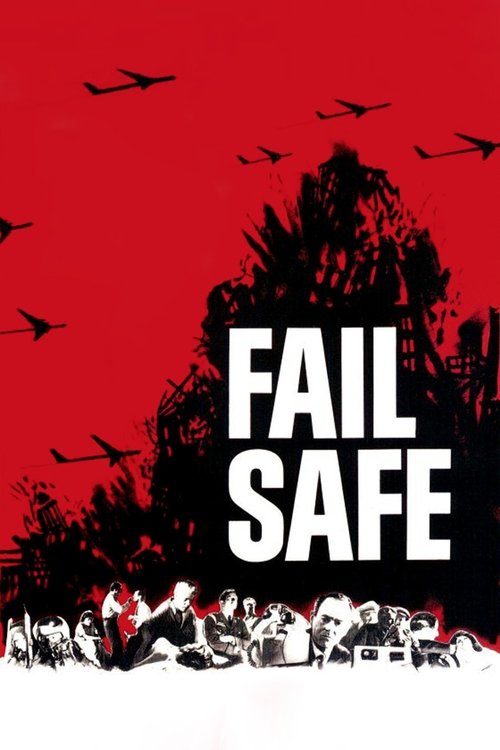
Fail Safe1964
Spielberg's tense procedural about nuclear escalation, built entirely on rational actors following protocol into catastrophe. It shares The Gladiators' interest in systems designed to prevent war actually precipitating it.
But Deliberately grim and airless. There's no relief, no humour, no heroism—just the logic of disaster unfolding. Some find it exhausting rather than gripping.
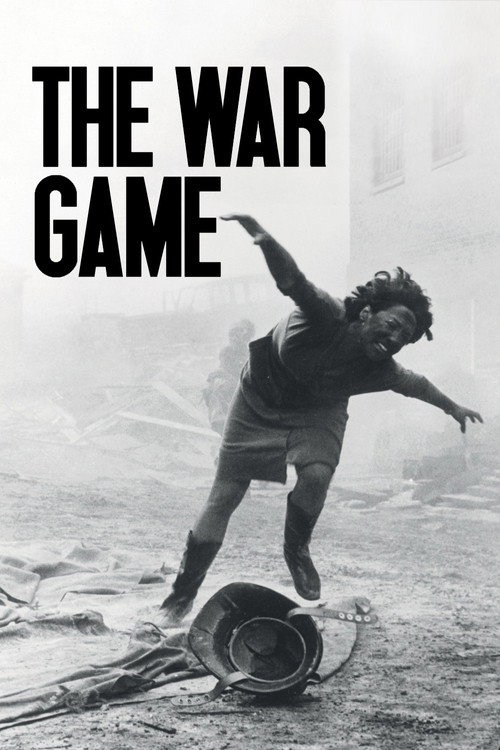
The War Game1966
Peter Watkins's banned BBC mockumentary about nuclear attack on Britain. Like The Gladiators, it asks what happens when war becomes abstract, strategic, inevitable—and renders it with horrifying clarity.
But It's a documentary in disguise, which means slow pacing and no conventional narrative. The bleakness is unrelenting and intentional, which some experience as punishing.
Not sure tonight? Get a pick in a minute, starting from The Gladiators
The wildcard
Something you would not have found on your own.
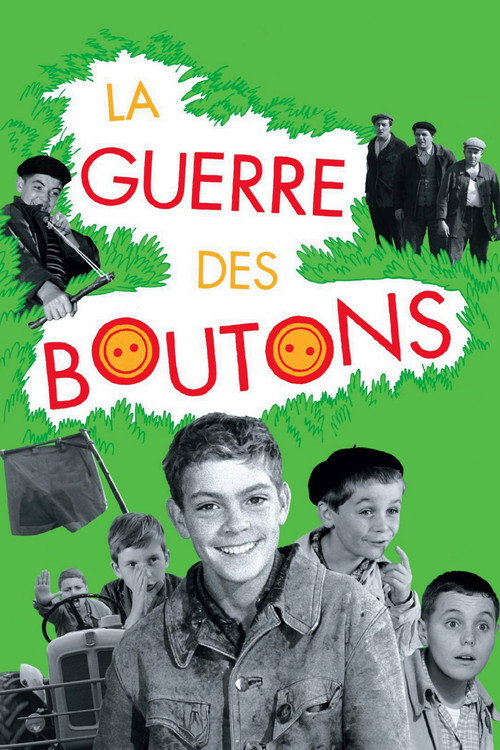
War of the Buttons1962
Both stage war as theatre with rules—one between nations through elite fighters, one between villages through children. Both ask: does formalizing violence make it more or less humane?
French film about rival gangs of schoolboys conducting ritualized combat over territory. The structure is identical to The Gladiators: neat rules, ceremonial violence, the political machinery underneath.
But It's about children, which reads as whimsy until you realize it's deadly serious about power and conflict. Some find the tone unsettling.
More like this (8)
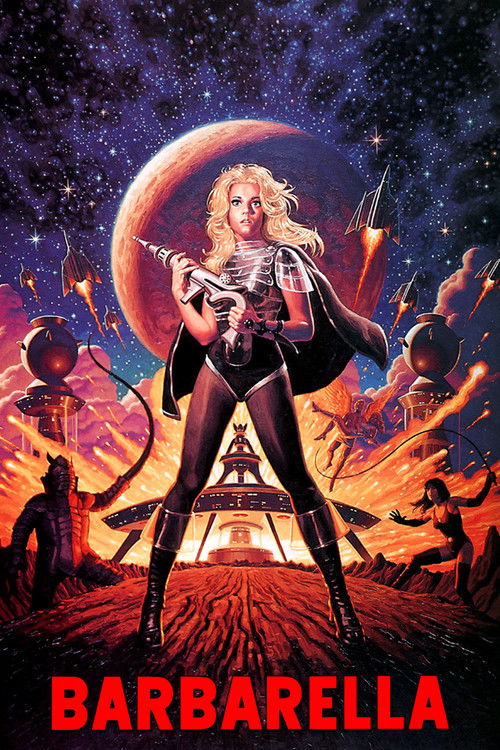
Barbarella1968
Exactly contemporary with The Gladiators, but its opposite: a campy, colourful space romp. Pair them to see what 1968 sci-fi could be—and how differently two films treat the future.
But The camp is the point, which means it can feel disposable. If you want substance over style, this is candy next to a stone.
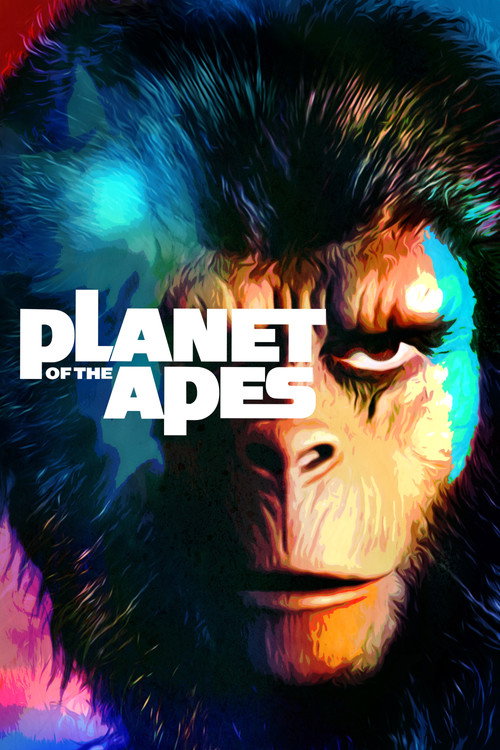
Planet of the Apes1968
Serious sci-fi allegory about power structures and who gets to be civilized. It shares The Gladiators' interest in using genre to ask uncomfortable questions about society and dominance.
But The twist ending overshadows everything else for modern viewers. It's also Hollywood-slick where The Gladiators is austere, which dilutes the ideas.
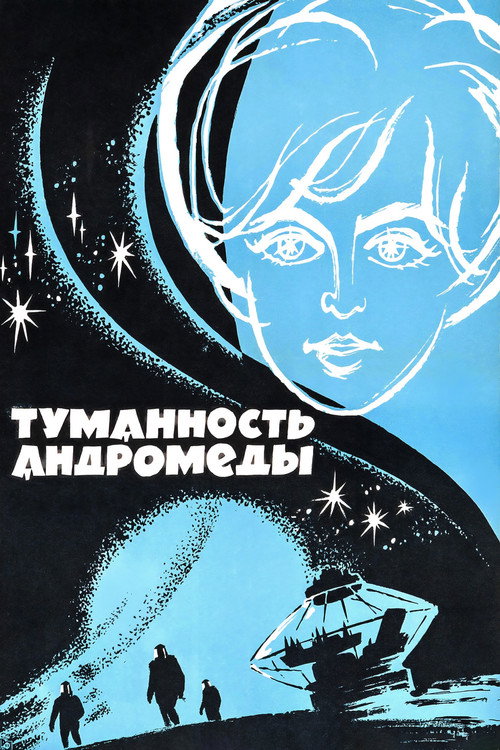
Andromeda Nebula1967
Soviet space opera based on the Strugatsky brothers. Offers another Cold War take on future conflict, from the Eastern perspective. Methodical, philosophical, shot through with doubt.
But It's very long, very slow, and very Russian. The pacing is meditative to the point of stasis for viewers expecting momentum.
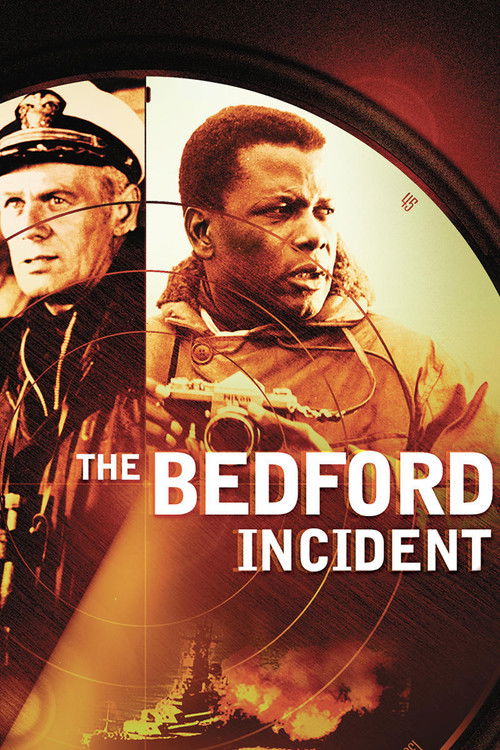
The Bedford Incident1965
A submarine standoff that never becomes action—it's about obsession, protocol, and one captain's logic pushing everyone toward disaster. The same tension-without-violence that defines The Gladiators.
But Almost all dialogue and reaction. If you need external conflict or visual spectacle, this is claustrophobic talk for ninety minutes.
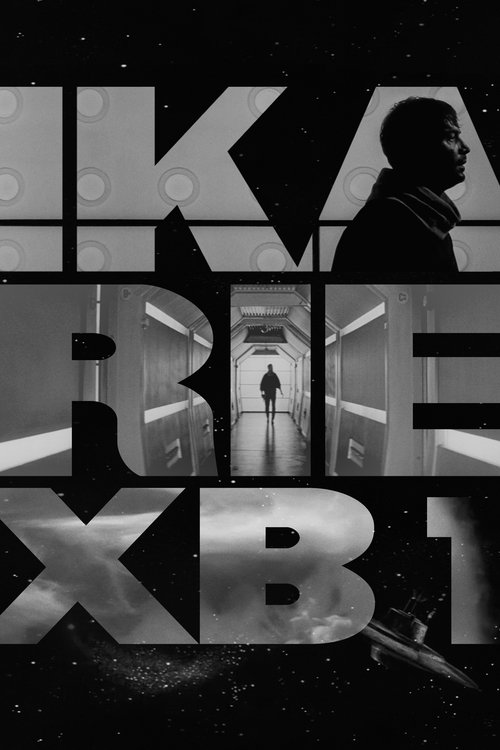
Ikarie XB 11963
Czechoslovak sci-fi about a space mission where crew dynamics matter more than plot. It treats the future as a place where psychology and organization are the real frontiers.
But Nothing happens in the conventional sense. Character study in disguise as sci-fi. Many find it dull; those who don't find it fascinating.
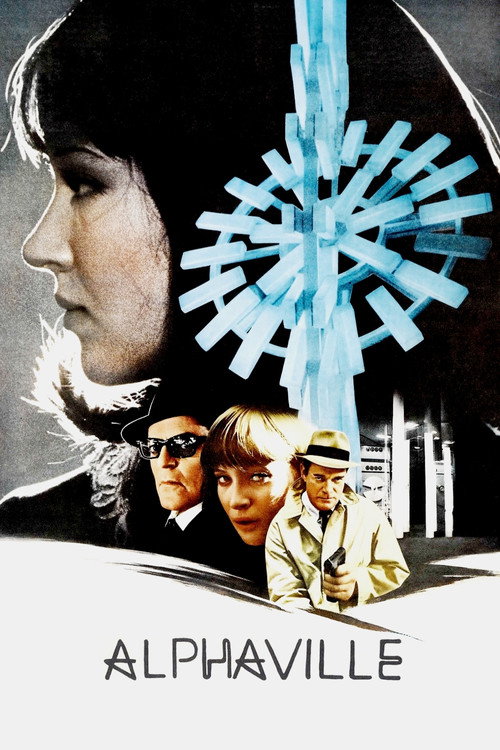
Alphaville1965
Godard's noir sci-fi about a city run entirely by logic and computers. Asks similar questions about order, control, and what happens when systems become total.
But Densely experimental and frequently opaque. It's less a plot than a series of ideas in dialogue. Requires patience and rewards it unevenly.
Stalker1979
Both are slow-burn Soviet-sphere sci-fi that use futurism to explore human motivation rather than spectacle. Both assume the audience can sit with ambiguity and metaphor.
Tarkovsky's philosophical journey into a mysterious zone where desire meets consequence. Like The Gladiators, it treats sci-fi as a vessel for asking what we really want and what we're willing to risk.
But Nearly three hours of walking and talking. Tarkovsky makes time an instrument itself. If you need plot momentum, this is purgatory.

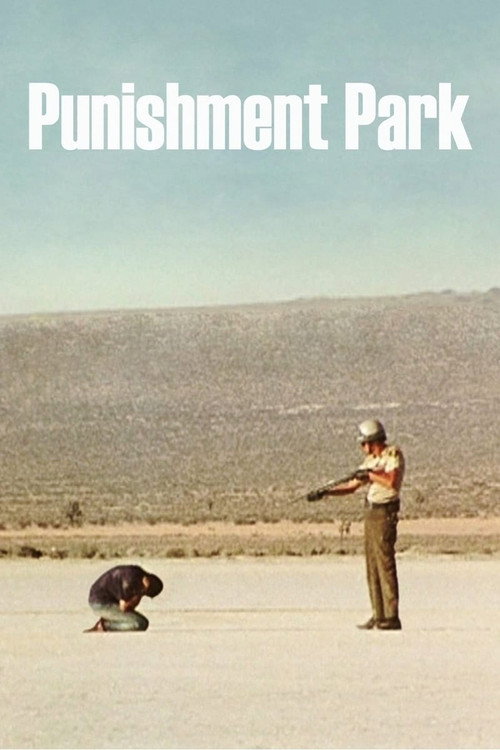
Punishment Park1971
Both imagine state violence as entertainment and sport. The Gladiators is aristocratic, controlled, philosophical; Punishment Park is visceral and American. Together they ask: who benefits from formalizing brutality?
Peter Watkins's faux-documentary about an American fascist future where dissidents are hunted for sport. A direct cousin to The Gladiators' premise, but angrier, rawer, and shot like found footage.
But It's genuinely upsetting—chaotic, violent, designed to provoke rather than resolve. The mockumentary style can feel cheap. Some see it as exploitation; others as necessary provocation.
People
Cast
 Arthur PentelowBritish General
- Frederick DannerBritish Staff Officer
 Hans BendrikCapt. Davidsson
- Christer GyngeAssistant Controller
- Daniel HarleFrench Officer
- Björn FranzénSwedish Colonel
- Kenneth LoChinese Colonel
- Hans BergerWest German Officer
- Rosario GianettiAmerican Officer
- Tim YumChinese Officer
- Stefan DillanRussian Officer
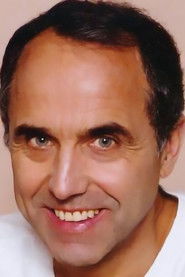 Jürgen SchillingEast German Officer
Directing
- Peter WatkinsDirector
Writing
- Nicholas GoslingWriter
- Peter WatkinsWriter
Production
- Bo JönssonExecutive Producer
- Göran LindgrenProducer