
Film
Ivan the Terrible, Part I
Eisenstein's final film is less biography than ritual: the young Ivan's rise to the throne rendered as a series of stark, sculptural tableaux, all shadow-slashed faces and operatic gesture. It moves slowly and deliberately, more interested in myth and paranoia than plot. For anyone who wants cinema as pure composition — a fever dream of power, not a history lesson.
If you liked this
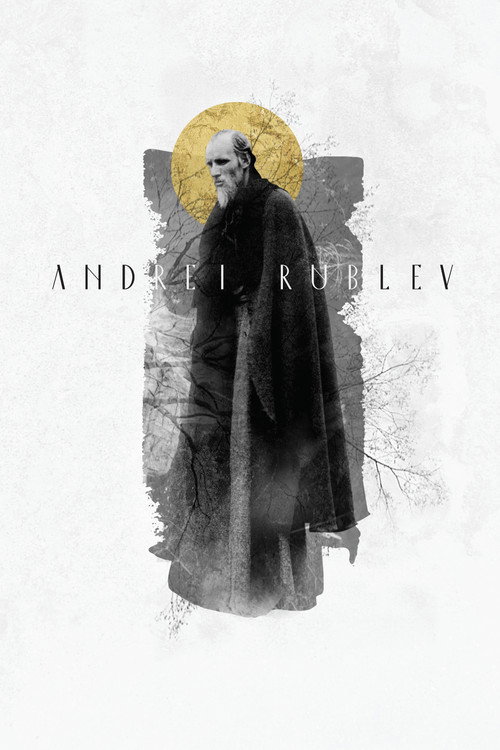
Andrei Rublev1966
Another towering Soviet epic about art, faith, and power under a paranoid ruler, shot with the same conviction that composition can carry historical weight. Tarkovsky's black-and-white severity feels like Eisenstein's spiritual heir.
But Three hours long, meditative to the point of glacial, and demands patience Ivan's more compact runtime doesn't ask for.
Alexander Nevsky1938no page yet
The same director and composer, Prokofiev, a few years earlier, tackling Russian nationhood with more forward momentum and one of cinema's great battle sequences.
But More propaganda than psychological drama — you won't get the paranoid intimacy that makes Ivan so strange.
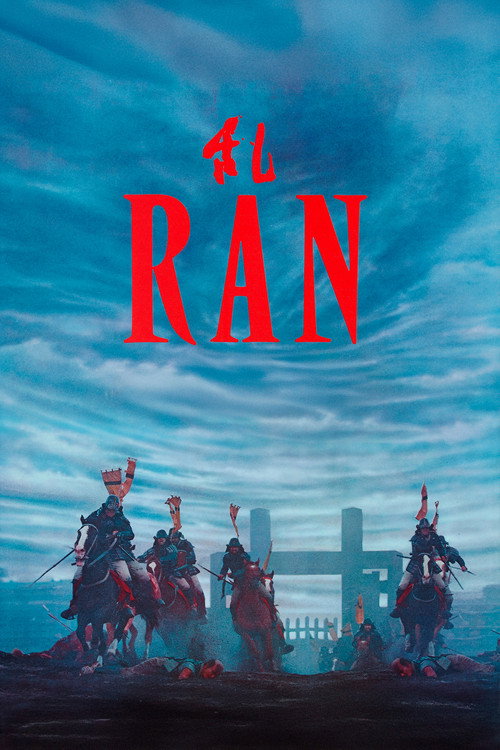
Ran1985
Kurosawa's Lear-via-feudal-Japan epic, all betrayal, madness, and a ruler's court collapsing around him, staged with the same painterly grandeur and formal control as Eisenstein's court.
But Its tragedy is louder and more visceral than Ivan's; less stillness, more spectacle and carnage.
The wildcard
Something you would not have found on your own.
The Color of Pomegranates1969no page yet
Where Ivan turns history into ritualized, icon-like tableaux, Parajanov abandons narrative altogether for a biography told purely in painted, motionless images — the same instinct pushed to its outer edge.
A nearly wordless procession of surreal, jewel-colored images depicting a poet's life as a sequence of sacred tableaux — the most extreme extension of Eisenstein's belief that composition itself can carry meaning.
But There's barely a plot to follow; it asks you to surrender narrative entirely, which not everyone wants to do.
More like this (8)
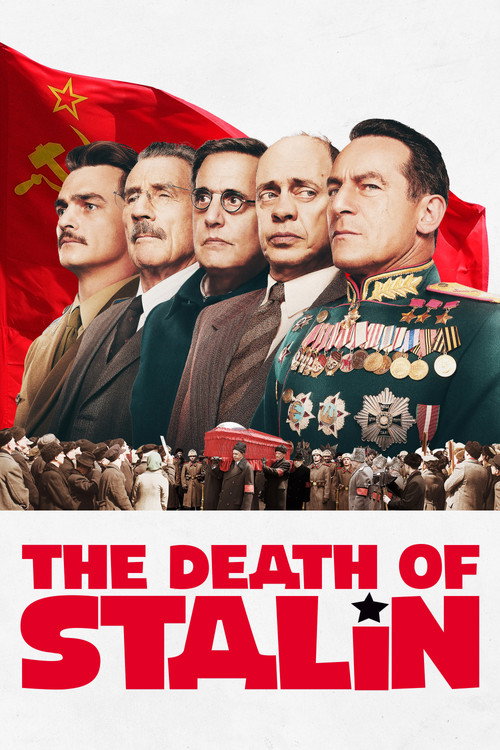
The Death of Stalin2017
A pitch-black comedy about the scramble for power after a tyrant's death, proving that court intrigue and paranoid loyalty games translate perfectly into farce.
But The tonal whiplash — jokes about purges — won't sit well if you want your tyranny played straight.
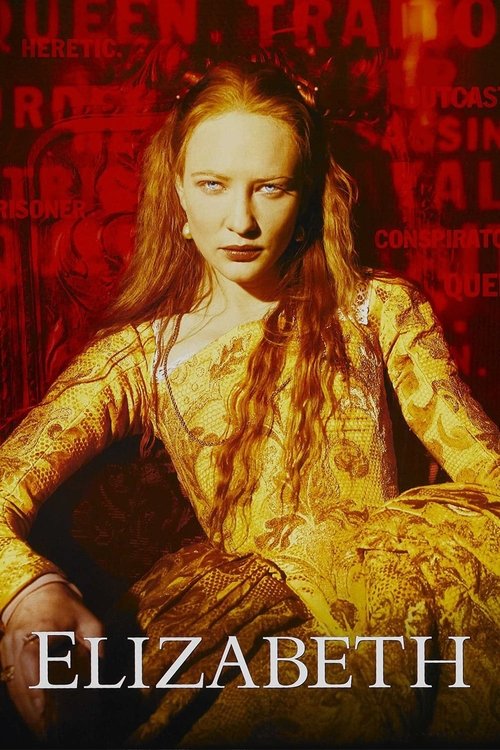
Elizabeth1998
A young monarch learning that survival means becoming as ruthless as the enemies circling her — the same arc of innocence hardening into power that Ivan traces.
But Glossier and more conventionally paced; it wants to entertain first and unsettle second.
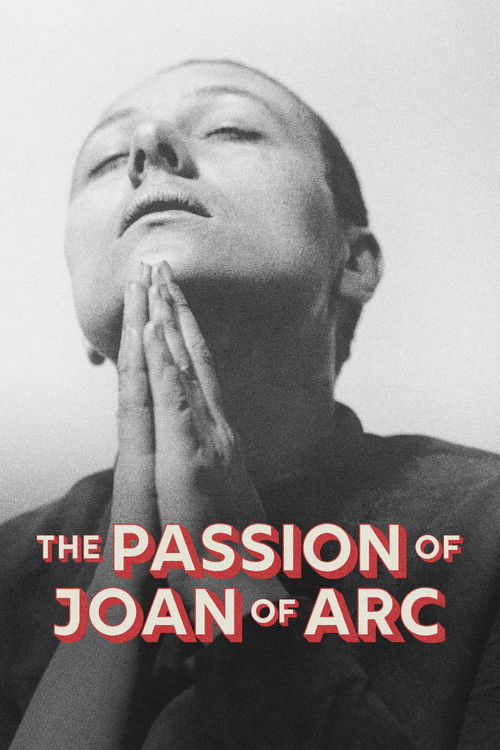
The Passion of Joan of Arc1928
Dreyer's silent masterpiece built almost entirely from faces in extreme close-up, the same instinct Eisenstein has for turning a human face into an icon of suffering.
But No spectacle, no battles, just interrogation and anguish — a much smaller, harsher watch.
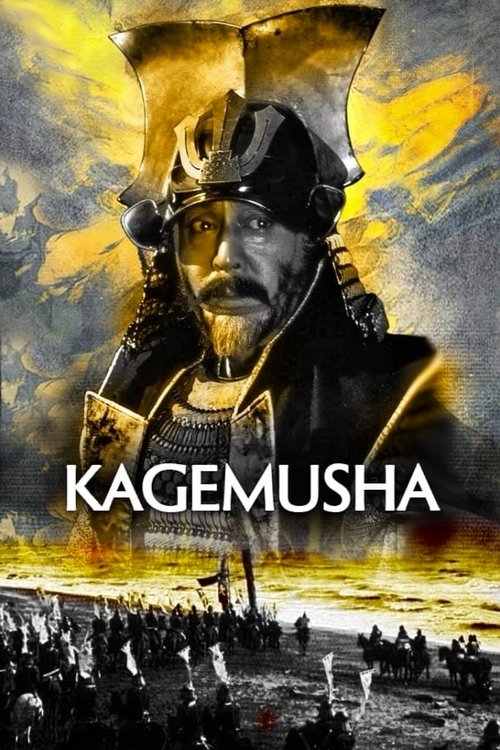
Kagemusha1980
A meditation on the theatre of power — a double forced to perform kingship — sharing Ivan's fascination with ritual, pageantry, and the mask a ruler must wear.
But Slower and more melancholy than tragic; the emotional payoff arrives very late.
Chimes at Midnight1965no page yet
Welles distilling Shakespeare's history plays into one film about power, loyalty, and the loneliness at the top, with theatrical staging married to real cinematic craft.
But The muddy audio and scrappy production values are a rough contrast to Ivan's polished stagecraft.
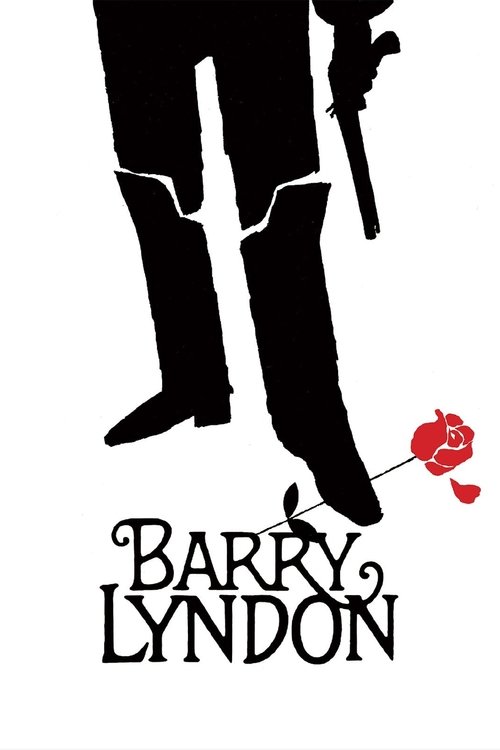
Barry Lyndon1975
Kubrick's painterly, deliberately theatrical historical epic, every frame composed like a canvas, tracking a man's rise and the machinery of status that eventually crushes him.
But Cool, ironic detachment where Ivan is fevered and operatic — you may find it too controlled to love.
Eisenstein in Guanajuato2015no page yet
A gleeful, sexually frank imagining of Eisenstein himself abroad in Mexico while Ivan was still just an idea in his head — the maker of that stern, iconic czar shown as a giddy, human mess.
Greenaway's lurid, funny, split-screen biopic strips the myth off the director who made Ivan so severe, revealing the appetites and anxieties behind the camera.
But Deliberately campy and sexually explicit — a jarring contrast if what you loved about Ivan was its solemnity.
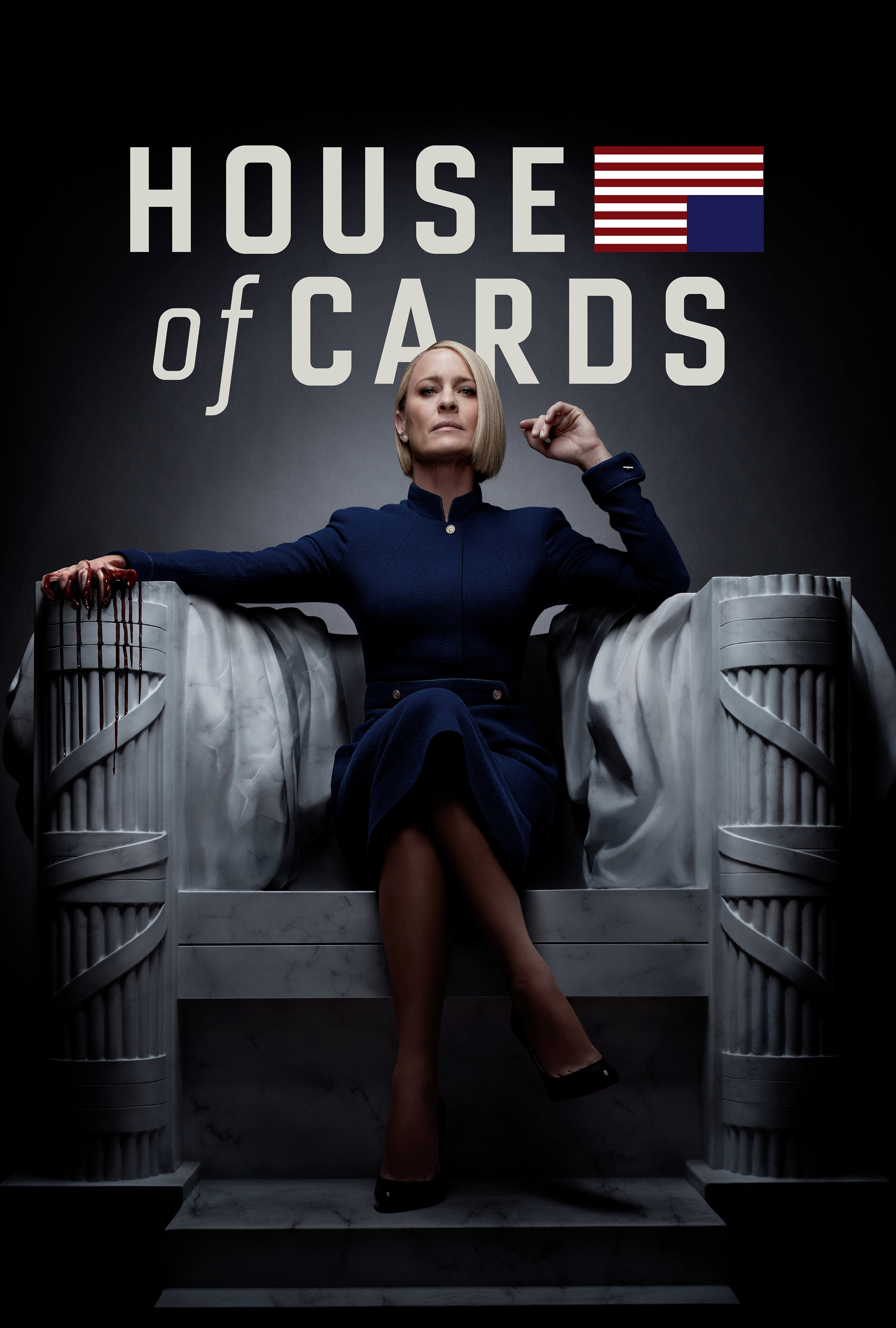
House of Cards2013
Same engine as Ivan — a leader consolidating absolute power through manipulation, performance, and the elimination of rivals — rebuilt as a slick modern boardroom thriller.
A ruthless political operator narrates his own rise straight to camera, turning the same paranoid calculus of loyalty and betrayal into twisty, bingeable television.
But Glossy, cynical, and eventually repetitive — it trades Ivan's mythic weight for soap-opera pleasure.
People
Cast
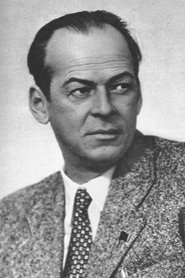 Nikolai CherkasovCzar Ivan IV
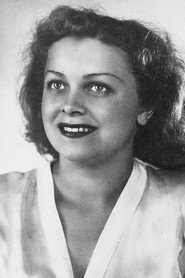 Lyudmila TselikovskayaCzarina Anastasia Romanovna
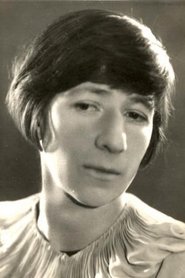 Serafima BirmanBoyarina Efrosinia Staritskaya
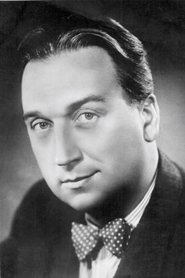 Mikhail NazvanovPrince Andrei Kurbsky
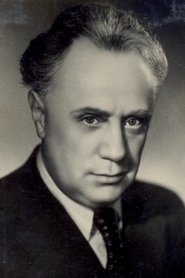 Mikhail ZharovCzar's Guard Malyuta Skuratov
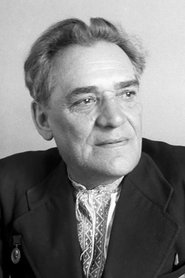 Amvrosii BuchmaCzar's Guard Aleksei Basmanov
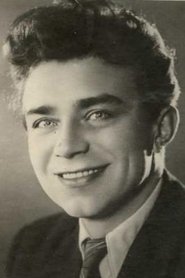 Mikhail KuznetsovFyodor Basmanov
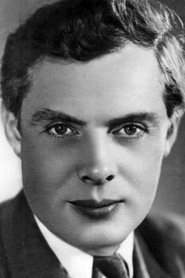 Pavel KadochnikovVladimir Andreyevich Staritsky
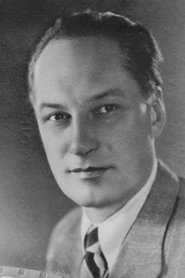 Andrei AbrikosovBoyar Fyodor Kolychev
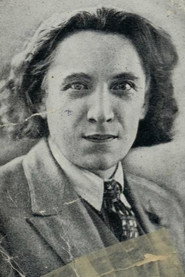 Alexander MgebrovNovgorod's Archbishop Pimen
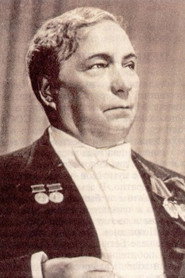 Maxim MikhaylovArchdeacon
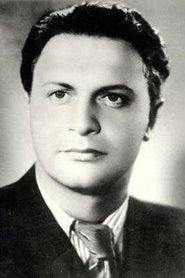 Vladimir BalashovPiotr Volynetz