
Film
1612: Chronicles of the Dark Time
A sprawling historical epic set during Russia's Time of Troubles, when the death of the czar fractures the nation into chaos. Director Vladimir Khotinenko stages massive battle sequences and intimate political intrigue across a landscape of competing claims and foreign invasion. It's a film about loyalty, ambition, and the collision between personal desire and historical necessity—operatic in scope, Russian in sensibility, and unafraid of moral complexity.
If you liked this
War and Peace1968
Sergei Bondarchuk's monumental adaptation captures the same sweeping canvas of history overwhelming individuals. Battles, balls, and the weight of empire colliding with human hearts—made with comparable visual ambition and philosophical depth.
But Nearly seven hours long, deliberately paced, and demands patience with 19th-century social codes that modern viewers may find slow or alienating.
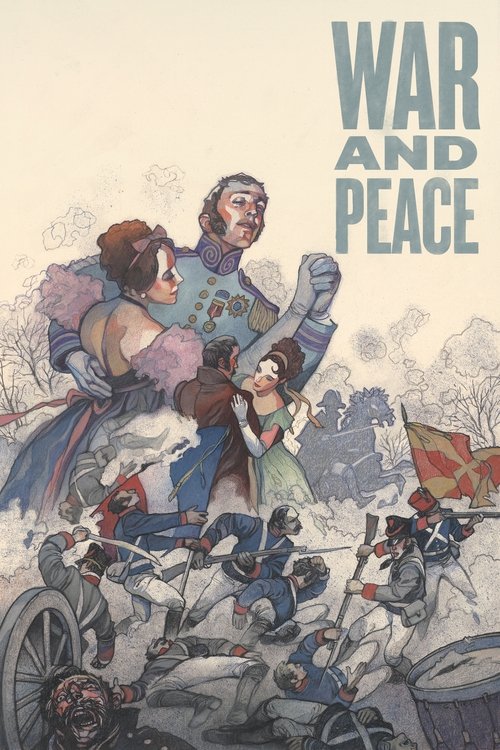
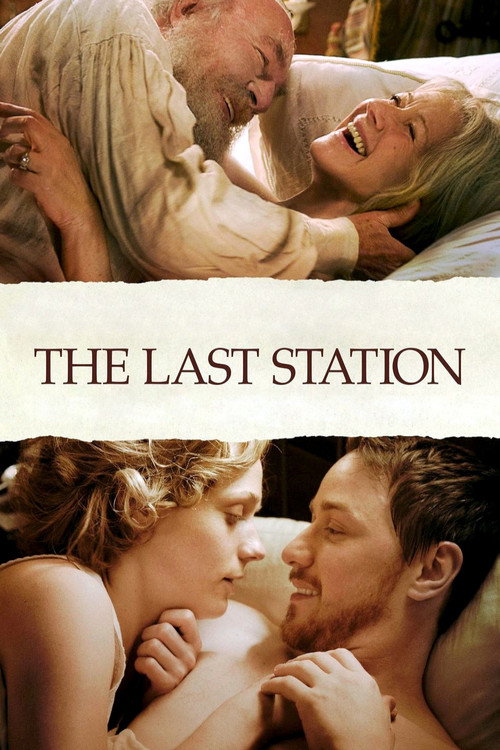
The Last Station2009
Another Russian historical drama about power, legacy, and the tension between private life and public consequence. Christopher Plummer's performance anchors intimate character work within larger questions of meaning and duty.
But Focused more on dialogue and interior conflict than spectacle; if you came for battles, you'll find mostly rooms and arguments instead.
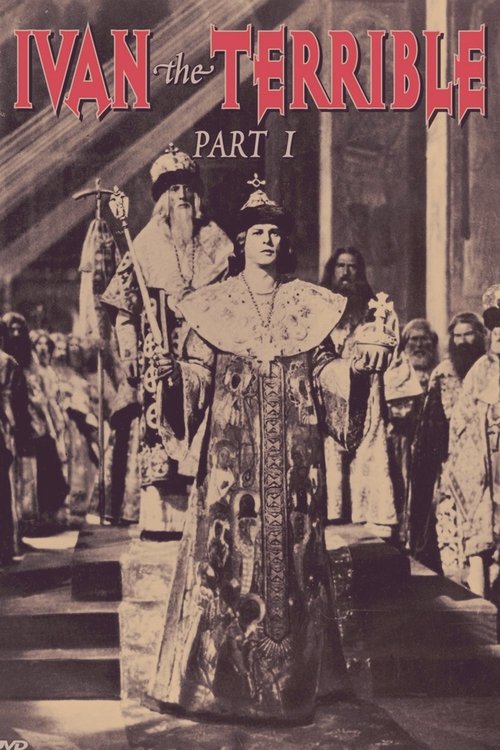
Ivan the Terrible, Part I1944
Eisenstein's Soviet masterpiece about another tumultuous Russian ruler navigating power, betrayal, and the price of empire. The visual language—shadows, geometry, psychological intensity—set the template for how cinema renders historical trauma.
But Filmed in black and white with a deliberately theatrical, symbolic style that can feel distant or mannered to viewers accustomed to naturalism.
Not sure tonight? Get a pick in a minute, starting from 1612: Chronicles of the Dark Time
The wildcard
Something you would not have found on your own.
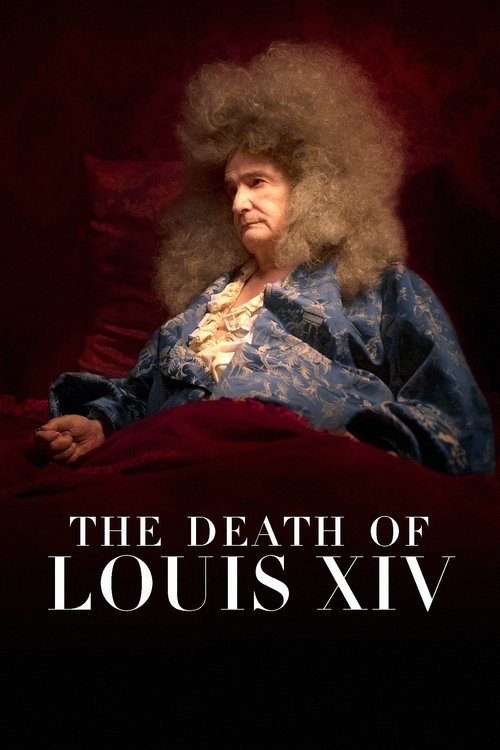
The Death of Louis XIV2016
Both films are obsessed with the machinery of succession and how power persists or crumbles when its human anchor vanishes. One shows the chaos; the other shows what comes after, in a locked room.
Albert Serra's radical film is a real-time portrait of a dying king—no battles, no plot, just the slow dissolution of power and the machinery of court around absence. It answers the same question as 1612: what happens when a ruler dies? But through radical formal minimalism rather than spectacle.
But Essentially plotless, whispered, shot in close-up with minimal movement. Some will find it profound meditation on mortality; others will find it tedious.
More like this (6)
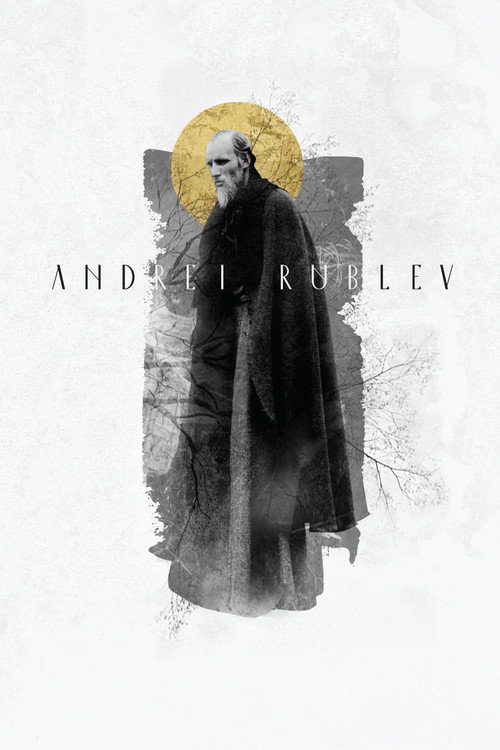
Andrei Rublev1966
Tarkovsky's meditation on art, faith, and survival during medieval Russian chaos. The Time of Troubles period fascinates Russian cinema; this explores it through the life of an icon painter navigating war and moral compromise.
But Three hours of deliberate, sometimes wordless cinema. Tarkovsky demands surrender; if you resist, it will feel pretentious and glacial.
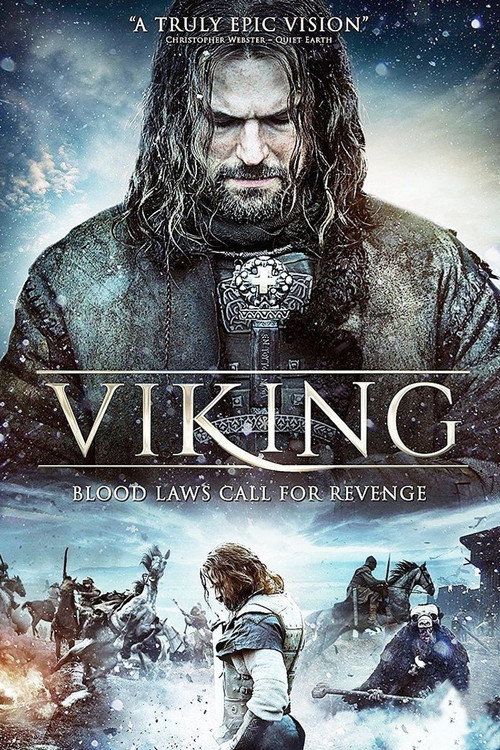
Viking2016
A Slavic historical action film with comparable production values, battle choreography, and interest in the collision between foreign invasion and native resistance. Energetic where 1612 is sometimes reflective.
But Less psychologically complex and more straightforwardly heroic; if you want ambiguity and moral weight, this trades depth for momentum.
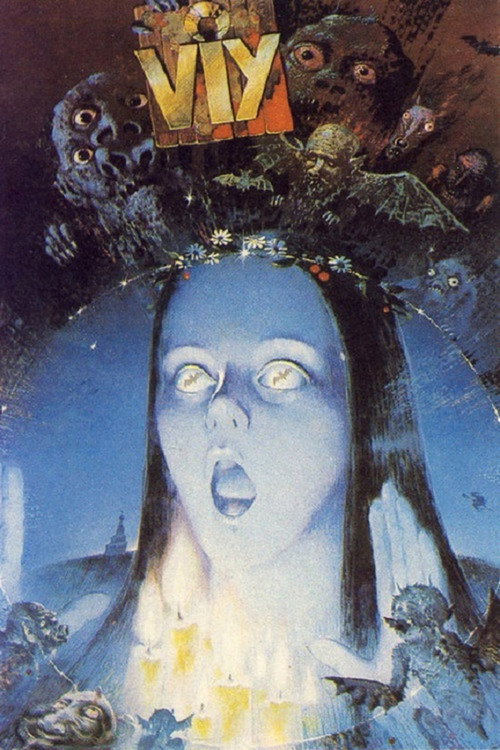
Viy1967
A Soviet-era Gogol adaptation set in a similar historical landscape of Russian superstition, foreign threat, and spiritual terror. The visual style and folkloric elements complement 1612's sense of a nation in chaos.
But More fantasy-horror than historical drama; tonal whiplash if you're seeking realism or political grounding.
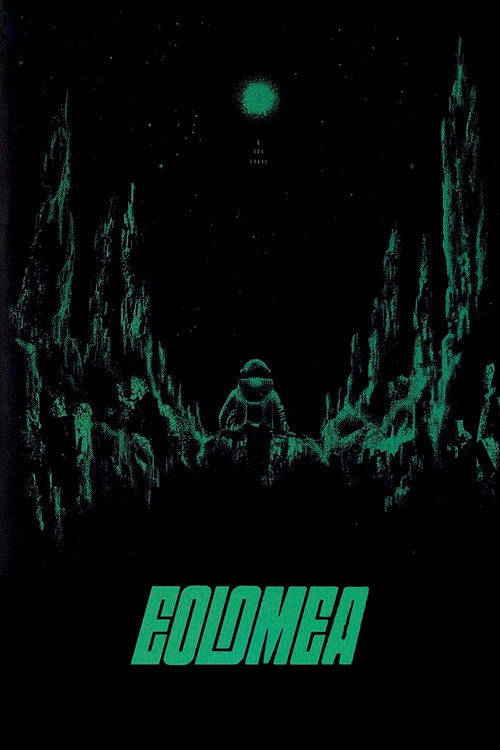
Eolomea1972
A Hungarian historical epic about power, conquest, and the futility of empire. The scale and philosophical ambition echo 1612, and it shares that Eastern European sense of history as tragedy rather than progress.
But Obscure, deliberately paced, and sometimes formally experimental; finding it and committing to its rhythms both require effort.
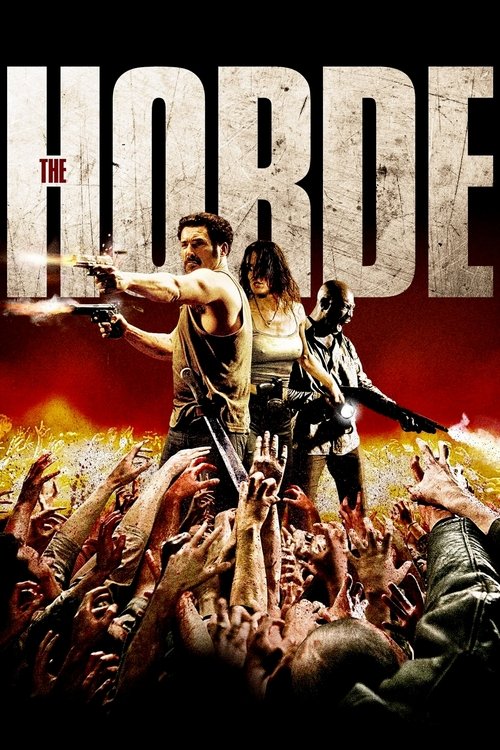
The Horde2010
The structural spine is identical: disparate groups forced into alliance against a dehumanized invading force, with all the betrayal and compromise that entails. 1612 plays this for tragedy; The Horde plays it for survival horror.
A French zombie film set in a Parisian housing project, where cops and gangsters must cooperate against overwhelming invasion. It hijacks the historical epic's engine—fortress under siege, fractured factions forced together, survival as political argument—and deploys it in contemporary genre territory.
But Graphic violence, ugly urban realism, and the tonal dissonance of taking zombie tropes seriously might feel trivial compared to the gravitas of actual history.
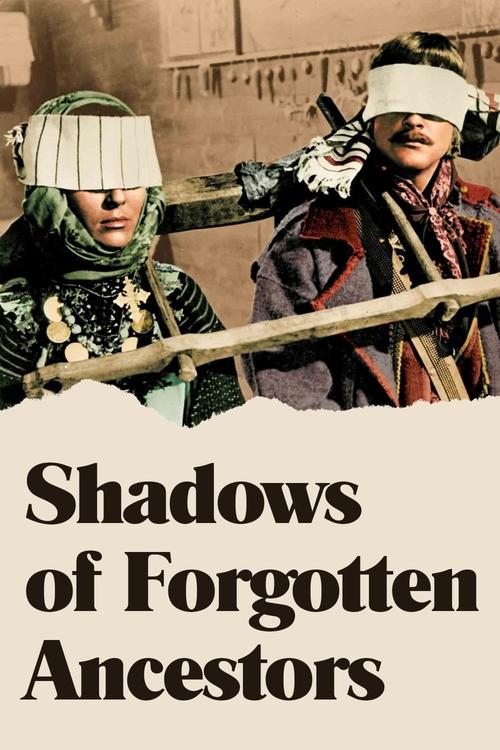
Shadows of Forgotten Ancestors1965
Both films treat history as something felt through landscape, ritual, and the individual's collision with forces larger than themselves. But where 1612 dramatizes this through action, Paradjanov renders it through color, composition, and myth.
Sergei Paradjanov's visionary film about Carpathian folk culture, love, ritual, and death rendered as a deliberately artificial visual poem—every frame composed like a painting. It's Ukrainian history and mythology, not Russian, but speaks to the same Eastern European sense of tragedy as folk inevitability.
But Extremely stylized, non-narrative, and demands an openness to cinema as visual abstraction rather than story-telling. Easy to admire, hard to love if you need plot.
People
Cast
 Pyotr KislovAndrei
 Artur SmolyaninovKostka
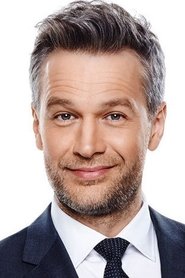 Michał ŻebrowskiJan Skrzetuski
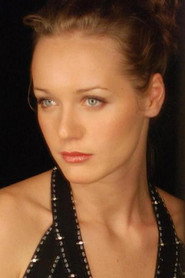 Violetta DavydovskayaKseniya Godunova
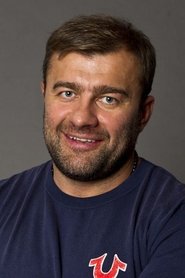 Mikhail PorechenkovPrince Dmitri Pozharsky
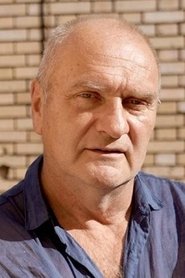 Aleksandr BaluevBrigand Osina
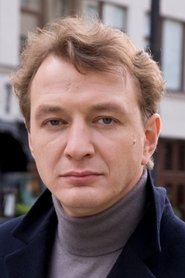 Marat BasharovMilitary commander Navoloka
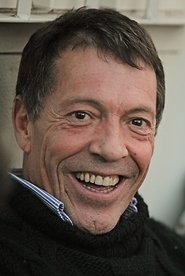 Ramón LangaAlvar
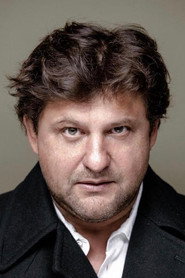 Aleksandr SamoylenkoMordan
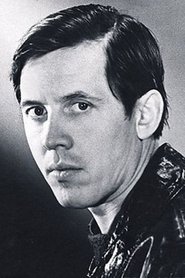 Valeriy ZolotukhinStylite
Directing
- Vladimir KhotinenkoDirector
Writing
- Arif AlievWriter
Production
- Aleksandr UtkinProducer
- Leonid VereshchaginProducer
- Nikita MikhalkovProducer