
Film
The Tales of the Thousand and One Nights
A 1921 French silent fantasy about Scheherazade, the bride who survives a murderous king by telling him stories night after night, always stopping at the cliffhanger. Visually sumptuous, theatrically staged, and genuinely inventive with its nested tales and trick photography. Pure escapism, made before cinema had learned to whisper.
If you liked this
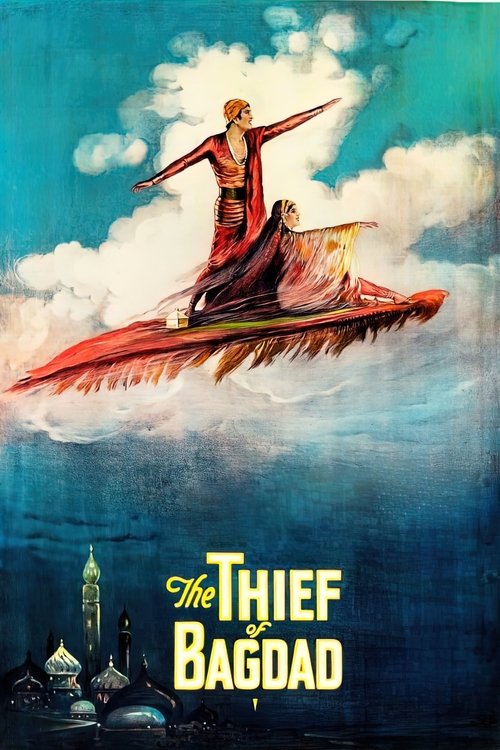
The Thief of Bagdad1924
Douglas Fairbanks swashbuckles through an Arabian fantasy with dazzling sets, magical effects, and physical comedy that still dazzles. A masterpiece of silent adventure that influenced everything after it.
But The pacing is stately by modern standards, and Fairbanks' persona—charming but enormous—dominates the frame in ways that read as quaintly heroic now.
Intolerance: Love's Struggle Throughout the Ages1916
D.W. Griffith's epic ambition: four stories across history, shot on an enormous scale with stunning Babylon sets and revolutionary cross-cutting. A film that wanted to prove cinema could tackle anything.
But It's long, structurally confusing, and Griffith's thematic reach exceeds his grasp. You will need patience and probably a break in the middle.

The Cabinet of Dr. Caligari1920
Painted sets, twisted angles, and a demon unleashed—German Expressionism at its most visually arresting and psychologically unsettling. Silent horror that still creeps under your skin.
But The narrative logic is dreamlike rather than clear, and the famous twist ending splits opinion. Some find it brilliant; others feel cheated.

Not sure tonight? Get a pick in a minute, starting from The Tales of the Thousand and One Nights
The wildcard
Something you would not have found on your own.
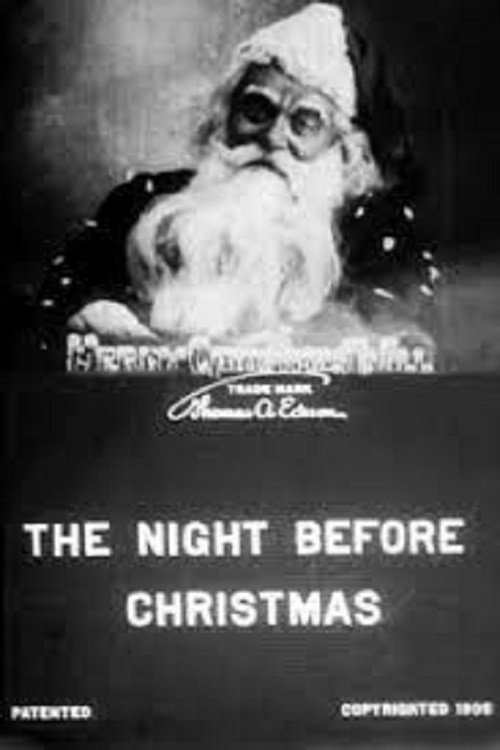
The Night Before Christmas1905
Both are 1920s fantasy built entirely on cinema's ability to astonish—to show you things that cannot exist in the real world. Both trust visual language over plot.
Méliès again, but this time turning Clement Clarke Moore into pure visual sorcery. Santa materializes, toys come alive, Christmas trees transform. Seven minutes of magic trick cinema.
But It's even more a series of effects than a story. If you want narrative momentum, you will not find it. Pure spectacle, no spine.
More like this (8)
The Phantom Carriage1921
A Swedish ghost story with real melancholy and visual invention. Multiple exposures and supernatural effects create genuine atmosphere. It's about mortality, redemption, and regret—not just spectacle.
But The pacing is mournful rather than exciting. If you want swashbuckling, this is the opposite: slow, thoughtful, sometimes bleak.

Nosferatu1922
The vampire film that invented the visual language of cinematic horror. Grainy, shadowy, genuinely eerie—Max Schreck's Count Orlok is still terrifying, still iconic. A lean, perfect film.
But It's grainy and shot in early 1920s style, which some find beautiful and others find hard to parse. The plot is thin by design, and there's no action in the modern sense.

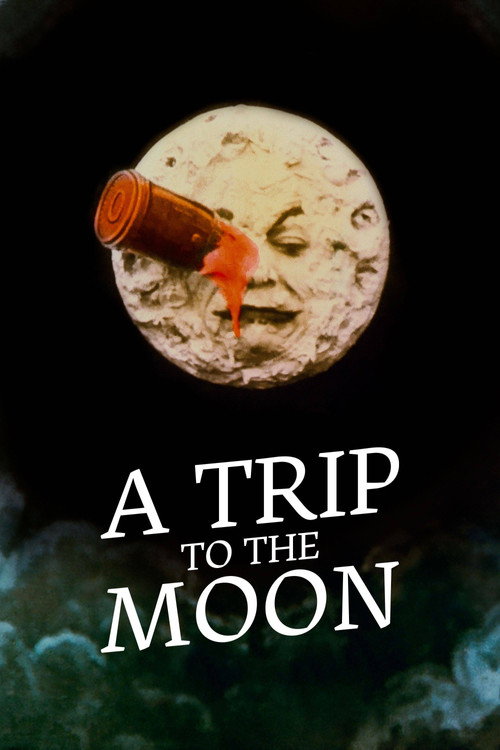
A Trip to the Moon1902
Méliès' 14-minute fairy tale about lunar exploration is cinema's first fantasy and special effects showcase. Stop-motion, hand-painted colour, practical ingenuity—the joy of discovering what film could do.
But Fourteen minutes is not much story. It's a series of tableaux rather than a narrative, and the Victorian gender politics won't charm everyone.
Häxan1922
A Swedish documentary-fantasia about witchcraft, superstition, and hysteria. Part educational film, part horror movie, deeply strange. The imagination and ambition are stunning.
But It's a difficult film: graphic medieval tortures, disturbing imagery, and a lecture that doubles as fever dream. Not entertainment, exactly. Not for a casual evening.

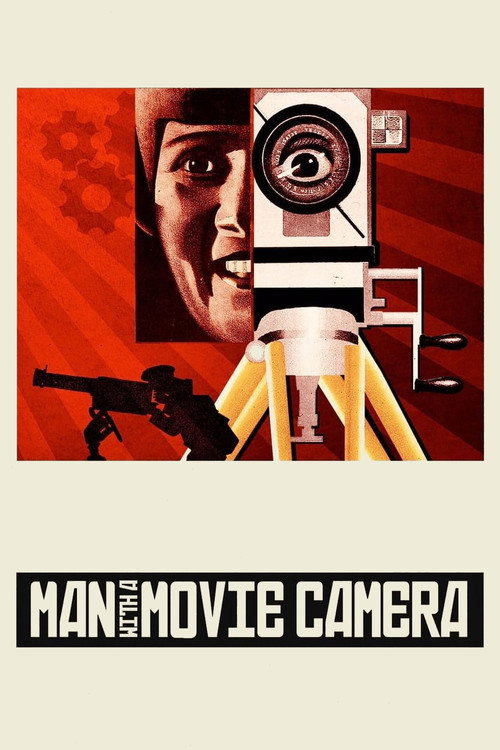
Man with a Movie Camera1929
Vertov's Soviet city-symphony is pure visual poetry: montage, double exposure, and rapid cutting that makes everyday Soviet life feel like spectacle and revolution. The editing is the star.
But There's no plot, no narrative, no story—just a city and a camera. Some find it transcendent; others find it exhausting. It demands active watching.
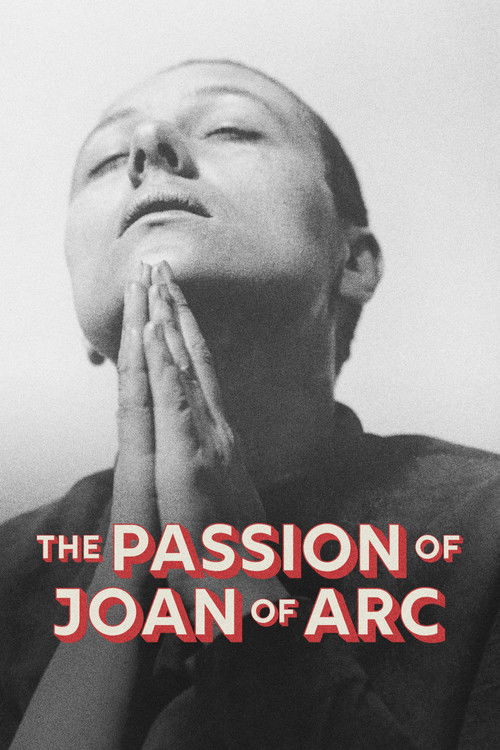
The Passion of Joan of Arc1928
Dreyer's close-ups of Renée Jeanne's face as she's tried for heresy are raw, intimate, and devastating. Film as direct emotional transmission. Spiritually overwhelming.
But It's emotionally punishing: trial, conviction, execution. Not escapism. The camerawork is so extreme it can feel mannered to modern eyes.
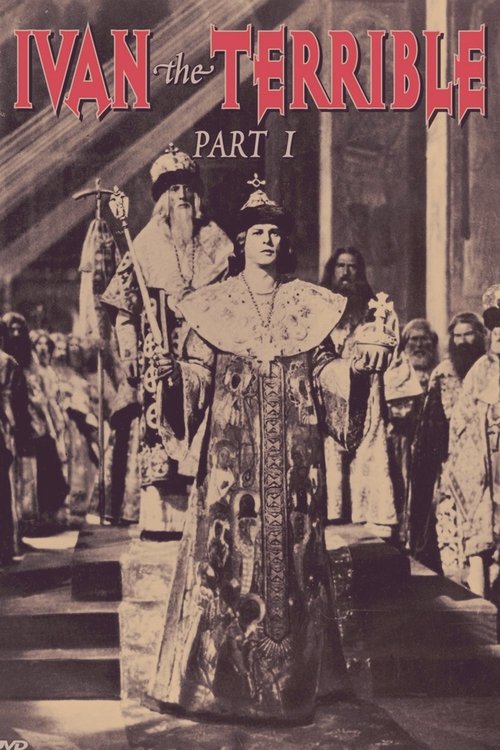
Ivan the Terrible, Part I1944
Both stories hinge on a leader surrounded by conspirators; both use fantasy and legend to explore power, duty, and the cost of rule. Both are cinema as visual spectacle.
Eisenstein's epic about a tsar who consolidates power against the boyars. Operatic in scale, visually architectural, composed like a symphony. Political fantasy filmed as high art.
But It's a tragedy about a paranoid autocrat, not an adventure. Released in wartime USSR, it's more monument than entertainment. Slow, severe, unforgiving.
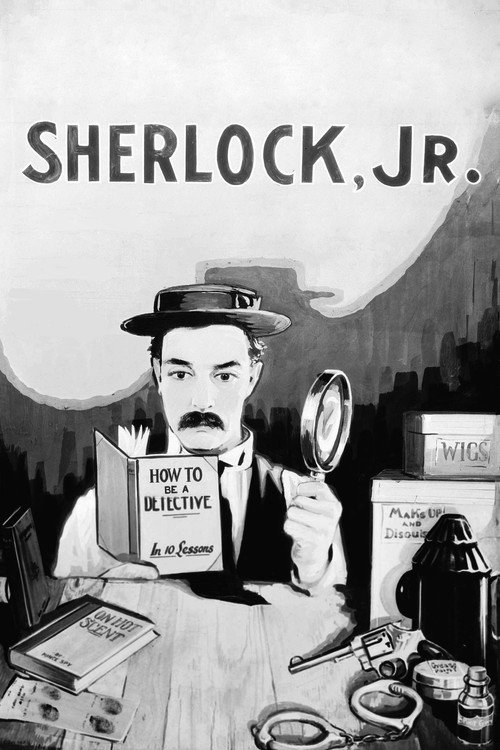
Sherlock Jr.1924
Both are about storytelling itself: Scheherazade keeps herself alive by telling stories; Sherlock Jr. literally enters a story. Both use cinema's magic to ask what narrative can do.
Buster Keaton dreams himself into a movie and begins solving a crime. A comedy that also plays with cinema itself—Keaton literally steps into a film. Ingenious, funny, and formally clever.
But It's a slapstick comedy, not a fantasy adventure, so the tone will surprise if you expect something more romantic or ornate. The gags matter more than the plot.
People
Cast
 Nathalie KovankoPrincesse Goul-y-Hanar
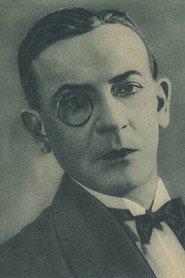 Nicolas RimskyPrince Soliman
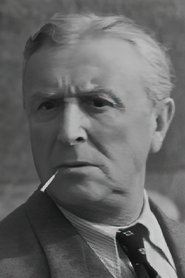 Paul OllivierGrand Vizir
Directing
- Viktor TourjanskyDirector
Writing
- Viktor TourjanskyWriter