
Film
Bezhin Meadow: Sequences from an Unfinished Film
- Political drama
- Very dark
Fragments of Sergei Eisenstein's destroyed masterpiece, assembled from surviving still frames. A 31-minute ghost of an unfinished 1930s Soviet epic about a boy caught between his father's treason and state loyalty. What remains is pure visual poetry—compositions of such architectural precision they convey narrative and ideology through geometry alone. For those who worship cinema as an art form, not entertainment.
If you liked this
Battleship Potemkin1925
Eisenstein's complete masterpiece, showing the full force of his revolutionary montage theory. The Odessa Steps sequence alone justifies a lifetime of film-watching. Essential viewing before encountering Bezhin Meadow's fragments.
But Silent, 67 minutes, Soviet propaganda cinema. The pacing demands patience; modern audiences often find it austere rather than gripping.

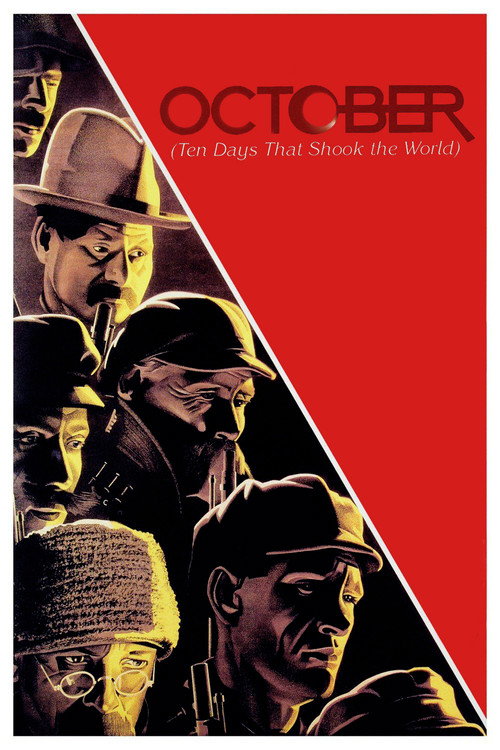
October (Ten Days that Shook the World)1928
Another Eisenstein triumph, demonstrating his mastery of visual storytelling without dialogue. Equally ambitious in scope and formal innovation. A bridge to understanding his method and vision.
But Also silent and Soviet. The revolutionary subject matter can feel didactic, and the formal experimentation may alienate viewers seeking conventional narrative.
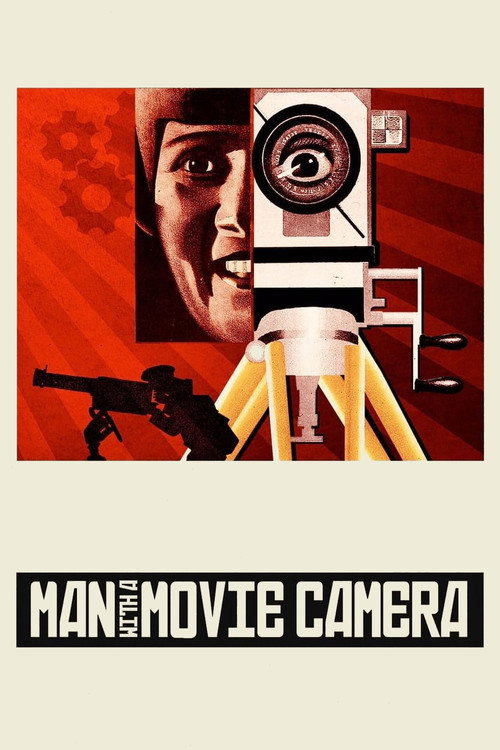
Man with a Movie Camera1929
Vertov's avant-garde documentary uses pure cinema technique to capture Soviet life. Like Bezhin Meadow's surviving frames, it trusts images to speak louder than words. A different path, same modernist ambition.
But Almost plotless. Ninety minutes of visual abstraction without characters or story. Demands active, alert viewing rather than passive consumption.
Not sure tonight? Get a pick in a minute, starting from Bezhin Meadow: Sequences from an Unfinished Film
The wildcard
Something you would not have found on your own.
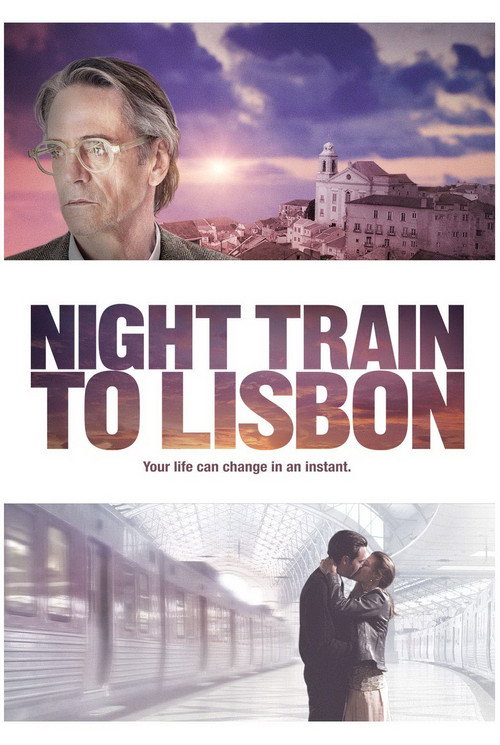
Night Train to Lisbon2013
Both works exist as fragments—one destroyed, one about destruction through images—and ask what meaning survives incompleteness.
Uses still frames and photographs as central narrative device, turning loss and memory into visual language. The fragmented, almost-reconstructed nature of its form echoes Bezhin Meadow's circumstance. A meditation on what we can know from incomplete images.
But Ponderous literary adaptation that some find self-indulgent. The conceit of photographs-as-narrative can feel overwrought rather than illuminating.
More like this (8)
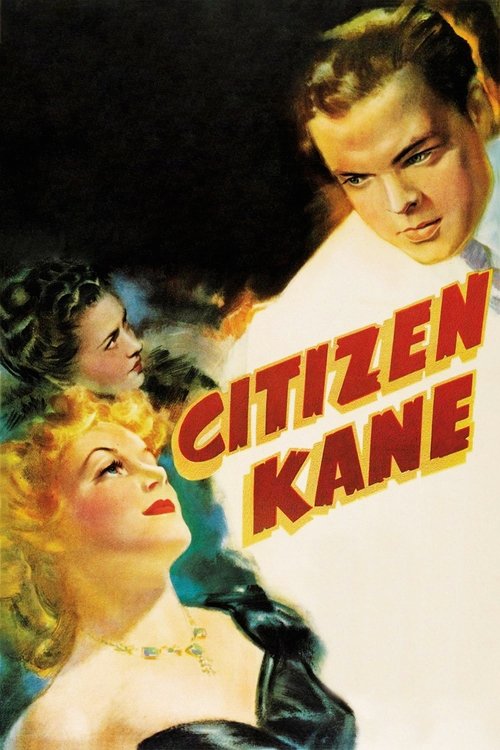
Citizen Kane1941
Welles absorbed lessons from Eisenstein and created cinema's greatest formal achievement. Every frame is composed with Eisenstein-like precision. A complete work showing what Bezhin Meadow might have been.
But Can feel more architectural than emotional. Some find its self-conscious artistry gets in the way of caring about the characters.
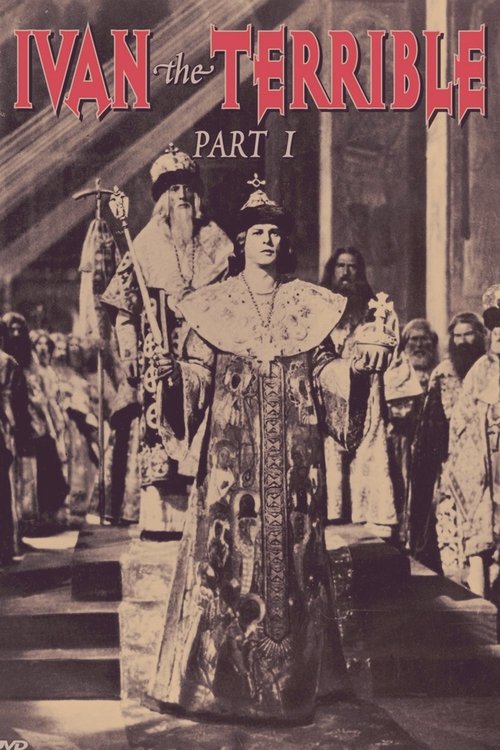
Ivan the Terrible, Part I1944
Eisenstein himself, working after his Soviet disgrace, making his most beautiful film. Operatic, tragic, visually overwhelming. Proof that his genius survived the destruction of his earlier projects.
But Shot in black-and-white with deliberately theatrical staging. The pacing is stately rather than propulsive. Demands patience and appetite for visual spectacle over story momentum.
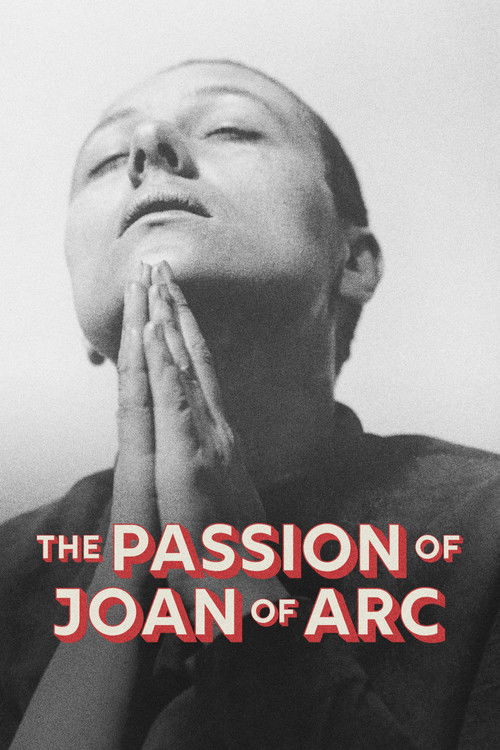
The Passion of Joan of Arc1928
Bresson's portrait of faith and martyrdom through radical close-ups and minimalist editing. Like Bezhin Meadow, it finds transcendence in pure image and composition, not dialogue or plot mechanics.
But Intensely austere. Renée Jeanne Falconetti's performance, though extraordinary, offers no conventional emotional catharsis. Some find it emotionally distant despite its subject.
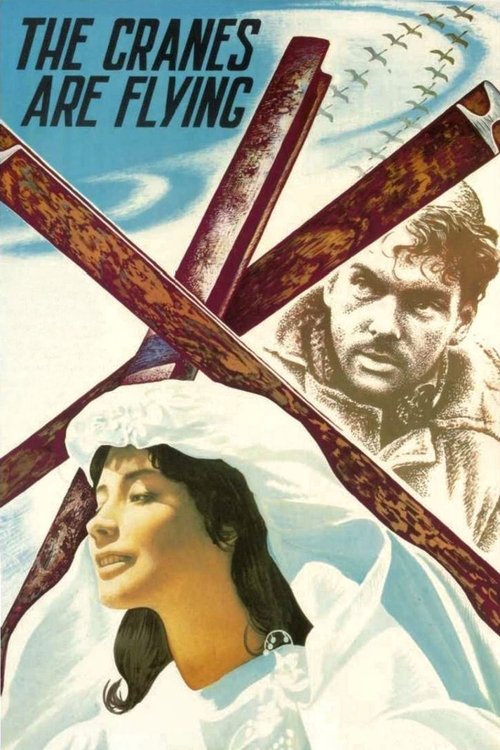
The Cranes Are Flying1957
A Soviet film that learned from Eisenstein but channels his visual sophistication into a human tragedy. Gorgeously composed, deeply moving, technically brilliant. Proof the tradition endured.
But Told in a sentimental register that contrasts sharply with Eisenstein's cold formalism. Those seeking his austere style may find this too conventionally emotional.
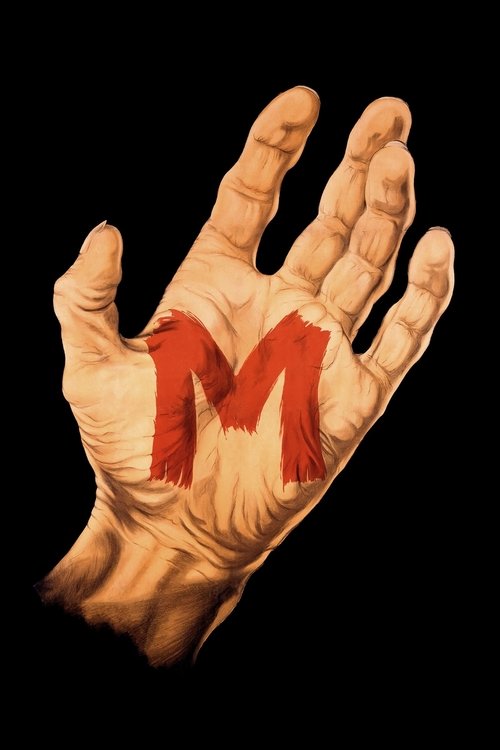
M1931
Lang's masterpiece of montage and visual storytelling, made in the same era as Eisenstein's work. Shows how radical cinema technique could serve psychological complexity. A complete film capturing the era's formal innovation.
But Grim subject matter involving child murder. Black-and-white, German Expressionist aesthetic. The ending feels abrupt by modern standards, and the pacing is deliberate rather than suspenseful.
Stalker1979
Tarkovsky's spiritual heir to Eisenstein, using composition and rhythm to explore ideology and desire. Slow, hypnotic, asking what cinema can express that words cannot. For those who've glimpsed Bezhin Meadow's power.
But 163 minutes of philosophical science fiction with minimal plot. The pace is glacial, and metaphysical abstraction dominates over character or action. Requires surrender, not engagement.

Sans Soleil1983
Like Bezhin Meadow's surviving frames, it proves that cinema's deepest power lies in images freed from plot, in composition and juxtaposition as pure meaning-making.
Marker's essay-film is pure visual poetry without conventional narrative. Photographs, found footage, and images carry philosophical weight. Shows cinema as thought itself rather than story-telling. Revolutionary in how it trusts the viewer's intelligence.
But Not a film in any traditional sense. Voiceover essay with philosophical abstraction. No plot, characters, or emotional arc. Demands intellectual engagement rather than offering narrative satisfaction.

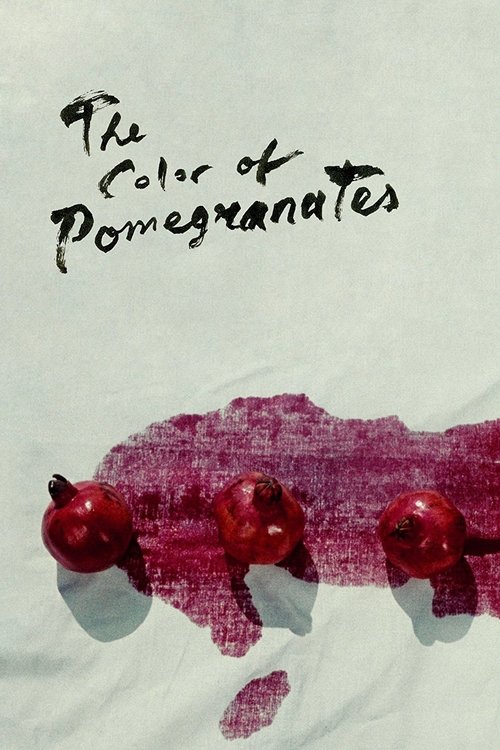
The Color of Pomegranates1969
Both are experiments in whether cinema can exist as pure visual composition without narrative machinery—Eisenstein's theory made flesh by a filmmaker obsessed with the same questions.
Sergei Parajanov's biography of an Armenian poet told entirely through tableaux vivants and composed frames—no conventional narrative. Each shot is a painting. Visually ecstatic, formally radical, a visual manifesto that echoes Eisenstein's authority over composition.
But Utterly plotless. A series of static, heavily stylized images rather than a film in conventional terms. Some find it precious or alienating rather than moving. No dialogue, minimal action.
People
Cast
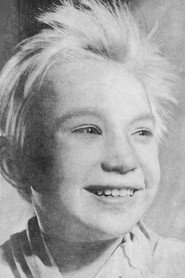 Viktor KartashovСтепок
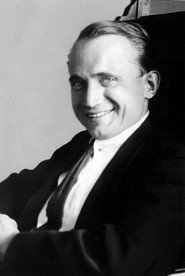 Boris ZakhavaSamokhin, Stepok's Father
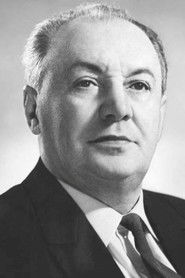 Pyotr ArzhanovPolitical Commissioner (as Pavel Ardzhanov)
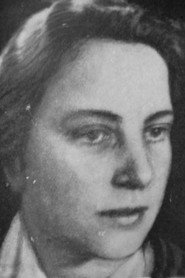 Yelizaveta TeleshyovaPresident of Kolkhoz
- Nikolai MaslovArsonist
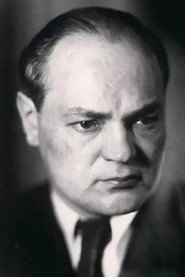 Nikolai KhmelyovPeasant
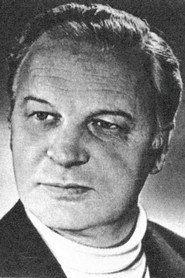
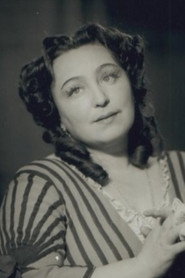
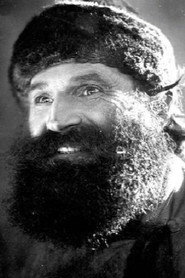 Vasiliy SavitskiyBearded man
Directing
- Pera AtashevaAssistant Director
- Sergei EisensteinDirector
Writing
- Ivan TurgenevShort Story
- Alexandr RzheshevskyWriter
- Isaak BabelWriter
- Sergei EisensteinWriter