
Film
Eisenstein in Guanajuato
A playful, sensual biopic about Sergei Eisenstein's 1931 Mexican sojourn. Director Peter Greenaway brings his signature visual excess to a story of artistic reinvention, sexual awakening, and cultural collision. It's for viewers who love cinema history, baroque visuals, and stories about artists learning to feel. Clever and decorative, sometimes frustratingly so.
Should you watch it?
Watch it if you enjoy stylised, theatrical portraits of artists, where the framing, the wordplay and the sensual mood of a place matter as much as the plot.
Skip it if you need brisk momentum or a clear story arc, since it drifts through long stretches of talk and tableau that can feel more like a painting than a plot.
What it asks of you: Settle in for a leisurely hour and three quarters, watching closely rather than following a tight line, with a tone that stays mostly playful.
Not sure? Find tonight's pick in a minute.
If you liked this
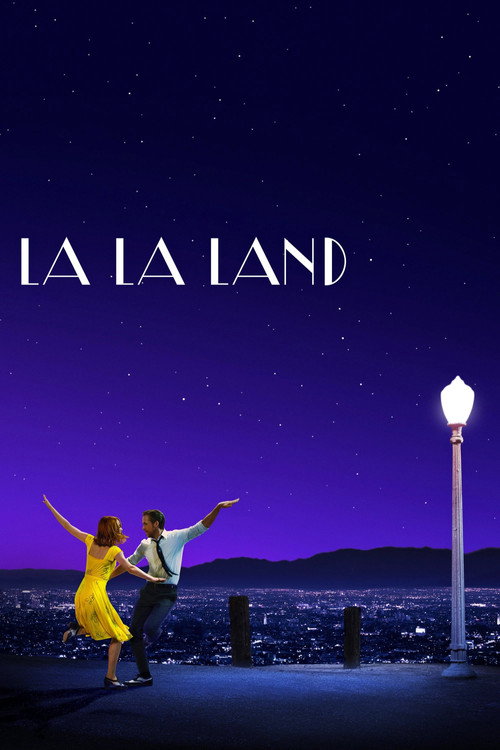
La La Land2016
A love letter to artistic ambition and reinvention set in a visually sumptuous, deliberately theatrical world. Shares Eisenstein's fascination with how art transforms those who make it, and the cost of pursuing beauty.
But It's quite long and deliberately paced. The tonal shifts between whimsy and melancholy can feel manipulative if you're not in the right headspace.
Frida2002
Julie Taymor's film shares this movie's Mexico, its saturated colours, and its central character's collision of politics, desire, and creation. Equally baroque in its visual language, equally invested in how suffering shapes art.
But It's heavy in ways Eisenstein in Guanajuato is not. Some viewers find the biography-by-checklist approach reductive.

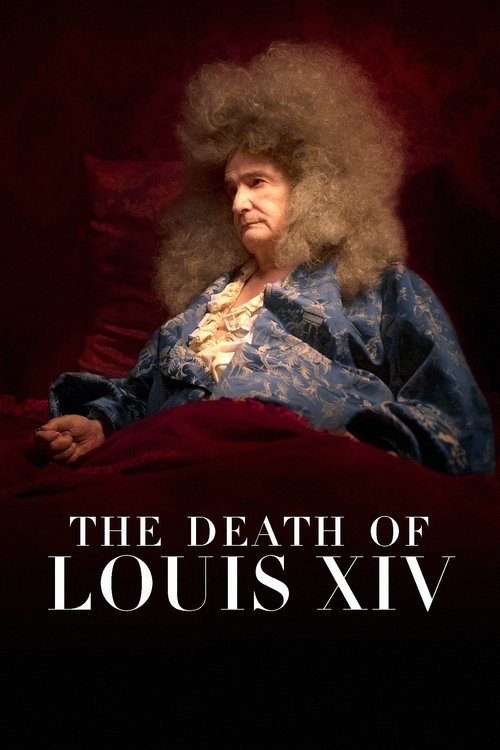
The Death of Louis XIV2016
Another Greenaway film that proves his method works beautifully when the subject is a man staring down mortality and transformation. Intimate, surprising, visually intoxicating. A perfect entry to his later style.
But Almost nothing happens by conventional narrative logic. If you need plot momentum, this will feel like watching paint dry, albeit gorgeous paint.
Not sure tonight? Get a pick in a minute, starting from Eisenstein in Guanajuato
The wildcard
Something you would not have found on your own.
A Ghost Story2017
Both are films about artists or people encountering states of consciousness beyond ordinary time and place; both equate artistic or emotional awakening with a kind of haunting or possession.
A haunting meditation on time, loss, and what we leave behind that arrives at similar emotional truths as Eisenstein in Guanajuato through almost opposite means—quiet where this is baroque, minimal where this is ornate. Both films spiritualise their subjects.
But It's slow, strange, and asks you to sit with discomfort. A twenty-minute scene of a ghost watching another character eat pie will either move you or make you restless.

More like this (8)
Contempt1963
Godard's film about a filmmaker and his marriage collapsing during a shoot in Italy is the ghost story haunting Eisenstein in Guanajuato. Both films are more interested in surfaces and cinema's nature than plot, and both are incandescent.
But It requires active engagement. The film doesn't explain itself and moves at its own meditative pace. Easy to admire from a distance and hard to love.

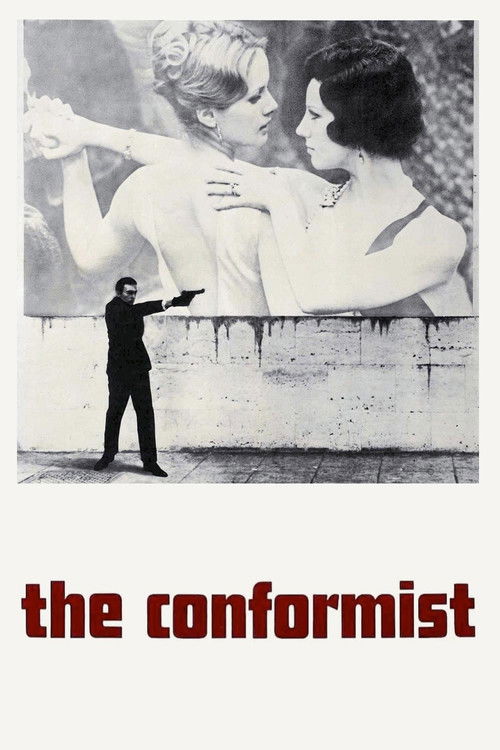
The Conformist1971
Bernardo Bertolucci's masterpiece shares Eisenstein's lush visual obsession and its location shooting in Italy captures the same fever dream atmosphere of a man transformed by his surroundings and desires.
But It's a political thriller beneath the beauty, and its darkness makes it a heavier watch. The sexual content is frank and sometimes disturbing.
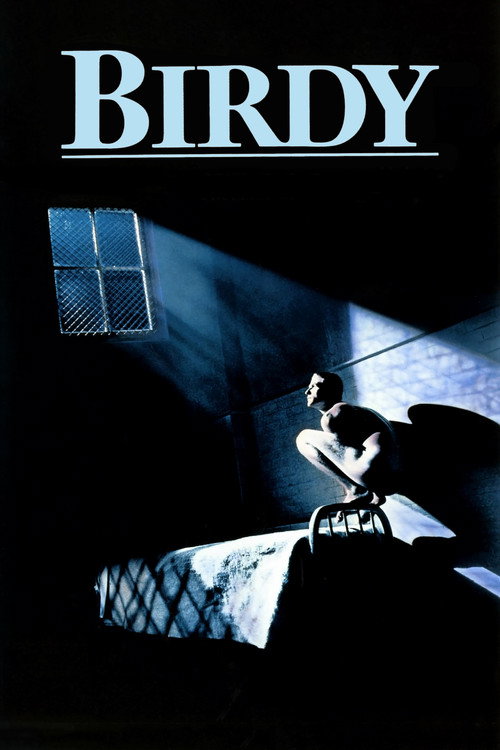
Birdy1984
Parker's film about two young men after war, memory, and transcendence through obsession. Like Eisenstein in Guanajuato, it's a film more interested in sensation, colour, and emotional states than linear storytelling.
But The structure is fragmented and deliberately disorienting. It asks a lot of the viewer's patience and willingness to sit with ambiguity.
Man with a Movie Camera1929
Dziga Vertov's silent Soviet masterpiece about cinema itself—a perfect companion to understanding Eisenstein's obsession with montage and the camera as a revolutionary tool. Dazzling and endlessly inventive.
But It's silent, experimental, and offers no conventional narrative. Many will find it a historical curiosity rather than a living film.

A Bigger Splash2015
Guadagnino's film about desire and artistic friction in a Tuscan villa has identical DNA: sumptuous locations, beautiful people, simmering tension, and a visual language that's almost offensively gorgeous. Released the same year.
But The plot is deliberately thin. Some viewers resent being asked to care more about atmosphere than story.

Synecdoche, New York2008
Kaufman's baroque meditation on creation, reality, and a filmmaker's inner collapse. Like Eisenstein in Guanajuato, it's a film about how art devours its makers and the terrifying openness of possibility.
But It's wilfully difficult and becomes increasingly abstract. The second half loses many viewers who feel it's abandoned them.

Memories of Murder2003
Both films use sensory overload and baroque visual language not for decoration but to express the corruption or distortion of their subjects' inner worlds—Eisenstein's awakening, the detectives' moral erosion.
Bong Joon-ho's masterpiece about a serial killer hunt in 1980s South Korea uses colour, location, and visual precision in ways that parallel Eisenstein's visual language. It's a completely different genre but shares the texture of obsession.
But It's grim, violent, and offers no comfort. The ambiguity of its ending is deliberate and may feel unsatisfying rather than clever.

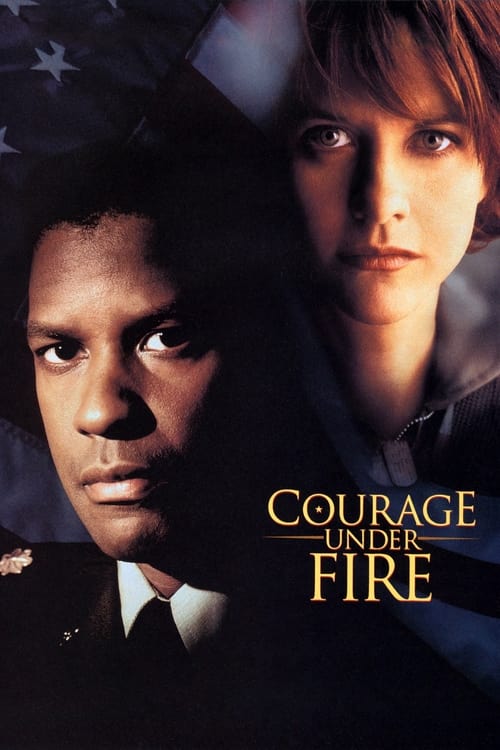
Courage Under Fire1996
Both films locate radical artistic and personal awakening in sensual, visual, sometimes forbidden pleasure; both suggest that opening oneself to desire is a form of revolution.
Deepa Mehta's film about two sisters-in-law discovering love in Delhi uses colour and sensuality as political and personal language. Banned in India on release, it's a radical reclaiming of beauty and desire in a hostile environment, thematically twin to Eisenstein's own.
But Its portrait of homophobia and patriarchal violence is not decorative. Some will find the beauty at odds with the brutality; others will understand that's precisely the point.
People
Cast
 Elmer BäckSergei Eisenstein
 Luis AlbertiPalomino Cañedo
- José MontiniDiego Rivera
- Cristina Velasco LozanoFrida Kahlo
- Rasmus SlätisGrisha Alexandrov
 Jakob ÖhrmanEdouard Tisse
- Sara JuárezMercedes
- Alaín VargasGideon
 Maya ZapataConcepción Cañedo
- Gustavo GalvánRolando
- Emiliano MoralesPascal
- Anna KnaifelPera
Directing
- Peter GreenawayDirector
- Arturo R. JiménezScript Supervisor
Writing
- Peter GreenawayScreenplay
Production
- Karin S. de BoerCasting
- Nancy BishopCasting
- Bruno FelixProducer
- Cristina VelascoProducer
- Femke WoltingProducer
- San Fu MalthaProducer