
Film
The Night of Counting the Years
A 1969 Egyptian masterpiece about a Nile Valley family torn between tradition and survival. When the discovery of stolen pharaonic mummies threatens their livelihood, a young man faces an impossible choice between loyalty to his clan and integrity. Shot in luminous black-and-white, it's a meditation on duty, colonialism, and the weight of ancient history pressing on the present. For anyone moved by intimate moral drama with genuine historical stakes.
Should you watch it?
Watch it if you are drawn to films where silence, costume and composition carry the weight, and where history is felt through ritual and stillness rather than explained.
Skip it if you want brisk plot momentum or a clear hero to root for, since the story unfolds through looks and gestures and rarely hurries to tell you what to feel.
What it asks of you: Settle in for a measured hour and forty minutes, with long held shots and quiet stretches that reward patience over close attention to dialogue.
Not sure? Find tonight's pick in a minute.
If you liked this
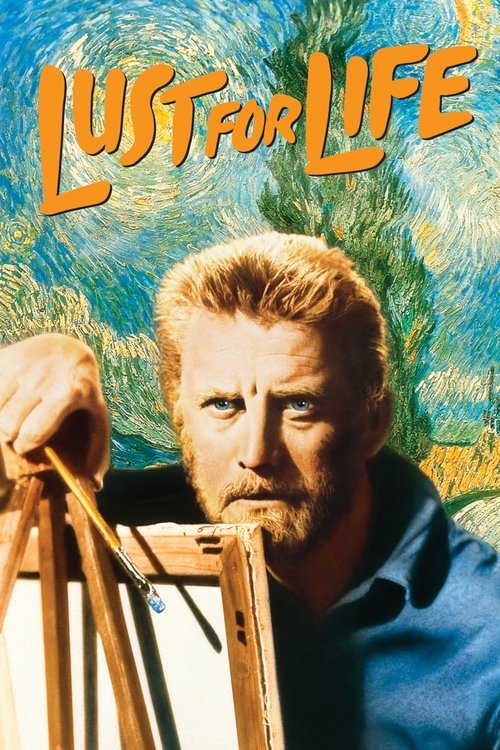
Lust for Life1956
Kirk Douglas as Van Gogh grapples with genius and madness while the art world refuses him. A portrait of an outsider whose vision matters more than acceptance—intimate, raw, and visually ravishing in vivid colour.
But The melodrama can feel heavy-handed, and the film doesn't shy from Van Gogh's psychological torment in ways that might be exhausting rather than moving.
The Battle of Algiers1966
A revolutionary film about revolution itself. Pontecorvo's stark black-and-white account of the FLN's struggle against French occupation is tense, morally unsettling, and formally brilliant—it questions heroism rather than celebrating it.
But The political argument is deliberate and sometimes didactic. The violence is neither glorified nor sanitised, which can be uncomfortable to sit with.

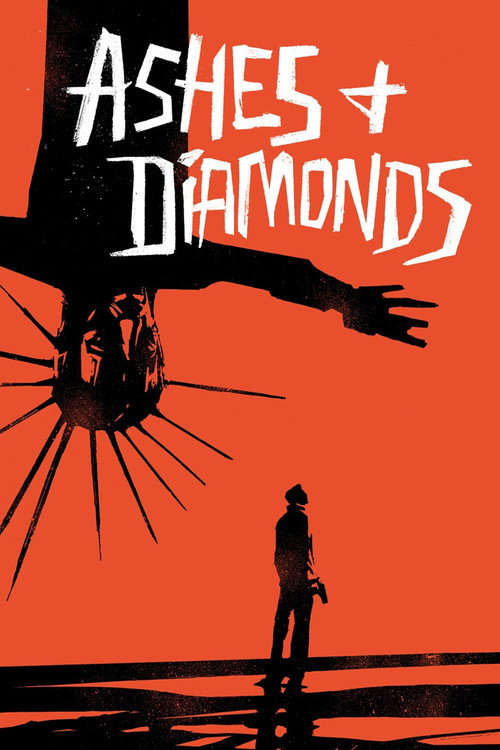
Ashes and Diamonds1958
Andrzej Wajda's Polish masterpiece tracks a young resistance fighter in the hours after WWII ends, caught between vengeance and an uncertain future. Gorgeous, elegiac cinematography; a study in how history happens at the personal level.
But The pacing is contemplative rather than dramatic. You need patience for long silences and the slow accumulation of moral weight.
Not sure tonight? Get a pick in a minute, starting from The Night of Counting the Years
The wildcard
Something you would not have found on your own.
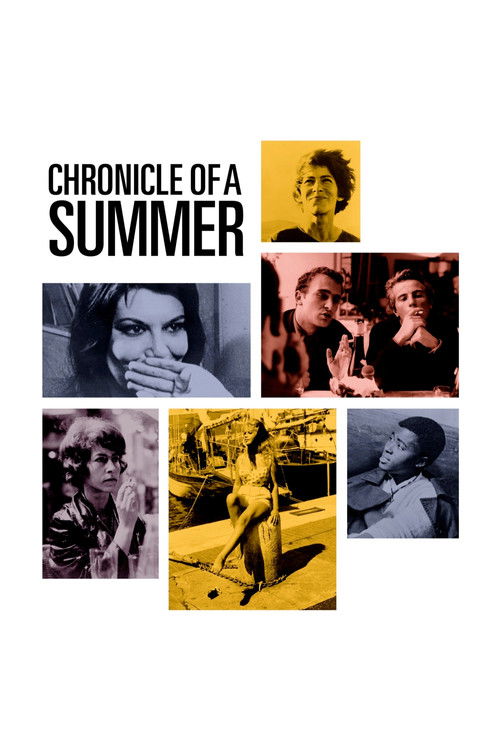
Chronicle of a Summer1961
Both films treat history not as grand events but as the weight of decision on ordinary people. Both ask: when faced with impossible moral choice, what matters most—loyalty, survival, or conscience?
Jean Rouch and Edgar Morin invented cinéma vérité with this documentary asking Parisians 'Are you happy?' in the summer of 1960. It's playful and philosophical at once—documentary as intimate conversation rather than exposition.
But It's a documentary without a strong narrative arc. The interest is in texture and voice, not plot. Patience required.
More like this (7)
The Seventh Seal1957
Bergman's knight plays chess with Death itself during the Black Plague. Philosophically ambitious and visually iconic, it asks questions about faith, meaning, and mortality that linger long after the credits roll.
But It's deliberately austere and can feel more like a morality play than a narrative. The existential heaviness isn't for everyone.

Come and See1985
Elem Klimov's Belarusian film follows a boy conscripted into WWII and shows the systematic erasure of his humanity. Harrowing, formally inventive, and absolutely unforgettable—cinema as testimony rather than entertainment.
But It is one of the most brutal and traumatising films ever made. Not hyperbole. The violence and suffering are relentless and emotionally devastating.

The Leopard1963
Luchino Visconti's Sicilian epic watches the aristocracy negotiate the collapse of their world during Italian unification. Shot in luminous Technicolor, it's about the slow death of a way of life, observed with melancholic grandeur.
But At over three hours, it moves with the pace of a man watching his own funeral. The political argument can feel distant if you're not invested in the characters.

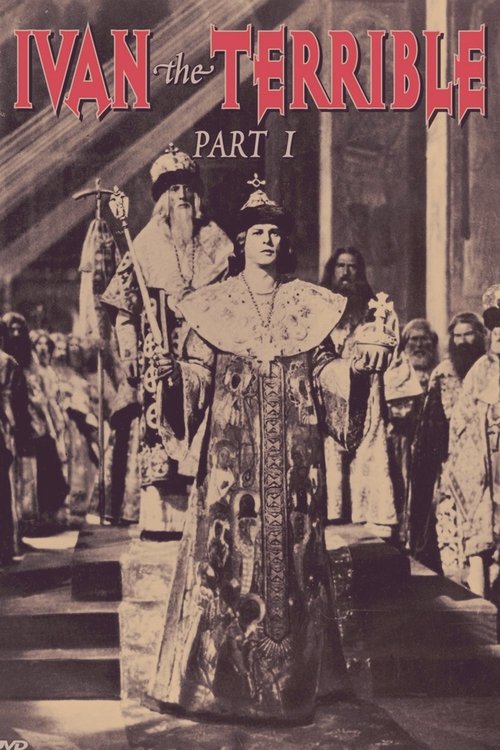
Ivan the Terrible, Part I1944
Sergei Eisenstein's monumental black-and-white film renders the Tsar's isolation and paranoia through expressionist cinematography and geometric compositions. History as psychological portraiture, not chronicle.
But The theatrical staging and symbolic imagery can feel overwrought. The pacing is deliberate to the point of glacial.
The Turin Horse2011
Béla Tarr's final film is a apocalyptic meditation on decline, featuring a philosopher and his servant in a decaying household as civilization collapses around them. Stark, hypnotic, profoundly strange.
But It's aggressively bleak, shot almost entirely in grey, and the narrative is deliberately fragmented. This isn't cinema for comfort.

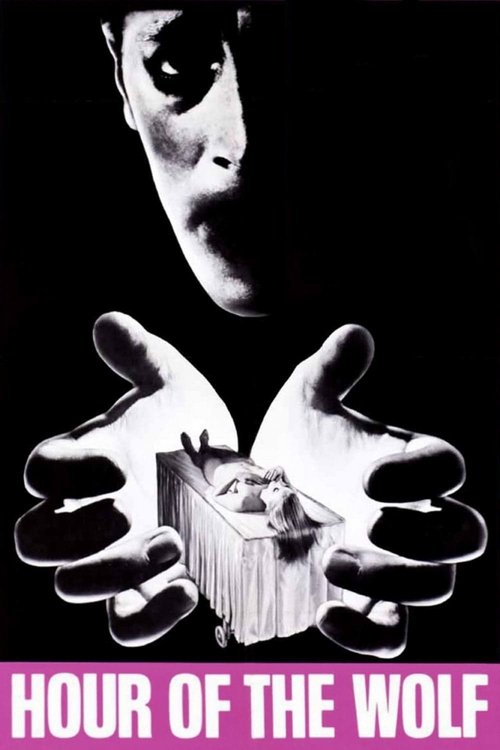
Hour of the Wolf1968
Bergman's eerie chamber piece traps a couple on an island where reality begins to crack. Sparse, psychologically intricate, and genuinely unsettling—an exploration of desire and madness in miniature.
But Very little happens in the conventional sense. The atmosphere is oppressive and the meaning is deliberately obscure.
The Ballad of Little Jo1993
A true story of someone navigating impossible social structures by concealing their identity. Like Wannis, Jo must decide whether survival requires self-erasure or self-preservation.
Maggie Greenwald's restrained western follows a woman who disguises herself as a man to survive in 1880s Wyoming. Shot in muted colours with an almost documentary plainness, it's about authenticity buried under necessity.
But It rejects western mythology and spectacle in favour of quietness. Some will find it slow; others will call it honest.

People
Cast
 Ahmed MareiWannis
 Ahmed HegaziBrother
 Nadia LotfiZeena
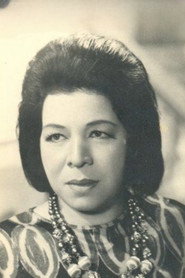 Zouzou Hamdy ElHakimMother
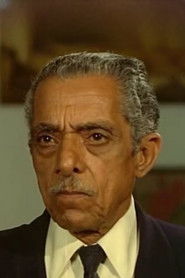
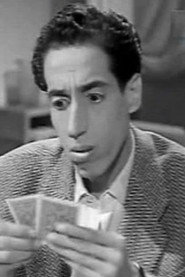 Mohamed NabihMurad
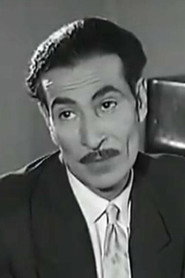 Shafiq Nour ElDeinAyoub
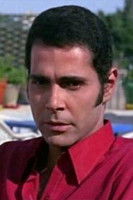 Mohamed KhairyKamal
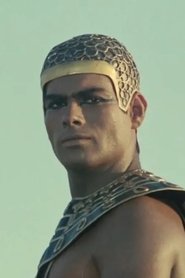 Ahmad AnanBadawi
- Gaby KarrazMaspero
 Antic MelkiorJacques Larson
 Mohamed MorshedStranger
Directing
- Shadi Abdel SalamDirector
- Samir AoufFirst Assistant Director
Writing
- Alaa El DeebWriter
- Shadi Abdel SalamWriter
Production
- Sayed AlyCasting
- Roberto RosselliniProducer
- Safwat MustafaProducer