
Film
Alexander Nevsky
Eisenstein's 1938 nationalist epic was built to steel Soviet audiences against a rising Germany, and it plays like propaganda that accidentally became art. Dialogue is thin, acting broad, but the Battle on the Ice — scored by Prokofiev's thundering music — remains one of cinema's great choreographed set pieces. Watch it for the imagery and music, not the story.
If you liked this
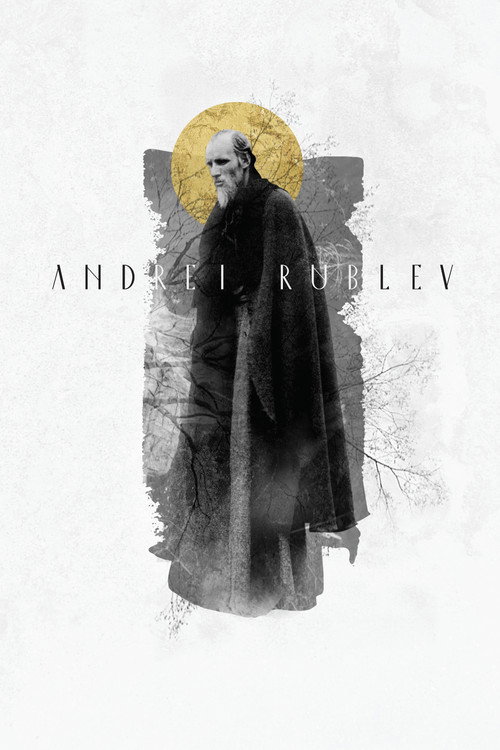
Andrei Rublev1966
Tarkovsky's monumental portrait of medieval Russia trades Eisenstein's propaganda clarity for spiritual doubt, but shares that same vast, frozen, myth-heavy landscape and the sense of a nation forged through suffering and faith.
But Three hours long, slow, and more interested in silence and doubt than in stirring you to arms.
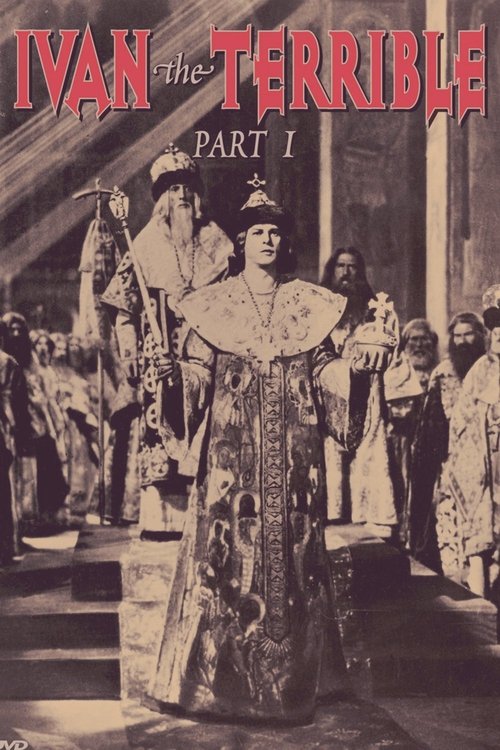
Ivan the Terrible, Part I1944
Eisenstein's next film pushes the same operatic style further — towering shadows, ritualistic performances, a tsar built into myth. If Nevsky's stylisation intrigued you, this is the director doubling down.
But Even more stagey and hypnotic than Nevsky; some find it a fascinating dead end rather than a masterpiece.
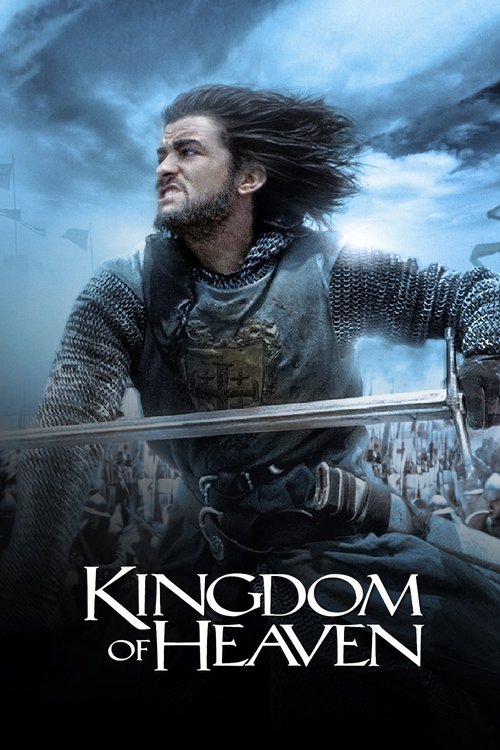
Kingdom of Heaven2005
Ridley Scott's Crusades epic gives you the siege spectacle and moral weight Nevsky only sketches — huge battles, political intrigue, and a hero caught between faiths and armies far larger than himself.
But The theatrical cut is famously gutted; you need the director's cut for the film to actually make sense.
The wildcard
Something you would not have found on your own.
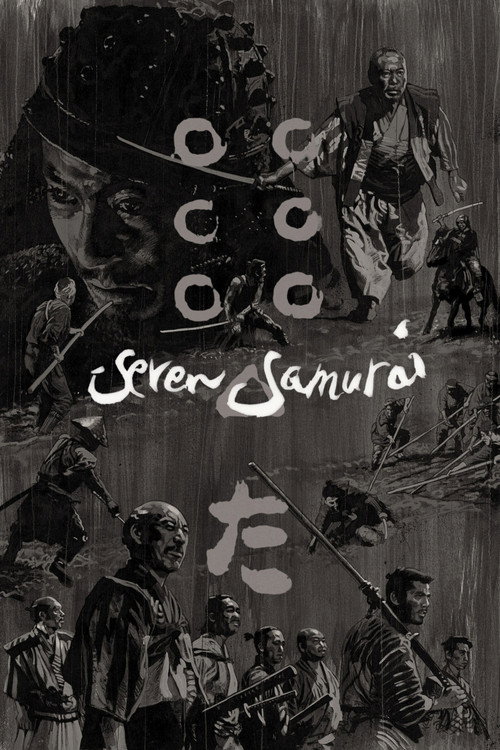
Seven Samurai1954
Kurosawa openly studied Eisenstein's editing, and both films share the same structural heart: a small, disciplined defending force organizing an outnumbered community against invaders on hostile ground.
Kurosawa transplants Nevsky's outnumbered-defenders structure into feudal Japan, trading nationalist myth for something more human — tired mercenaries protecting farmers who barely trust them, in one of cinema's great ensemble epics.
But It's three and a half hours in Japanese with subtitles, and its pace rewards patience more than spectacle-chasing.
More like this (8)
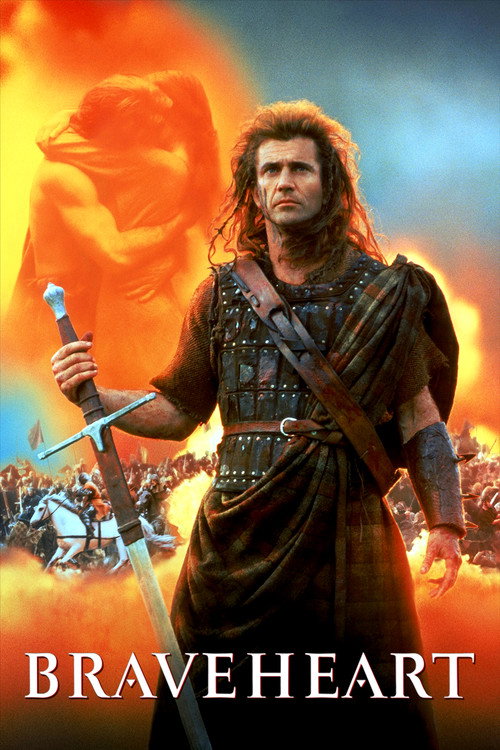
Braveheart1995
Gibson's underdog nationalist uprising hits the same emotional register as Nevsky — a charismatic leader rallying scattered people against a crushing foreign army, with battle scenes built for maximum roar.
But Historically loose to the point of fiction, and its patriotism is played entirely straight, no irony offered.
El Cid1961no page yet
Charlton Heston's medieval Spain epic shares Nevsky's basic shape: a noble warrior uniting a fractured people against invaders, told in the same sweeping, larger-than-life register of golden-age historical cinema.
But Its pacing is stately by modern standards, and Heston's Cid is more icon than character.
Henry V1989no page yet
Branagh's muddy, brutal Agincourt strips away pageantry to find exhaustion and grief inside a nation-defining battle — a useful corrective if you want the underdog-versus-empire story with less myth and more mud.
But It's Shakespeare, so the verse asks patience, and the politics are English rather than continental.
War and Peace, Part II: Natasha Rostova1966no page yet
Soviet cinema's own answer to scale — a seven-hour, cast-of-thousands adaptation with battle sequences so vast they still humble modern blockbusters. It's the maximalist cousin to Nevsky's tighter nationalist myth-making.
But Seven hours is a serious commitment, and it demands patience with Tolstoy's sprawling social canvas.
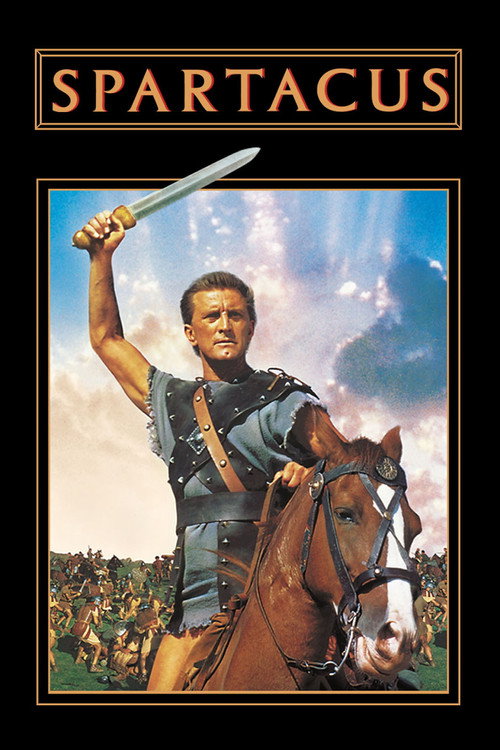
Spartacus1960
Kubrick's slave uprising epic shares Nevsky's core pulse — an outnumbered people rallying around one man against an empire that assumes it cannot lose. Big, stirring, built for a large screen.
But It's a Hollywood epic through and through, glossier and more sentimental than Eisenstein's austere original.
The 13th Warrior1999no page yet
A scrappier, pulpier cousin — Vikings and Arabs fighting monsters in the frozen north, with the same small-band-against-overwhelming-odds energy but none of Nevsky's ideological weight, just fun medieval carnage.
But It's B-movie material, critically maligned on release, and won't reward anyone looking for depth.
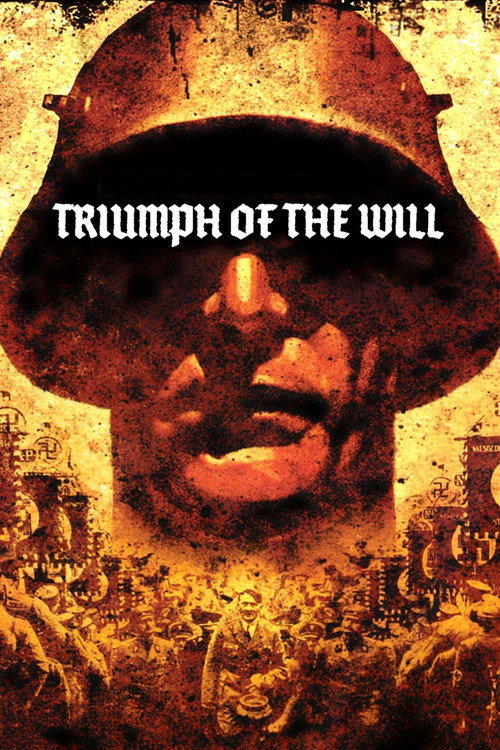
Triumph of the Will1935
Made three years apart by rival totalitarian states, both films are state-commissioned propaganda designed to weld a nation together against an external enemy — watching them side by side exposes the machinery Nevsky otherwise hides inside myth.
Riefenstahl's Nazi rally documentary is the uncomfortable mirror to Nevsky: same era, same nationalist choreography, same use of mass spectacle to manufacture unity — but aimed at the real threat Nevsky was made to resist.
But It's genuinely disturbing rather than entertaining, and its technical brilliance in service of monstrous politics is the whole, uneasy point.
Red Dawn1984no page yet
It's Cold War America's mirror version of the same propaganda engine — outnumbered locals rallying against a foreign invading army — just built from teenagers, denim, and Reagan-era anxiety instead of Prokofiev and medieval iconography.
Reagan-era Cold War fantasy where American teens repel Soviet invaders — same underdog-versus-empire skeleton as Nevsky, transplanted into trashy, gloriously earnest 80s action-movie territory. It's the id version of the same nationalist myth.
But It's cheesy, jingoistic, and dated in exactly the ways that made it a cult object rather than a good film.
People
Cast
 Nikolai CherkasovAlexander Nevsky
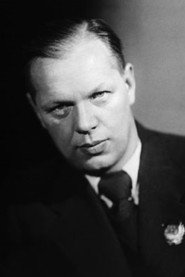 Nikolai OkhlopkovVasili Buslai
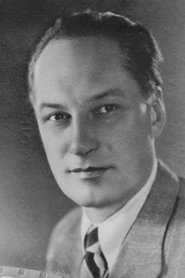 Andrei AbrikosovGavrilo Oleksich
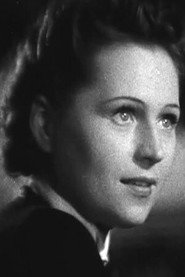 Valentyna IvashovaOlga Danilovna - a Maid of Novgorod
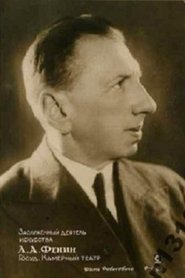 Lev FeninThe Archbishop
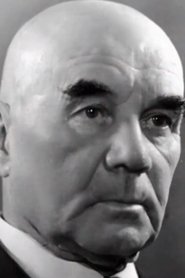 Sergei BlinnikovTverdilo - Traitorous Mayor of Pskov
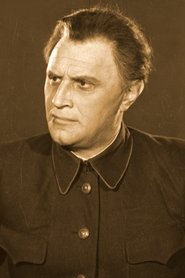 Nikolai ArskyDomash Tverdislavich - a Novgorod Boyar
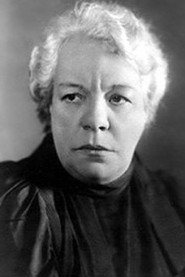 Varvara MassalitinovaAmelfa Timoferevna - Buslai's Mother
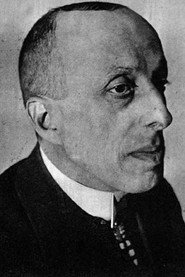 Naum RogozhinBlack monk
 Vasiliy NovikovPavsha, Vasilisa's father and voevoda of Pskov
Directing
- Nikolai MaslovAssistant Director
- Boris IvanovCo-Director
- Dmitriy VasilevDirector
- Sergei EisensteinDirector
- Valentina KuznetsovaFirst Assistant Director
- Yakov KocharyanSecond Assistant Director
Writing
- Vladimir LugovskoyLyricist
- Pyotr PavlenkoWriter
- Sergei EisensteinWriter
Production
- E. SoluyanovAdministration
- Mikhail KhavkinAdministration
- V. GordonAdministration
- Yelizaveta TeleshyovaCasting Consultant
- Igor VakarExecutive Producer